My First Leopard Sighting
November 5, 2026
What a Typical Day on African Safari Looks Like Hour by Hour
An African safari follows a rhythm that differs considerably from an ordinary holiday. Instead of spending the entire day moving between attractions, travellers organise their activities around wildlife behaviour, daylight, weather, and the natural conditions of the destination. Early mornings often bring the best opportunities to observe predators, while warmer afternoons encourage many animals to rest in shaded areas.
Understanding a typical day on African safari schedule helps first-time visitors prepare for the experience. Although each lodge and destination follows its own programme, many safaris combine early game drives, relaxed meals, afternoon wildlife activities, and evenings around the campfire. The schedule allows guests to explore the wilderness while enjoying comfortable accommodation and opportunities to rest.
A typical safari day is not completely predictable because wildlife movements and environmental conditions change constantly. Guides may adjust activities when they encounter interesting animal behaviour or changing weather. This flexibility makes every safari different, even when travellers follow a similar daily routine.
Understanding the Daily Rhythm of an African Safari
Wildlife activity strongly influences the organisation of a safari day. Many mammals become more active during the cooler hours around sunrise and sunset, making these periods particularly rewarding for game viewing. Guides therefore arrange excursions when conditions favour observation.
The daily routine also depends on the type of safari accommodation. A private lodge may offer flexible departure times, while a scheduled group safari follows a more structured programme. Walking safaris, boat excursions, and photographic activities can create further differences.
Despite these variations, most traditional wildlife safaris share a recognisable pattern. Guests wake early, explore the wilderness, return for meals and relaxation, and head out again during the afternoon. Evenings provide opportunities to discuss sightings and enjoy the atmosphere of the African bush.
5:00 AM – Waking Up in the African Wilderness
A safari morning often begins before sunrise, when the surrounding landscape remains quiet and cool. Lodge staff may provide a wake-up call, allowing guests enough time to prepare for the first activity. The sounds of birds, insects, and distant animals create an atmosphere unlike that of a conventional hotel.
Early departures allow guides to reach productive wildlife areas before temperatures rise. Predators may still be active after nighttime hunting, while herbivores begin moving towards grazing areas. The soft morning light also provides excellent photographic conditions.
Travellers should prepare suitable clothing before going to bed. A warm layer can be useful during open-vehicle drives, particularly in southern Africa’s winter months. Keeping cameras and binoculars ready makes the morning departure more comfortable.
5:30 AM – Morning Coffee and Safari Briefing
Many lodges provide tea, coffee, and light refreshments before the morning game drive. Guests gather in a common area while guides discuss the planned route and expected conditions. This short preparation period helps everyone settle into the day’s activities.
The briefing may include safety information, especially for travellers who have recently arrived. Guides explain how to behave around wildlife and why passengers should remain seated when approaching animals. These instructions protect both visitors and the animals they observe.
The atmosphere is often relaxed and anticipatory. Travellers exchange expectations while listening to the sounds of the surrounding wilderness. The experience begins before the safari vehicle even leaves camp.
6:00 AM – The First Morning Game Drive
The first game drive usually begins around sunrise, although departure times vary by destination and season. Guides explore roads and tracks where wildlife activity has recently occurred. Fresh footprints, alarm calls, and animal movements provide clues about possible sightings.
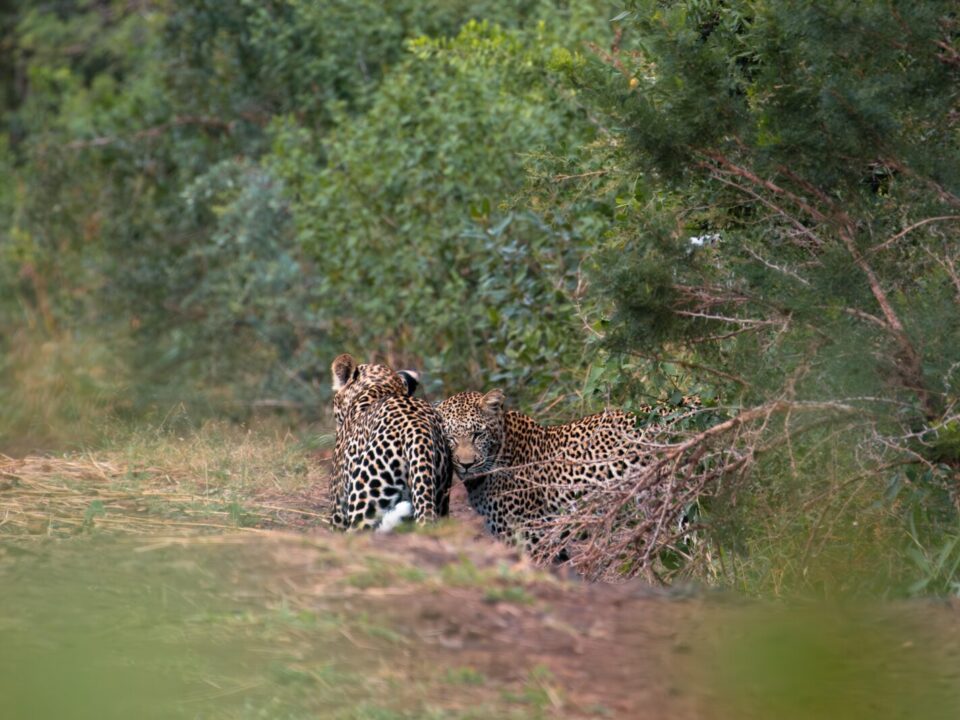
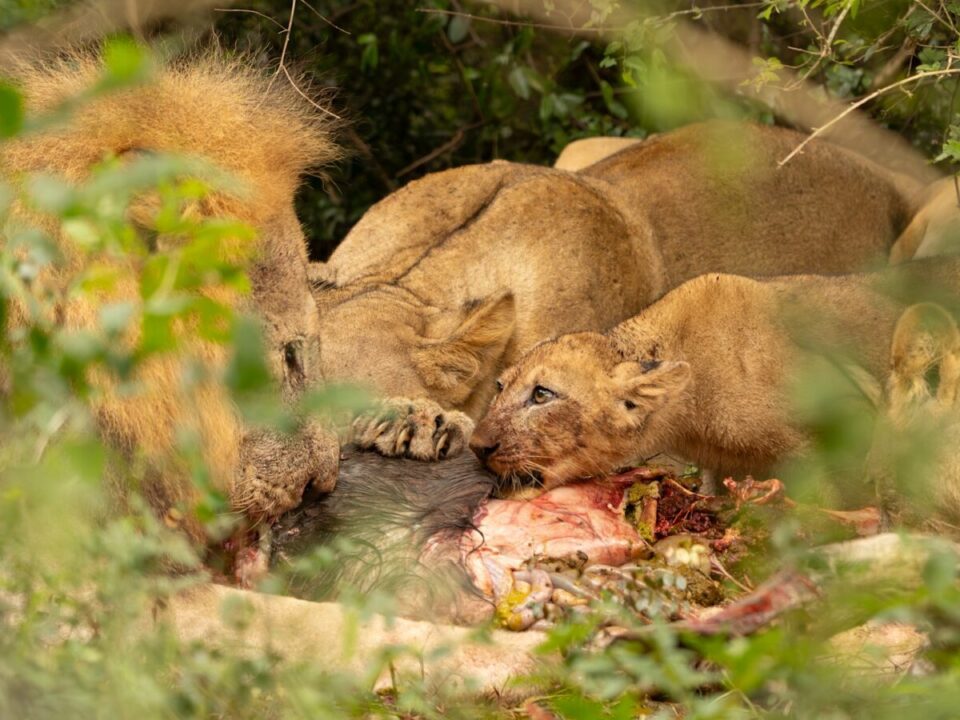
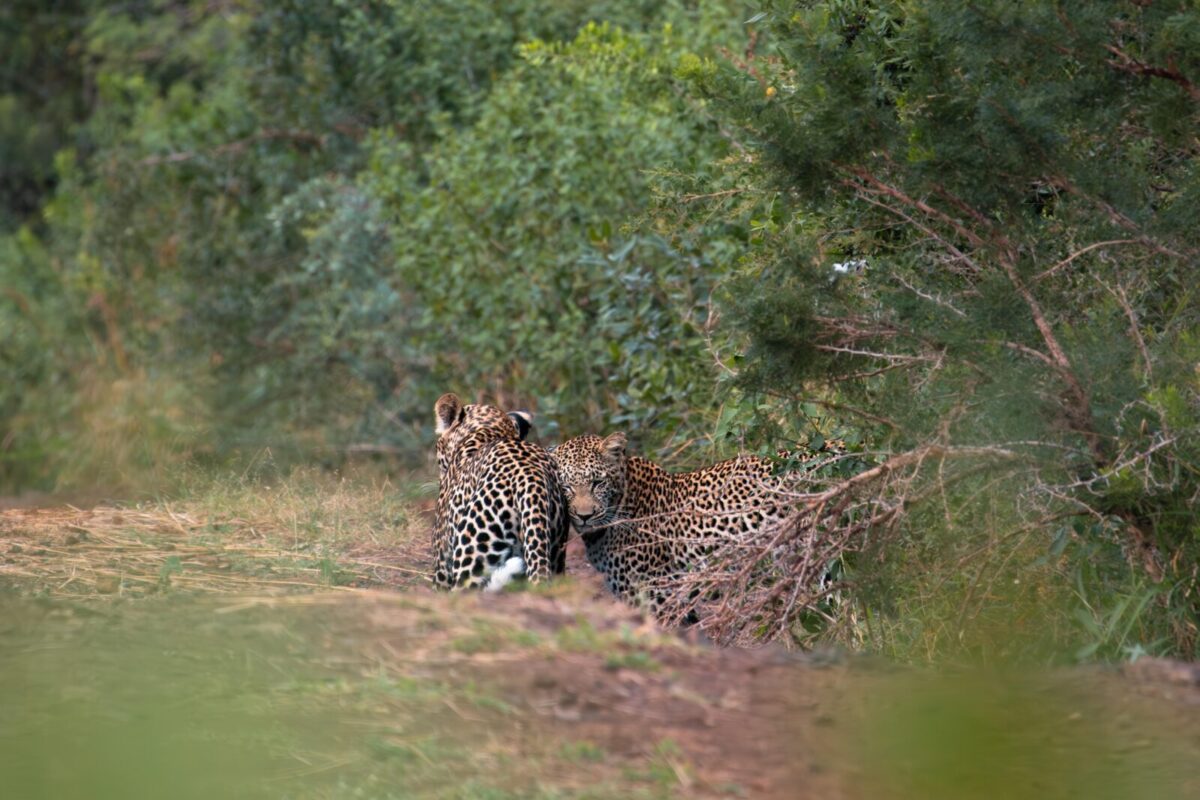
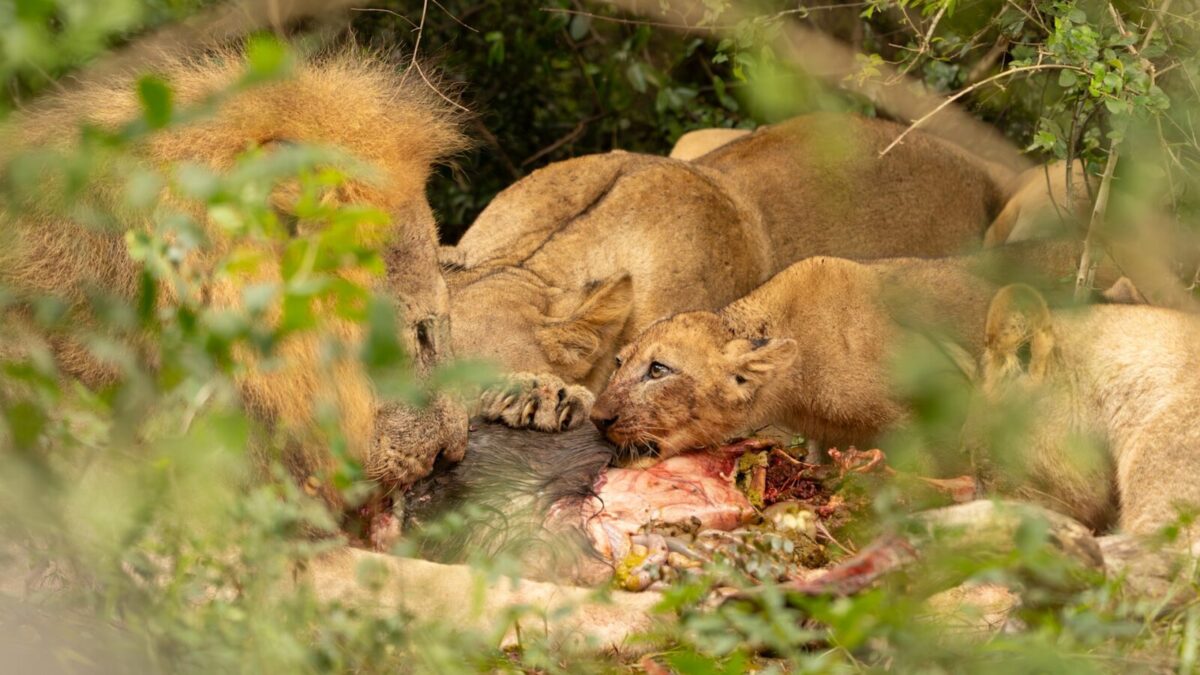
Predators often attract particular attention during these early hours. Lions may return from hunting, leopards may move between resting areas, and hyenas may patrol their territories. However, successful sightings depend on natural behaviour rather than a fixed schedule.
Herbivores also become active as the landscape brightens. Elephants may travel between feeding areas, while giraffes and antelope begin grazing or browsing. The variety of encounters makes the morning drive an important part of the safari experience.
7:00 AM – Following Wildlife Tracks and Signs
As daylight strengthens, guides may investigate signs of recent animal activity. Tracks in sandy soil, disturbed vegetation, and fresh dung can reveal which species passed through an area. These details help guides interpret the landscape.
Tracking does not always lead to a direct sighting. Animals may move considerable distances or disappear into dense vegetation. Nevertheless, understanding their signs provides valuable insight into behaviour and habitat use.
A knowledgeable guide explains the difference between tracks, feeding marks, and territorial signals. These observations transform the drive into an educational experience. Guests begin recognising that the wilderness contains far more information than immediately visible animals.
8:00 AM – Wildlife Photography in the Morning Light
Morning sunlight often creates attractive conditions for wildlife photography. The lower angle of the sun produces softer illumination and highlights the textures of animal coats, feathers, and surrounding vegetation. Photographers can capture natural behaviour without the harsh contrasts common at midday.
Guides may stop when animals display interesting interactions, such as elephants feeding together or birds gathering near water. These moments provide opportunities to observe behaviour rather than simply record individual species.
Patience remains important because wildlife rarely follows photographic expectations. A lion may sleep throughout an encounter, while an antelope herd may move away before a photograph is possible. Allowing animals to behave naturally creates more authentic images.
9:00 AM – A Refreshment Stop in the Bush
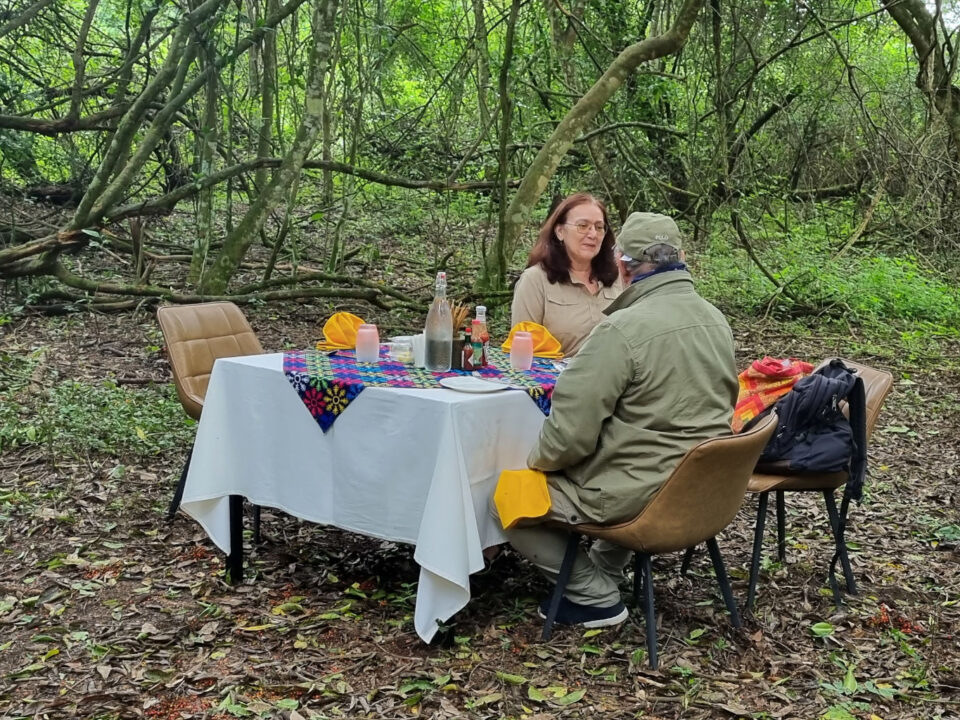
Some safari operators arrange a short refreshment stop during the morning drive. Guides select a suitable location after assessing the surrounding area for wildlife activity and safety. Guests may enjoy coffee, tea, or a light snack while appreciating the landscape.
The stop provides an opportunity to stretch and discuss recent sightings. Guides may explain the ecology of nearby vegetation or identify bird calls. These conversations often become memorable parts of the experience.
Not every national park permits visitors to leave vehicles outside designated areas. Operators must follow local regulations and safety procedures. Responsible safari planning always places wildlife protection and visitor safety first.
10:00 AM – Returning to the Safari Lodge
Many morning game drives finish between midmorning and late morning. The exact return time depends on wildlife sightings, driving distances, and the lodge programme. Guests return with photographs, observations, and stories from the morning.
The journey back may still produce unexpected encounters. Elephants can appear near a road, birds may gather around water, or a predator may emerge from vegetation. Guides remain attentive until the vehicle reaches camp.
Returning to the lodge creates a natural transition from active exploration to relaxation. Guests can review photographs or enjoy the surroundings. The slower pace forms an important part of the safari experience.
10:30 AM – Enjoying a Safari Breakfast or Brunch
Breakfast arrangements vary between lodges. Some provide a light meal before the drive followed by a substantial brunch, while others serve breakfast after guests return. Menus often include fruit, eggs, baked goods, and other options suited to the property.
Dining areas may overlook waterholes, rivers, or surrounding bushland. Guests can sometimes continue observing wildlife while enjoying their meals. This connection with nature distinguishes safari accommodation from conventional city hotels.
Meal times also provide opportunities to speak with guides and fellow travellers. Guests may compare sightings or discuss plans for the afternoon. The relaxed atmosphere encourages a deeper appreciation of the destination.
11:30 AM – Free Time at the Lodge
The middle of the day often provides time for rest because temperatures rise and some wildlife becomes less active. Guests may return to their rooms, read, or enjoy views from a private terrace. Many safari lodges offer comfortable spaces designed for relaxation.
Some properties provide swimming pools, wellness treatments, or small libraries. Others emphasise simple immersion in nature, allowing guests to watch birds and animals from camp. The experience depends on accommodation style.
This downtime is not wasted safari time. Rest helps travellers remain alert during the next wildlife activity. It also allows them to appreciate the peaceful atmosphere of the wilderness.
12:30 PM – Lunch and Relaxed Wildlife Viewing
Lunch may take place in a dining room, shaded terrace, or outdoor setting. Menus vary according to the lodge, destination, and meal plan. Some properties serve a full lunch, while others offer lighter dishes after a substantial brunch.
Wildlife viewing can continue around certain camps. Waterholes may attract elephants, antelope, or birds during warmer periods. However, guests should remain within designated safe areas.
The afternoon meal also creates an opportunity to discuss dietary preferences and upcoming activities. Lodges can often accommodate special requirements when guests communicate them in advance. Good planning contributes to a comfortable stay.
1:30 PM – Resting During the Warmest Hours
Many African safari destinations experience high daytime temperatures, particularly during warmer seasons. Wildlife may reduce movement to conserve energy and avoid excessive heat. Safari programmes often reflect this natural pattern.
Guests can use the quiet period to rest, organise photographs, or enjoy lodge facilities. Photographers may review camera settings and prepare equipment for the afternoon drive. Travellers on longer itineraries benefit from maintaining a comfortable pace.
Not every destination follows the same temperature pattern. Mountain environments, coastal regions, and winter conditions may produce cooler afternoons. Guides adjust programmes according to local circumstances.
2:30 PM – Optional Safari Activities
Some lodges offer additional activities during the middle of the day, depending on location and regulations. These may include birdwatching, cultural visits, conservation presentations, or guided nature experiences. Availability varies considerably between properties.
A cultural excursion can introduce travellers to local communities and their relationship with wildlife conservation. Responsible programmes respect community participation and provide genuine economic benefits. Visitors should avoid experiences that treat local cultures as staged attractions.
Other guests may prefer to remain at camp and prepare for the afternoon drive. A safari does not require constant activity to be rewarding. Choosing a suitable balance improves the overall experience.
3:30 PM – Afternoon Tea and Safari Preparation
Afternoon activities often begin with refreshments at the lodge. Guests gather for tea, coffee, and snacks before meeting their guides. This routine provides a relaxed transition into the next wildlife excursion.
The guide may explain which areas the vehicle will explore. Recent sightings, weather conditions, and wildlife movements influence route selection. Flexibility remains important because animal behaviour can change quickly.
Travellers should bring water, sun protection, and a light layer for cooler evening conditions. Cameras and binoculars should remain accessible. Proper preparation helps guests focus on the wildlife experience.
4:00 PM – The Afternoon Game Drive Begins
The afternoon drive often starts while temperatures remain relatively warm. Guides may initially explore shaded woodland, waterholes, or riverbanks where animals gather. As the afternoon progresses, wildlife activity may increase.
Elephants frequently provide memorable encounters during these hours. Visitors may observe family groups feeding, drinking, or moving between habitats. Giraffes, antelope, and other herbivores can also become more active.
Predators may begin preparing for evening activity, although many continue resting. Guides interpret subtle changes in behaviour rather than promising specific encounters. Every drive develops according to natural conditions.
5:00 PM – Exploring Waterholes and Wildlife Corridors
Water sources can become particularly productive during dry periods when animals depend on reliable drinking locations. Guides may visit suitable waterholes or river crossings to observe wildlife movement. The concentration of animals varies by ecosystem and season.
Buffalo, elephants, antelope, and birds may gather around freshwater habitats. Predators sometimes patrol nearby areas, although their presence remains unpredictable. These locations provide opportunities to observe interactions between species.
Wildlife corridors also reveal how animals move through landscapes. Guides may explain the importance of connected habitats for conservation. Such observations connect individual sightings with broader ecological processes.
6:00 PM – Sunset and the Safari Sundowner
Many private-reserve safaris include a sundowner stop near sunset, where permitted. Guides select a safe location with attractive views of the surrounding landscape. Guests may enjoy refreshments while watching the colours of the evening sky.
The sundowner tradition provides a moment to reflect on the day’s encounters. Conversations often focus on memorable sightings, unexpected behaviour, and the atmosphere of the wilderness. It also allows travellers to appreciate the landscape beyond individual animals.
Not all parks permit outdoor refreshment stops or driving after sunset. Operators must follow local rules. The exact timing depends on daylight hours and destination.
6:30 PM – Returning to Camp or Continuing a Night Drive
Some safari activities finish shortly after sunset, while others continue into darkness where night driving is permitted. Private reserves may offer opportunities to observe nocturnal wildlife. National parks often impose stricter operating hours.
Night drives can reveal species that remain concealed during daylight, including certain small carnivores, nocturnal birds, and other mammals. Guides use appropriate lighting and follow wildlife-viewing guidelines. Ethical observation avoids unnecessary disturbance.
Where night drives are unavailable, guests return to camp as darkness settles. The sounds of insects and distant wildlife create a distinctive evening atmosphere. The transition from daylight to night becomes part of the experience.
7:30 PM – Freshening Up Before Dinner
After returning from the afternoon activity, guests usually have time to shower and change. Safari lodges often maintain a relaxed dress code, although individual properties may have specific dining expectations. Comfortable clothing is generally suitable.
Some camps provide escorts between rooms and communal areas after dark because wildlife may move through the property. Guests should follow staff instructions rather than walking independently when escorts are required.
The evening atmosphere can be especially memorable. Lanterns, campfires, and natural sounds create a sense of connection with the surrounding environment. Guests begin winding down after an active day.
8:00 PM – Dinner Under the African Sky
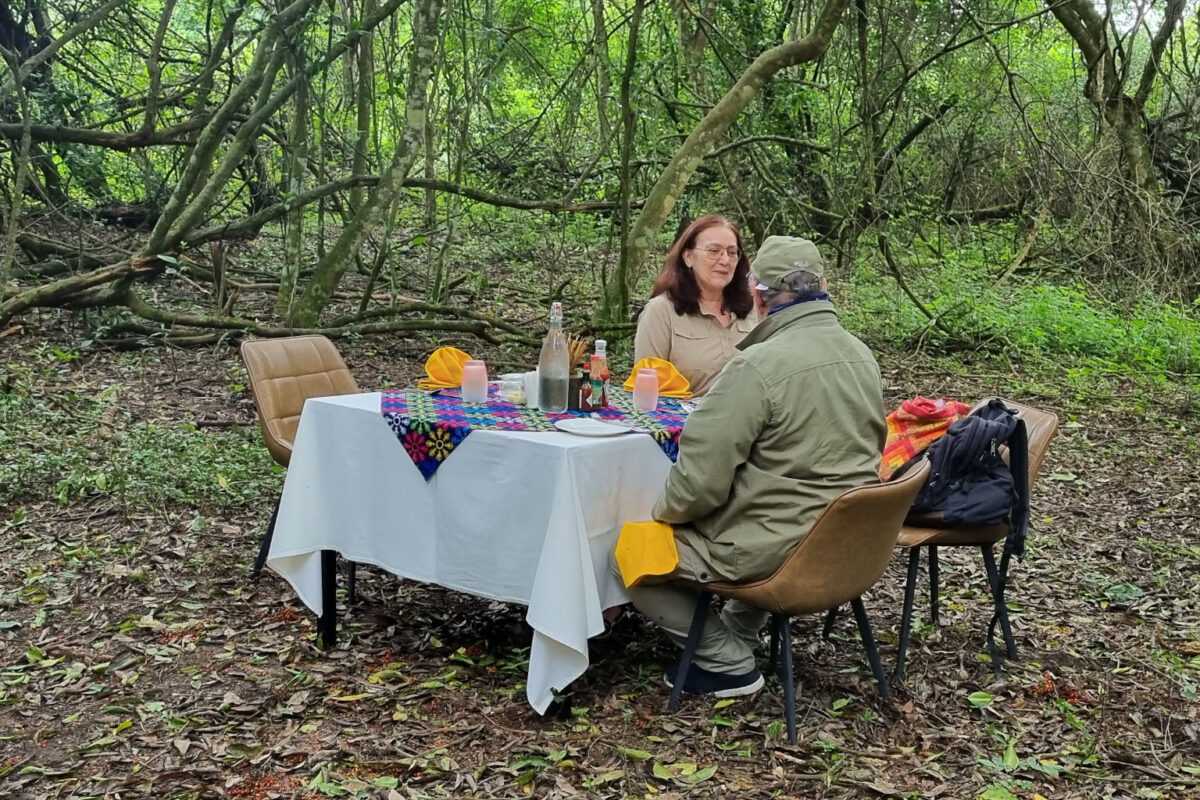
Dinner provides an opportunity to enjoy regional cuisine and discuss the day’s experiences. Depending on the property, meals may take place in a dining room, open-air setting, or carefully managed bush dining area. Menus reflect the lodge’s hospitality style.
Guides sometimes join guests for conversation, sharing ecological knowledge and explaining unusual sightings. These discussions can deepen understanding of animal behaviour. Travellers may also learn about the conservation challenges facing the destination.
The atmosphere often feels relaxed and informal. After a day of wildlife observation, guests appreciate the combination of good food and natural surroundings. The experience becomes part of the safari’s appeal.
9:00 PM – Campfire Stories and Sounds of the Bush
Some safari lodges invite guests to gather around a campfire after dinner. The setting encourages conversation about wildlife, travel experiences, and local traditions. Guides may explain the calls of animals heard beyond the camp.
Lions, hyenas, owls, and other animals can produce distinctive nighttime sounds. However, hearing wildlife does not necessarily mean that an animal is close to the accommodation. Sound travels differently according to terrain and weather.
Guests should respect camp safety procedures throughout the evening. Wild animals may move through unfenced properties. Following staff guidance allows travellers to enjoy the atmosphere safely.
10:00 PM – Sleeping in the African Wilderness
Safari days often end relatively early because the next morning begins before sunrise. Guests return to their rooms or tents and prepare for another day. Comfortable accommodation allows travellers to rest while remaining close to nature.
The sounds of the wilderness may continue throughout the night. Some guests hear insects, frogs, or distant mammals, while others experience remarkable quiet. These natural sounds contribute to the atmosphere of safari accommodation.
A good night’s rest helps travellers enjoy the following day’s activities. Preparing clothing and equipment before sleeping can make the early start easier. The routine gradually becomes a familiar and rewarding part of the safari.
How Safari Schedules Differ Between Destinations
The daily programme varies between Botswana, South Africa, Zambia, Namibia, Tanzania, and Kenya. Private reserves may offer greater flexibility, while national parks follow designated operating hours. Seasonal daylight also influences activity times.
Botswana’s Okavango Delta may combine game drives with boat excursions or mokoro activities when conditions permit. Zambia offers walking safaris in suitable protected areas. South Africa provides extensive vehicle-based wildlife experiences, while Tanzania and Kenya often feature longer game drives across large ecosystems.
Travellers should discuss preferred activities before booking. The ideal schedule depends on wildlife interests, comfort expectations, and destination. A knowledgeable safari operator can recommend suitable arrangements.
What to Pack for a Typical Safari Day
Comfortable neutral-coloured clothing works well for most safari activities. Lightweight layers allow travellers to adjust to changing temperatures. A warm jacket can be particularly useful during early morning drives in open vehicles.
Binoculars improve wildlife observation, especially when animals remain at a distance. A camera with suitable storage and charged batteries helps capture memorable encounters. Sunscreen, a hat, and drinking water also contribute to comfort.
Travellers should avoid carrying unnecessary equipment during short excursions. Most lodges provide information about activity requirements. Preparing a small day bag makes the routine easier.
Why Every Safari Day Is Different
A typical safari schedule provides structure, but wildlife determines the actual experience. Guides may spend extra time observing a leopard, elephant family, or unusual bird interaction. Other drives may focus on tracks, vegetation, and smaller animals.
Seasonal conditions influence sightings and movement patterns. During the dry season, water sources may attract wildlife, while rainy periods can disperse animals across wider areas. Both seasons offer distinctive experiences.
The most rewarding safaris balance expectations with curiosity. Travellers who appreciate natural behaviour often enjoy encounters that differ from their original plans. Flexibility remains one of the most valuable parts of the experience.
Plan Your Safari
A typical African safari day combines early wildlife excursions, comfortable meals, relaxed afternoons, and memorable evenings in the wilderness. The schedule follows natural patterns while allowing flexibility for changing conditions and unexpected sightings. Understanding this rhythm helps travellers prepare for a rewarding experience.
Southern Africa Tours can arrange carefully planned safaris across Botswana, Namibia, South Africa, Zambia, Zimbabwe, Tanzania, and Kenya. Our itineraries combine experienced guides, selected accommodation, and activities suited to each destination. Contact Southern Africa Tours to plan a safari that balances exceptional wildlife viewing with comfort and relaxation.