What Do Lions Eat?
November 5, 2026
How Hippos Survive the African Dry Season Without Water.
November 5, 2026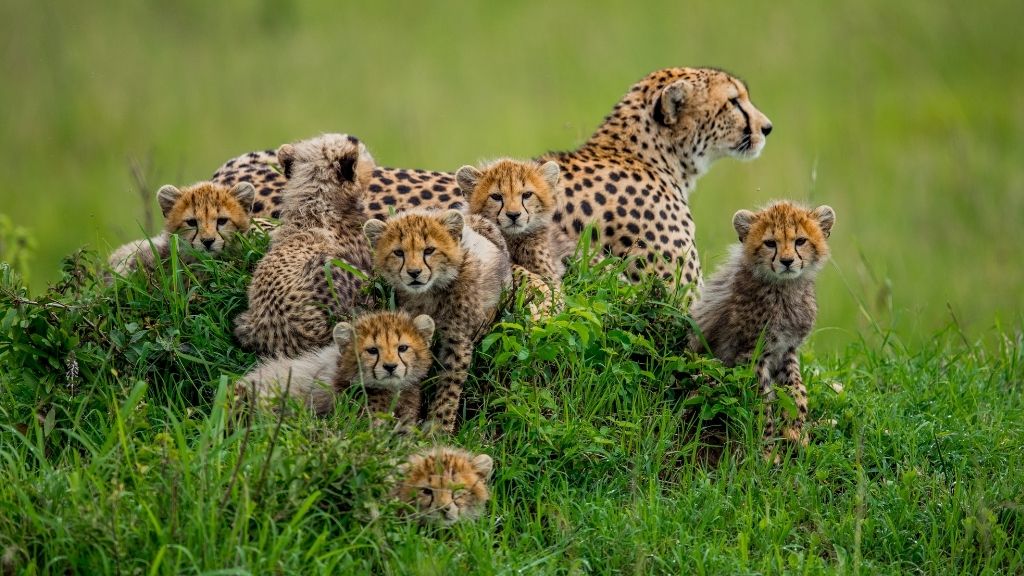
Cheetah Conservation Status: Are They Really Endangered?
Cheetahs are among Africa’s most extraordinary predators, famous for their remarkable speed, slender bodies, and specialised hunting abilities. Yet their impressive physical adaptations have not protected them from the growing pressures associated with habitat loss, declining prey populations, and conflict with people. Understanding cheetah conservation status endangered research reveals why these iconic cats require extensive habitats and coordinated conservation efforts.
The cheetah is currently classified as Vulnerable on the IUCN Red List at the species level, rather than Endangered. However, this classification does not mean that cheetahs face only minor conservation concerns. Their populations remain fragmented, many individuals live outside formally protected areas, and certain regional populations face particularly serious risks.
For safari travellers, learning about cheetah conservation provides important context for wildlife encounters. Observing a cheetah hunting across open grassland is a memorable experience, but the animal’s future depends on maintaining suitable habitats and reducing conflict with surrounding communities. Responsible tourism can contribute to conservation awareness and support initiatives that protect these remarkable predators.
Understanding the Cheetah’s Conservation Status
The International Union for Conservation of Nature evaluates species according to scientific information about population trends, geographical distribution, and threats. The IUCN Red List uses categories such as Vulnerable, Endangered, and Critically Endangered to describe different levels of extinction risk. These classifications help guide conservation priorities.
The cheetah is classified as Vulnerable at the species level, indicating that it faces a high risk of extinction in the wild under the assessment criteria. Some regional populations or subspecies face more severe circumstances. Conservation discussions should therefore distinguish between the global species assessment and the status of particular populations.
Scientific classifications may change as researchers obtain new information or population conditions develop. Travellers seeking precise figures should consult current assessments rather than relying on outdated estimates. Understanding these distinctions prevents confusion about the seriousness of cheetah conservation challenges.
Why Cheetahs Face Conservation Threats
Cheetahs require suitable habitats containing adequate prey and sufficient space for hunting, movement, and reproduction. Human activities can reduce these resources through agricultural expansion, infrastructure development, and habitat fragmentation. These changes may isolate populations and restrict natural movement.
Conflict with livestock owners creates additional challenges when cheetahs move beyond protected areas. Although cheetahs primarily hunt wild prey where suitable resources exist, livestock losses can occur under certain conditions. Retaliatory killing may then threaten local populations.
Other pressures include declining prey availability, illegal wildlife trade, and accidental mortality associated with human activities. These threats vary between regions, making locally appropriate conservation strategies essential. Protecting cheetahs requires cooperation across extensive landscapes.
How Many Cheetahs Remain in the Wild?
Cheetah population estimates vary according to assessment methods, geographical coverage, and the period studied. Widely cited conservation assessments have placed the global wild population at roughly several thousand mature and immature individuals, with approximately 7,000 often referenced in historical estimates. However, these figures should not be treated as exact current counts.
Monitoring cheetahs is challenging because they occur at relatively low densities and occupy extensive areas. Individuals may move beyond protected-area boundaries, making comprehensive surveys difficult. Researchers use camera traps, field observations, and other methods to estimate populations.
The uncertainty surrounding population figures reinforces the importance of continued research. Reliable monitoring helps conservation organisations identify declines and evaluate management strategies. Travellers should recognise that population estimates represent scientific approximations rather than complete censuses.
Where Cheetahs Live in Africa
Cheetahs occupy suitable savannah, grassland, and lightly wooded habitats across parts of eastern and southern Africa. Their distribution has contracted substantially from historical ranges. Remaining populations often occur in landscapes that include both protected areas and land used by people.
Southern Africa supports important cheetah populations, particularly in Namibia, Botswana, and South Africa. East African populations occur in countries such as Kenya and Tanzania. Smaller and more isolated populations survive in other regions.
Habitat conditions influence cheetah movements and hunting strategies. Open landscapes provide opportunities for rapid pursuit, but vegetation and terrain also affect prey availability. Protecting a variety of suitable habitats remains essential.
Why Cheetahs Need Large Territories
Cheetahs often occupy extensive home ranges because suitable prey and reproductive opportunities may be widely distributed. Their spatial requirements vary according to sex, habitat quality, and population density. Some individuals travel considerable distances while searching for food or mates.
Male cheetahs may establish territories or move across larger areas depending on social circumstances. Females often occupy broad ranges that provide suitable hunting opportunities and locations for raising cubs. These differences contribute to complex spatial relationships.
Large movement requirements make habitat fragmentation particularly damaging. Roads, fences, and expanding development can interrupt connections between populations. Conservation planning must therefore consider landscapes beyond national park boundaries.
The Importance of Namibia for Cheetah Conservation
Namibia has played an important role in cheetah conservation because substantial populations occur within landscapes shared with livestock farming and other human activities. The country provides opportunities to study coexistence between predators and rural communities. Conservation initiatives have developed strategies to reduce conflict and improve public understanding.
Organisations working in Namibia have supported research, education, and practical livestock protection measures. These efforts recognise that cheetahs frequently occupy areas outside formal reserves. Protecting the species requires solutions that support both wildlife and local livelihoods.
Travellers visiting Namibia can learn about cheetah conservation through credible educational initiatives and responsible wildlife experiences. However, facilities differ in their practices and objectives. Visitors should choose organisations that prioritise animal welfare and genuine conservation outcomes.
Cheetah Conservation in Botswana
Botswana supports important cheetah habitats across savannah and semi-arid landscapes. Protected areas such as the Central Kalahari Game Reserve and regions associated with the Okavango ecosystem provide opportunities for cheetah movement and hunting. Populations also occur outside national parks.
The country’s extensive landscapes offer potential advantages for wide-ranging predators. However, livestock farming and habitat fragmentation can still create conservation challenges. Community engagement remains essential in areas where cheetahs encounter domestic animals.
Safari tourism contributes to the economic importance of wildlife conservation in Botswana. Responsible operators can help raise awareness of predator ecology while supporting protected-area management. Travellers may observe cheetahs during guided game drives, although sightings remain unpredictable.
Cheetah Conservation in South Africa
South Africa supports cheetahs within national parks, private reserves, and managed conservation landscapes. Some populations benefit from carefully coordinated management programmes that help maintain genetic diversity and suitable population sizes. These efforts are particularly important where reserves are separated by fencing or development.
Conservation managers may coordinate transfers between suitable reserves under carefully controlled conditions. Such programmes require scientific assessment and ongoing monitoring. Their objective is to support viable populations rather than simply increase the number of animals available for tourism.
Travellers can encounter cheetahs in selected South African wildlife areas, including parts of the Kruger ecosystem and other suitable reserves. Choosing ethical operators helps ensure that wildlife experiences support conservation rather than unnecessary disturbance.
Cheetahs in Kenya and Tanzania
Kenya and Tanzania support important East African cheetah populations within savannah ecosystems. The Maasai Mara and Serengeti are particularly well known for cheetah sightings because their open grasslands provide suitable hunting habitats. These landscapes also support abundant antelope populations.
However, cheetahs face challenges associated with habitat fragmentation and competition with larger predators. Lions and hyenas may threaten cubs or displace cheetahs from kills. Human activities beyond protected areas create additional pressures.
Conservation programmes work to maintain suitable habitats and reduce conflict. Research into movement patterns helps identify important areas beyond reserve boundaries. Responsible safari tourism can contribute to these efforts through awareness and conservation funding.
Why Cheetah Cubs Face High Mortality
Cheetah cubs face substantial risks during their early development because they remain vulnerable to predators and environmental conditions. Lions, hyenas, and other carnivores may kill young cubs. Mothers must balance hunting requirements with the need to protect their offspring.
Female cheetahs often move cubs between sheltered locations during their early weeks. This behaviour may reduce the risk of discovery by predators. As cubs grow, they begin accompanying their mothers and learning essential hunting skills.
High cub mortality can influence population recovery, particularly when adult survival also faces pressure. Conservation strategies therefore need to protect suitable breeding habitats and reduce avoidable threats. Maintaining healthy ecosystems supports both mothers and offspring.
How Habitat Fragmentation Threatens Cheetahs
Habitat fragmentation occurs when development or land-use changes divide natural landscapes into smaller disconnected areas. For cheetahs, this can restrict movement between feeding areas and potential mates. Isolated populations may face increased genetic and demographic risks.
Fences, roads, and expanding settlements can create barriers to movement. Cheetahs may also encounter livestock or people when travelling between suitable habitats. These interactions can increase mortality and conflict.
Maintaining wildlife corridors helps connect populations across larger landscapes. Conservation planning must consider land ownership, community needs, and ecological requirements. Successful approaches often involve cooperation between multiple organisations and local residents.
Human-Cheetah Conflict and Livestock Protection
Conflict can arise when cheetahs prey on livestock or when farmers perceive them as threats. Such situations can lead to retaliatory killing, particularly where economic losses create substantial hardship. Conservation programmes must address these concerns rather than focusing exclusively on predator protection.
Practical measures may include improved livestock supervision, secure enclosures, and management practices suited to local conditions. Education can also help distinguish cheetah behaviour from that of other predators. Effective solutions depend on community participation.
Supporting rural livelihoods is essential for long-term coexistence. Communities need realistic incentives and resources to manage wildlife-related risks. Conservation efforts become more sustainable when local people benefit from maintaining healthy ecosystems.
The Illegal Wildlife Trade and Cheetahs
Illegal wildlife trade poses a serious threat to certain cheetah populations, particularly where cubs are captured for the foreign pet market. Removing young animals from the wild harms individual welfare and can affect already vulnerable populations. Transport and captivity also create substantial health risks.
International conservation agreements regulate trade in cheetahs and other threatened species. Enforcement efforts seek to prevent illegal capture and trafficking. Public awareness plays an important role in reducing demand.
Travellers should avoid attractions that promote inappropriate handling or ownership of cheetah cubs. Genuine conservation programmes prioritise natural behaviour and animal welfare. Ethical tourism helps discourage exploitative practices.
Can Captive Breeding Save Cheetahs?
Captive breeding can contribute to research, education, and certain conservation programmes, but it cannot replace the protection of wild habitats. Maintaining viable wild populations requires suitable prey, connected landscapes, and reduced human-wildlife conflict. Captive populations alone cannot fulfil these ecological needs.
Breeding programmes must consider genetic diversity, animal welfare, and realistic conservation objectives. Releasing captive-bred animals into the wild presents significant challenges because successful hunting and predator avoidance require specialised skills. Not every captive-bred cheetah is suitable for release.
Conservation organisations therefore evaluate captive breeding within broader management strategies. Travellers should be cautious about facilities that claim every captive animal contributes directly to wild population recovery. Transparent conservation outcomes provide a better basis for assessing such programmes.
How Cheetahs Differ from Other Big Cats
Cheetahs possess distinctive physical adaptations that support exceptional acceleration and rapid movement. Their slender bodies, flexible spines, and specialised claws distinguish them from lions and leopards. These characteristics contribute to their remarkable hunting abilities.
Unlike lions, cheetahs generally do not form large mixed-sex prides. Females usually live alone except when raising cubs, while males may form coalitions. Their social organisation influences territorial behaviour and reproductive opportunities.
Cheetahs also face different competitive pressures because larger predators can displace them from kills or threaten their young. Their survival strategies often involve avoiding direct confrontation. Understanding these differences helps explain their ecological vulnerability.
Where to See Cheetahs on Safari
Tanzania’s Serengeti National Park and Kenya’s Maasai Mara National Reserve provide excellent opportunities to observe cheetahs in open grassland habitats. Their landscapes support suitable prey and allow visitors to follow natural hunting behaviour from authorised safari routes. Sightings remain unpredictable.
Botswana’s Central Kalahari and selected Okavango-region habitats offer further possibilities. Namibia and South Africa also support cheetah populations in suitable reserves. The best destination depends on travel season, habitat conditions, and individual interests.
Travellers should select experienced guides who understand cheetah behaviour and responsible viewing practices. Vehicles should never interfere with hunts or surround vulnerable animals. Ethical encounters provide meaningful experiences while reducing disturbance.
How Safari Tourism Can Support Cheetah Conservation
Responsible safari tourism can generate revenue that supports protected-area management and local employment. Wildlife experiences also provide opportunities to educate visitors about habitat connectivity and human-wildlife conflict. These benefits can strengthen support for conservation.
However, poorly managed tourism can disturb hunting behaviour and increase stress on animals. Crowded vehicle encounters may interfere with cheetahs, particularly when they are hunting or caring for cubs. Operators must maintain appropriate viewing standards.
Travellers can support conservation by choosing ethical safari companies and avoiding exploitative wildlife interactions. Learning about local conservation initiatives adds depth to the experience. Responsible tourism helps demonstrate the value of protecting wild cheetahs.
The Future of Cheetah Conservation
The future of cheetahs depends on maintaining suitable habitats and reducing threats across their remaining range. Protected areas provide important refuges, but many individuals occupy landscapes shared with people. Conservation strategies must therefore extend beyond reserve boundaries.
Research, community partnerships, and effective wildlife management contribute to long-term protection. Maintaining movement corridors supports genetic exchange and access to suitable resources. Reducing illegal trade and retaliatory killing remains equally important.
Cheetahs demonstrate the challenges of conserving wide-ranging predators in changing landscapes. Their survival requires sustained cooperation between governments, conservation organisations, landowners, and communities. Protecting them also benefits broader savannah biodiversity.
Plan Your Safari
Cheetahs remain classified as Vulnerable at the species level, but their conservation challenges are serious and continuing. Habitat fragmentation, conflict with people, declining prey populations, and illegal wildlife trade threaten their long-term survival. Understanding these pressures helps travellers appreciate why responsible conservation remains essential.
Southern Africa Tours can arrange cheetah-focused safaris in Namibia, Botswana, South Africa, Tanzania, and Kenya. Our itineraries combine knowledgeable guides, carefully selected accommodation, and ethical wildlife-viewing opportunities. Contact Southern Africa Tours to plan a safari that celebrates Africa’s fastest land predator while supporting responsible wildlife tourism.