
Cape Buffalo Herd Behaviour
November 5, 2026
Canoe Through the Gorge
November 5, 2026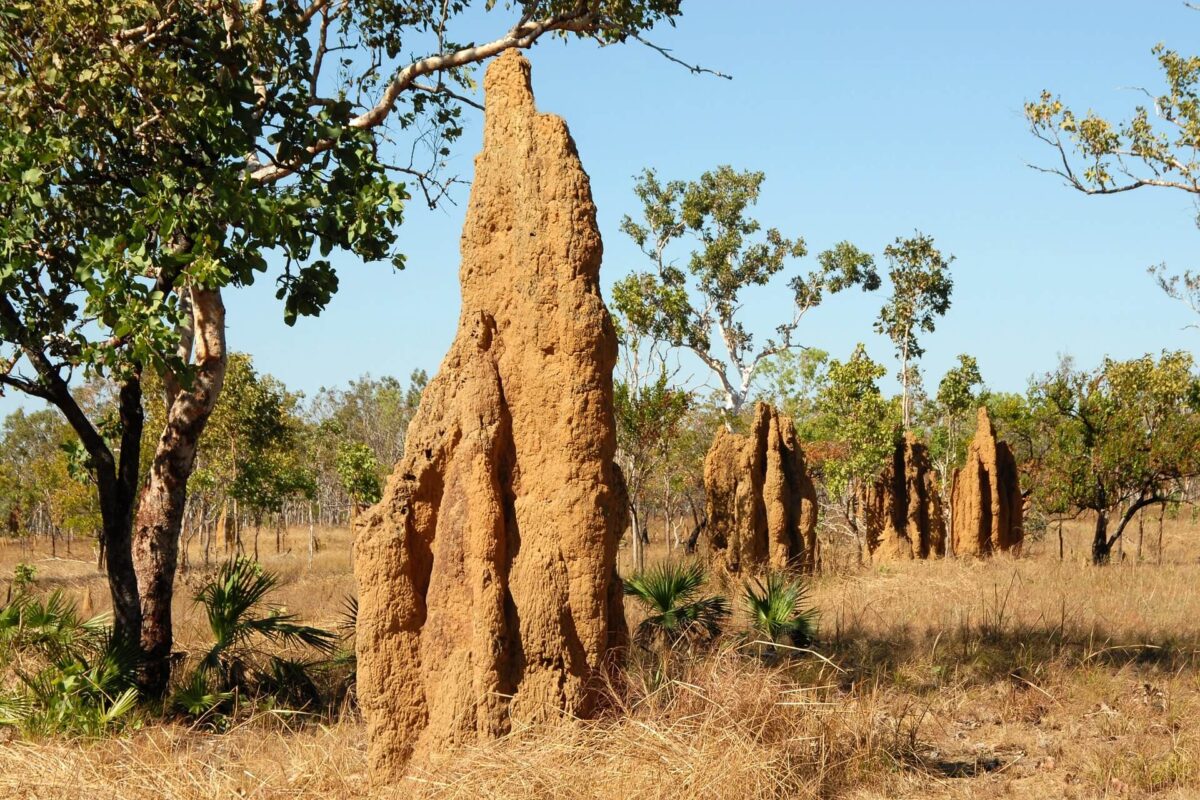
Termite Mounds in Africa: Why Guides Are Obsessed with Them
Termite mounds are among the most remarkable natural structures found across African savannahs, woodlands, and grasslands. These towers of soil can rise prominently above the surrounding landscape, creating distinctive landmarks that attract the attention of safari guides and wildlife enthusiasts. Although they may appear to be simple piles of earth, termite mounds form part of sophisticated colonies that influence soil conditions, vegetation, and the wider ecosystem.
Understanding termite mounds Africa safari guide knowledge reveals why experienced naturalists frequently stop to examine these structures during wildlife excursions. Termites are small insects, but their collective activity can transform landscapes over many years. Their nests provide shelter, regulate internal conditions, and create opportunities for other animals.
For safari travellers, termite mounds offer a fascinating introduction to the ecological processes that operate beyond Africa’s large mammals. A mound may support a colony containing numerous individuals, while the surrounding vegetation attracts grazing animals, birds, reptiles, and predators. Observing these relationships helps visitors appreciate the complexity of African ecosystems.
Understanding What Termite Mounds Are
Termite mounds are structures created by certain termite species using soil, saliva, and other materials. They form part of extensive nest systems that may include underground chambers, tunnels, and specialised areas for colony activities. The visible mound represents only one component of the colony’s architecture.
Not every termite species builds large above-ground mounds. Some occupy wood, underground nests, or less conspicuous structures. Mound-building behaviour varies according to species and environmental conditions.
The size and shape of a mound reflect construction behaviour, colony age, and local ecological factors. Some mounds remain relatively small, while others develop into substantial towers. Their complexity demonstrates the collective abilities of social insects.
How Termites Build Their Mounds
Termites construct mounds through repeated movements of small quantities of soil and other materials. Workers collect particles, transport them, and place them within the developing structure. Their coordinated activity gradually creates walls, chambers, and passageways.
Construction occurs over extended periods as colonies expand and respond to environmental conditions. Termites may repair damaged sections or modify structures to maintain suitable internal environments. Their behaviour depends on local temperature, moisture, and colony requirements.
The resulting architecture can appear remarkably sophisticated despite the absence of a central builder directing every movement. Individual termites respond to environmental cues and the activity of other colony members. These processes produce complex structures through collective behaviour.
Why Termite Mounds Can Become So Large
Some termite colonies persist for many years, allowing their structures to grow gradually. Continued construction and repair can produce substantial mounds that dominate the surrounding landscape. The final size depends on species, environmental conditions, and colony history.
Large mounds may contain extensive internal networks rather than one open chamber. Their walls and passageways support movement and help regulate internal conditions. The visible structure often connects with underground areas.
Mound size does not necessarily provide a simple measure of the number of termites currently living inside. Some large structures may contain declining colonies or become abandoned. Guides examine additional signs before interpreting activity.
The Social Structure of Termite Colonies
Termites are social insects that live in organised colonies containing individuals with different roles. Workers perform activities such as feeding, construction, and nest maintenance. Soldiers help defend the colony against threats.
Reproductive individuals contribute to colony continuity. In many species, a queen and king play important roles in reproduction, although colony organisation varies. Their presence supports the production of new individuals over time.
The division of labour allows termite colonies to perform complex tasks efficiently. Workers maintain the nest while other individuals defend or reproduce. These relationships demonstrate how cooperation can shape insect societies.
How Termite Mounds Regulate Temperature
Many termite colonies require relatively stable internal conditions for survival and, in some species, the cultivation of symbiotic fungi. Mound architecture can influence airflow, moisture, and temperature. These functions have attracted considerable scientific interest.
Researchers have investigated how mound walls, tunnels, and openings interact with changing external conditions. Some structures support ventilation through temperature-driven air movement and other physical processes. However, the mechanisms differ between termite species and mound designs.
The idea that every termite mound operates through one universal ventilation system is inaccurate. Different species construct different architectures. Understanding these variations provides a more realistic appreciation of termite engineering.
Why Some Termites Grow Fungus
Certain African termites cultivate symbiotic fungi within their nests. These fungi help process plant material and contribute to the colony’s nutrition. The relationship represents an extraordinary example of cooperation between different organisms.
Workers collect plant material and bring it into the nest, where it contributes to specialised fungal structures. The fungi break down components that termites would otherwise struggle to digest efficiently. This process supports the colony’s food requirements.
Fungus-growing termites require suitable environmental conditions for their cultivated fungi. Nest architecture helps maintain these conditions. Their farming behaviour demonstrates the ecological sophistication of social insects.
Termite Mounds and Soil Fertility
Termites influence soil structure by transporting particles and organic material between different layers. Their activities can change soil texture, nutrient distribution, and water movement. Mounds sometimes create local conditions that differ from surrounding soils.
Vegetation growing on or near termite mounds may benefit from these altered conditions. Certain plants can become more abundant around mounds, creating patches of distinctive vegetation. The effects vary according to termite species, soil type, and climate.
These changes contribute to landscape diversity. Termites therefore influence ecosystems far beyond their nests. Their role in soil processes makes them important ecological engineers.
Why Trees Grow Around Termite Mounds
Termite mounds can create favourable conditions for some trees and shrubs because of changes in soil nutrients, moisture, and structure. These effects may support plant growth in landscapes where surrounding soils differ. The resulting vegetation can create noticeable patches.
However, not every mound supports lush vegetation. Plant responses depend on local environmental conditions and termite activity. Some mounds remain relatively bare, while others become associated with shrubs or trees.
Safari guides often use these vegetation patterns to explain ecological relationships. A mound surrounded by distinctive plants can reveal how insects influence larger landscape features. These observations demonstrate the importance of looking beyond familiar wildlife.
How Termite Mounds Support Other Animals
Termite mounds can provide shelter, feeding opportunities, and elevated observation points for numerous animals. Their structures create small habitats within broader savannah landscapes. Different species use them in different ways.
Some mammals investigate abandoned mounds or use nearby burrows for shelter. Reptiles may bask on exposed surfaces, while birds perch on elevated sections. Predators can also use mound positions to survey surrounding terrain.
The ecological importance of a mound therefore extends beyond the termites that constructed it. Its physical structure can remain useful even after the original colony declines. These relationships make termite mounds valuable components of biodiversity.
Aardvarks and Their Relationship with Termites
Aardvarks are specialised insect-eating mammals that feed extensively on ants and termites. Their powerful claws allow them to excavate suitable insect colonies, while their long tongues collect prey. Their feeding behaviour makes them closely connected to termite ecology.
Aardvarks may investigate termite mounds or underground nests while searching for food. Their excavations can create burrows and openings later used by other animals. These activities contribute to habitat diversity.
Aardvarks are often nocturnal, making natural sightings relatively uncommon. Guides may identify signs of their activity even when the animals remain hidden. Termite structures therefore provide clues about other wildlife.
Pangolins and Termite Feeding
Pangolins also feed primarily on ants and termites, using specialised tongues and powerful claws to access insect colonies. Their diets connect them closely to the health of termite populations. Different pangolin species exploit different habitats and insect resources.
Unlike aardvarks, pangolins possess protective scales that help defend them against predators. Their feeding behaviour remains highly specialised. They may investigate soil, vegetation, and nests while searching for suitable insects.
Pangolins face serious conservation threats, particularly from illegal wildlife trade. Understanding their relationship with termites helps explain why habitat protection matters. Healthy insect communities support these remarkable mammals.
Birds That Use Termite Mounds
Birds may use termite mounds as perches, nesting locations, or feeding areas. Elevated structures provide observation points above surrounding vegetation. Some species investigate the insects and other small animals associated with mound environments.
Certain birds may nest in suitable cavities or structures connected with termite activity. Their use of mounds depends on local habitat conditions and available nesting opportunities. These relationships contribute to the diversity of savannah birdlife.
Birdwatchers can benefit from observing termite mounds during guided excursions. The structures may attract species that otherwise remain difficult to locate. Patience often reveals interesting behaviour.
Reptiles Around Termite Mounds
Termite mounds can provide basking surfaces and shelter for reptiles. Lizards may use exposed areas to absorb warmth, while snakes can investigate cavities or surrounding vegetation. Their activity depends on temperature, prey availability, and habitat conditions.
Some reptiles exploit abandoned termite structures as refuges. The tunnels and cavities may offer protection from extreme weather or predators. These features can remain useful long after construction ends.
Guides should avoid disturbing mound interiors or attempting to remove reptiles for visitor photographs. Responsible observation protects both animals and their habitats. The most meaningful encounters occur naturally.
Why Safari Guides Pay Attention to Termite Mounds
Experienced safari guides recognise termite mounds as indicators of ecological activity. Their presence can reveal information about soil conditions, vegetation, and the animals using nearby habitats. Guides may also recognise familiar mound locations within their operating areas.
The structures provide opportunities to explain relationships between insects, plants, herbivores, and predators. A short stop beside a mound can introduce visitors to ecological processes that conventional game drives sometimes overlook. These explanations enrich the safari experience.
Termite mounds can also serve as convenient visual landmarks in open landscapes. However, guides should not rely on them as substitutes for proper navigation. Their educational value remains their most important contribution to wildlife interpretation.
Can Termite Mounds Help Locate Wildlife?
Animals sometimes use termite mounds as observation points, shelters, or feeding areas. Guides may therefore examine suitable mound environments for signs of activity. However, the presence of a mound does not guarantee wildlife sightings.
Lions, cheetahs, and other predators may occasionally use elevated ground to observe surrounding areas. Birds and smaller mammals can also exploit the structures. These opportunities depend on habitat and individual behaviour.
Understanding the ecological relationships surrounding mounds improves observation skills. Rather than treating each structure as an isolated object, travellers can examine the wider environment. This approach often reveals subtle wildlife activity.
Termite Mounds During the Rainy Season
Rainfall influences termite activity, soil moisture, and vegetation growth. Some species become more active near the surface under suitable conditions. Seasonal changes may also influence construction and repair.
After rain, termite colonies may respond to changes in moisture and nest structure. Their activities help maintain suitable internal conditions. The surrounding vegetation may also become more productive.
Certain termite species produce winged reproductive individuals during seasonal swarming events. These insects may emerge in large numbers under favourable conditions. Their appearance attracts birds, reptiles, and other insect-eating animals.
Flying Termites and Seasonal Swarms
Winged termites, often called alates, leave established colonies during reproductive flights. These events allow individuals to disperse and potentially establish new colonies. Their timing depends on species and environmental conditions.
Seasonal swarms can provide abundant food for birds, amphibians, reptiles, and mammals. Predators may gather to exploit the temporary concentration of insects. These events demonstrate how termite reproduction influences wider food webs.
Not every swarm results in successful colony establishment. Many individuals become prey or fail to find suitable conditions. Their reproductive strategy nevertheless allows termite populations to spread across suitable habitats.
Are Termite Mounds Still Active?
A large termite mound may contain an active colony, a declining population, or no termites at all. External appearance alone does not always reveal its condition. Guides may look for signs of fresh construction or other activity without damaging the structure.
Some abandoned mounds remain standing for extended periods because their walls possess considerable durability. Other animals may occupy cavities or use the surrounding habitat. Their ecological value can therefore continue after the termites disappear.
Visitors should avoid breaking open mounds to investigate them. Such actions can damage active colonies and disturb other wildlife. Responsible guiding relies on observation and ecological knowledge.
Termite Mounds and African Architecture
The environmental regulation associated with some termite mounds has inspired interest in building design. Architects and engineers have studied natural ventilation and temperature management in termite structures. These investigations contribute to broader discussions about energy-efficient design.
However, popular descriptions sometimes oversimplify the relationship between termite mounds and human buildings. Different termite species use different environmental strategies, and architectural applications require careful engineering. Inspiration does not mean that buildings directly copy every aspect of mound function.
The scientific interest demonstrates the importance of studying natural systems. Termite colonies have evolved complex structures through collective behaviour. Their architecture offers valuable questions for biology and engineering.
Where to See Impressive Termite Mounds in Africa
Botswana’s Okavango Delta and surrounding savannah landscapes contain termite mounds that contribute to habitat diversity. Some areas support substantial structures associated with distinctive vegetation. Guided excursions can reveal their ecological significance.
Namibia’s savannah and woodland regions also provide opportunities to observe termite activity. South Africa’s Kruger National Park contains termite mounds across suitable habitats. Zambia and Zimbabwe support further examples within their protected landscapes.
The appearance and size of mounds vary according to species and local conditions. Travellers interested in natural history may benefit from guided walking safaris where permitted. These experiences allow closer observation without damaging the structures.
Photographing Termite Mounds on Safari
Termite mounds provide attractive landscape subjects because of their distinctive shapes and textures. Photographers can include surrounding trees, grasslands, or wildlife to illustrate their ecological context. Early morning and late-afternoon light often emphasise surface details.
Close-up photographs may reveal construction patterns and signs of insect activity. However, visitors should avoid breaking mound surfaces or disturbing colonies. Responsible photography preserves natural structures.
A wider composition can demonstrate how termite mounds influence vegetation and landscape patterns. These images tell a broader ecological story. Their value extends beyond the dramatic appearance of individual towers.
Why Termite Conservation Matters
Termites contribute to decomposition, nutrient cycling, soil structure, and food webs. Their activities support ecological processes that influence plants and animals across African landscapes. Protecting healthy habitats allows these relationships to continue.
Habitat destruction, pollution, and environmental changes can affect termite communities. Their responses vary between species and ecosystems. Research into termite ecology helps scientists understand broader environmental processes.
Safari tourism often focuses on large mammals, but smaller organisms sustain many of the habitats those animals depend on. Termites demonstrate the importance of conserving entire ecosystems. Their role deserves recognition within wildlife education.
Plan Your Safari
Termite mounds reveal the remarkable engineering abilities of social insects and their influence on African ecosystems. Through construction, soil modification, nutrient cycling, and habitat creation, termites contribute to the environments that support larger wildlife. Their structures provide fascinating opportunities to understand ecological relationships during safari excursions.
Southern Africa Tours can arrange guided wildlife experiences in Botswana, Namibia, South Africa, Zambia, and other destinations where termite mounds form part of the natural landscape. Our itineraries combine knowledgeable guides, responsible wildlife viewing, and opportunities to explore Africa’s biodiversity beyond the Big Five. Contact Southern Africa Tours to plan a safari that uncovers the remarkable natural engineering of African termites.