
Leopard Territory
November 5, 2026
Lion Social Behaviour
November 5, 2026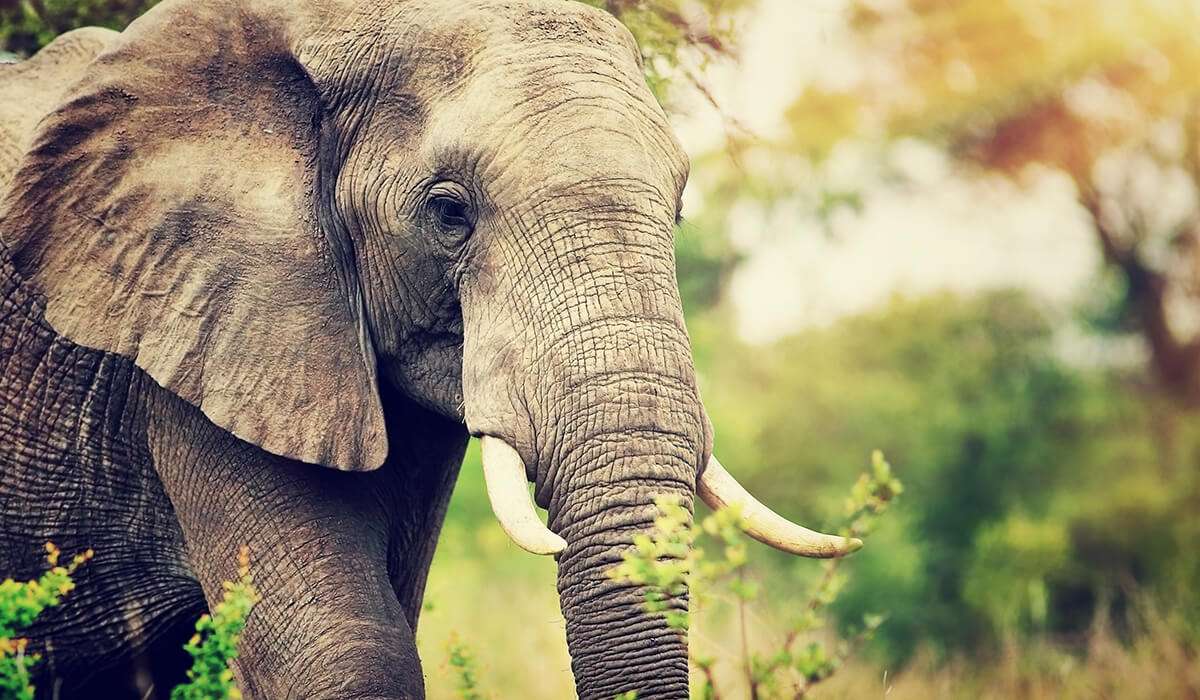
Elephant Intelligence: What Research Reveals About Africa’s Gentle Giants
African elephants are among the most intelligent land mammals, displaying remarkable abilities in memory, communication, social learning, and problem-solving. Their intelligence develops through complex family relationships and years of experience navigating changing environments. Research into elephant intelligence has revealed sophisticated behaviour that continues to challenge traditional assumptions about animal cognition.
Elephants do far more than remember the location of water or recognise familiar members of their herds. They respond to social relationships, distinguish between different sounds, investigate unfamiliar objects, and adjust their behaviour according to circumstances. These abilities make elephants particularly fascinating animals to observe during an African wildlife safari.
Understanding elephant intelligence research in Africa also reveals why conservation must protect more than individual animals. Elephant populations depend on social knowledge that older individuals pass to younger generations, particularly when navigating difficult environmental conditions. Protecting family structures and migration corridors therefore contributes to the long-term survival of these extraordinary mammals.
Understanding the Intelligence of African Elephants
African elephants possess large and highly developed brains that support complex behaviour and sophisticated social interactions. Their brains contain specialised structures associated with memory, sensory processing, and learning, although brain size alone does not determine intelligence. Researchers examine elephant cognition through controlled experiments and long-term observations of wild populations.
Elephants demonstrate intelligence through their ability to adapt to changing conditions and respond appropriately to social situations. They can distinguish between familiar and unfamiliar individuals, investigate objects using their trunks, and learn from repeated experiences. These behaviours reveal a flexible approach to navigating the challenges of life in the African wilderness.
The intelligence of elephants becomes particularly apparent when researchers observe them over several years. Individual animals develop recognisable personalities and different responses to unfamiliar situations. Long-term studies provide opportunities to understand how experience influences decision-making throughout an elephant’s life.
How Elephant Memory Helps Herds Survive
Elephant memory plays an important role in survival, particularly in regions where rainfall and food availability change between seasons. Experienced elephants can retain knowledge of water sources, feeding areas, and routes that connect different habitats. This information becomes especially valuable during droughts when familiar resources become scarce.
Older females often possess extensive knowledge of the landscapes their families occupy. Their experience can help groups respond to environmental challenges and locate resources across large territories. Younger elephants benefit from travelling alongside these knowledgeable individuals and gradually learning the routes and behaviours necessary for survival.
Memory also contributes to social recognition because elephants encounter many individuals throughout their lives. Researchers have observed that elephants distinguish familiar companions from unfamiliar animals and adjust their responses accordingly. These abilities help maintain social relationships within populations that may spread across extensive landscapes.
The Role of Matriarchs in Elephant Families
African elephant families generally revolve around related females and their offspring, with an experienced female often leading the group. Researchers refer to this influential individual as the matriarch because her knowledge and decisions can shape family movements. Her leadership becomes particularly important when the herd encounters unfamiliar situations or environmental pressures.
Matriarchs use experience to assess potential threats and guide family responses. Studies suggest that older matriarchs may perform better at recognising certain social and environmental dangers. Their ability to interpret situations can influence the safety and stability of the entire family.
The loss of experienced females can therefore affect more than the number of elephants within a population. It may also remove valuable knowledge accumulated over decades. Conservation programmes that protect older elephants help preserve social relationships and behavioural traditions.
How Elephants Communicate Across Long Distances
Elephants communicate through a sophisticated combination of sounds, body movements, touch, and chemical signals. Their vocalisations include low-frequency rumbles that can travel considerable distances under suitable environmental conditions. These sounds help individuals maintain contact and coordinate movements when vegetation or distance prevents visual communication.
Researchers have identified differences in elephant vocalisations associated with social circumstances and emotional states. Some calls appear to convey information about the identity of the caller or the nature of a situation. Ongoing research continues to investigate how elephants recognise and interpret these signals.
Elephants also communicate through physical contact, particularly within close family groups. Mothers touch calves with their trunks, while related individuals may greet one another through gentle contact. These interactions strengthen social relationships and provide reassurance during unfamiliar situations.
Can African Elephants Recognise Human Voices?
Research has shown that elephants can distinguish certain human voices and respond differently according to previous experience and perceived risk. In one influential study involving African elephants in Kenya, researchers found that elephants responded differently to recordings of people from communities associated with different levels of threat. The findings suggest that elephants can use acoustic information to assess potential danger.
These abilities demonstrate the importance of learning in elephant behaviour. Animals living near settlements may encounter people frequently and develop responses based on their experiences. Their reactions can therefore vary between populations and environments.
Understanding these responses has practical conservation implications. Wildlife managers can use knowledge of elephant behaviour to develop better strategies for reducing conflict between elephants and nearby communities. Protecting both people and animals requires attention to the ways elephants perceive and respond to human activity.
Elephant Problem-Solving and Tool Use
Elephants demonstrate problem-solving abilities when they encounter obstacles or unfamiliar objects. Their trunks allow them to investigate materials, manipulate objects, and perform tasks that require coordination. Researchers have observed elephants using branches and other objects in ways that help them respond to environmental challenges.
Experiments have also explored how elephants cooperate to obtain rewards. Some studies suggest that elephants can recognise when a task requires another individual’s participation. These findings contribute to a growing understanding of cooperation and social cognition in large mammals.
However, researchers remain careful when interpreting individual behaviours as evidence of human-like reasoning. A successful task may involve learning, experience, or other cognitive processes that require further investigation. Scientific studies therefore examine elephant intelligence through repeated observations and carefully designed experiments.
Do Elephants Experience Grief and Empathy?
Elephants sometimes display unusual interest in the remains of other elephants, including bones and tusks. Researchers have documented individuals touching remains with their trunks and remaining near deceased companions. These observations suggest that elephants respond to death in ways that deserve careful scientific investigation.
Family members may also show heightened attention towards distressed calves or injured individuals. Adults sometimes gather around vulnerable animals and use physical contact during difficult situations. Such behaviour reflects the importance of social relationships within elephant families.
Scientists remain cautious about assigning specific human emotions to these observations because animal experiences cannot be measured directly. Nevertheless, the behaviour demonstrates that elephants maintain complex social bonds and respond to the circumstances of other individuals. These relationships make the disruption of family groups a significant welfare and conservation concern.
How Young Elephants Learn from Their Families
Elephant calves depend on their mothers and other family members for protection, nourishment, and behavioural learning. Their early years involve constant interaction with older elephants as they explore the environment and develop social skills. This extended period of learning contributes to the complexity of elephant family life.
Young elephants gradually learn how to use their trunks effectively, recognise social signals, and navigate different habitats. They also observe how experienced individuals respond to predators, unfamiliar animals, and changing environmental conditions. These lessons help prepare them for independent decision-making later in life.
Play provides another important opportunity for learning. Calves chase one another, investigate objects, and practise movements that may contribute to physical coordination and social development. Safari visitors often enjoy watching these interactions because they reveal the energetic and curious nature of young elephants.
Elephant Intelligence and Human-Wildlife Conflict
Elephants sometimes move beyond protected areas in search of food and water, creating challenges for nearby farming communities. Their ability to learn and remember routes can make conventional barriers less effective when animals discover alternative paths. Conservation strategies must therefore account for elephant behaviour rather than relying exclusively on physical restrictions.
Researchers and conservation organisations have investigated methods that use elephants’ natural responses to particular stimuli. Beehive fences, for example, have shown promise in some settings because elephants may avoid active bee colonies. The effectiveness of these approaches depends on local conditions, maintenance, and community participation.
Successful conflict management requires cooperation between wildlife authorities and residents. Communities need practical ways to protect crops and livelihoods, while elephants require access to suitable habitats and movement corridors. Understanding elephant intelligence can help create solutions that support both conservation and human well-being.
Where to Observe Elephant Behaviour in Africa
Several African safari destinations provide excellent opportunities to observe elephant families and their complex behaviour. Botswana’s Chobe National Park is particularly famous for large elephant populations and riverfront encounters. Visitors may watch family groups drinking, bathing, and interacting along the Chobe River during guided game drives or boat excursions.
Amboseli National Park in Kenya offers another outstanding setting for elephant observation. Long-term research has contributed significantly to scientific knowledge about elephant family relationships and individual behaviour in this ecosystem. The park’s open landscapes also provide opportunities to watch elephants moving against the backdrop of Mount Kilimanjaro when visibility permits.
South Africa’s Addo Elephant National Park and Kruger National Park support important elephant populations, while Namibia’s Etosha National Park provides opportunities to observe elephants around waterholes. Zambia’s South Luangwa and Lower Zambezi regions offer further possibilities for watching elephants in varied habitats. The best destination depends on the desired safari experience, travel season, and broader itinerary.
Responsible Elephant Watching on Safari
Responsible elephant watching begins with respecting the animals’ space and natural behaviour. Safari guides should maintain appropriate distances and avoid blocking routes that elephants use to move between feeding and watering areas. Travellers should never attempt to attract elephants with food or encourage reactions for photographs.
Elephants communicate discomfort through changes in posture, movement, and other behavioural signals. Experienced guides recognise these signs and adjust vehicle positions when necessary. Their knowledge helps protect visitors while reducing unnecessary stress on wildlife.
Travellers can also support conservation by choosing operators that follow established wildlife-viewing guidelines. Tourism revenue can contribute to protected-area management and local employment when organisations manage activities responsibly. Ethical safari experiences allow visitors to appreciate elephant intelligence without interfering with the animals’ daily lives.
Why Elephant Conservation Matters
African elephants face threats from habitat loss, fragmentation, illegal killing, and conflict with people. These pressures affect populations differently across the continent, making regional conservation strategies essential. Protecting elephants requires suitable habitats, effective law enforcement, and cooperation with communities living near wildlife areas.
Their ecological influence also makes them important to many African landscapes. Elephants disperse seeds, modify vegetation, and create opportunities for other species through their feeding and movement. These activities can shape habitats over long periods.
Conservation must also recognise the importance of elephant social structures. Protecting experienced individuals and maintaining connections between family groups helps preserve behavioural knowledge. Healthy elephant populations depend on ecological conditions and the continuity of complex social relationships.
Plan Your Safari
Elephant intelligence reveals the extraordinary complexity of one of Africa’s most recognisable mammals. Their memory, communication, social learning, and problem-solving abilities demonstrate why elephant encounters can become some of the most meaningful experiences on safari. Watching elephants interact naturally provides an opportunity to appreciate their intelligence while understanding the importance of protecting their habitats and families.
Southern Africa Tours can arrange elephant-focused safaris in Botswana, Namibia, South Africa, Zambia, and other outstanding African destinations. Our itineraries combine knowledgeable guides, carefully selected accommodation, and responsible wildlife experiences. Contact Southern Africa Tours to plan a journey that brings you closer to Africa’s remarkable elephants.