Graskop Panorama Route Guide
November 3, 2026
Kasane Botswana Guide
November 4, 2026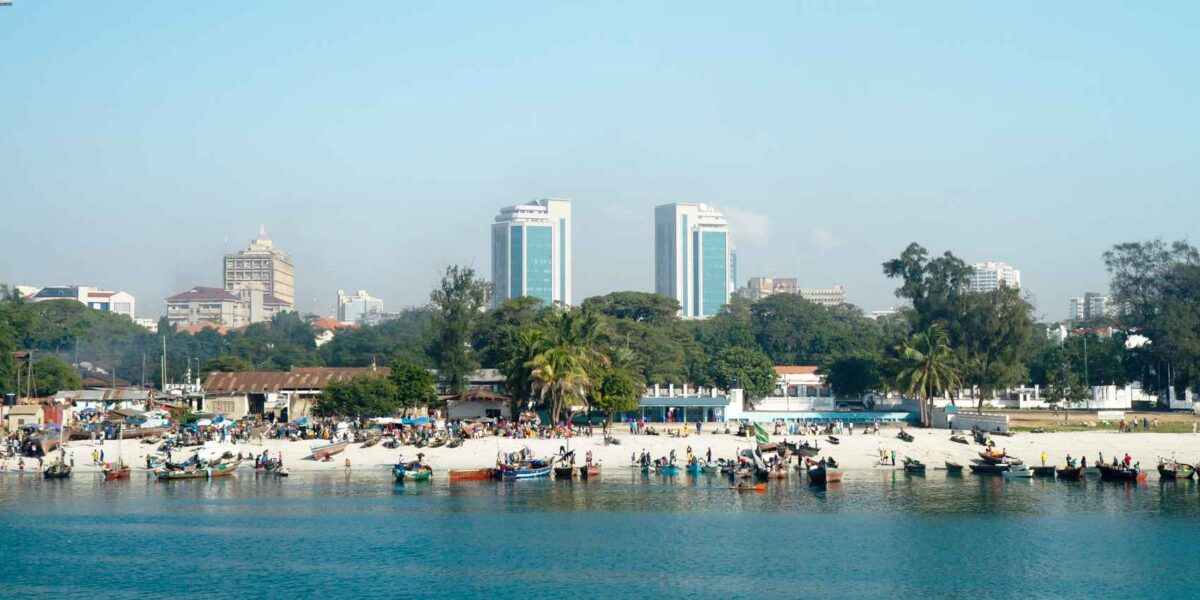
Dar es Salaam, Tanzania Guide: Gateway to Island & Safari
Dar es Salaam is one of East Africa’s most important coastal cities. Its busy harbor, Indian Ocean beaches, colorful markets, and cultural diversity create a lively introduction to Tanzania.
Although Dodoma serves as Tanzania’s official capital, Dar es Salaam remains a major commercial center and international travel gateway. Many visitors pass through the city on their way to Zanzibar, southern Tanzania’s national parks, or other destinations across the country.
However, Dar es Salaam deserves more than a brief airport stop. Its historic neighbourhoods, seafood restaurants, cultural attractions, and coastal excursions provide a rewarding urban experience.
This Dar es Salaam, Tanzania, city guide explores the city’s attractions, history, accommodation, food, transport connections, and opportunities to combine a coastal stay with a wildlife safari.
Where Is Dar es Salaam Located?
Dar es Salaam lies on Tanzania’s eastern coastline beside the Indian Ocean. Its natural harbor has helped establish the city as a major regional center for trade and transport.
The city occupies a coastal landscape of beaches, bays, residential districts, and commercial neighborhoods. Its warm tropical climate influences everyday life and tourism activities.
Dar es Salaam provides important connections to Zanzibar and other Indian Ocean destinations. Ferries and flights link the mainland with the islands.
The city also connects with Tanzania’s inland wildlife regions through domestic flights and road networks.
Its location makes it especially useful for travelers planning a combination of beach relaxation, cultural sightseeing, and wildlife encounters.
The History of Dar es Salaam
Dar es Salaam developed as a coastal settlement during the nineteenth century. Sultan Majid bin Said of Zanzibar played an important role in establishing the town as a trading center.
German colonial administration later contributed to the city’s expansion through infrastructure, port development, and government institutions.
Following the First World War, British administration influenced the city’s continued development.
Tanzania gained independence through the independence of Tanganyika in 1961 and its subsequent union with Zanzibar in 1964. Dar es Salaam remained central to the country’s commercial and political life.
Although Tanzania designated Dodoma as its capital, Dar es Salaam continues to host major businesses, diplomatic activities, and transport services.
The city’s history reflects African, Arab, Indian, and European influences. These connections remain visible in its architecture, cuisine, languages, and commercial traditions.
Best Things to Do in Dar es Salaam
Visit the National Museum
The National Museum in Dar es Salaam introduces visitors to Tanzania’s historical, cultural, and natural heritage.
Its exhibitions have included archaeological discoveries, ethnographic collections, and displays related to the country’s political development.
Travellers interested in Tanzania’s wildlife destinations may appreciate learning about the country’s broader natural history before beginning their safari.
The museum also provides context for the different communities and historical periods that shaped modern Tanzania.
Visitors should confirm current opening hours and exhibition arrangements before travelling.
Explore the Village Museum.
The Village Museum offers an introduction to traditional Tanzanian architecture and cultural practices.
The site features examples of traditional houses associated with different communities across the country.
Cultural demonstrations and educational activities may help visitors understand regional building techniques, customs, and artistic traditions.
The museum provides an accessible way to explore Tanzania’s cultural diversity without travelling to every region represented.
Travellers should approach demonstrations respectfully and recognise that living cultures extend far beyond museum displays.
Discover Kariakoo Market.
Kariakoo is one of Dar es Salaam’s busiest commercial districts. Its markets and surrounding streets reveal the energy of everyday urban trade.
Traders sell clothing, household goods, food products, and numerous other items.
The area’s busy atmosphere can feel overwhelming for first-time visitors. A knowledgeable local guide can help travelers navigate the streets and understand the market’s commercial importance.
Visitors should secure valuables and remain aware of their surroundings in crowded areas.
Kariakoo offers an authentic perspective on the city’s economy and social life, especially for travelers interested in local culture.
Explore the Waterfront
Dar es Salaam’s waterfront reflects its identity as a major Indian Ocean port.
The harbor supports commercial shipping, passenger transport, and connections with nearby islands.
Visitors can observe the city’s maritime atmosphere from suitable public areas and established waterfront venues.
The waterfront also provides opportunities to understand the historical relationship between Tanzania and Indian Ocean trade networks.
Port operations involve restricted areas, so travelers should remain within authorized visitor spaces.
Beaches Near Dar es Salaam
Coco Beach
Coco Beach, on the Msasani Peninsula, is a popular recreational area for local residents and visitors.
The beach attracts people who enjoy coastal views, social gatherings, and the relaxed atmosphere of the Indian Ocean.
Its lively character provides an opportunity to experience local leisure culture.
Swimming conditions vary, and visitors should follow current local advice about water safety.
Mbudya Island
Mbudya Island offers a quieter coastal escape from the city.
Visitors can enjoy sandy beaches, clear-water scenery, and opportunities for relaxation.
Boat excursions operate from suitable departure points, depending on weather and local arrangements.
The island forms part of a protected marine environment, so visitors should respect conservation rules and avoid damaging coral or other habitats.
Bongoyo Island
Bongoyo Island provides another popular day-trip option near Dar es Salaam.
Its beaches and coastal environment attract visitors seeking time away from urban activity.
Boat transfers and island facilities vary, so travelers should confirm departure arrangements before visiting.
Responsible tourism practices help protect the marine environment and preserve the island’s appeal.
Food and Restaurants in Dar es Salaam
Dar es Salaam’s cuisine reflects its position along the Swahili Coast. African, Arab, Indian, and other culinary influences contribute to the city’s food culture.
Seafood plays an important role in many coastal dishes. Grilled fish, prawns, and coconut-based preparations appear alongside rice, chapati, and local vegetables.
Pilau and biryani reflect the historical connections between East Africa and Indian Ocean trading communities.
Street food provides another opportunity to experience local flavors. Travellers may encounter grilled meats, cassava snacks, fresh fruit, and other popular foods.
Visitors should choose establishments with good hygiene practices, particularly when purchasing seafood or food prepared outdoors.
Restaurants range from casual neighborhood eateries to upscale establishments overlooking the ocean.
Culture and Everyday Life
Dar es Salaam brings together people from different parts of Tanzania and beyond.
Swahili serves as the main language of everyday communication, while English plays an important role in tourism, business, and some professional settings.
The city’s cultural diversity appears in its food, religious institutions, markets, music, and neighborhood traditions.
Visitors who learn simple Swahili greetings often find that conversations become more welcoming.
Respectful clothing and behavior remain important when visiting religious sites or culturally conservative neighborhoods.
The city also has an active contemporary arts and entertainment scene. Music, visual arts, and cultural events contribute to its modern identity.
Where to Stay in Dar es Salaam
Accommodation ranges from international-standard hotels to boutique guesthouses and serviced apartments.
Travellers planning a short transit stay often choose properties with convenient airport access.
Those interested in coastal views and restaurants may prefer accommodation around the Msasani Peninsula or other established waterfront districts.
Central hotels can provide convenient access to commercial areas, ferry terminals, and historic attractions.
When choosing accommodation, consider traffic conditions. Dar es Salaam can experience substantial congestion, particularly during busy commuting periods.
Reliable airport transfers and flexible departure arrangements can reduce travel stress.
Best Time to Visit Dar es Salaam
Dar es Salaam has a tropical coastal climate with warm temperatures throughout the year.
The relatively cooler and drier months from approximately June to September often provide comfortable conditions for sightseeing.
The city experiences seasonal rainfall, including a main rainy period generally associated with March through May.
Shorter rains may also occur later in the year, although weather patterns vary.
Beach activities depend on sea conditions, tides, and local weather.
Travellers combining Dar es Salaam with a safari should also consider conditions in their chosen national parks. Different regions of Tanzania experience seasonal changes in wildlife visibility and accessibility.
How to Get to Dar es Salaam
Julius Nyerere International Airport serves as the city’s main international aviation gateway.
The airport connects Dar es Salaam with regional and international destinations, subject to current airline schedules.
Domestic flights provide connections to several Tanzanian safari regions and island destinations.
Road travel connects the city with other parts of mainland Tanzania, although journey times can be lengthy.
Dar es Salaam also has railway services connecting it with selected inland destinations. Travellers should check current schedules and operating conditions.
Within the city, private transfers, taxis, and app-based transport services offer practical travel options.
Travelling from Dar es Salaam to Zanzibar
Zanzibar is one of the most popular destinations to combine with a stay in Dar es Salaam.
Ferries connect Dar es Salaam with Zanzibar, while flights provide an alternative for travellers who prefer air transport.
Ferry schedules depend on operators, sea conditions, and seasonal demand.
Travellers should book through reputable operators and allow sufficient time between ferry arrivals and international flights.
Zanzibar offers historic Stone Town, white-sand beaches, spice experiences, and marine activities.
A combined itinerary allows visitors to experience mainland Tanzania’s urban culture alongside the islands’ distinctive coastal heritage.
Combining Dar es Salaam with a Tanzania Safari
Dar es Salaam provides a convenient gateway to southern Tanzania’s safari destinations.
Nyerere National Park offers extensive wildlife habitats and opportunities for game drives and boat-based experiences in authorised areas.
Mikumi National Park provides another accessible safari option, particularly for travellers interested in road-based itineraries.
Ruaha National Park offers a more remote wildlife experience, with extensive landscapes and important predator populations.
Domestic flights can reduce travel time to distant safari destinations.
Travellers can also combine a mainland safari with Zanzibar, creating a holiday that balances wildlife encounters and Indian Ocean relaxation.
Practical Travel Advice
Tanzania uses the Tanzanian shilling as its national currency. Visitors should carry appropriate local currency for smaller transactions.
Passport and visa requirements vary by nationality. Travellers should confirm current entry rules before departure.
The coastal climate can be hot and humid, so lightweight clothing, sun protection, and sufficient drinking water are useful.
Visitors should use reliable transport, secure valuables, and follow local advice when exploring unfamiliar areas.
Health recommendations depend on travel history, destinations, and individual circumstances. Travellers should consult qualified medical professionals before departure.
Plan Your Safari
Dar es Salaam offers more than a gateway to Zanzibar. Its markets, cultural attractions, Indian Ocean beaches, and diverse food traditions make it a worthwhile destination in its own right.
Gecko Safaris Africa can help you combine Dar es Salaam with Nyerere National Park, Ruaha National Park, Zanzibar, and other unforgettable destinations across East Africa.