Dar es Salaam Tanzania Guide
November 4, 2026
Port Elizabeth (Gqeberha) Guide
November 4, 2026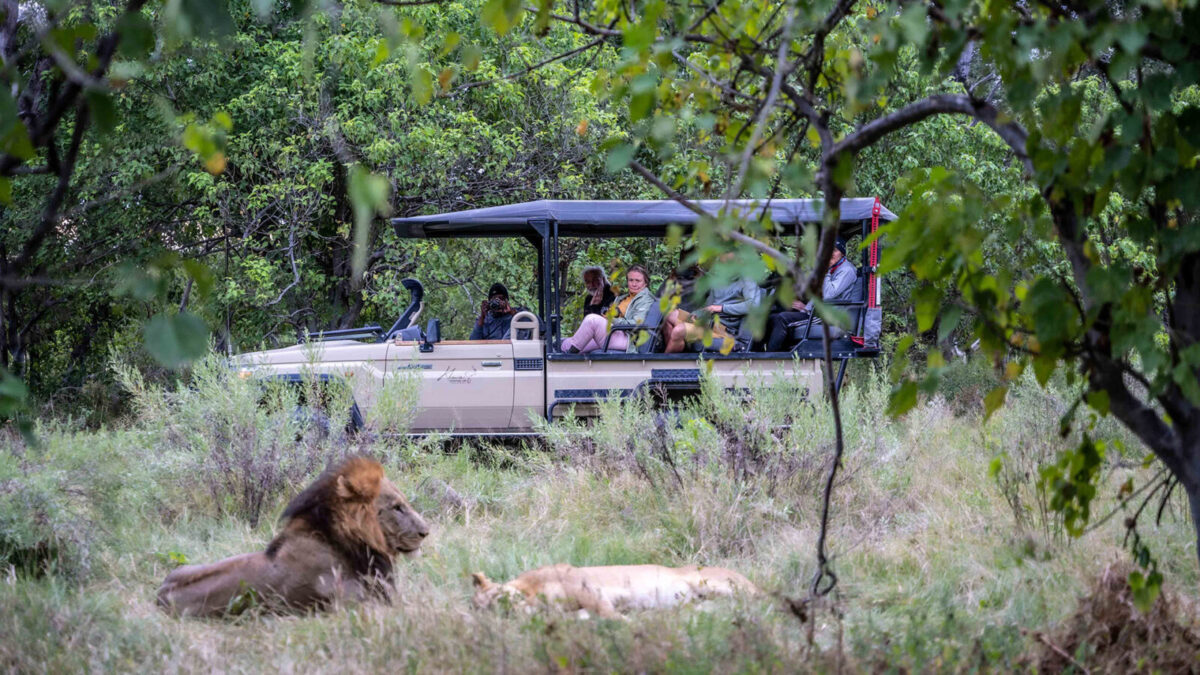
Kasane Botswana Guide: Chobe’s Safari Frontier Town
Kasane occupies one of the most exciting positions in southern African safari travel. This small town in northern Botswana sits beside the Chobe River, close to Chobe National Park and the borders of several neighbouring countries.
Unlike Botswana’s larger urban centres, Kasane revolves around wildlife tourism. Safari lodges, river cruises, game-drive vehicles, and visiting travellers contribute to its distinctive atmosphere.
The town serves as a major gateway to Chobe National Park, one of Africa’s best-known elephant destinations. Its location also makes it a convenient starting point for excursions to Victoria Falls and cross-border safari experiences.
This Kasane Botswana Chobe guide explores the town’s attractions, wildlife activities, accommodation, transport, and practical considerations for planning a memorable safari.
Where Is Kasane Located?
Kasane lies in northeastern Botswana along the Chobe River, close to the country’s borders with Namibia, Zambia, and Zimbabwe.
The town’s position makes it an important transport and tourism hub. Visitors can reach nearby national parks, river systems, and international destinations through organised excursions.
Kasane also lies close to Kazungula, where important regional transport connections cross the Zambezi River.
The surrounding landscape combines riverine woodland, floodplains, and dry savannah habitats. These environments support a wide variety of wildlife.
Kasane’s proximity to Chobe National Park means that wildlife sometimes appears near developed areas. Visitors should remain cautious around animals and follow local safety guidance.
Why Kasane Is Important for Botswana Safaris
Kasane provides one of the easiest access points to Chobe National Park.
Travellers can enjoy game drives and river cruises without committing to long transfers from distant cities.
The town also offers accommodation, restaurants, fuel stations, shops, and transport services that support safari operations.
Its position makes it especially useful for visitors combining Botswana with Victoria Falls.
For travellers planning a multi-country safari, Kasane can serve as a practical connection between Botswana, Zimbabwe, Zambia, and Namibia.
Chobe National Park: The Main Attraction
Chobe National Park protects a large and diverse wilderness area in northern Botswana.
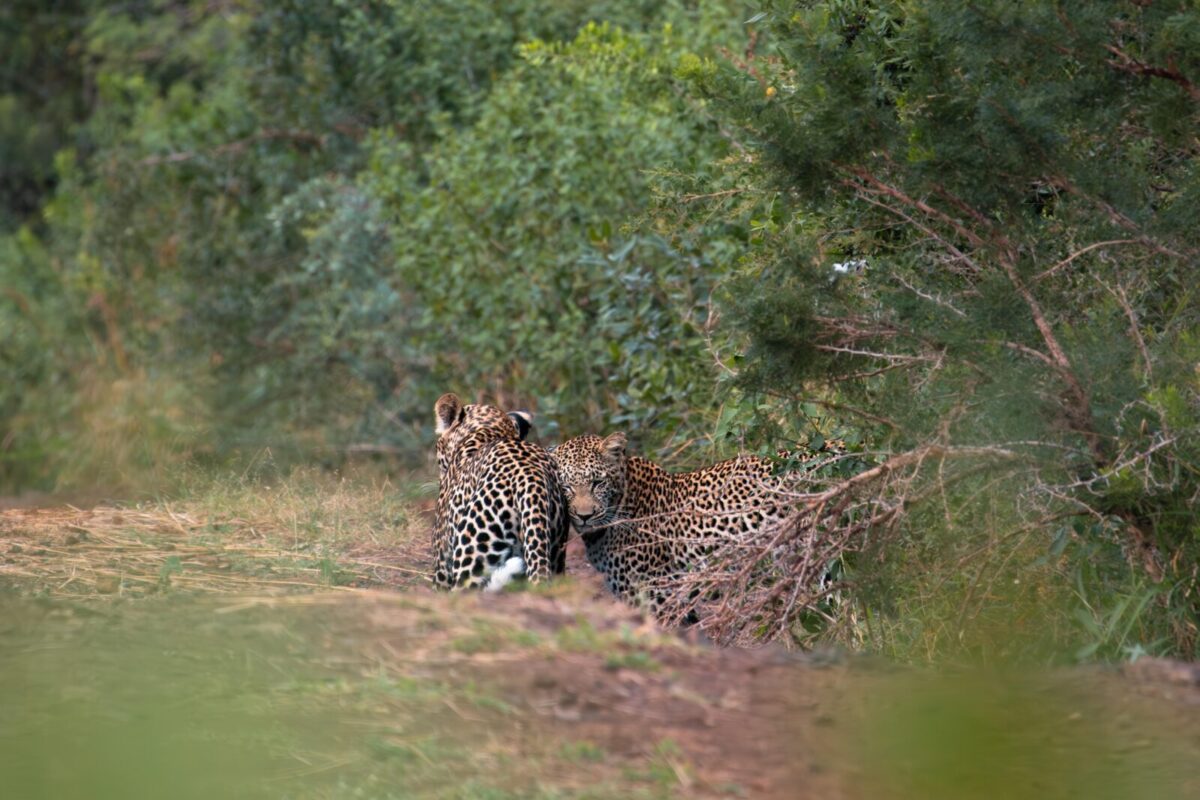
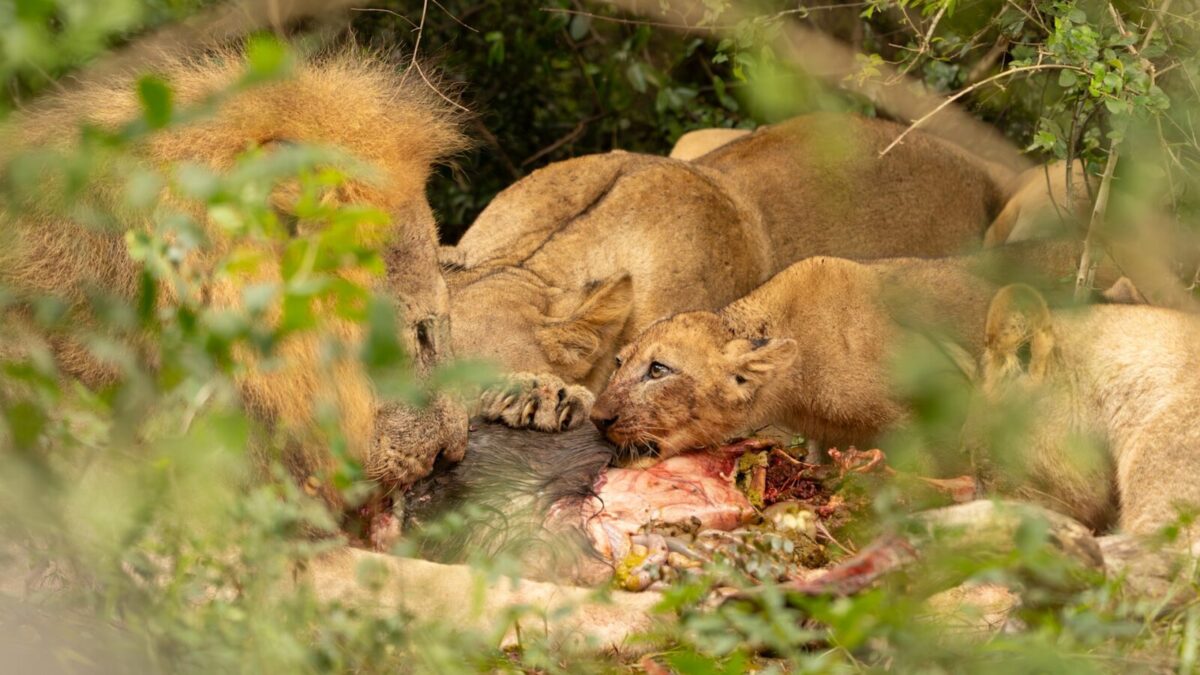
The park is particularly famous for its elephants, although visitors can also encounter buffalo, lions, leopards, antelope, crocodiles, hippos, and numerous bird species.
Different parts of the park offer distinct environments. The Chobe Riverfront is especially accessible from Kasane and attracts many safari visitors.
Other areas, including Savute and the Linyanti region, offer contrasting wildlife experiences but require additional travel planning.
The park’s wildlife populations respond to seasonal rainfall, water availability, and natural movement patterns. Sightings therefore vary throughout the year.
Best Things to Do in Kasane
Take a Chobe River Safari Cruise
A Chobe River cruise ranks among the most memorable wildlife activities available from Kasane.
Boats travel along designated sections of the river, allowing visitors to observe animals from the water.
Elephants frequently approach the river to drink, bathe, and cross between feeding areas. Hippos and crocodiles also inhabit the waterways.
Birdwatchers can enjoy sightings of fish eagles, herons, kingfishers, and other water-associated species.
River cruises provide a different perspective from vehicle-based safaris. Animals may appear against open floodplains, islands, and woodland backgrounds.
Late-afternoon cruises can offer attractive photographic light, although wildlife encounters remain unpredictable.
Enjoy a Chobe Game Drive
Game drives provide opportunities to explore Chobe National Park’s terrestrial habitats.
Safari guides follow established routes while searching for wildlife activity. They use their knowledge of animal behaviour, tracks, and seasonal conditions to improve viewing opportunities.
Elephants and buffalo often feature prominently in the riverfront area. Lions and leopards may also appear, although sightings depend on many factors.
Early morning drives can be rewarding because temperatures are generally cooler and some animals remain active.
Afternoon excursions offer another opportunity to observe wildlife as conditions change towards sunset.
Visitors should remain inside vehicles unless guides specifically identify a safe and authorised place to exit.
Watch Elephants Along the Chobe River
Chobe’s elephants are among the park’s greatest attractions.
Large herds may gather near the river during the dry season, when permanent water becomes especially important.
Visitors can observe feeding, drinking, social interaction, and movement between habitats.
Elephant behaviour reveals complex family relationships and communication patterns. Calves remain close to adults, while older animals often influence herd movements.
Watching elephants from a respectful distance provides an opportunity to appreciate their natural behaviour without interfering with their activities.
Safari guides should always prioritise animal welfare and visitor safety.
Explore Kasane’s Riverfront
Kasane’s riverfront offers attractive views of the Chobe River and its surrounding landscape.
Some lodges and restaurants provide opportunities to enjoy the scenery without joining a formal safari excursion.
Birdlife may appear along the shoreline, while distant wildlife activity sometimes becomes visible across the water.
The riverfront also provides an appealing setting for sunset photography.
Visitors should avoid approaching the water’s edge carelessly. Hippos and crocodiles present serious risks, even in areas that appear calm.
Birdwatching in Kasane
Kasane and the Chobe River support a rich variety of birdlife.
River channels, woodland, floodplains, and seasonal wetlands create different habitats for resident and migratory species.
Birdwatchers may encounter African fish eagles, kingfishers, bee-eaters, herons, storks, and other species.
Seasonal rainfall influences bird activity and habitat conditions. Migratory birds may increase diversity during particular months.
Guided birdwatching excursions can help visitors identify species through calls, flight patterns, and habitat preferences.
Photographers should carry suitable lenses and protect equipment from dust, heat, and moisture.
Visiting Victoria Falls from Kasane
Victoria Falls is one of the most popular excursions from Kasane.
The waterfall lies on the Zambezi River between Zambia and Zimbabwe. Visitors can access the area through international border crossings.
A day trip may be possible depending on the chosen route, border conditions, and travel arrangements.
Victoria Falls offers dramatic viewpoints, walking trails, and optional adventure activities.
Water levels change seasonally, affecting visibility, spray, and the appearance of the falls.
Travellers should check visa requirements carefully, especially when crossing more than one international border.
An organised transfer can simplify the journey and reduce uncertainty around transport connections.
Where to Stay in Kasane
Kasane offers a wide range of accommodation, from comfortable safari lodges to boutique hotels and guesthouses.
Properties near the Chobe River often appeal to travellers seeking waterfront scenery and convenient access to boat excursions.
Other accommodation options provide easy connections to game-drive departure points and the town’s services.
Travellers should consider whether their chosen property includes safari activities, meals, transfers, or park fees.
Some lodges offer packages that combine accommodation with guided excursions. Others allow guests to book activities separately.
Understanding these arrangements helps visitors compare costs accurately.
Best Time to Visit Kasane
Kasane experiences a seasonal climate that strongly influences wildlife activity.
The dry season generally extends from approximately May to October. During this period, many animals increasingly depend on permanent water sources.
The Chobe River can attract substantial wildlife concentrations as the surrounding landscape becomes drier.
June through August often brings cooler mornings and evenings, while September and October can become very hot.
The wetter season generally runs from November to March or April. Rainfall creates greener landscapes and more dispersed wildlife movements.
Birdwatching can be particularly rewarding during the wetter months, when migratory species and breeding activity increase.
There is no single perfect month for every traveller. The ideal season depends on whether wildlife concentrations, birdlife, photography, or quieter travel conditions matter most.
How to Get to Kasane
Kasane International Airport provides the main air gateway to the town.
Flight connections vary according to airline schedules and seasonal demand.
Road travel also connects Kasane with other destinations in Botswana and neighbouring countries.
Travellers arriving from Victoria Falls or Livingstone can arrange cross-border transfers through established operators.
Private safari vehicles provide another option for visitors following a longer Botswana itinerary.
Road conditions and distances vary considerably between northern Botswana’s safari regions. Travellers should plan transfers realistically and avoid unnecessary night driving.
Combining Kasane with the Okavango Delta
Kasane can form part of a wider Botswana safari that includes the Okavango Delta.
The delta offers a contrasting environment of channels, floodplains, islands, and seasonal wetlands.
Depending on the location and conditions, visitors can enjoy game drives, boat excursions, walking safaris, and traditional mokoro experiences.
Light-aircraft transfers often provide access to remote delta camps.
A combined Chobe and Okavango itinerary introduces travellers to two of Botswana’s most remarkable wildlife ecosystems.
The contrast between Chobe’s riverfront and the delta’s wetland landscapes creates a varied safari experience.
Combining Kasane with Namibia and Zimbabwe
Kasane’s position near international borders makes it useful for regional safari planning.
Travellers can combine Chobe with Namibia’s Zambezi Region, where rivers and protected areas support additional wildlife experiences.
Zimbabwe offers Victoria Falls and several major national parks.
Zambia provides another connection to Victoria Falls and other wildlife destinations.
Multi-country itineraries require careful attention to border formalities, transport arrangements, and accommodation schedules.
A knowledgeable safari operator can help coordinate these details and reduce travel complications.
Practical Safari Tips for Kasane
Kasane experiences strong sunshine and considerable seasonal temperature changes. Visitors should pack lightweight clothing, sun protection, and warmer layers for early morning activities.
Neutral-coloured clothing works well for game drives, although specialised safari clothing is not essential for most visitors.
Binoculars can improve wildlife viewing, especially for birds and animals at a distance.
Travellers should carry sufficient drinking water and follow their guide’s instructions during every excursion.
Wildlife can move through areas close to lodges and roads. Never approach elephants, hippos, buffalo, or other large animals on foot without appropriate professional guidance.
Visitors should also confirm park fees, activity inclusions, and cancellation conditions before booking.
Plan Your Safari
Kasane provides an outstanding gateway to Chobe National Park and the wider wilderness of northern Botswana. Its river cruises, game drives, elephant encounters, and convenient regional connections make it an excellent base for a memorable safari.