
How African Safaris Are Priced
August 12, 2026
Campfire Stories
August 12, 2026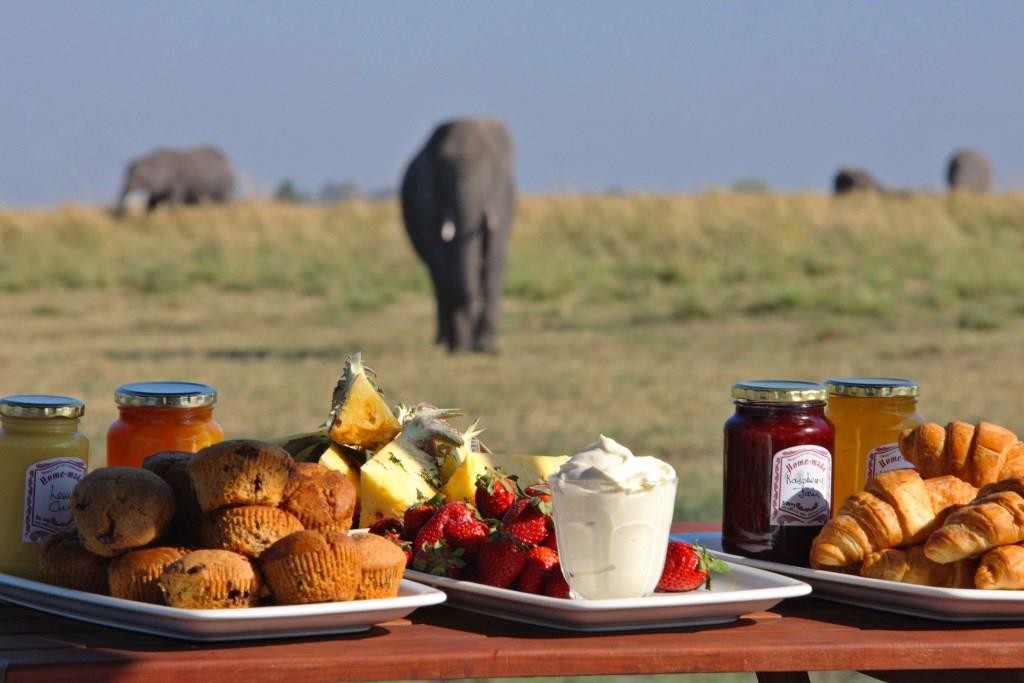
What Do You Eat on Safari? A Guide to Bush Cuisine
One of the most enjoyable surprises on an African safari is the food. Many travellers expect simple camp meals, but safari cuisine can be creative, fresh, and surprisingly sophisticated.
From breakfast in the bush to dinner beneath the stars, meals often become part of the safari experience. Lodges and camps combine local ingredients with international dishes while adapting menus to their remote locations.
Food also changes from one destination to another. A safari in South Africa may feature Cape cuisine and local wines, while a camp in Botswana may serve fresh bread, grilled meats, and seasonal vegetables.
Whether you prefer traditional African dishes or familiar international meals, you can eat well on safari. Here is what you can expect from breakfast, lunch, dinner, snacks, drinks, and special bush dining experiences.
What Is Safari Food Like?
Safari food varies according to the lodge, destination, accommodation level, and location. Luxury camps often provide multi-course meals, freshly baked bread, salads, desserts, and carefully selected wines.
Mid-range lodges usually offer hearty meals with a mixture of local and international dishes. Menus often include meat, vegetables, rice, potatoes, pasta, and fresh fruit.
Remote camps face more logistical challenges. Supplies may travel long distances, so chefs plan menus around ingredients that store and transport well.
Despite these challenges, many safari camps take food seriously. Fresh ingredients, creative presentation, and attentive service can turn an ordinary meal into a memorable experience.
What Do You Eat for Breakfast on Safari?
Breakfast usually comes after an early morning game drive or before you head into the bush. The meal needs to provide enough energy for several hours of activities.
A typical breakfast may include eggs, sausages, bacon, fresh fruit, bread, cereals, yogurt, tea, and coffee. Some camps also prepare pancakes, French toast, muffins, or pastries.
Many lodges serve breakfast at the main dining area. Others arrange outdoor breakfasts in scenic locations when conditions allow.
A bush breakfast can feel especially special. You may sit beside a river, under a large tree, or overlooking the savannah while enjoying a freshly prepared meal.
What Is a Bush Breakfast?
A bush breakfast takes place outdoors rather than inside the lodge dining room. Staff usually set up a table in a safe location after an early game drive.
The menu can include eggs, fresh bread, fruit, sausages, coffee, tea, and other breakfast favorites. Some camps prepare food over an open fire.
The setting makes the meal memorable. You might watch elephants in the distance while enjoying breakfast or hear birds calling from nearby trees.
Your guide and camp staff always choose the location carefully. Wildlife safety remains the priority during outdoor meals.
What Do You Eat for Lunch?
Lunch usually provides a relaxed break between morning and afternoon activities. Many safari lodges serve lunch at the main camp.
Popular options include grilled chicken, fish, beef, pasta, rice, salads, vegetables, sandwiches, and fresh fruit. Some camps serve a buffet, while others offer plated meals.
In hot destinations, lighter dishes can work particularly well. Fresh salads, fruit, cold meats, and refreshing drinks can help you stay comfortable during the afternoon.
If you spend the entire day on safari, your lodge may prepare a packed lunch. Your guide can then find a suitable location where you can stop and eat.
What Do You Eat for Dinner?
Dinner often becomes the main culinary experience of the day. Guests return from an afternoon game drive and enjoy a relaxed meal after sunset.
A typical dinner may include soup or a starter, grilled meat or fish, vegetables, starches, and dessert. Chefs may also incorporate local flavors and ingredients.
Some camps serve dinner around a campfire. Others create private dining areas with lanterns, candles, or views over a waterhole.
The atmosphere can be just as memorable as the food. Eating under the African night sky creates an experience that a restaurant cannot easily replicate.
Traditional African Food on Safari
Safari camps often introduce guests to local dishes. The exact cuisine depends on the country and cultural influences in the region.
South Africa is famous for dishes such as bobotie, boerewors, potjiekos, and braai. Zimbabwe and Zambia offer hearty dishes built around maize, vegetables, meat, and local staples.
East African safaris may feature ugali, nyama choma, pilau rice, chapati, samosas, and various stews. Coastal destinations often add strong Swahili and Indian Ocean influences.
Trying local food adds another dimension to your safari. It allows you to experience the destination through its flavors as well as its landscapes and wildlife.
What Is Ugali?
Ugali is a staple food across parts of East Africa. It consists mainly of maize flour cooked with water until it forms a firm, dough-like consistency.
Travellers often eat ugali alongside meat, fish, vegetables, or sauces. It provides a filling source of carbohydrates and works well with rich stews.
You may encounter ugali during safaris in Kenya, Tanzania, Uganda, and other East African destinations.
Its simplicity makes it an excellent example of everyday regional cuisine. Trying it during a safari can provide a more authentic connection to local food traditions.
What Is Nyama Choma?
Nyama choma means grilled meat and remains a popular dish in East Africa. The meat often cooks over an open fire, creating a smoky flavor.
Goat and beef are common choices, although the exact preparation varies. Restaurants and lodges may serve the meat with vegetables, salads, sauces, or local starches.
Nyama choma can provide a simple introduction to East African barbecue traditions. The communal nature of the meal also makes it popular during social occasions.
You may encounter it in Kenya and Tanzania, particularly around towns and cultural experiences.
South African Braai
A braai is more than simply a barbecue. It forms an important part of South African food culture and social life.
Meat such as boerewors, steak, chicken, and lamb often features on the grill. Side dishes can include salads, bread, vegetables, and traditional accompaniments.
Many South African safari lodges incorporate braai-style meals into their dining experiences. Some prepare the food outdoors around a fire.
For travellers, a bush braai offers both food and atmosphere. The combination of grilled meat, open fire, and wilderness makes the experience especially memorable.
What Is Bobotie?
Bobotie is a well-known South African dish with strong Cape Malay influences. It usually combines seasoned minced meat with a mildly spiced egg-based topping.
The dish often includes flavors such as curry, turmeric, dried fruit, and other aromatic spices. The result balances sweet, savory, and gently spiced flavors.
Some safari lodges serve bobotie as part of their South African-inspired menus. It can provide an introduction to the country’s diverse culinary history.
Travellers visiting Cape Town and the Cape Winelands may encounter the dish frequently.
Food in Botswana Safari Camps
Botswana’s safari camps often serve a mixture of international and Southern African dishes. Meals can include grilled meats, fresh vegetables, salads, rice, potatoes, bread, and desserts.
Camps in remote areas must carefully manage supplies. Chefs therefore create menus that work well with the available ingredients.
Fresh baking can be particularly impressive in remote camps. Bread, cakes, biscuits, and pastries may all appear despite the distance from major towns.
Some camps also create traditional dishes or bush meals. The experience can vary greatly depending on the property and its location.
Food in Namibia
Namibian cuisine reflects several cultural influences. German, South African, Indigenous, and other traditions have shaped the country’s food.
Meat features strongly in many Namibian dishes. Guests may encounter game meat, beef, lamb, or venison depending on the lodge.
Namibia’s dry environment also influences food production. Fresh produce can require careful transportation, especially at remote desert camps.
Many lodges combine local flavors with international cuisine. This gives travellers a comfortable menu while still introducing them to Namibian ingredients.
Food in Zimbabwe and Zambia
Safari camps in Zimbabwe and Zambia often serve hearty meals suited to active days in the bush. Meat, vegetables, rice, potatoes, maize-based dishes, and fresh bread commonly appear.
Local dishes may include sadza or nshima, depending on the destination. These staples often accompany meat, vegetables, or sauces.
Lodge chefs may also create international dishes for guests. Pasta, grilled fish, salads, and desserts remain common in many camps.
Bush dining is especially popular in these destinations. Meals around a campfire can provide an excellent way to finish a day of wildlife viewing.
Food in Kenya and Tanzania
East African safari cuisine combines local staples with international influences. Guests may find rice dishes, chapati, stews, grilled meats, vegetables, and fresh tropical fruit.
Pilau rice is particularly popular in Kenya and Tanzania. The fragrant rice dish reflects the strong Indian Ocean and Swahili influences found across the region.
Chapati is another common favorite. The soft flatbread pairs well with stews, vegetables, and meat dishes.
Safari lodges often serve familiar international options as well. This makes meals comfortable for travellers who prefer less adventurous food.
Vegetarian and Vegan Safari Food
Vegetarian travellers can usually eat comfortably on safari. Many lodges already serve vegetables, salads, rice, pasta, fruit, soups, and plant-based dishes.
Vegan travellers should communicate their requirements before arrival. Remote camps need time to plan menus and purchase suitable ingredients.
Good safari operators can communicate dietary requirements to every lodge on your itinerary. This helps ensure that chefs prepare appropriate meals throughout the journey.
Do not assume that every remote camp has the same options. Advance communication remains the best way to avoid problems.
Food Allergies on Safari
Food allergies require careful planning. Tell your safari operator about any allergies before you travel.
The operator can then communicate your requirements to each lodge, camp, and restaurant. This gives chefs time to prepare safe alternatives.
Severe allergies require additional caution in remote destinations. Carry any necessary medication and clearly communicate the seriousness of your allergy.
A written list of ingredients or allergy information can also help when language differences create confusion.
Can Children Eat Safari Food?
Children can usually find familiar foods at safari lodges. Pasta, rice, potatoes, chicken, sandwiches, fruit, cereals, and other simple dishes are widely available.
Families should communicate children’s preferences before arrival. Some camps can prepare smaller portions or adjust meals for younger guests.
Older children may enjoy trying local dishes. Introducing them to new flavors can become an important part of the travel experience.
Parents should also carry familiar snacks for long drives. Remote roads and full-day activities can make regular meal times less predictable.
Safari Snacks
Safari days often include snacks between meals. Lodges may provide biscuits, nuts, fruit, muffins, sandwiches, or other light foods.
Afternoon tea is common at many camps. Guests may enjoy cakes, pastries, sandwiches, and tea before heading out for the evening game drive.
Full-day game drives often require packed snacks. Your guide may carry a cooler with drinks and food for stops along the route.
Keep snacks securely stored. Food can attract wildlife, so follow your guide’s instructions when eating in the bush.
What Do You Drink on Safari?
Water is essential during safari, especially in hot climates. Most lodges provide bottled or filtered drinking water throughout the day.
Tea and coffee are also common. Many camps serve coffee before early morning game drives and afternoon tea before evening activities.
Soft drinks, juices, beer, wine, and spirits may also be available. The selection depends on the lodge and whether drinks form part of the package.
Some luxury camps include selected beverages in their rates. Always check the drinks policy before booking.
Safari Sundowners
A sundowner is one of the classic safari traditions. Guests stop at a scenic location during the evening and enjoy drinks while watching the sun disappear.
The drinks may include wine, beer, cocktails, juice, or soft drinks. Staff often serve small snacks alongside the beverages.
The experience is less about the drink itself and more about the setting. A sunset over the savannah can transform a simple break into a memorable moment.
Sundowners are common across many African safari destinations. They provide a peaceful pause before returning to camp for dinner.
Bush Dinner Under the Stars
A bush dinner takes the safari dining experience outdoors. Staff prepare a table in a carefully selected location and create an intimate setting around a fire or lanterns.
Menus vary by lodge. Guests may enjoy grilled meat, salads, vegetables, fresh bread, desserts, and local dishes.
The African night sky adds something special to the experience. Away from cities, you can often see thousands of stars.
Safety remains essential. Lodge staff and guides monitor the surroundings and select locations carefully.
What Is a Bush Braai?
A bush braai combines an outdoor safari setting with a traditional Southern African barbecue. Staff prepare meat over an open fire while guests enjoy drinks and conversation.
Menus can include beef, chicken, lamb, boerewors, vegetables, salads, bread, and desserts. Local sauces and side dishes can add regional flavors.
The fire creates a warm social atmosphere. Guests often gather around it after returning from an evening game drive.
A bush braai is particularly popular in South Africa, Zimbabwe, Zambia, and other Southern African destinations.
Can You Drink Alcohol on Safari?
Alcohol is available at many safari lodges. Beer, wine, spirits, and cocktails often accompany dinner or sundowners.
Luxury camps may include selected alcoholic drinks within their rates. Other properties charge for premium brands or certain beverages.
Drink responsibly, especially before activities. Safari environments require alertness, and early morning game drives often start soon after sunrise.
Your guide or lodge staff can advise you about local rules and appropriate times for drinking.
Is Bush Cuisine Safe to Eat?
Safari lodges follow food safety procedures, even in remote environments. Chefs carefully manage food storage, preparation, cooking, and refrigeration.
Remote camps have systems for transporting and storing supplies. Staff understand the challenges of working far from major towns.
Travellers should still follow basic precautions. Drink only water provided by the lodge or operator and follow advice about local food and drinks.
If you have dietary or medical concerns, communicate them before your safari begins.
Does Food Taste Different in the Bush?
The setting can change how food feels and tastes. A simple breakfast can seem extraordinary when you eat it beside a river surrounded by wildlife.
Fresh ingredients also play an important role. Many camps bake bread daily and prepare meals from scratch.
Chefs often adapt dishes to local ingredients. This can create flavors that you may not encounter at home.
The combination of food, scenery, wildlife, and atmosphere makes safari dining different from an ordinary restaurant experience.
What Should You Pack for Safari Meals?
You generally do not need to pack your own food. Safari lodges provide meals and snacks throughout the day.
However, personal snacks can help during long drives. Choose sealed, non-perishable items such as energy bars, nuts, crackers, or dried fruit.
Avoid carrying foods with strong smells into wildlife areas. Never leave food or packaging behind in the bush.
If you have specific dietary needs, bring a small supply of familiar foods as a backup.
How to Experience Bush Cuisine Like a Local
Be open to trying traditional dishes. Ask your guide or chef about the ingredients and history behind the meal.
Try local staples such as ugali, nyama choma, braai, bobotie, pilau, chapati, or regional vegetable dishes when available.
Visit local markets or take part in a cooking experience if your itinerary allows. These activities can provide a deeper understanding of African food culture.
Food becomes more meaningful when you understand where it comes from and how local communities prepare it.
Plan Your Safari Food Experience
Safari cuisine is much more than food served between game drives. Meals can become some of the most memorable moments of your African adventure.
From bush breakfasts and sundowners to traditional dishes and dinners beneath the stars, each meal can connect you with the destination.
Tell your safari operator about dietary requirements before travelling. Then arrive ready to explore local flavors while enjoying the comfort and creativity of your lodge or camp.
A great safari should satisfy more than your appetite for wildlife. It should also introduce you to the flavors, traditions, and hospitality that make Africa so special.