

What Do You Eat on Safari?
August 12, 2026
Sundowner Safari Ritual
August 12, 2026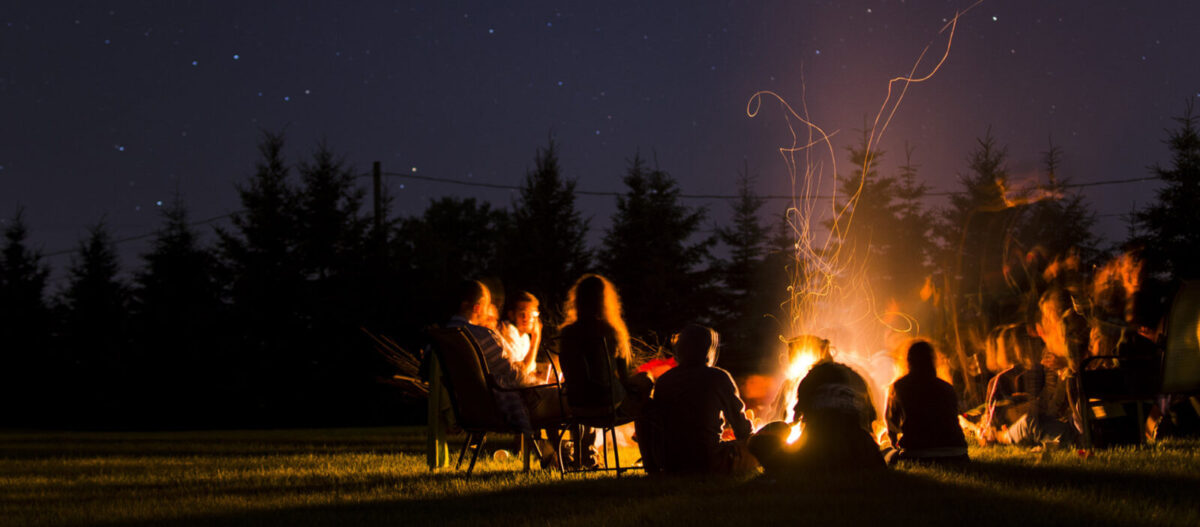
Campfire Stories: The Soul of the African Safari Experience
A safari does not end when the sun disappears. In many African camps, the evening brings guests together around a crackling fire, where stories, laughter, and quiet conversations fill the night.
Campfire evenings create a different side of safari. The excitement of game drives gives way to a slower experience shaped by firelight, distant animal calls, and the vast African sky.
These moments often become some of the most memorable parts of a trip. Long after travellers forget individual meals or lodge details, they remember the stories shared around the fire.
What Makes a Safari Campfire Special?
A campfire creates a natural gathering place. Guests return from their evening activities and gather around the flames with drinks, snacks, or dinner.
The atmosphere feels informal and welcoming. People who arrived as strangers often begin sharing travel stories and experiences within minutes.
The wilderness adds another dimension to the evening. You may hear a lion calling in the distance or hippos grunting near a river.
Unlike a hotel lounge, the campfire connects you directly with your surroundings. You are not simply watching Africa from a distance. You are experiencing its sounds, smells, and darkness.
The Tradition of African Campfires
Campfires have long played an important role in life across African landscapes. People have gathered around fires for warmth, cooking, social interaction, and storytelling for generations.
Different communities have their own storytelling traditions. Stories can pass knowledge, history, values, humor, and cultural lessons from one generation to another.
Safari camps draw inspiration from this tradition. However, travellers should remember that African cultures are diverse and do not share one single storytelling tradition.
A responsible safari experience respects this diversity. Local guides and community storytellers can provide authentic perspectives that connect guests with the destination.
Stories From Your Safari Guide
Your safari guide often becomes the heart of the evening conversation. Guides have extensive knowledge of wildlife, landscapes, local history, and conservation.
They may tell you about memorable animal encounters or explain how certain species behave. Some stories come from years spent working in the bush.
A guide might describe following lion tracks at dawn or finding a leopard after hours of searching. These experiences can give you a deeper appreciation for the unpredictable nature of safaris.
The best guides also know when to stop talking. Sometimes the most powerful moment comes from sitting quietly and listening to the sounds around the fire.
Wildlife Stories Around the Fire
Wildlife naturally becomes a major topic around safari campfires. Guests often compare sightings from the day and discuss unusual animal behavior.
One person may have watched elephants crossing a river while another saw lions hunting. These shared experiences make each day feel like part of a larger story.
Guides can add valuable context to these conversations. They may explain territorial behavior, hunting strategies, breeding patterns, or relationships between different species.
These discussions can transform wildlife sightings into learning experiences. You begin to understand not only what you saw but also why the animals behaved as they did.
The Sounds of the African Night
The African night sounds completely different from a city night. Instead of traffic and buildings, you may hear insects, frogs, birds, wind, and distant wildlife.
Hyenas may call across the plains. Lions can produce deep roars that travel long distances, while hippos make surprisingly loud grunts and bellows.
These sounds often become part of the campfire experience. Guests may pause their conversations when something unusual comes from the darkness.
Your guide can help identify many of these sounds. Learning to recognize them adds another layer to your connection with the wilderness.
Stories Under the African Stars
African skies can make campfire evenings even more spectacular. Away from city lights, many safari destinations offer excellent opportunities for stargazing.
You may see the Milky Way stretching across the sky on a clear night. Constellations and planets can appear much brighter than they do in urban areas.
Some camps offer dedicated stargazing experiences. Guides may explain local astronomy, navigation traditions, or the science behind the night sky.
Combining storytelling with stargazing creates a peaceful end to a busy safari day. The fire burns below while the stars stretch endlessly above.
Campfire Songs and Music
Music can bring another dimension to an African campfire. Some lodges arrange traditional performances, especially when guests request cultural entertainment.
Local musicians may perform songs using drums, voices, guitars, or other instruments. Performances vary greatly depending on the country and community.
These experiences can introduce travelers to local musical traditions. They can also create opportunities for local performers to earn income through tourism.
The experience should remain respectful and authentic. Cultural performances work best when communities choose how they share their traditions.
Traditional Storytelling and Culture
Storytelling can offer insight into local beliefs, history, and values. A knowledgeable local storyteller may share folktales that have been passed through generations.
These stories often include animals, people, landscapes, and moral lessons. They can provide a different way of understanding the relationship between communities and their environment.
Travellers should approach these experiences with curiosity and respect. Not every cultural story needs to become a tourist performance.
Responsible operators work with local communities and compensate storytellers fairly for their time and knowledge.
Campfire Food and Drinks
Food can make a campfire evening even more enjoyable. Many safari camps serve drinks and snacks around the fire before dinner.
You might enjoy roasted meat, grilled vegetables, bread, nuts, or small canapés. Some camps prepare traditional dishes over an open fire.
A bush braai can turn the evening into a full dining experience. Guests eat outdoors while sitting around a fire surrounded by wilderness.
The food itself becomes part of the memory. Even a simple grilled meal can taste exceptional when enjoyed under an African sky.
Sundowners Before the Campfire
Many safari evenings begin with a sundowner. Guests stop at a scenic location to watch the sunset while enjoying drinks and snacks.
The group then returns to camp as darkness settles over the landscape. The campfire becomes the natural continuation of the evening.
This transition creates a beautiful rhythm. You move from golden landscapes and wildlife sightings into firelight, conversation, and stars.
Sundowners and campfires are not simply activities. Together, they create a relaxed pace that allows you to appreciate the wilderness beyond game drives.
Why Campfire Conversations Matter
Campfire conversations often bring travellers together. People from different countries and backgrounds can share experiences around the same fire.
You may discuss wildlife, travel, photography, food, culture, or places you hope to visit next. These conversations can become as memorable as the safari itself.
The relaxed environment encourages people to slow down. Without the distractions of phones, traffic, and busy schedules, conversations can feel more meaningful.
Sometimes the best safari memories come from these unexpected connections.
Campfires and Conservation Stories
Campfires can also provide an opportunity to discuss conservation. Guides may explain the challenges facing wildlife and the communities living near protected areas.
Topics can include habitat loss, poaching, human-wildlife conflict, endangered species, and community conservation.
These conversations help travelers understand the work behind the safari experience. A protected landscape requires rangers, researchers, local communities, tourism businesses, and conservation organizations.
Learning about these efforts can make your safari feel more meaningful. You begin to see how tourism can support the protection of wildlife and natural habitats.
Stories About Local Communities
People are an important part of Africa’s safari landscapes. Many communities live near or within areas that support wildlife tourism.
Guides may explain how local communities interact with wildlife and benefit from tourism. They can also discuss challenges such as human-wildlife conflict and access to natural resources.
These conversations provide valuable context. They remind travellers that conservation involves people as well as animals.
When possible, choose safari operators that work closely with local communities. Responsible tourism should create meaningful benefits for people living around protected areas.
Campfire Stories for Children
Children often love campfire evenings. The combination of fire, wildlife sounds, stars, and stories can make a safari feel like a real adventure.
Guides can tell age-appropriate stories about animals and the African wilderness. Some camps also organize nature activities for younger guests.
Parents should always follow camp safety rules. Children need supervision around fires and must understand that wild animals may move through the area.
For many young travellers, the campfire becomes one of their favourite safari memories.
Photography Around the Campfire
Campfires create excellent opportunities for atmospheric photography. Firelight, silhouettes, stars, and safari tents can produce dramatic images.
A tripod can help when photographing in low light. Use a camera setting that allows you to capture the warmth of the fire without losing the surrounding darkness.
Always ask before photographing other guests or local performers. Respect privacy and cultural preferences.
Sometimes it is better to put the camera away. Experiencing the moment directly can create a stronger memory than trying to photograph everything.
Campfire Safety in the Wilderness
Safari camps take fire safety seriously. Staff select suitable locations and monitor fires throughout the evening.
Guests should follow camp rules and never leave a fire area without guidance. Do not wander into the bush alone after dark.
Wild animals can move close to camps. Elephants, hippos, buffaloes, and other animals may pass nearby without warning.
Always listen to your guide and camp staff. The wilderness remains active even when you are sitting comfortably beside a fire.
Do All Safari Camps Have Campfires?
Not every safari camp offers a traditional campfire. Some properties have permanent fire pits, while others use fireplaces or enclosed areas.
Weather conditions can also affect campfire activities. Strong winds, heavy rain, or dry-season fire restrictions may prevent staff from lighting outdoor fires.
Some urban safari lodges may have limited outdoor experiences. Remote tented camps are more likely to create traditional bush settings.
If a campfire experience matters to you, ask your safari operator about it before booking.
Luxury Campfires
Luxury safari camps can transform a simple fire into an elegant evening experience. Comfortable seating, lanterns, drinks, snacks, and personalized service can create a beautiful atmosphere.
Some camps arrange private campfires for couples. Others provide private bush dinners with a fire nearby.
Luxury does not need to remove the wilderness experience. The best camps combine comfort with a strong sense of place.
Sitting beside a fire in a remote wilderness area can feel luxurious precisely because the experience remains simple.
Campfires on Walking Safaris
Walking safaris can make campfire evenings particularly meaningful. Guests spend the day experiencing the landscape on foot before returning to camp.
After a day of tracking animals and learning about plants, guests gather around the fire to discuss what they encountered.
The experience creates a stronger connection between the day’s activities and the evening conversation.
Walking safaris in Zambia, Zimbabwe, and parts of Southern Africa are particularly known for their intimate wilderness atmosphere.
Campfire Experiences in Southern Africa
Southern Africa offers many excellent campfire experiences. Botswana, Zimbabwe, Zambia, Namibia, and South Africa all have lodges and camps where outdoor evenings form part of the safari atmosphere.
In Botswana, a campfire beside the Okavango Delta can provide an unforgettable setting. In Zimbabwe and Zambia, the sounds of the Zambezi wilderness can create a powerful backdrop.
Namibia offers a different experience. Desert landscapes, dry air, and exceptionally dark skies make nighttime around the fire especially atmospheric.
South Africa combines bush experiences with excellent food and wine. A fire and traditional braai can provide a memorable end to a game-drive day.
Campfire Experiences in East Africa
East Africa also offers memorable campfire traditions. Kenya and Tanzania have extensive safari landscapes with lodges and camps designed around outdoor living.
A campfire on the Serengeti can provide an unforgettable setting after a day of wildlife viewing. The sounds of the plains create a natural soundtrack to the evening.
Uganda offers a different experience in destinations such as Queen Elizabeth National Park and Murchison Falls National Park.
Rwanda’s safari and gorilla destinations can also provide intimate evening experiences. Campfires create a relaxing setting after a day spent exploring forests or savannahs.
The Campfire as Part of the Safari Story
A safari has many chapters. The morning begins with anticipation, the afternoon brings wildlife encounters, and the evening slows everything down.
The campfire becomes the place where the day’s experiences come together. Guests share what they saw, guides explain what happened, and new stories begin.
This is why campfires hold such an important place in safari culture. They give travelers time to process the day’s adventures rather than rushing from one activity to another.
The fire becomes a simple meeting point between people, nature, and stories.
Why You Should Make Time for the Campfire
Safari itineraries can become busy. Game drives, transfers, walks, boat trips, and cultural experiences can fill every available hour.
Try not to rush through the evening. Leave time to sit around the fire without an agenda.
You do not need a special activity. Listen to the sounds, watch the flames, talk with other guests, or simply enjoy the silence.
These quiet moments often become the memories you carry home.
Plan a Safari With Authentic Bush Experiences
A great African safari involves much more than seeing wildlife. It is about experiencing the landscape, meeting people, learning local stories, and slowing down enough to appreciate the wilderness.
Campfire evenings bring all these elements together. They create space for conversations, storytelling, music, food, stargazing, and reflection.
When planning your safari, ask your operator about the camp experience as well as the game drives. The right lodge can give you opportunities to enjoy bush dinners, sundowners, local storytelling, and peaceful evenings around the fire.
The animals may provide the headline moments, but the campfire often gives the safari its soul.