
Himba People of Namibia
July 29, 2026
Spice Tour in Zanzibar
July 29, 2026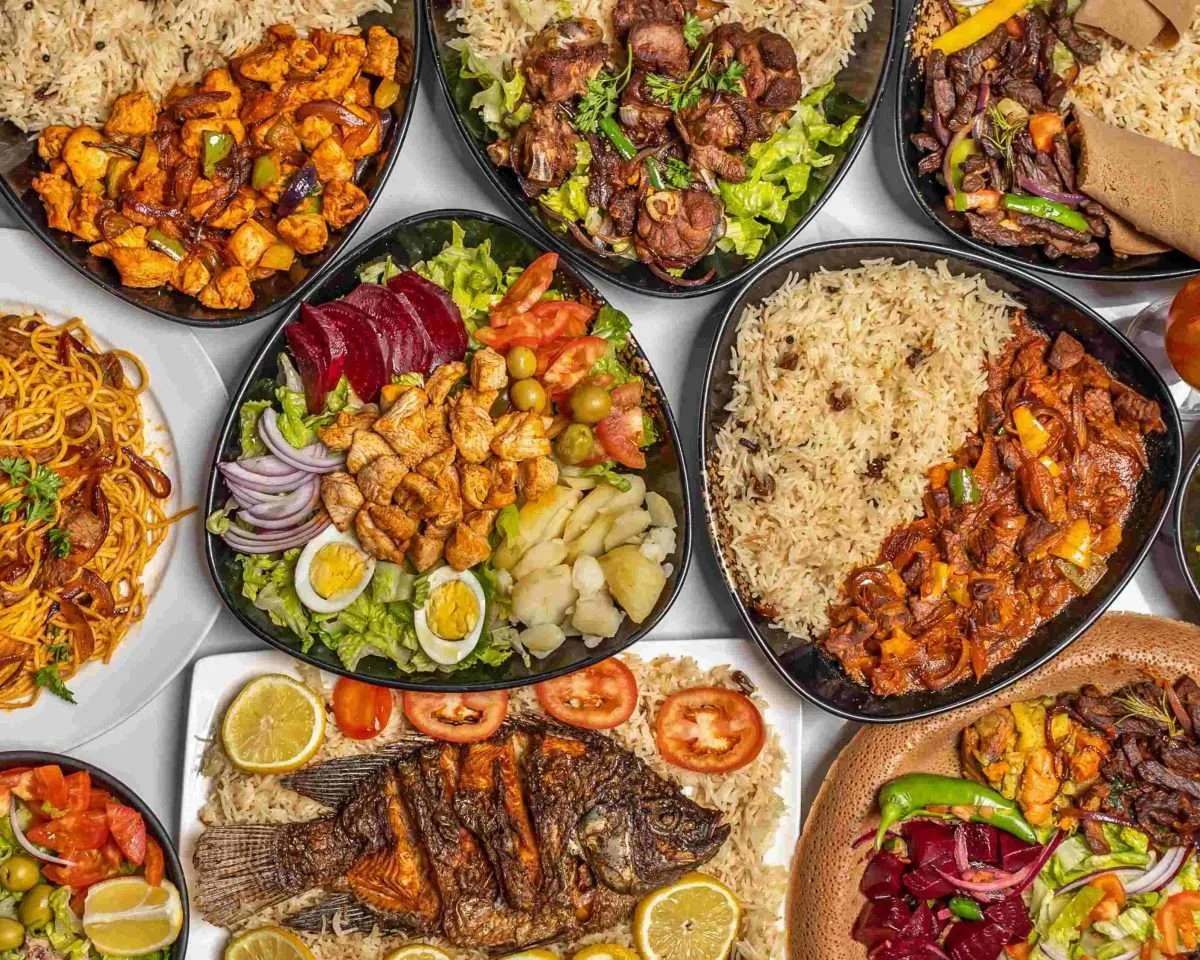
Food Safari: The Best African Dishes to Try on Safari
A safari in Africa is not only about wildlife, landscapes, and unforgettable game drives. Food also forms an important part of the safari experience, offering travelers a chance to discover local traditions through authentic flavors.
Across Africa, safari cuisine reflects different cultures, climates, and local ingredients. From fragrant East African stews to South African braai, every region offers something unique to discover after a day in the wilderness.
What Is a Food Safari?
A food safari combines wildlife travel with memorable culinary experiences. Instead of focusing only on game drives, travelers explore local dishes, traditional cooking methods, markets, farms, and community food traditions.
Many safari lodges prepare meals using fresh regional ingredients. Some also offer outdoor dinners, bush breakfasts, cooking demonstrations, and traditional meals prepared by local chefs.
This combination creates a more complete African travel experience. You can spend the morning watching elephants and end the day tasting a dish that reflects the culture of the region.
Ugali: A Staple of East Africa
Ugali is one of the most widely enjoyed staple foods in East Africa. It is made by cooking maize flour with water until it becomes a firm, smooth dough.
The dish is common in Kenya, Tanzania, Uganda, Rwanda, and other parts of the region. It often accompanies meat, fish, vegetables, beans, or rich sauces.
Travellers may encounter ugali during safari meals, especially when visiting local restaurants or community-run establishments. Although simple, it provides an authentic taste of everyday East African cuisine.
Ugali is also eaten using the hands in many settings. Diners traditionally break off a small piece and use it to scoop up meat, vegetables, or sauce.
Nyama Choma in Kenya and Tanzania
Nyama choma means roasted meat and remains a popular dish in parts of East Africa. Goat meat is particularly common, although beef and other meats may also feature.
The meat is usually grilled over an open fire and served with simple accompaniments. Depending on the location, these can include vegetables, salads, ugali, or a spicy tomato and onion relish.
Nyama choma works especially well after a long day exploring the bush. The smoky aroma and relaxed atmosphere make it a popular choice for travellers seeking a genuine local dining experience.
For an even more memorable experience, try nyama choma at a local restaurant with a knowledgeable guide. They can explain how the dish fits into social and culinary traditions.
Tanzanian Pilau
Pilau is a fragrant rice dish enjoyed across Tanzania and other parts of East Africa. It combines rice with spices such as cardamom, cinnamon, cloves, cumin, and black pepper.
Meat, vegetables, and other ingredients can be added to create different versions. The result is an aromatic dish with strong connections to the Swahili coastal culture.
Pilau can be especially enjoyable during a Tanzania safari. You may find it served at lodges, camps, local restaurants, or cultural experiences.
The dish also reflects centuries of Indian Ocean trade. Its spices demonstrate how African, Arab, Persian, and South Asian influences became part of East African cuisine.
Zanzibar Biryani
Zanzibar is famous for its rich culinary traditions, and biryani remains one of its best-known dishes. The recipe combines fragrant rice with spices, meat, vegetables, and other ingredients.
Zanzibar’s location along historic Indian Ocean trade routes influenced the development of its cuisine. Indian, Arab, Persian, African, and Swahili traditions all contributed to the island’s distinctive food culture.
A Zanzibar food experience can therefore complement a safari in Tanzania. Travellers can combine wildlife adventures on the mainland with a few days exploring Stone Town and the island’s coastal cuisine.
Trying biryani in a local setting makes the experience even more memorable. The aromas of cloves, cardamom, cinnamon, and other spices capture the character of Zanzibar.
Cape Malay Cuisine in South Africa
Cape Malay cuisine offers another fascinating culinary experience in Africa. It developed in Cape Town through centuries of cultural exchange involving communities from Southeast Asia, South Asia, Africa, and other parts of the Indian Ocean world.
Spices play a major role in this cuisine. Cinnamon, turmeric, cardamom, cloves, ginger, and cumin create the rich flavors found in many traditional dishes.
Popular foods include bobotie, samoosas, curry, pickled fish, and traditional sweet treats. These dishes provide an excellent introduction to Cape Town’s multicultural history.
Travellers can explore Cape Malay food in areas such as Bo-Kaap. A cooking class can also provide a deeper understanding of the ingredients, techniques, and traditions behind the cuisine.
South African Braai
Braai is one of South Africa’s most celebrated food traditions. It involves cooking meat over an open fire and often brings friends, families, and communities together.
The experience is about more than grilled meat. The fire, conversation, social atmosphere, and relaxed pace all contribute to the tradition.
Safari lodges across South Africa may organize outdoor braais in safe and carefully managed settings. These meals can create a memorable evening after a day of wildlife viewing.
Typical foods may include beef, lamb, chicken, boerewors, and other grilled dishes. Side dishes can include salads, bread, vegetables, and traditional sauces.
Boerewors: A South African Favourite
Boerewors is a traditional South African sausage that frequently appears at braais. It is typically made from beef, although pork and other meats can also feature in different recipes.
The sausage contains a distinctive blend of spices that gives it a rich flavor. It is often grilled over an open fire and served alongside other braai dishes.
Trying boerewors at a safari lodge provides a simple way to experience South African food culture. It also fits naturally into the relaxed atmosphere of an evening around the fire.
Bunny Chow in Durban
Bunny chow is one of South Africa’s most distinctive street foods. Despite its unusual name, the dish contains no rabbit.
It consists of a hollowed-out loaf of bread filled with curry. The dish originated in Durban and reflects the city’s strong Indian-South African heritage.
The curry can contain vegetables, chicken, lamb, or other ingredients. The bread absorbs the rich sauce and makes the dish satisfying after a busy day exploring the city.
Travellers combining a safari with a South African city tour can easily add bunny chow to their culinary itinerary. Durban provides one of the best places to experience the dish in its cultural setting.
Moroccan Tagine
Morocco offers a different culinary experience from the southern and eastern regions of Africa. Tagine is one of the country’s most famous dishes and takes its name from the traditional cooking vessel.
The dish slowly cooks meat, vegetables, fruit, and spices to create deep flavors. Common ingredients include lamb, chicken, olives, preserved lemons, apricots, almonds, and aromatic spices.
Although Morocco offers a different style of African travel, a food-focused itinerary can combine cultural exploration with desert adventures. Travellers can enjoy tagine after visiting historic medinas, mountains, or the Sahara.
The slow cooking process also reflects the importance of patience and shared meals within Moroccan food culture.
Moroccan Couscous
Couscous is another essential Moroccan food experience. Small steamed grains of semolina are traditionally served with vegetables, meat, chickpeas, and a flavorful broth.
Families may prepare couscous for gatherings and special occasions. The dish therefore carries cultural importance beyond its role as everyday food.
A local cooking class can show travelers how traditional couscous is prepared. Such experiences provide insight into family traditions and the ingredients used in Moroccan kitchens.
Ethiopian Injera and Wat
Ethiopian cuisine offers some of Africa’s most distinctive flavors. Injera, a soft fermented flatbread, forms the foundation of many traditional Ethiopian meals.
It is usually served with different stews known as wat. These may contain beef, chicken, lentils, chickpeas, vegetables, or other ingredients.
Injera also serves as part of the dining experience. Diners traditionally tear off pieces of the bread and use them to scoop up the accompanying dishes.
The combination of sourdough flavors, aromatic spices, and varied stews makes Ethiopian cuisine especially memorable. Addis Ababa and other Ethiopian destinations offer excellent opportunities to explore these traditions.
West African Jollof Rice
Jollof rice is one of West Africa’s most famous dishes. It is prepared with rice, tomatoes, onions, peppers, spices, and other ingredients that vary between countries and households.
Nigeria, Ghana, Senegal, and other West African countries have their own versions. This has created friendly debates about which country prepares the best jollof.
The dish can be served with chicken, beef, fish, vegetables, or fried plantain. Its rich flavor and vibrant appearance make it a popular choice for visitors discovering West African cuisine.
A food safari through West Africa can combine jollof rice with markets, cultural tours, music, and wildlife experiences.
Senegalese-Thiboudienne
Thieboudienne is a celebrated Senegalese dish made with fish, rice, vegetables, and a rich tomato-based sauce. It is deeply connected to Senegal’s coastal food traditions.
The dish reflects the importance of fishing and rice cultivation in Senegalese cuisine. Recipes can vary between families, communities, and regions.
Sharing thieboudienne at a local restaurant can provide a memorable cultural experience. Food often creates a natural opportunity for conversation and connection with local communities.
Peri-Peri Chicken in Southern Africa
Peri-peri chicken is strongly associated with Mozambique and has become popular across southern Africa. The dish combines grilled chicken with a spicy chili-based sauce.
The flavor often includes garlic, lemon, herbs, and chili. The exact recipe varies, giving each restaurant or cook its own interpretation.
Mozambique’s Portuguese heritage influenced the popularity of peri-peri cooking. Today, it remains an important part of the country’s food identity.
Travellers visiting Mozambique can enjoy peri- Peri chicken alongside seafood and other coastal dishes. It pairs especially well with a beach stay after a safari.
Fresh Seafood on the African Coast
Africa’s coastal destinations offer excellent seafood experiences. From Zanzibar and Mozambique to South Africa and Senegal, local communities have developed rich culinary traditions around the ocean.
Grilled fish, prawns, lobster, octopus, calamari, and other seafood can appear on menus depending on the destination. Many dishes use local herbs, spices, coconut, citrus, or chili.
A coastal food experience can provide the perfect ending to a wildlife safari. Travellers can move from the bush to the beach while continuing their culinary journey.
For responsible travellers, choosing restaurants and operators that follow sustainable seafood practices can also support marine conservation.
African Breakfast on Safari
Breakfast can become one of the most memorable meals during an African safari. Many lodges serve fresh fruit, eggs, bread, cereals, pastries, and locally inspired dishes.
Some safari camps offer bush breakfasts in carefully selected locations. Guests can enjoy a meal surrounded by nature while guides remain nearby for safety.
A bush breakfast adds a sense of adventure to an ordinary meal. Hearing birds and watching the landscape change around you can make breakfast feel like part of the safari itself.
Always follow your guide’s instructions during outdoor meals. Wildlife remains unpredictable, so safety should come before the perfect photograph.
Bush Dinners Under the African Sky
A bush dinner can transform an ordinary evening into a special safari memory. Many lodges arrange outdoor dining in secure areas with carefully managed lighting and staff nearby.
Guests may enjoy grilled meats, fresh vegetables, local dishes, desserts, and drinks around a campfire. The experience often includes traditional music or storytelling, depending on the lodge.
Dining outdoors also creates an opportunity to appreciate Africa’s night sky. Away from major cities, many safari destinations offer excellent conditions for stargazing.
The combination of food, wilderness, firelight, and silence captures the spirit of an African safari.
Traditional African Drinks to Try
African food experiences also include distinctive local drinks. Fresh fruit juices, ginger drinks, hibiscus beverages, spiced tea, and locally produced beers can complement meals across different regions.
In East Africa, spiced tea and fresh juices are common choices. In South Africa, travellers can explore local wines, craft beers, and other beverages.
Drinks can also reflect local ingredients and traditions. Trying them responsibly adds another layer to the culinary experience.
Travellers should always drink responsibly, especially when staying in remote safari areas. Hydration remains particularly important in hot climates.
Vegetarian Food on Safari
Vegetarian travellers can enjoy excellent food across Africa. Safari lodges increasingly offer plant-based meals featuring vegetables, grains, beans, lentils, rice, fruits, and local spices.
Traditional dishes can also provide naturally vegetarian options. Ethiopian cuisine, for example, offers a wide selection of vegetable and legume-based dishes.
Travellers should communicate dietary requirements when booking a safari. Giving lodges advance notice allows chefs to plan suitable meals without compromising variety or quality.
Food allergies should also be communicated clearly before arrival. This becomes particularly important when travelling through remote areas with limited access to alternative ingredients.
Food and Cultural Tourism
Food creates a direct connection between travellers and local communities. A cooking class, market visit, farm tour, or family meal can reveal stories that ordinary sightseeing may miss.
These experiences can also support local livelihoods. Choosing community-based restaurants, local chefs, markets, and food producers helps tourism income reach people within the destination.
Travellers should approach food traditions with respect. Avoid judging unfamiliar dishes based only on appearance, and remain open to learning about the cultural meaning behind them.
How to Plan an African Food Safari
The best food safari combines several destinations and experiences. You could begin with traditional dishes in Kenya or Tanzania before continuing to South Africa for braai and Cape Malay cuisine.
Another itinerary could combine a Uganda safari with local food experiences before continuing to Zanzibar. This would allow you to enjoy wildlife, cultural encounters, spices, seafood, and Swahili cuisine within one journey.
Food experiences should complement the safari rather than overwhelm it. Leave enough time to enjoy meals slowly, meet local people, and understand the traditions behind the dishes.
Working with a knowledgeable African tour operator can make this easier. They can arrange local restaurants, cooking classes, cultural visits, and lodge experiences that match your interests and dietary requirements.
Plan Your African Food Safari
An African safari can be a journey of flavors as much as wildlife. Every region offers dishes that reveal its history, environment, culture, and relationship with neighboring communities.
From nyama choma and Zanzibar pilau to Cape Malay cuisine, Ethiopian injera, Moroccan tagine, and South African braai, the possibilities are remarkably diverse. Adding food experiences to your itinerary can turn a great safari into a much richer cultural journey.
When planning your next African adventure, make space for local meals, traditional recipes, cooking experiences, and community restaurants. The memories you bring home may include not only the sight of an elephant at sunset but also the taste of a meal shared around an African fire.