
Swahili Culture Along Africa’s East Coast
July 29, 2026
Himba People of Namibia
July 29, 2026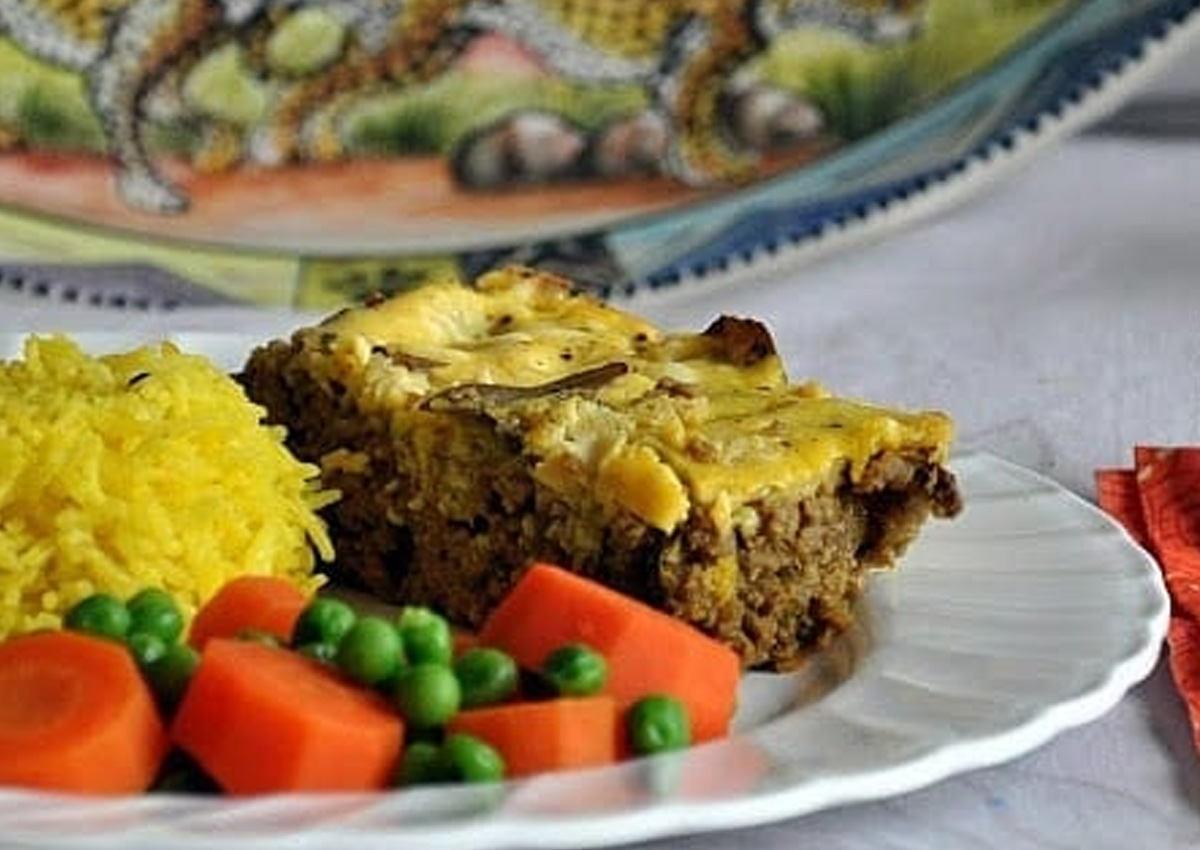
Cape Malay Culture in Cape Town: Food, History & Heritage
Cape Malay culture is one of Cape Town’s most distinctive cultural traditions. It reflects centuries of history, migration, faith, family traditions, food, music, and community life.
Today, the Cape Malay community remains strongly connected to areas such as Bo-Kaap. Visitors can explore colourful homes, historic mosques, traditional cuisine, and stories that reveal an important part of Cape Town’s heritage.
What Is Cape Malay Culture?
Cape Malay culture developed among Muslim communities in the Cape region over several centuries. Its history connects to people brought to the Cape from Southeast Asia, South Asia, East Africa, Madagascar, and other parts of the Indian Ocean world.
Many early arrivals came under Dutch colonial rule as enslaved people, political exiles, prisoners, and workers. Despite difficult circumstances, these communities preserved elements of their faith, languages, cooking traditions, and social customs.
Over time, different communities interacted and developed a distinctive cultural identity. This identity became known as Cape Malay, although the community’s origins extend well beyond the Malay Archipelago.
Today, Cape Malay heritage forms an important part of Cape Town’s multicultural identity.
The History of Cape Malay Culture in Cape Town
Cape Malay history reaches back to the seventeenth century. The Dutch East India Company established Cape Town as a refreshment station in 1652, creating a colonial settlement that later attracted people from across the Indian Ocean.
Some Muslims arrived from territories such as Indonesia, Malaysia, India, Sri Lanka, and parts of East Africa. Others came from local communities within the Cape Colony.
Several Muslim political leaders and religious figures were exiled to the Cape. Their presence contributed to the development of Islam and Muslim communities in the region.
Despite restrictions imposed by colonial authorities, Muslim communities maintained their religious practices and cultural traditions. Their resilience helped shape the cultural landscape of modern Cape Town.
Bo-Kaap: The Heart of Cape Malay Heritage
Bo-Kaap is one of the best places to experience Cape Malay heritage in Cape Town. The neighbourhood sits on the slopes of Signal Hill and is famous for its brightly coloured houses and cobbled streets.
Many homes date from the eighteenth and nineteenth centuries. Their architectural character reflects the history of the area’s early Muslim residents.
Walking through Bo-Kaap allows visitors to see historic mosques, residential buildings, local businesses, and community spaces. The colourful houses also make the neighbourhood one of Cape Town’s most photographed areas.
However, Bo-Kaap represents more than colourful architecture. It remains a living community with families, religious institutions, businesses, and cultural traditions.
A Brief History of Bo-Kaap
Bo-Kaap developed as a residential area for artisans, labourers, and formerly enslaved people. Many residents were Muslim and contributed significantly to the growth of Cape Town’s early communities.
The neighbourhood became closely associated with Islam and Cape Malay identity. Its mosques, homes, schools, and community institutions helped preserve traditions across generations.
The area also experienced major social changes during apartheid. Forced removals and segregation policies affected many communities across Cape Town.
Today, Bo-Kaap’s heritage is increasingly protected through conservation and cultural tourism. Visitors can learn about both its cultural achievements and its difficult history.
Cape Malay Food
Food remains one of the strongest expressions of Cape Malay culture. Traditional dishes combine local ingredients with cooking influences from Southeast Asia, South Asia, Africa, and the wider Indian Ocean.
Spices play a central role in Cape Malay cooking. Cinnamon, cardamom, turmeric, cloves, coriander, cumin, and ginger create the rich aromas associated with many traditional dishes.
Popular foods include bobotie, bredie, samoosas, koeksisters, curry, pickled fish, and fragrant rice dishes. Recipes often differ between families, making food an important expression of personal and family heritage.
For travellers, tasting Cape Malay cuisine provides more than a meal. It offers an introduction to the history of migration, adaptation, and cultural exchange that shaped Cape Town.
Bobotie and Cape Malay Cuisine
Bobotie is among the dishes most commonly associated with Cape Malay cuisine. It traditionally combines spiced minced meat with an egg-based topping.
The dish often includes spices, dried fruit, and other ingredients that create a distinctive balance of sweet and savoury flavours. Recipes vary, with families often preserving their own versions.
Although bobotie is now widely enjoyed across South Africa, its association with Cape Malay cooking remains particularly strong.
Trying bobotie in Cape Town can therefore become a simple but memorable cultural experience.
Cape Malay Spices
Spices are essential to the character of Cape Malay cuisine. Their use reflects centuries of Indian Ocean trade and cultural interaction.
Cinnamon, cloves, cardamom, turmeric, and cumin appear in many traditional dishes. These ingredients create the warm and aromatic flavours that distinguish Cape Malay cooking.
Visitors can explore this culinary heritage through cooking classes, restaurants, food tours, and local markets.
A cooking experience can be especially rewarding because it allows travellers to understand how traditional recipes move from one generation to another.
Cape Malay Mosques and Islamic Heritage
Islam has played a central role in the development of Cape Malay culture. Cape Town’s Muslim community established some of the city’s earliest mosques.
The Auwal Mosque in Bo-Kaap holds particular historical importance. Established in the late eighteenth century, it is widely regarded as South Africa’s first mosque.
The mosque is connected to Imam Abdullah ibn Qadi Abdus Salaam, better known as Tuan Guru. He became an important religious figure in the Cape Muslim community.
Visitors interested in religious heritage should approach mosques respectfully. Dress modestly and follow local guidelines when entering religious spaces.
Cape Malay Music and Traditions
Music and religious traditions form an important part of Cape Malay heritage. Community celebrations may include distinctive forms of singing, chanting, and percussion.
The traditions have evolved through generations while retaining connections to Islamic practices and the community’s diverse origins.
Religious festivals also bring communities together through prayer, food, family gatherings, and shared celebrations.
Travellers may encounter these traditions during cultural events or guided experiences. However, visitors should remember that religious ceremonies remain community practices rather than tourist performances.
Cape Malay Language and Identity
Language provides another important connection to Cape Malay heritage. Historically, Cape Muslim communities used different languages, including Malay, Arabic, Dutch, and Afrikaans.
Afrikaans became especially important within Cape Muslim communities. Muslim writers played a significant role in the early development of written Afrikaans.
Arabic-Afrikaans writing provides an interesting example of this cultural history. Scholars used Arabic script to write Afrikaans before the language became standardized in its modern Latin alphabet.
This history shows how Cape Malay communities adapted language while maintaining religious and cultural connections.
Cape Malay Clothing and Dress
Traditional clothing reflects both religious values and cultural heritage. Modest dress remains important within many Cape Muslim communities.
During religious celebrations, families may wear special clothing and gather for meals and prayers. Clothing styles can vary according to age, family tradition, and personal preference.
Visitors should dress respectfully when exploring Bo-Kaap and visiting religious sites. Modest clothing becomes particularly important when entering mosques.
Cape Malay Heritage and Family Traditions
Family remains central to Cape Malay cultural life. Recipes, religious practices, stories, and traditions often pass from parents and grandparents to younger generations.
Food plays a particularly important role in maintaining family connections. Special recipes may appear during religious holidays, weddings, community gatherings, and family celebrations.
These traditions help preserve cultural identity despite generations of social change.
For travellers, learning about family traditions can provide a more personal understanding of Cape Malay heritage.
Cape Malay Culture During Ramadan and Eid
Ramadan is an important period for Cape Town’s Muslim community. Families gather for evening meals after fasting, while mosques become important centres of prayer and community life.
Eid al-Fitr marks the end of Ramadan and brings families together for prayers, meals, visits, and celebrations.
Traditional dishes often become part of these gatherings. Food preparation can involve several generations working together in the kitchen.
Visitors travelling during Ramadan should show awareness of fasting practices. Respectful behaviour can make cultural interactions more comfortable for everyone.
Cape Malay Cooking Experiences in Cape Town
A cooking class offers one of the best ways to explore Cape Malay heritage. Participants can learn how spices, cooking methods, and family recipes connect with the community’s history.
Many experiences focus on dishes such as curry, samoosas, roti, and traditional desserts. Local cooks can also explain the stories behind particular recipes.
This type of experience creates a direct connection between food and cultural heritage. It also allows travellers to support local cooks and small businesses.
For food lovers, a Cape Malay cooking experience can become one of the highlights of a Cape Town itinerary.
Cape Malay Heritage Tours
Walking tours provide another way to explore Cape Malay history. A knowledgeable local guide can explain the stories behind buildings, mosques, streets, families, and historic events.
A Bo-Kaap walking tour can include visits to historic landmarks and explanations of the neighbourhood’s architectural character.
Some tours also include food tastings or cooking experiences. Combining history and cuisine creates a more complete introduction to Cape Malay culture.
Travellers should choose community-focused experiences that treat residents and heritage sites with respect.
Cape Malay Culture and Apartheid History
Cape Malay heritage cannot be separated from South Africa’s history of racial segregation. Apartheid policies affected residential areas, education, employment, and community life across Cape Town.
Forced removals changed many neighbourhoods and displaced families from areas where they had lived for generations.
Bo-Kaap experienced significant pressure during these periods, although much of its historic character survived.
Learning about this history adds important context to a cultural visit. It also helps visitors understand why heritage preservation remains important to local communities.
How to Experience Cape Malay Culture Respectfully
Cultural tourism works best when visitors approach communities with curiosity and respect. Ask before photographing residents, homes, religious ceremonies, or private events.
Dress modestly when visiting mosques and other religious spaces. Follow local instructions and avoid interrupting prayers or community activities.
Supporting local restaurants, guides, artisans, and community-based experiences can also help keep cultural tourism benefits within the neighbourhood.
Most importantly, remember that Bo-Kaap is a living residential community. It should not be treated simply as a photographic attraction.
Best Ways to Experience Cape Malay Culture
A cultural day in Cape Town can include several different experiences. Start with a guided walk through Bo-Kaap and learn about its history, architecture, and Muslim heritage.
Visit the Auwal Mosque when appropriate and learn about its historical significance. Then explore local cuisine through a restaurant meal or Cape Malay cooking class.
You can also combine the experience with visits to other historic areas of Cape Town. District Six, the Company’s Garden, and the Castle of Good Hope can provide additional context about the city’s complex history.
This combination creates a broader understanding of Cape Town’s cultural development.
Why Cape Malay Culture Matters
Cape Malay culture demonstrates how communities can preserve identity through difficult historical circumstances. Religion, food, language, family traditions, and neighbourhood life have all helped maintain this heritage.
Its influence extends beyond Bo-Kaap. Cape Malay cuisine, religious traditions, and cultural practices have become part of the broader identity of Cape Town and South Africa.
For visitors, discovering this heritage adds depth to a Cape Town holiday. It creates opportunities to understand the city through the experiences of the communities that helped shape it.
Plan Your Cape Malay Cultural Experience
Cape Malay culture offers travellers a fascinating introduction to Cape Town’s diverse history. From the colourful streets of Bo-Kaap to traditional food and historic mosques, every experience reveals another part of the city’s heritage.
A well-planned cultural tour can combine history, cuisine, architecture, and personal stories. Whether you join a walking tour, take a cooking class, or explore local restaurants, Cape Malay heritage provides a meaningful way to experience Cape Town beyond its famous attractions.
For travellers exploring South Africa, adding Cape Malay cultural experiences to a Cape Town itinerary creates a richer and more authentic journey.