Great Migration Safaris
February 10, 2026
Photographic Safaris
February 10, 2026
Horseback Riding Safaris in Tanzania
Horseback riding safaris in Tanzania offer a unique way to experience Africa’s wilderness. Unlike traditional game drives, horseback safaris allow travelers to explore landscapes quietly and naturally while becoming part of the environment.
Riding through open plains, forests, and wildlife corridors creates an unforgettable connection with nature. Horses move calmly through the wilderness, allowing riders to observe animals without the sound of a vehicle engine.
Tanzania provides some of the most exciting horseback safari experiences in Africa. From riding alongside wildebeests in the Serengeti ecosystem to exploring remote areas near Mount Kilimanjaro, these adventures combine wildlife, adventure, and freedom.
A Tanzania horseback safari suits travelers who want a more active and immersive experience. It offers a closer connection to landscapes, wildlife, and local cultures.
Why Book This Destination
Explore More about Horseback Riding Safaris in Tanzania
Why Choose a Horseback Safari in Tanzania?
A horseback riding safari in Tanzania provides a different perspective compared to traditional wildlife tours. Riders can access areas where vehicles cannot travel, creating more exclusive wilderness experiences.
Horses allow visitors to move quietly through nature. Wildlife often continues with normal behavior because the animals recognize horses as part of the natural environment.
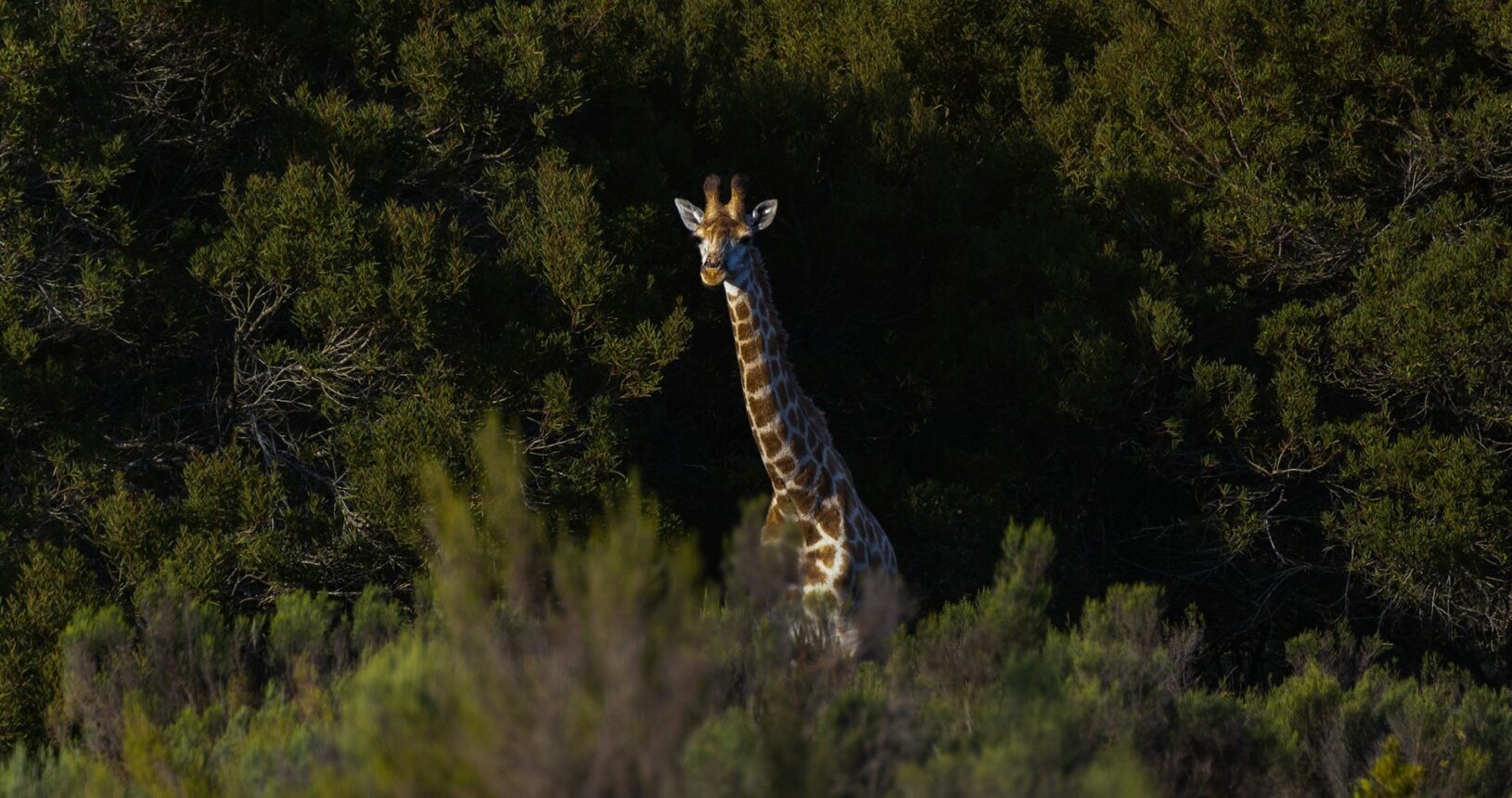
This style of safari offers incredible moments such as riding near herds of zebras, watching giraffes move through woodland areas, and exploring open savannah landscapes.
Horseback safaris also create a sense of adventure. Riders participate actively in the journey instead of simply observing wildlife from a vehicle.
Serengeti Horseback Riding Safaris
The Serengeti National Park and surrounding conservation areas provide some of the world’s most famous horseback safari experiences.
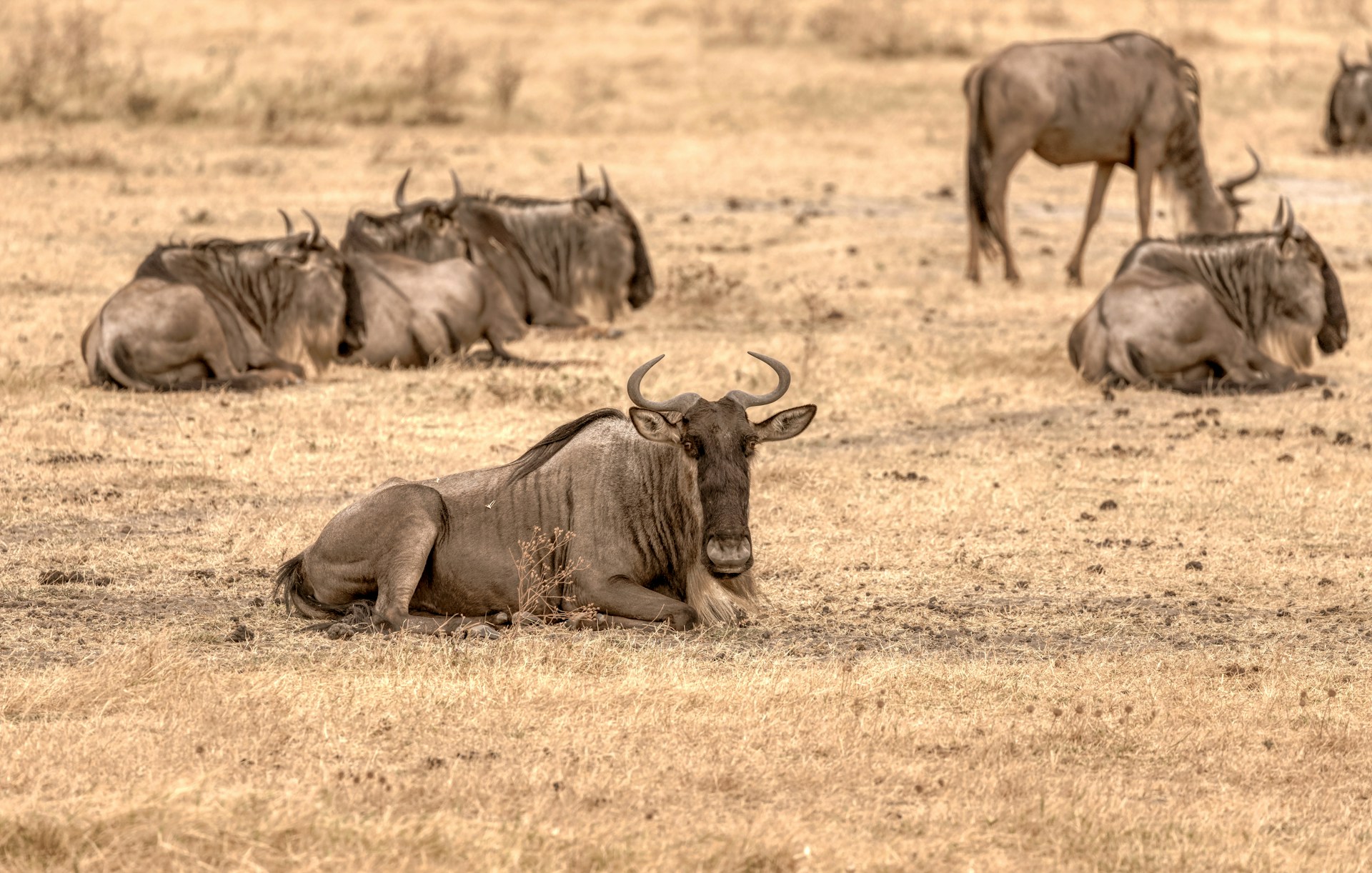
Riding across the Serengeti plains allows travelers to experience the landscape where millions of wildebeests, zebras, and gazelles move during the Great Migration.
Horseback safaris near the Serengeti can follow wildlife trails, explore remote areas, and provide excellent opportunities for photography.
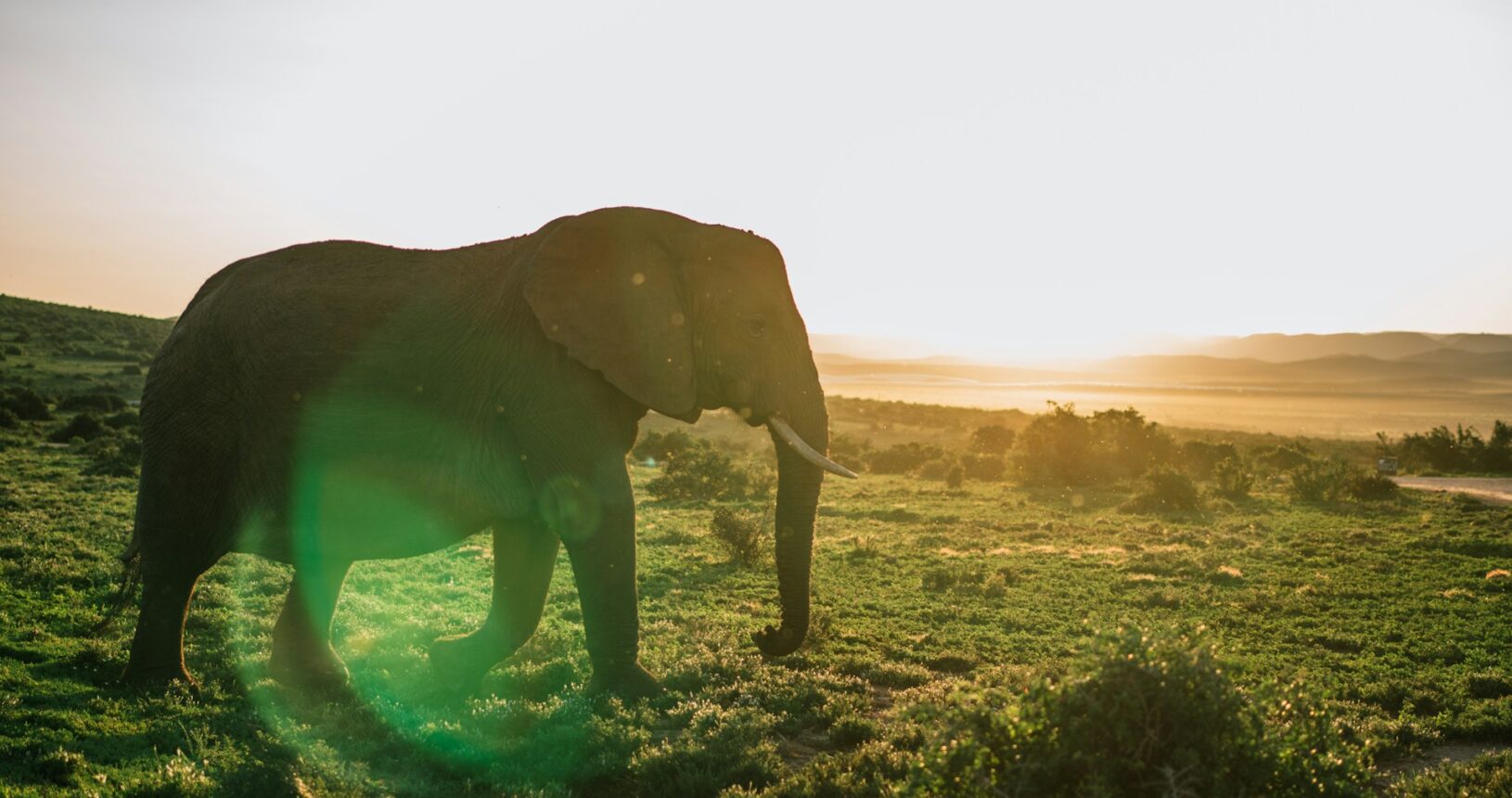
Riders may encounter elephants, giraffes, antelopes, buffaloes, and other wildlife while exploring the ecosystem.
The feeling of moving across endless grasslands on horseback creates a deep connection with the natural world.
Horseback Safaris During the Great Migration
One of the most exciting experiences is combining horseback riding safaris in Tanzania with the Great Migration.
During certain seasons, riders can follow parts of the migration route and witness large herds moving across the plains.
The ability to travel quietly provides opportunities to approach wildlife viewing areas that vehicles may not reach.
Watching thousands of wildebeests and zebras move across the Serengeti while sitting on horseback creates a truly unforgettable experience.
Migration horseback safaris require careful planning because animal movements change throughout the year. Experienced guides select routes based on seasonal conditions and wildlife locations.
Maasai Culture and Horseback Experiences
Horseback safaris also provide opportunities to connect with Tanzania’s local cultures, especially Maasai communities.
The Maasai have a deep relationship with livestock, land, and traditional ways of life. Cultural experiences can introduce visitors to local traditions, storytelling, and conservation practices.
Riding through areas near Maasai villages offers insight into the relationship between communities and wildlife.
Responsible cultural interactions support local livelihoods while allowing travelers to understand Tanzania beyond its national parks.
Horseback Riding in Northern Tanzania
Northern Tanzania offers some of the best locations for horseback riding adventures.
Areas around Arusha, the Serengeti ecosystem, and Mount Kilimanjaro provide diverse landscapes for riding.
Near Arusha, riders can explore countryside areas, forests, and scenic landscapes with views of surrounding mountains.
The Lake Manyara and Ngorongoro regions also provide beautiful riding environments with opportunities to experience wildlife and dramatic scenery.
Northern Tanzania combines adventure activities with classic safari destinations.
Horseback Safaris Near Mount Kilimanjaro
A Tanzania horseback safari near Mount Kilimanjaro provides incredible views and diverse landscapes.
Riders can explore coffee farms, forests, open fields, and rural communities while enjoying views of Africa’s highest mountain.
These experiences often combine nature, culture, and adventure. Travelers can learn about local farming traditions while exploring the landscapes surrounding Kilimanjaro.
Horseback riding near Kilimanjaro provides a peaceful alternative to more challenging mountain activities.
What to Expect on a Horseback Safari
A horseback safari begins with a safety briefing and introduction to the horses. Guides match riders with suitable horses based on experience and comfort level.
Professional guides lead the journey and explain wildlife behavior, local ecosystems, and safety practices.
Daily rides vary depending on the itinerary. Some routes include short rides followed by wildlife viewing, while others involve multi-day wilderness adventures.
Riders should expect changing terrain, including grasslands, trails, hills, and sandy areas.
The experience focuses on adventure, exploration, and enjoying the natural surroundings.
Horseback Safari for Beginners
Many travelers assume horseback safaris only suit experienced riders. However, many operators welcome beginners with little or no riding experience.
Beginner-friendly rides usually take place on easier trails with calm horses and experienced guides.
Riders receive instructions on basic horse control, safety, and riding techniques before starting.
However, comfort around horses and a reasonable level of fitness remain important. Long hours in the saddle require endurance and preparation.
Experienced riders can enjoy more challenging routes and longer wilderness journeys.
Best Time for Horseback Riding Safaris in Tanzania
The best time for a horseback riding safari in Tanzania depends on weather conditions and wildlife movements.
The dry season from June to October provides comfortable riding conditions. Wildlife viewing is also excellent because animals gather near water sources.
January to March offers opportunities to experience the Great Migration calving season in southern Serengeti areas.
The green season from November to May brings beautiful landscapes, fresh vegetation, and excellent photography opportunities.
Each season provides a different riding experience.
What to Pack for a Horseback Safari
Packing the right items improves comfort during a horseback safari.
Riders should bring comfortable riding trousers, lightweight shirts, a sun hat, sunglasses, and sunscreen.
Closed riding shoes or boots with a small heel provide better safety while riding. Comfortable clothing helps during long hours outdoors.
A lightweight jacket is useful for cooler mornings and evenings. A small backpack can carry personal items, water, and a camera.
Riders should also bring personal medication and travel essentials.
Wildlife Safety During Horseback Safaris
Safety remains a priority during every Tanzania horseback safari. Professional guides understand animal behavior and select routes carefully.
Riders must follow guide instructions and maintain safe distances from wildlife.
Horses respond naturally to animals, and guides help manage encounters with larger species such as elephants or buffaloes.
Responsible riding practices protect both wildlife and visitors.
The goal is to observe animals respectfully while minimizing disturbance.
Conservation and Sustainable Horseback Safaris
Horseback safaris support conservation by creating low-impact tourism experiences.
Many operators work with conservation areas and local communities to protect habitats and promote responsible tourism.
Because horses create less environmental impact than vehicles, horseback safaris provide a sustainable way to explore wilderness areas.
Tourism revenue helps support wildlife protection and community development programs.
Combining Horseback Safaris with Traditional Safaris
Many travelers combine horseback riding with classic Tanzania safari experiences.
A journey can include game drives in the Serengeti, visits to Ngorongoro Crater, and horseback adventures in private conservation areas.
This combination provides different perspectives of Tanzania’s wildlife and landscapes.
Travelers enjoy both traditional wildlife viewing and active exploration.
A mixed itinerary creates a complete African adventure.
Plan Your Safari
Horseback riding safaris in Tanzania offer an extraordinary way to discover Africa’s wilderness. Riding across open plains, exploring wildlife areas, and experiencing nature at a slower pace creates unforgettable memories.
From the Serengeti grasslands to the landscapes around Mount Kilimanjaro, Tanzania provides incredible opportunities for adventure on horseback.
For travelers seeking a unique safari experience beyond traditional game drives, a horseback safari delivers freedom, excitement, and a deeper connection with the wild.
In Africa’s national parks, every sunrise paints a masterpiece — where the wild’s call echoes across endless horizons. Visiting these parks is to witness nature in its purest form, a timeless dance that stirs the soul.
Steps to Book Your Southern Africa Tour
Choose Your Adventure
Confirm Your Booking
Begin Your Journey
Ready to plan your tailor-made safari?