Horseback Riding Safaris
February 10, 2026
Sustainable Safaris
February 10, 2026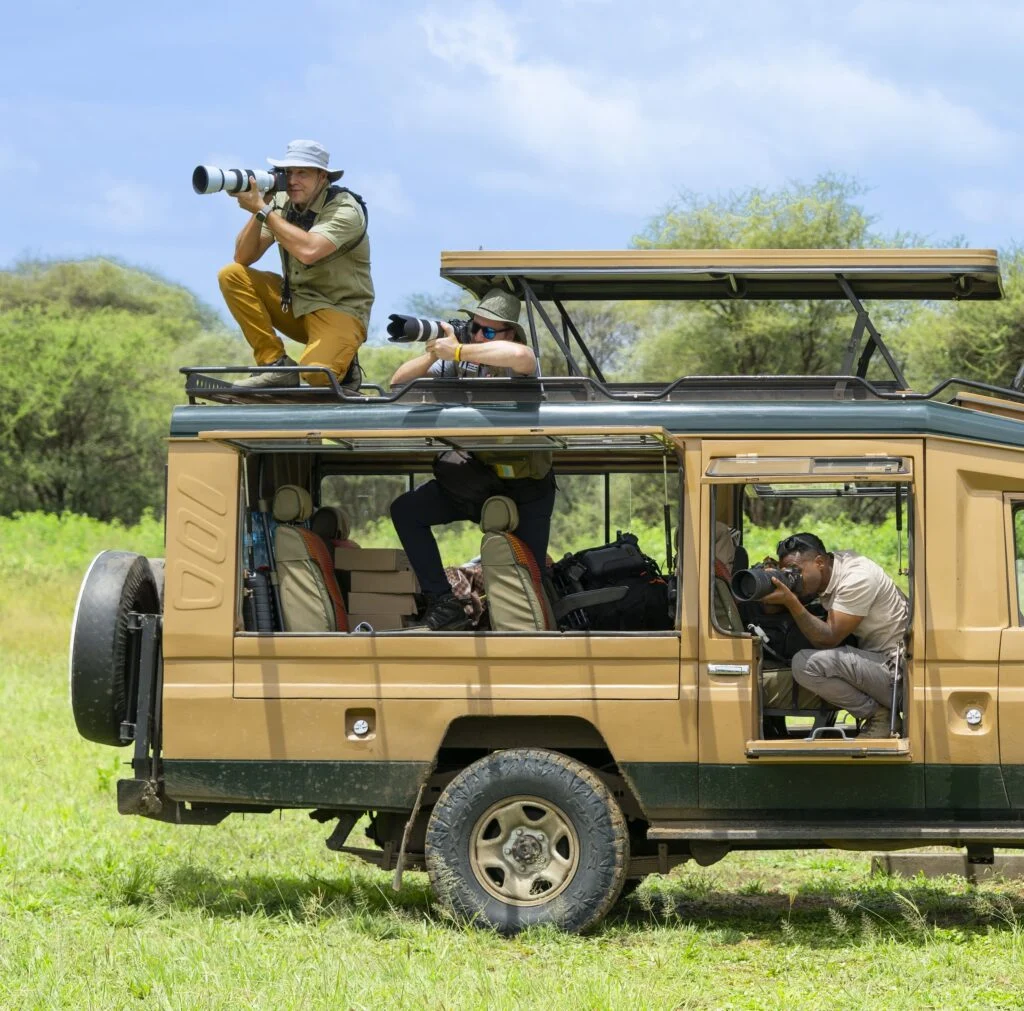
Photographic Safari
Photographic safaris in Tanzania offer an incredible opportunity to capture some of Africa’s most iconic wildlife, landscapes, and cultural moments. Tanzania is one of the world’s greatest safari destinations, with diverse ecosystems that provide endless opportunities for wildlife photography.
From lions resting on the Serengeti plains to elephants walking beneath ancient baobab trees, every day creates new photography opportunities. The country’s famous national parks, conservation areas, and remote wilderness locations provide perfect settings for both professional photographers and travelers who want to improve their skills.
A Tanzania photographic safari combines adventure, creativity, and wildlife exploration. With expert guides, carefully selected locations, and excellent light conditions, photographers can capture unforgettable images of Africa’s natural beauty.
Why Book This Destination
Explore More about Photographic Safari
Why Choose Tanzania for a Photographic Safari?
Tanzania remains one of the best destinations for a wildlife photography safari because of its incredible biodiversity and dramatic landscapes.
The country protects some of Africa’s most famous wildlife areas, including Serengeti National Park, Ngorongoro Conservation Area, Tarangire National Park, and Nyerere National Park.
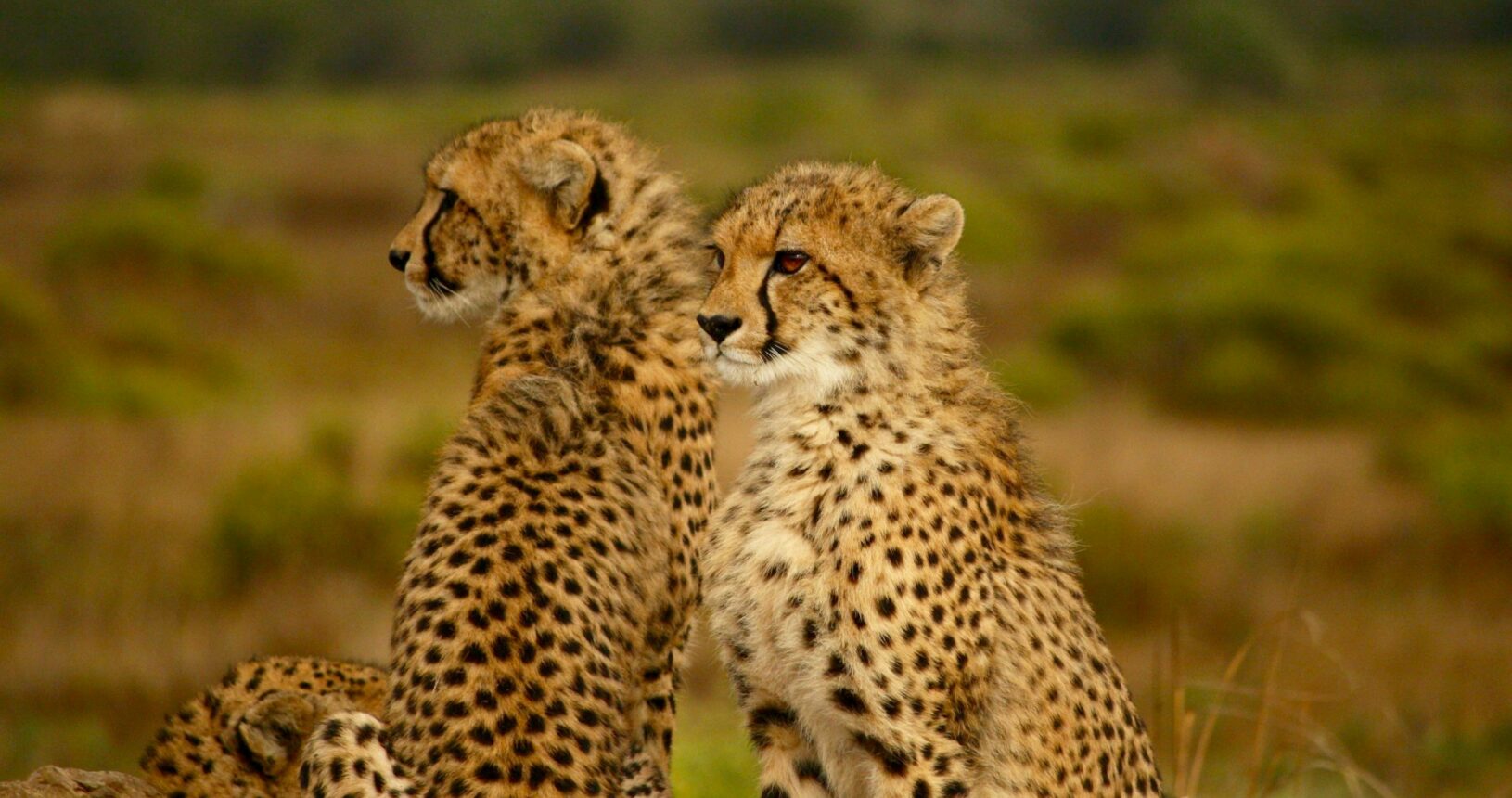
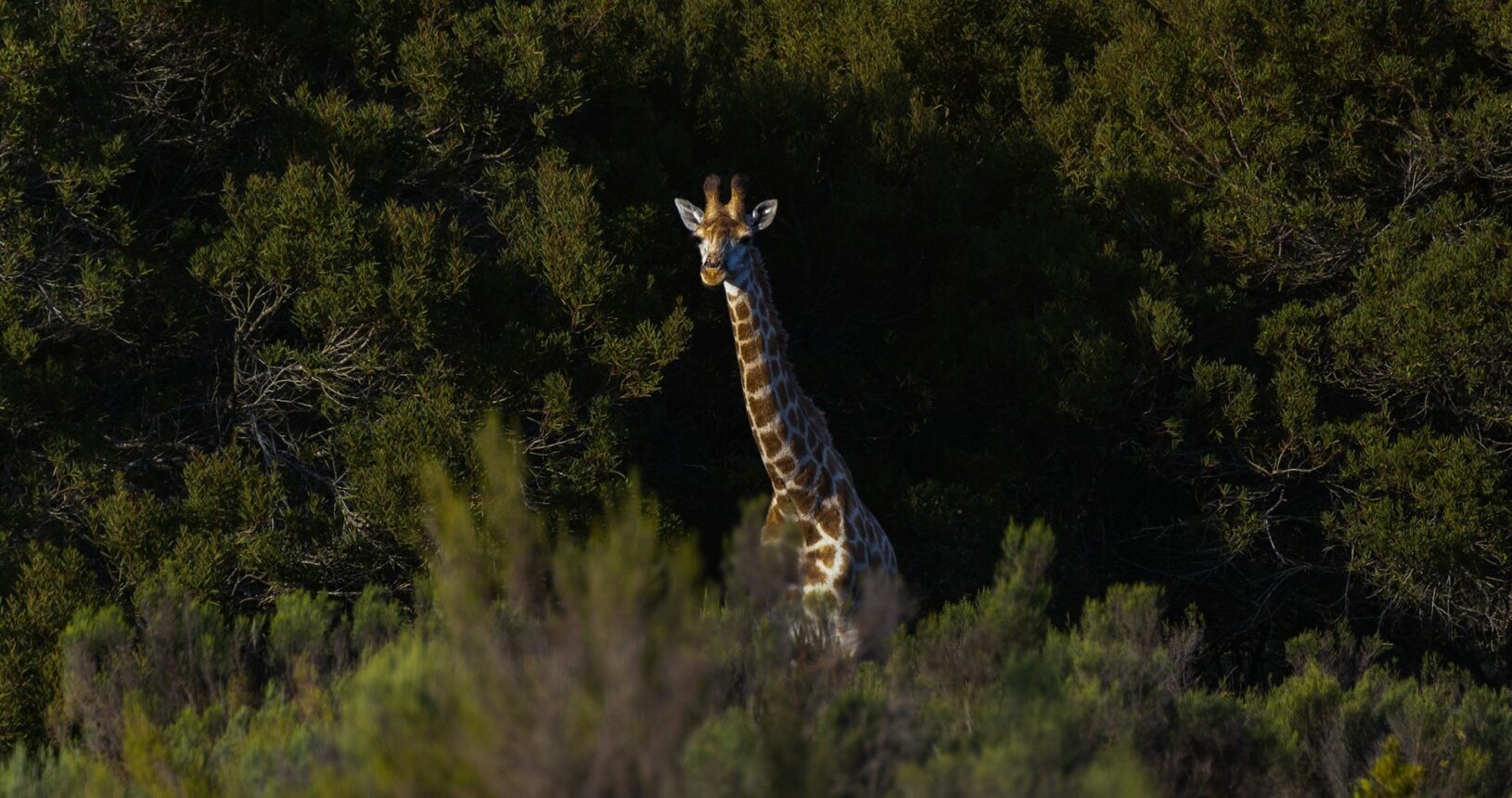
These destinations offer opportunities to photograph the Big Five, including lions, elephants, leopards, buffaloes, and rhinos. Visitors can also capture cheetahs, giraffes, zebras, wildebeests, birds, and countless other species.
Tanzania’s varied environments create different photography styles. Open savannahs, volcanic landscapes, forests, wetlands, and lakes provide unique backgrounds for wildlife images.
Serengeti Photographic Safaris
The Serengeti National Park is one of the world’s most famous destinations for wildlife photography. Its endless plains, abundant wildlife, and spectacular natural events attract photographers from around the globe.
The Serengeti provides exceptional opportunities to photograph lions, cheetahs, leopards, elephants, and large herds of grazing animals.
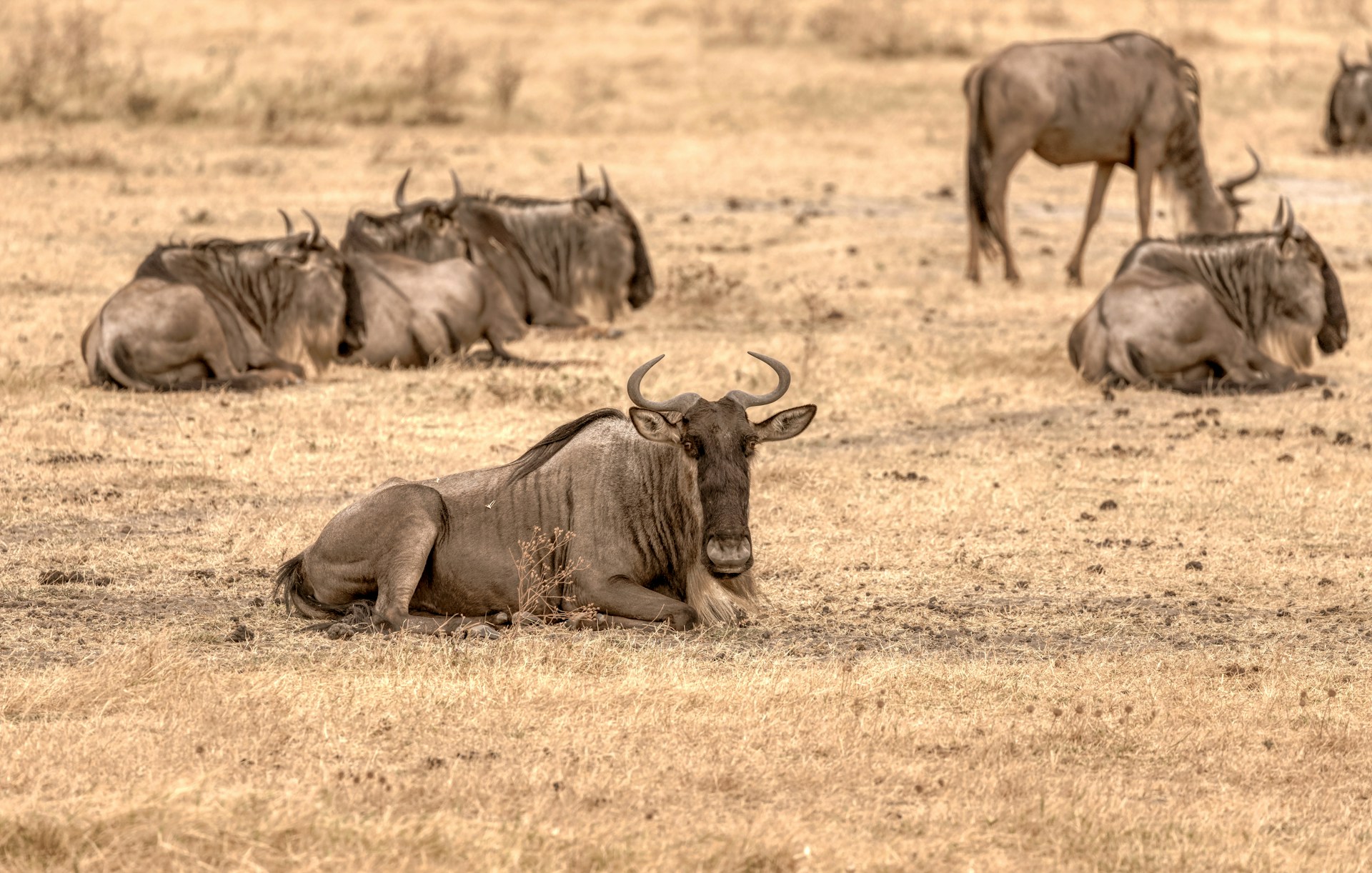
During the Great Migration, photographers can capture dramatic scenes of wildebeests and zebras moving across the plains. River crossings, predator interactions, and large animal gatherings create powerful photographic moments.
The park’s open landscapes also provide excellent visibility, allowing photographers to capture wildlife behavior in natural settings.
Photography During the Great Migration
A Great Migration photographic safari in Tanzania offers some of the most dramatic wildlife photography opportunities in Africa.
More than one million wildebeests, along with zebras and gazelles, move through the Serengeti ecosystem every year. This natural event creates countless opportunities for photographers.
The calving season between January and March allows visitors to photograph newborn animals and predator activity in the southern Serengeti.
The northern Serengeti provides opportunities to capture river crossings during the migration season. These moments require patience because wildlife movements follow natural patterns.
Professional guides help photographers position themselves in suitable locations while respecting animal behavior.
Ngorongoro Crater Photography Experiences
The Ngorongoro Crater offers a unique setting for photographic safaris in Tanzania. This ancient volcanic caldera contains diverse habitats within a small area.
Photographers can capture lions, elephants, buffaloes, hippos, flamingos, and other wildlife against dramatic crater landscapes.
The crater walls create beautiful backgrounds, while the concentration of wildlife provides excellent opportunities for capturing different species in a single location.
The changing light throughout the day creates different moods, making Ngorongoro one of Tanzania’s most rewarding photography destinations.
Tarangire National Park Photography Safaris
Tarangire National Park provides outstanding opportunities for wildlife and landscape photography.
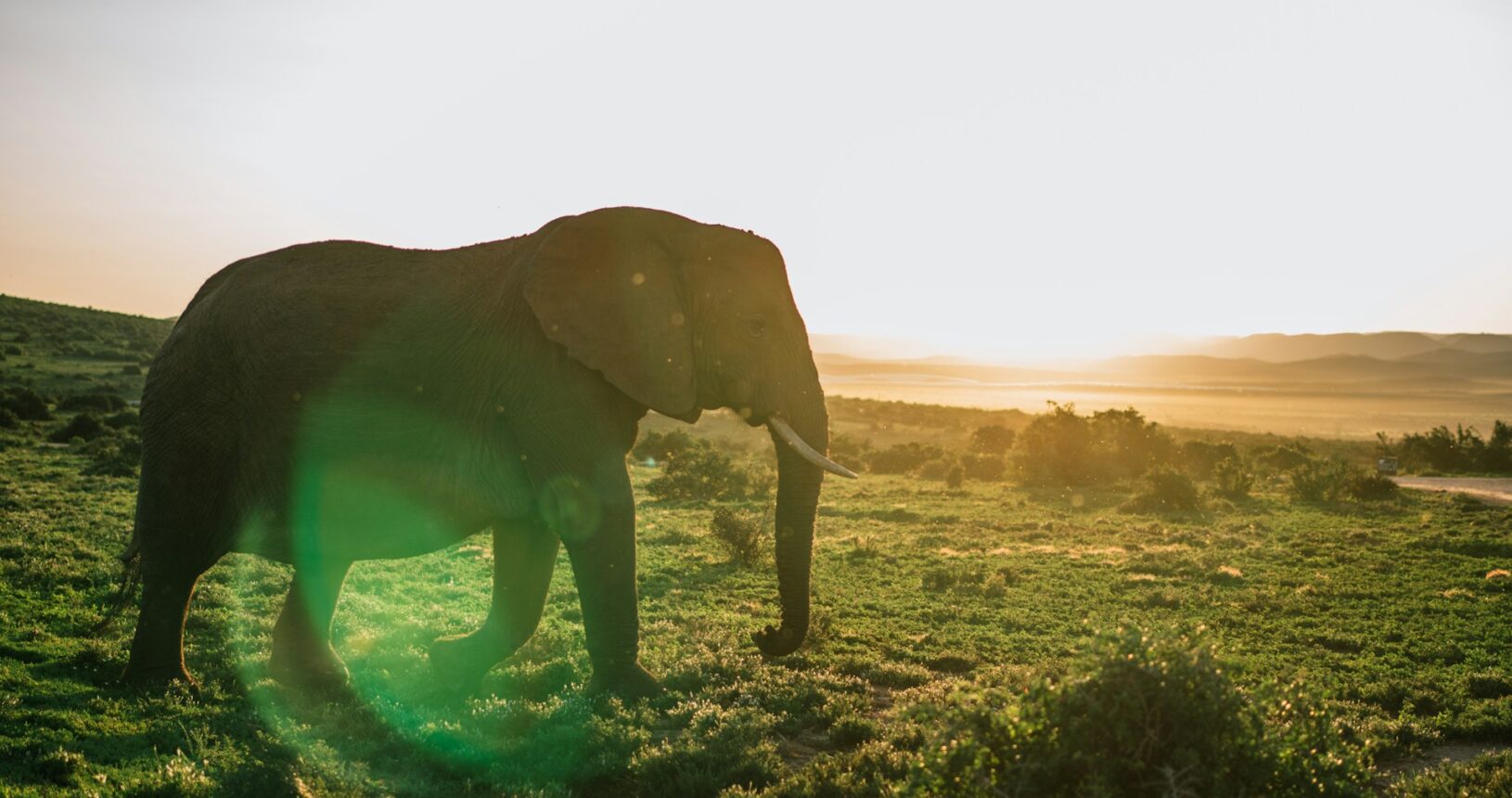
The park is famous for its large elephant populations, ancient baobab trees, and seasonal wildlife gatherings.
Photographers can capture elephants moving through golden grasslands, birds perched on baobab branches, and stunning sunset scenes.
During the dry season, animals gather around the Tarangire River, creating excellent opportunities for close wildlife photography.
The park’s peaceful atmosphere also allows photographers more time to observe and capture animal behavior.
Nyerere and Ruaha Photographic Adventures
For photographers seeking remote experiences, Nyerere National Park and Ruaha National Park provide incredible opportunities.
Nyerere offers diverse landscapes, including rivers, wetlands, and open wilderness areas. Boat photography along the Rufiji River allows visitors to capture hippos, crocodiles, birds, and wildlife along the shoreline.
Ruaha National Park offers excellent predator photography, especially for lions and other carnivores. The park’s remote environment provides a more exclusive safari experience.
These destinations allow photographers to explore less crowded areas while capturing unique wildlife moments.
Best Time for Photographic Safaris in Tanzania
The best time for a photographic safari in Tanzania depends on the type of images you want to capture.
The dry season from June to October provides excellent wildlife viewing because animals gather near water sources. The landscapes also create beautiful golden tones for photography.
January to March offers excellent opportunities for capturing newborn animals during the Serengeti calving season.
The green season from November to May brings lush landscapes, dramatic skies, and excellent conditions for bird photography.
Every season offers different photography opportunities.
Wildlife Photography Tips
Successful wildlife photography requires patience, preparation, and respect for animals.
A camera with a zoom lens helps capture wildlife while maintaining a safe distance. A wide-angle lens can help photograph landscapes and animals within their environments.
Early mornings and late afternoons provide the best natural light. During these times, animals are often more active and the soft light creates beautiful images.
Photographers should avoid disturbing wildlife while taking pictures. Following guide instructions helps protect animals and creates better experiences.
Equipment for a Tanzania Photographic Safari
Choosing the right equipment improves the photography experience.
A camera body with fast autofocus helps capture moving animals. Telephoto lenses are useful for photographing distant wildlife.
Extra batteries, memory cards, and protective camera bags are important because safari days can involve long hours outdoors.
Binoculars also help photographers locate animals before capturing images.
Travelers should consider lightweight equipment because safari vehicles have limited space.
Professional Photographic Safari Guides
A skilled guide plays an important role in a successful Tanzania photography safari.
Professional guides understand animal behavior, seasonal movements, and the best locations for photography.
They know how to position vehicles safely and provide enough time for photographers to capture special moments.
Some photographic safaris include specialized photography guides who help with camera settings, composition, and creative techniques.
Their knowledge improves both wildlife viewing and photography results.
Luxury Photographic Safari Experiences
Tanzania offers exceptional options for travelers seeking premium photography experiences.
Private vehicles allow photographers more flexibility with timing and positioning. Exclusive camps provide access to remote wildlife areas with fewer visitors.
Many luxury safari properties offer photography support, professional guides, and comfortable spaces for reviewing images.
A luxury Tanzania photographic safari combines wildlife adventure with personalized service.
Conservation Through Photography Safaris
Photography tourism contributes to wildlife conservation in Tanzania.
Safari revenue supports national parks, wildlife protection programs, and community initiatives.
Photographers also play an important role by sharing images that raise awareness about conservation challenges and the importance of protecting natural habitats.
Responsible photography helps ensure wildlife remains protected for future generations.
Combining Photography Safaris with Other Experiences
A photographic safari in Tanzania can combine with many other activities.
Travelers can add hot air balloon flights over the Serengeti, chimpanzee trekking in western Tanzania, cultural visits, or beach relaxation in Zanzibar.
Combining different experiences creates a complete journey through Tanzania’s landscapes and cultures.
The variety of activities allows photographers to capture wildlife, people, scenery, and traditions.
Plan Your Safari
Photographic safaris in Tanzania provide a unique opportunity to capture Africa’s most incredible moments. From powerful predators and massive herds to breathtaking landscapes and cultural experiences, Tanzania offers endless inspiration for photographers.
Whether you are a professional photographer or simply want to preserve your travel memories, Tanzania provides the perfect setting for unforgettable images.
With expert guides, remarkable wildlife, and world-class destinations, a photographic safari in Tanzania creates stories that last a lifetime.
In Africa’s national parks, every sunrise paints a masterpiece — where the wild’s call echoes across endless horizons. Visiting these parks is to witness nature in its purest form, a timeless dance that stirs the soul.
Steps to Book Your Southern Africa Tour
Choose Your Adventure
Confirm Your Booking
Begin Your Journey
Ready to plan your tailor-made safari?