The Languages of Namibia
February 1, 2026
Kafue National Park
February 1, 2026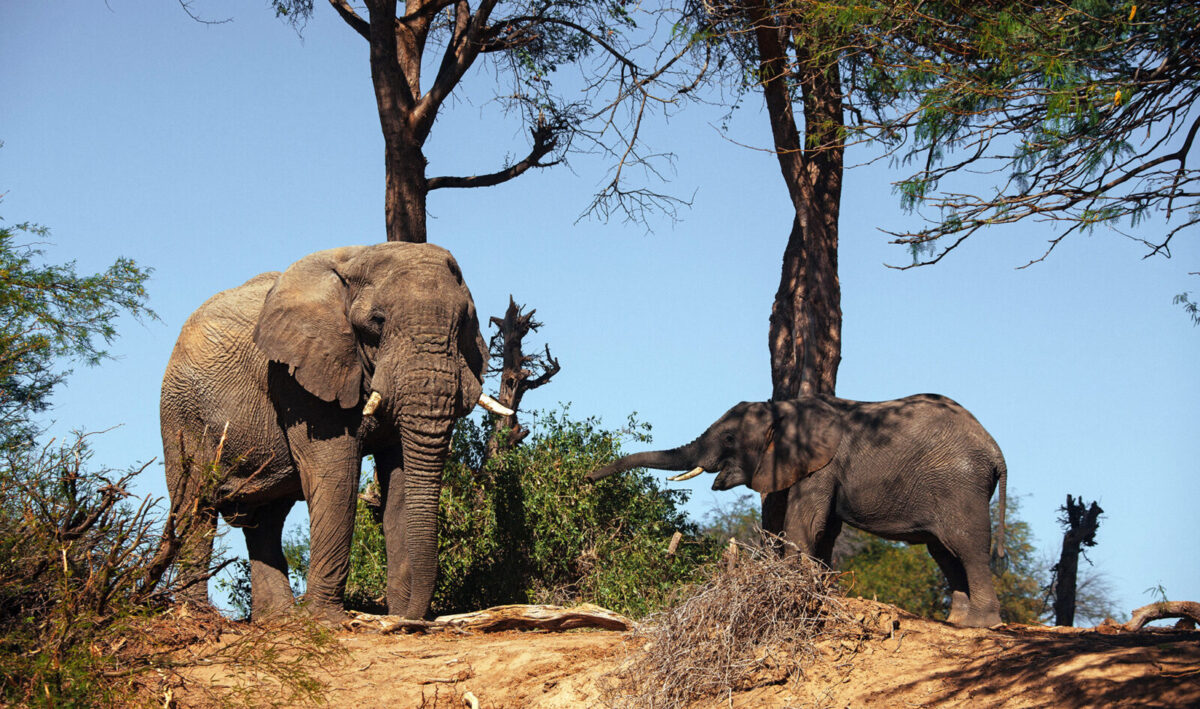
Wildlife in Namibia
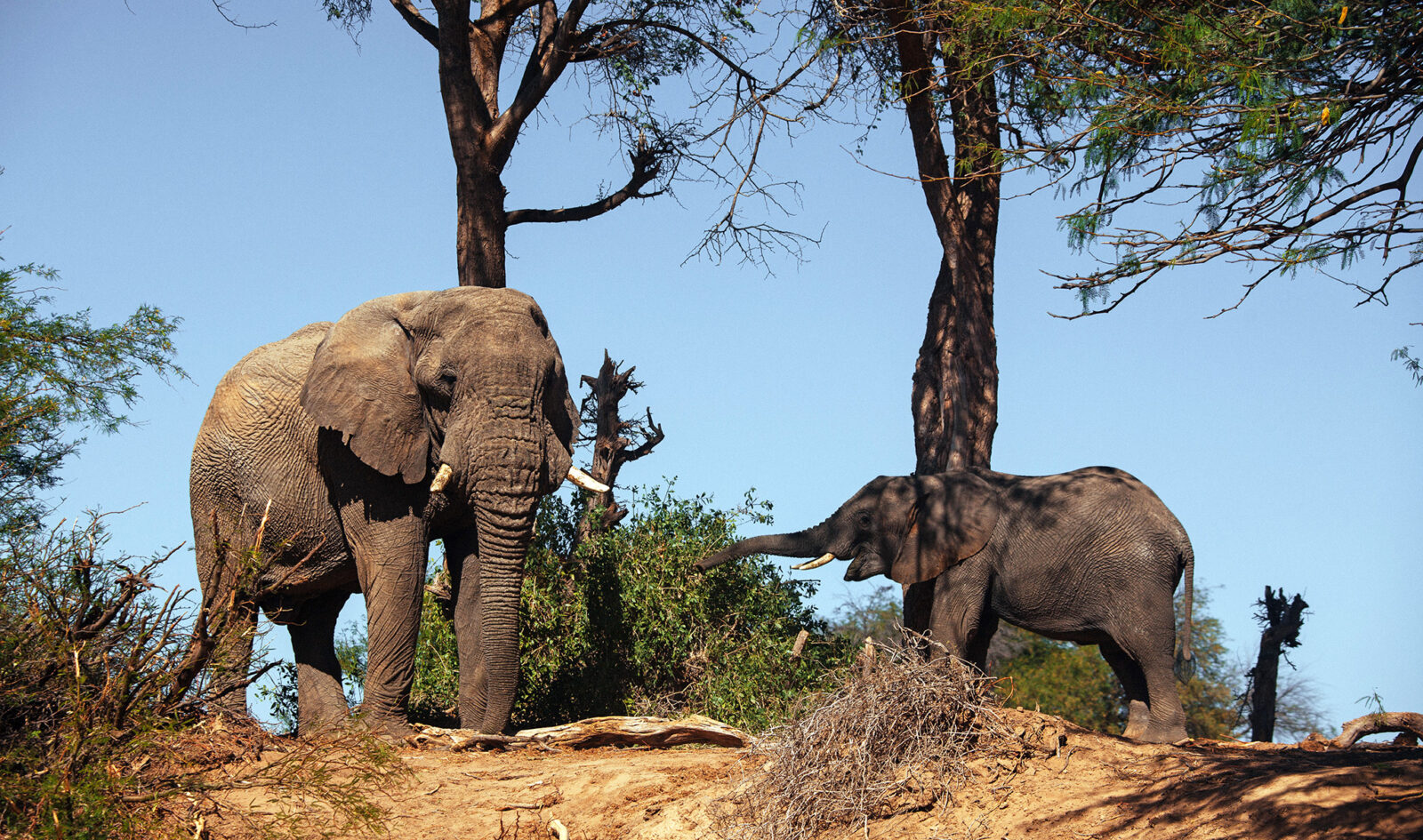
Wildlife in Namibia stands among the most unique and resilient in Africa because it has adapted to some of the harshest environments on the continent. Unlike traditional savannah destinations, Namibia combines desert, semi-desert, savannah, coastal, and wetland ecosystems, creating an extraordinary range of animal habitats within one country.
From the red dunes of the Namib Desert to the floodplains of the Zambezi Region and the wildlife-rich plains of Etosha National Park, Namibia delivers a safari experience defined by space, silence, and survival. Animals here do not only thrive in abundance-rich environments but also in extreme conditions where water and vegetation remain scarce.
This ecological diversity makes Wildlife in Namibia one of the most fascinating safari experiences in Africa, especially for travelers seeking something different from the typical Big Five destinations.
Why Book This Destination
Explore More about Wildlife in Namibia
Etosha National Park: The Heart of Namibia’s Wildlife
Etosha National Park anchors most discussions about Wildlife in Namibia because it offers some of the most consistent and accessible game viewing in Southern Africa. The park centers around the vast Etosha Pan, a salt desert visible from space during dry months.
Wildlife gathers around permanent waterholes, creating predictable yet dramatic viewing opportunities. Elephants dominate many scenes, often arriving in family herds to drink and bathe. Lions patrol the open plains, especially during early morning and late afternoon hours when temperatures remain cooler.
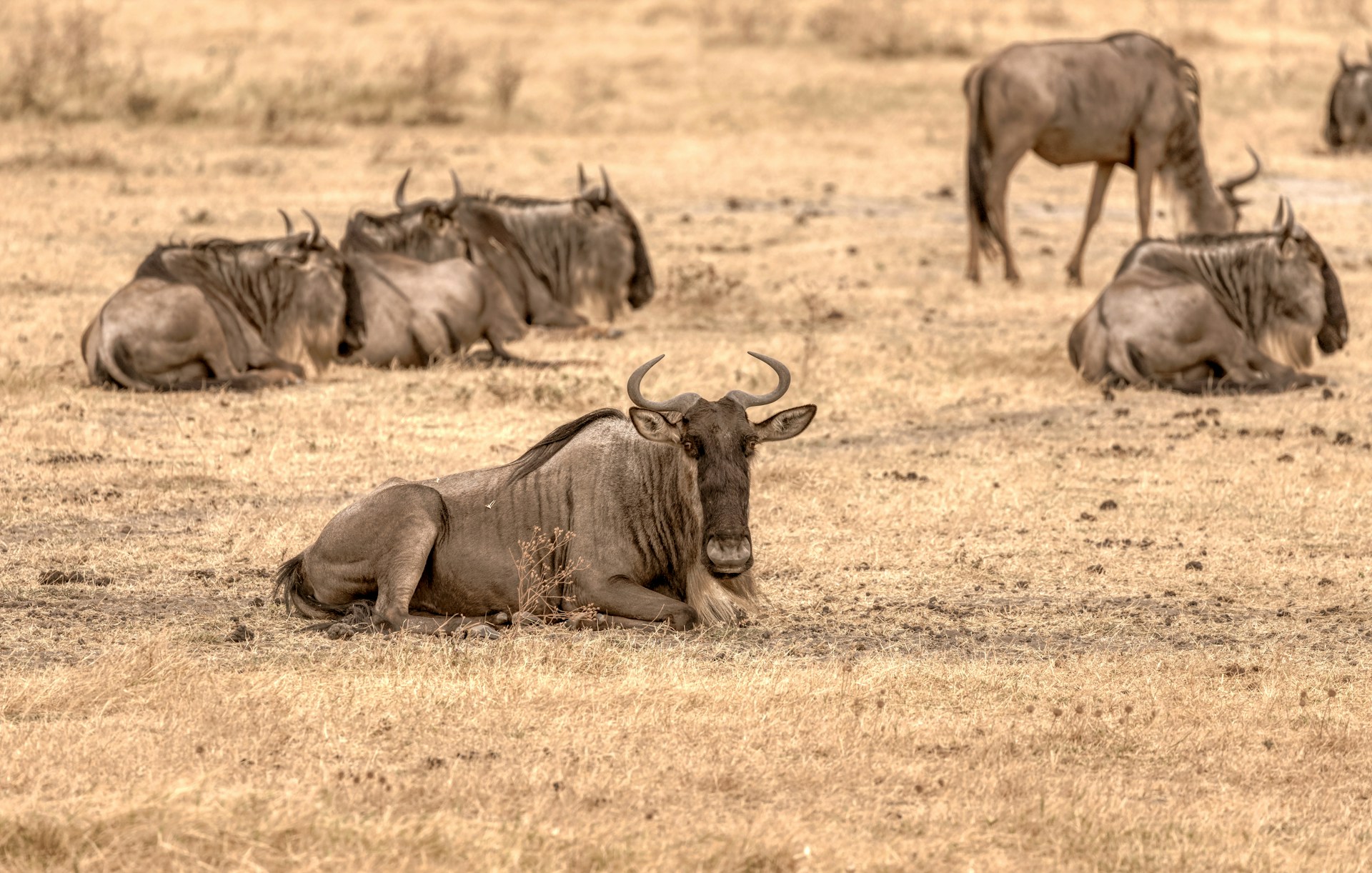
Leopards remain more elusive, but they thrive in wooded areas and rocky outcrops. Black rhinos, one of Africa’s most endangered species, also find strong protection within Etosha’s boundaries. Giraffes, zebras, wildebeests, springboks, oryx, and kudu form large herds that move across the plains in search of grazing.
Etosha also supports excellent birdlife, especially after seasonal rains when flamingos and migratory species gather around temporary water pools.
Desert-Adapted Wildlife in Namibia
One of the most remarkable aspects of Wildlife in Namibia is the presence of desert-adapted species that survive in extremely dry environments. These animals have evolved unique behaviors and physiological adaptations that allow them to thrive in conditions that would challenge most wildlife elsewhere in Africa.
Desert-adapted elephants roam through Damaraland and the northern Skeleton Coast regions. They travel long distances between water sources and display smaller herd sizes compared to savannah elephants.
Desert lions also inhabit remote areas of the Namib Desert and Skeleton Coast. These rare predators have adapted to hunt oryx, springbok, and smaller mammals in arid landscapes where prey is widely scattered.
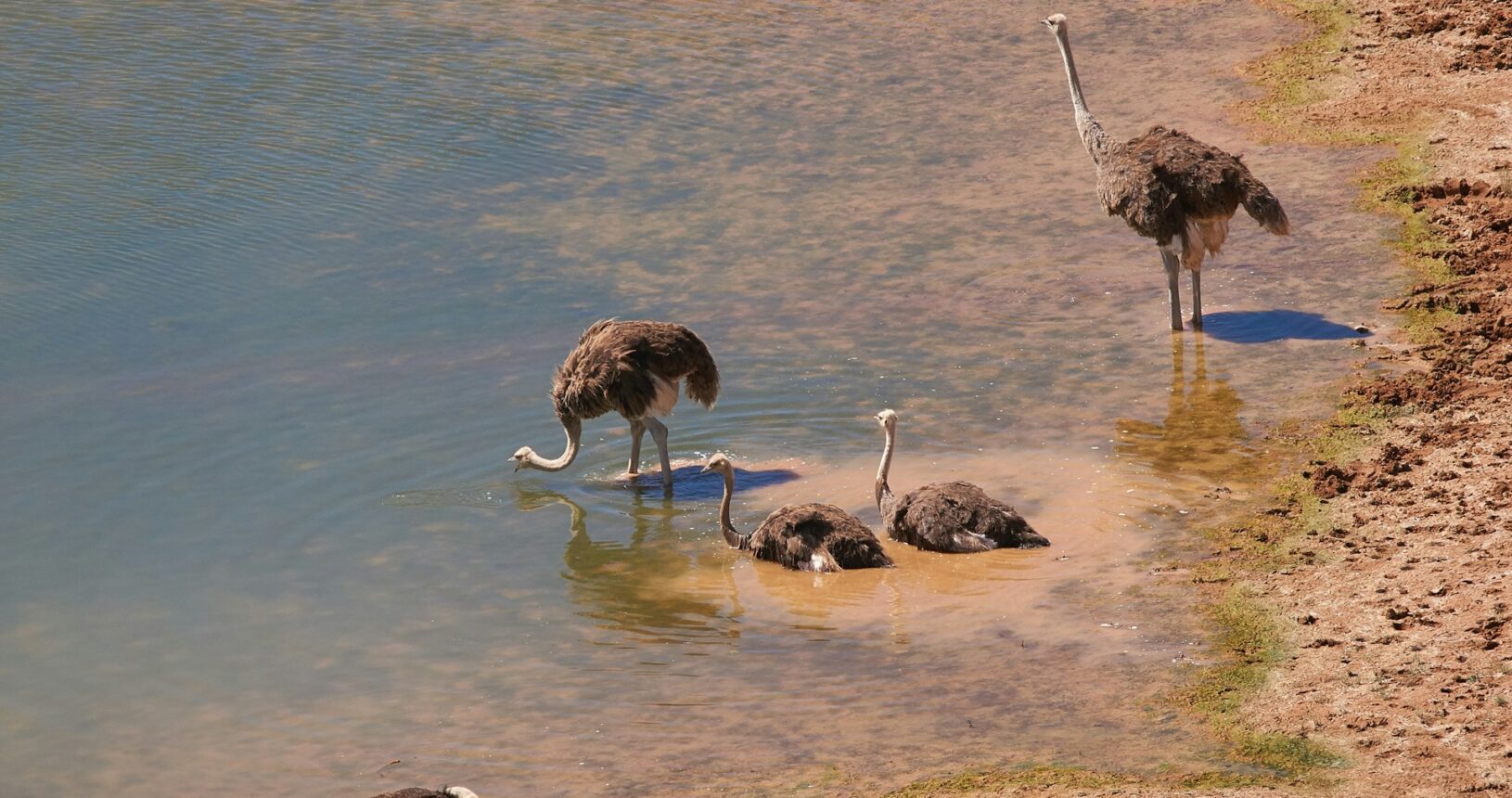
Oryx antelopes represent one of Namibia’s most iconic desert species. They survive with minimal water intake and regulate body temperature efficiently to cope with extreme heat. Springbok, ostriches, and jackals also feature prominently across desert ecosystems.
These adaptations make Wildlife in Namibia especially compelling for travelers interested in survival ecology and rare wildlife behavior.
The Namib Desert Ecosystem
The Namib Desert, one of the oldest deserts in the world, plays a central role in shaping Wildlife in Namibia. Despite its harsh appearance, the desert supports a surprising range of life forms.
Small mammals such as bat-eared foxes, aardwolves, and ground squirrels thrive in sandy environments. Reptiles including geckos and lizards adapt to extreme heat by burrowing or becoming active during cooler hours.
Insects and arthropods also form a critical part of the desert ecosystem, supporting larger predators and scavengers. Even fog-dependent beetles along the Skeleton Coast demonstrate extraordinary survival strategies by collecting moisture from ocean fog.
This fragile but resilient ecosystem highlights how Wildlife in Namibia extends far beyond large mammals to include complex ecological relationships.
Damaraland: A Stronghold for Rare Species
Damaraland represents one of the most important conservation regions for Wildlife in Namibia. Its rugged terrain supports populations of desert-adapted elephants, black rhinos, giraffes, and mountain zebras.
Black rhino tracking experiences in this region offer some of the most rewarding conservation-focused safaris in Africa. These critically endangered animals move through vast landscapes under strict protection from conservation teams and local communities.
Giraffes in Damaraland often appear in striking contrast against rocky hills and dry riverbeds, creating iconic photographic moments. Mountain zebras, with their distinctive striping and robust build, adapt well to steep and rocky terrain.
Damaraland demonstrates how conservation and tourism work together to protect Wildlife in Namibia while supporting local livelihoods.
The Zambezi Region: Namibia’s Wetland Wildlife Haven
Unlike Namibia’s arid central and western regions, the Zambezi Region in the northeast supports lush wetlands, rivers, and floodplains. This environment creates a completely different dimension of Wildlife in Namibia.
Elephants move freely between Namibia, Botswana, Zambia, and Angola, forming part of one of Africa’s largest transboundary populations. Hippos and crocodiles dominate river systems, while buffalo herds graze on fertile floodplains.
Birdlife reaches exceptional diversity in this region, with kingfishers, herons, fish eagles, and bee-eaters commonly observed. Seasonal migrations also bring additional species into the area, making it a top destination for birdwatching safaris.
Boat safaris along the Kwando, Okavango, and Zambezi rivers offer a unique perspective on Wildlife in Namibia, especially during sunset hours.
Skeleton Coast Wildlife
The Skeleton Coast presents one of the most extreme environments for Wildlife in Namibia, yet it still supports remarkable species adapted to coastal desert conditions.
Cape fur seals gather in massive colonies along the coastline, particularly at Cape Cross, where thousands of animals create one of the largest seal colonies in the world. These colonies attract predators such as brown hyenas and jackals.
Desert-adapted elephants occasionally move through the northern Skeleton Coast in search of vegetation and water. Seabirds, including cormorants and gulls, thrive along the cold Atlantic shoreline.
Although wildlife density remains lower than in Etosha or the Zambezi Region, the Skeleton Coast adds ecological contrast to Namibia’s wildlife portfolio.
Conservation and Protection of Wildlife in Namibia
Conservation plays a central role in sustaining Wildlife in Namibia. The country has developed one of Africa’s most successful community-based conservation models, where local communities manage wildlife resources through conservancies.
This approach has helped increase populations of endangered species such as black rhinos and desert-adapted elephants while also reducing poaching pressure.
Private reserves and national parks work together to protect biodiversity while promoting responsible tourism. This system ensures that wildlife continues to thrive across diverse ecosystems.
Why Wildlife in Namibia Is Unique
Wildlife in Namibia stands out because it combines survival, adaptation, and vast open landscapes in a way few other destinations can match. Animals exist not only in abundance but also in environments that test their resilience daily.
The combination of desert wildlife, savannah game viewing, wetland ecosystems, and coastal species creates a complete safari experience within one country. This diversity allows travelers to experience multiple ecological worlds in a single itinerary.
Namibia offers space, silence, and authenticity, making wildlife encounters feel more natural and less crowded than in many other safari destinations.
In Africa’s national parks, every sunrise paints a masterpiece — where the wild’s call echoes across endless horizons. Visiting these parks is to witness nature in its purest form, a timeless dance that stirs the soul.
Steps to Book Your Southern Africa Tour
Choose Your Adventure
Confirm Your Booking
Begin Your Journey
Ready to plan your tailor-made safari?