LGBTQ Travel in Namibia
February 1, 2026
Wildlife in Namibia
February 1, 2026
The Languages of Namibia
Understanding The Languages of Namibia
The Languages of Namibia reflect the country’s deep cultural diversity, shaped by indigenous heritage, colonial history, and modern tourism development. Namibia stands out in Southern Africa because it officially recognizes English while still preserving a rich collection of indigenous languages spoken across different ethnic groups and regions.
For travelers, understanding The Languages of Namibia improves communication, enhances cultural respect, and enriches safari experiences. While English is widely used in tourism, especially in lodges, hotels, and national parks, many Namibians also speak multiple local languages depending on their community and region.
This linguistic diversity adds depth to any journey through Namibia, from Windhoek’s urban environment to remote desert communities and wildlife conservancies.
Why Book This Destination
Explore More about The Languages of Namibia
Official Language: English in Namibia
English serves as the official language of Namibia and dominates government, education, and tourism communication. This makes travel in Namibia straightforward for international visitors, especially those on safari.
Most guides, lodge staff, and hospitality professionals communicate fluently in English. This ensures that The Languages of Namibia do not create barriers for travelers exploring Etosha National Park, Sossusvlei, Swakopmund, or the Skeleton Coast.
Road signs, park regulations, and travel information also appear in English, which supports self-drive safaris and independent travel planning.
Indigenous Languages of Namibia
While English unifies official communication, Namibia’s cultural identity lives strongly through its indigenous languages. These languages belong mainly to Bantu, Khoisan, and Indo-European language families, reflecting centuries of migration and cultural development.
Oshiwambo stands as the most widely spoken indigenous language, used by a large portion of the population in northern Namibia. It includes several dialects such as Oshindonga and Oshikwanyama, which serve as everyday communication languages in many communities.
Khoekhoe, also known as Nama, reflects the heritage of the Khoisan-speaking peoples and includes distinctive click sounds that make it unique among African languages. It remains widely used in southern and central Namibia.
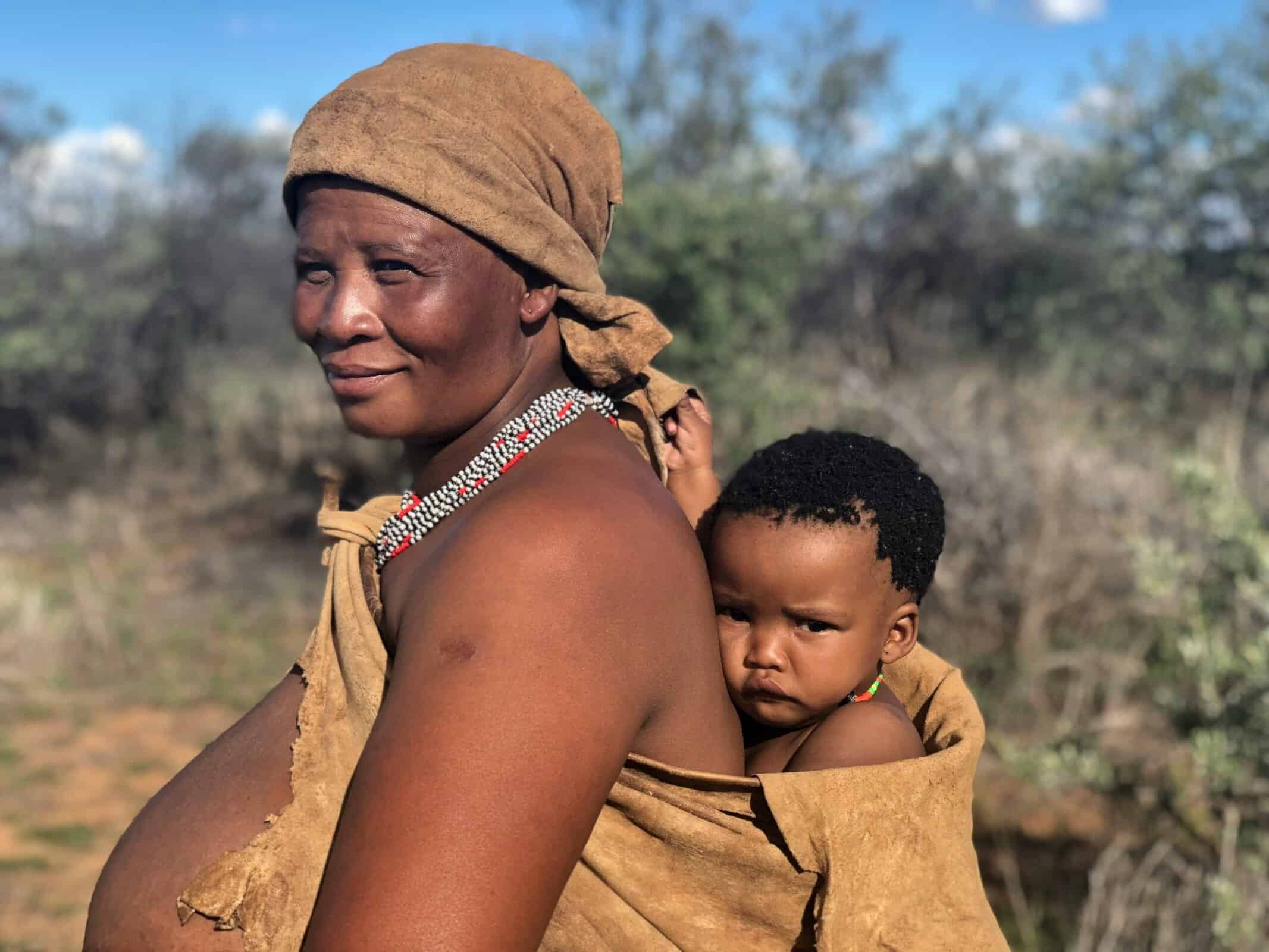
Other important languages include Otjiherero, spoken by the Herero people; Damara/Nama dialects; RuKwangali; and various San languages spoken by smaller communities across the country.
Afrikaans also plays a significant role in The Languages of Namibia, especially in informal communication and rural areas. It developed from Dutch colonial influence and remains widely understood across many communities.
Languages in Tourism and Safari Regions
Tourism in Namibia operates primarily in English, but many safari guides and hospitality workers are multilingual. In regions such as Etosha National Park, Damaraland, and the Zambezi Region, guides often switch between English, Afrikaans, and local languages depending on the guests and communities involved.
In luxury lodges and safari camps, staff members usually receive training in English communication, ensuring smooth interactions with international travelers. However, learning a few local greetings often enhances guest experiences and builds friendly connections.
For example, in Oshiwambo-speaking regions, greetings are often warmly exchanged and appreciated when visitors attempt basic phrases. In coastal and central regions, Afrikaans phrases are also commonly understood.
Cultural Importance of Language in Namibia
Language plays an important role in identity, tradition, and community life across Namibia. Each language group carries unique oral histories, storytelling traditions, and cultural expressions that reflect the country’s diversity.
Understanding The Languages of Namibia helps travelers appreciate cultural interactions beyond wildlife experiences. In rural communities, language often connects closely with traditions such as storytelling, music, ceremonies, and daily social life.
Namibia’s multilingual nature also reflects its history of resilience and cultural preservation. Despite colonial influences, many communities continue to maintain and teach indigenous languages across generations.
Communication Tips for Travelers
Travelers exploring Namibia do not need to learn multiple languages, but a few communication practices enhance cultural experiences. English works effectively in almost all tourism settings, especially in cities and safari destinations.
Speaking slowly and clearly helps when interacting with staff in remote areas, where English may not be the first language. Using polite greetings and showing cultural respect also improves interactions.
In safari lodges, guides often appreciate guests showing interest in local culture, including language. This often leads to more engaging storytelling during game drives and cultural visits.
Language Diversity and Safari Experiences
The diversity of The Languages of Namibia adds cultural depth to safari experiences. While wildlife remains the main attraction, cultural interactions enrich the journey.
In the Zambezi Region, travelers may hear languages influenced by neighboring countries such as Zambia and Botswana. In the north, Oshiwambo dominates daily communication, while in central and southern regions, Afrikaans and Otjiherero are more common.
This multilingual environment reflects Namibia’s position as a cultural crossroads in Southern Africa, where different communities and histories meet.
Language and Education in Namibia
Namibia’s education system uses English as the main language of instruction, especially from upper primary levels onward. However, early education often begins in mother tongues to support learning and cultural identity.
This bilingual and multilingual approach ensures that The Languages of Namibia remain active across generations while maintaining global communication standards.
Urban areas tend to be more English-dominant, while rural regions preserve stronger use of indigenous languages in daily life.
Why Language Matters for Travelers in Namibia
Understanding The Languages of Namibia enhances travel experiences by creating deeper cultural awareness. Even though language barriers are minimal in tourism settings, recognizing linguistic diversity helps travelers appreciate Namibia beyond its landscapes and wildlife.
Language connects visitors to local communities, enriches storytelling on safari, and supports respectful cultural exchange. It also highlights Namibia’s identity as a country where modern tourism and traditional heritage coexist.
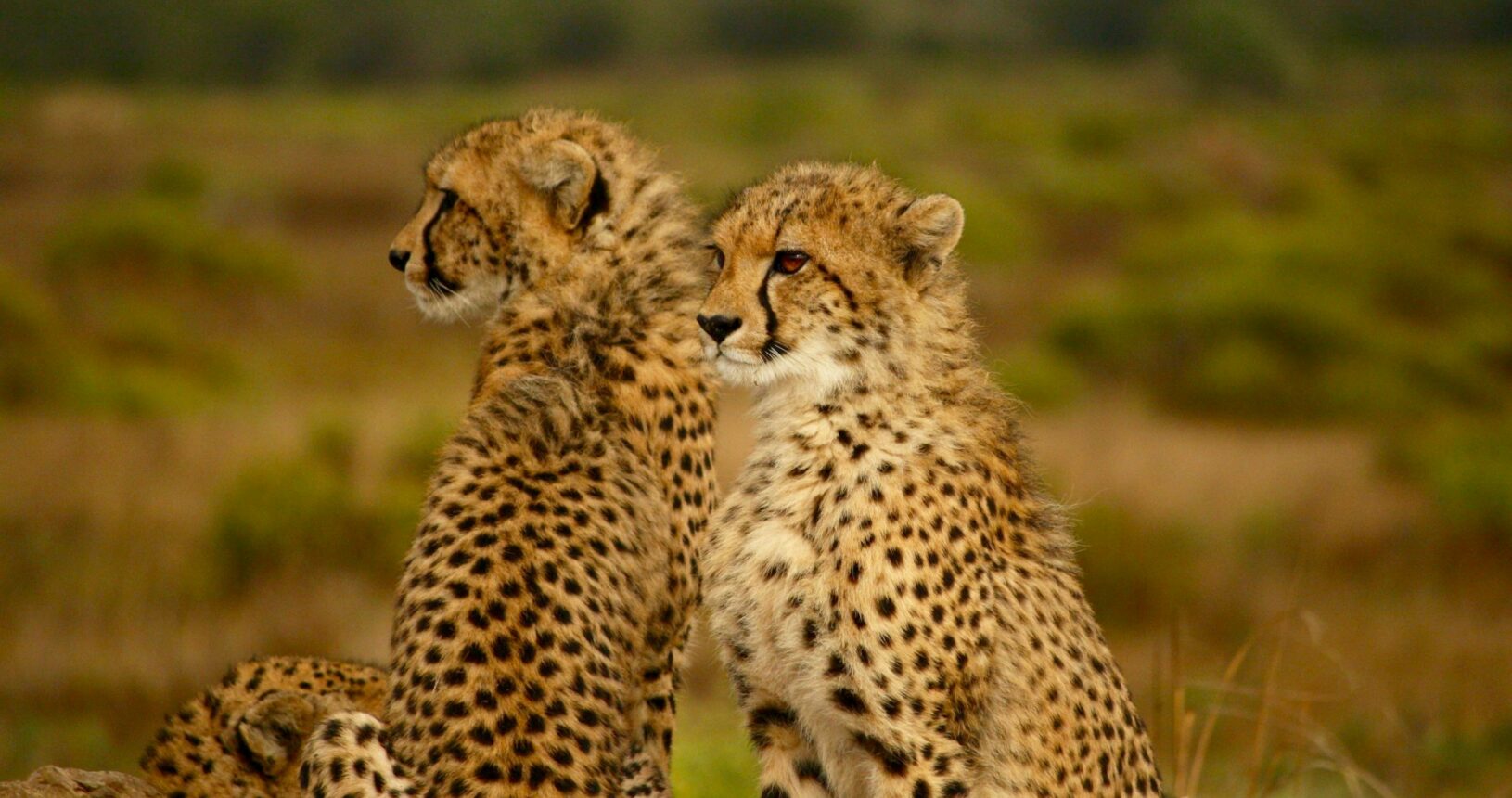
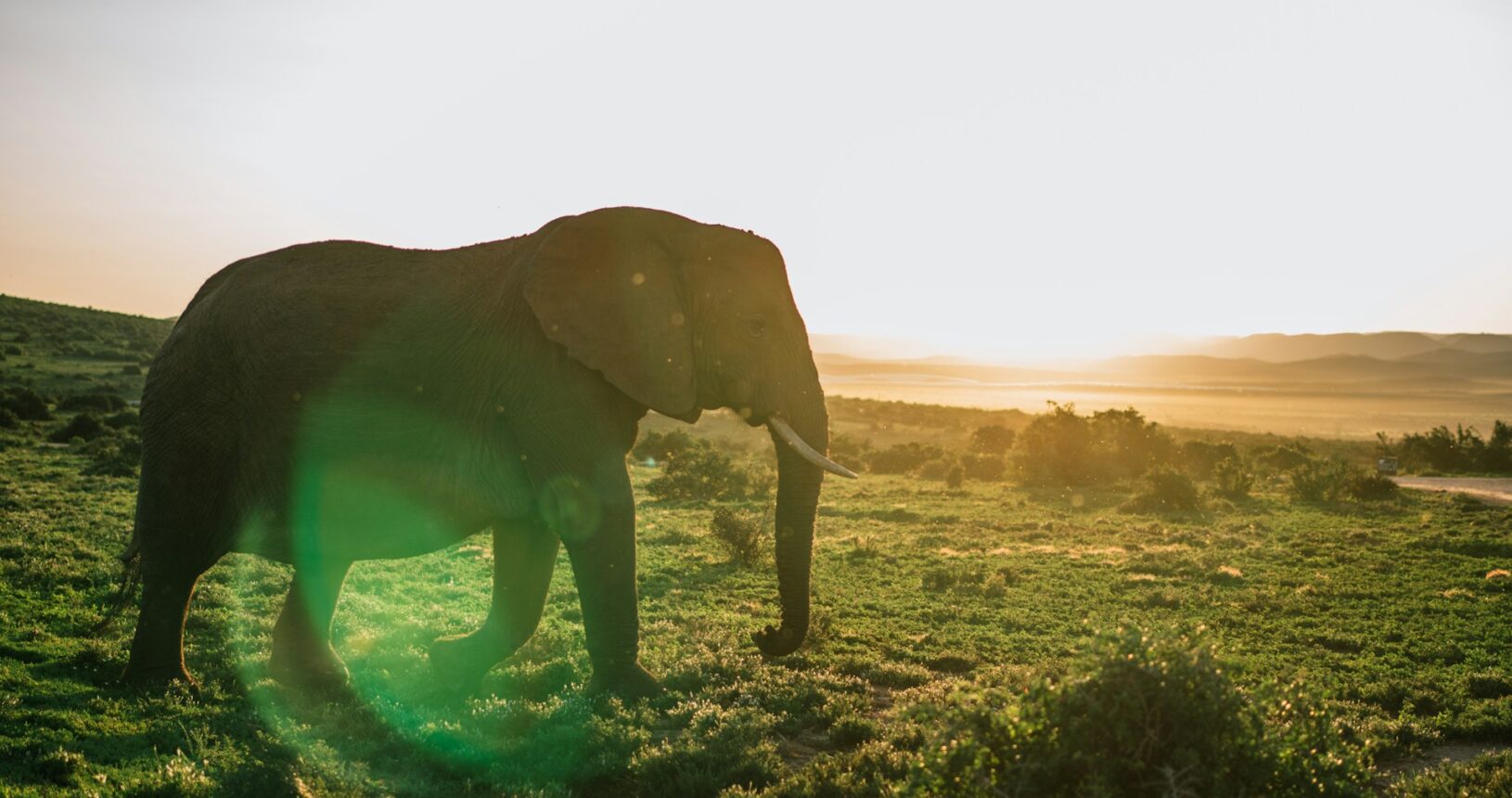
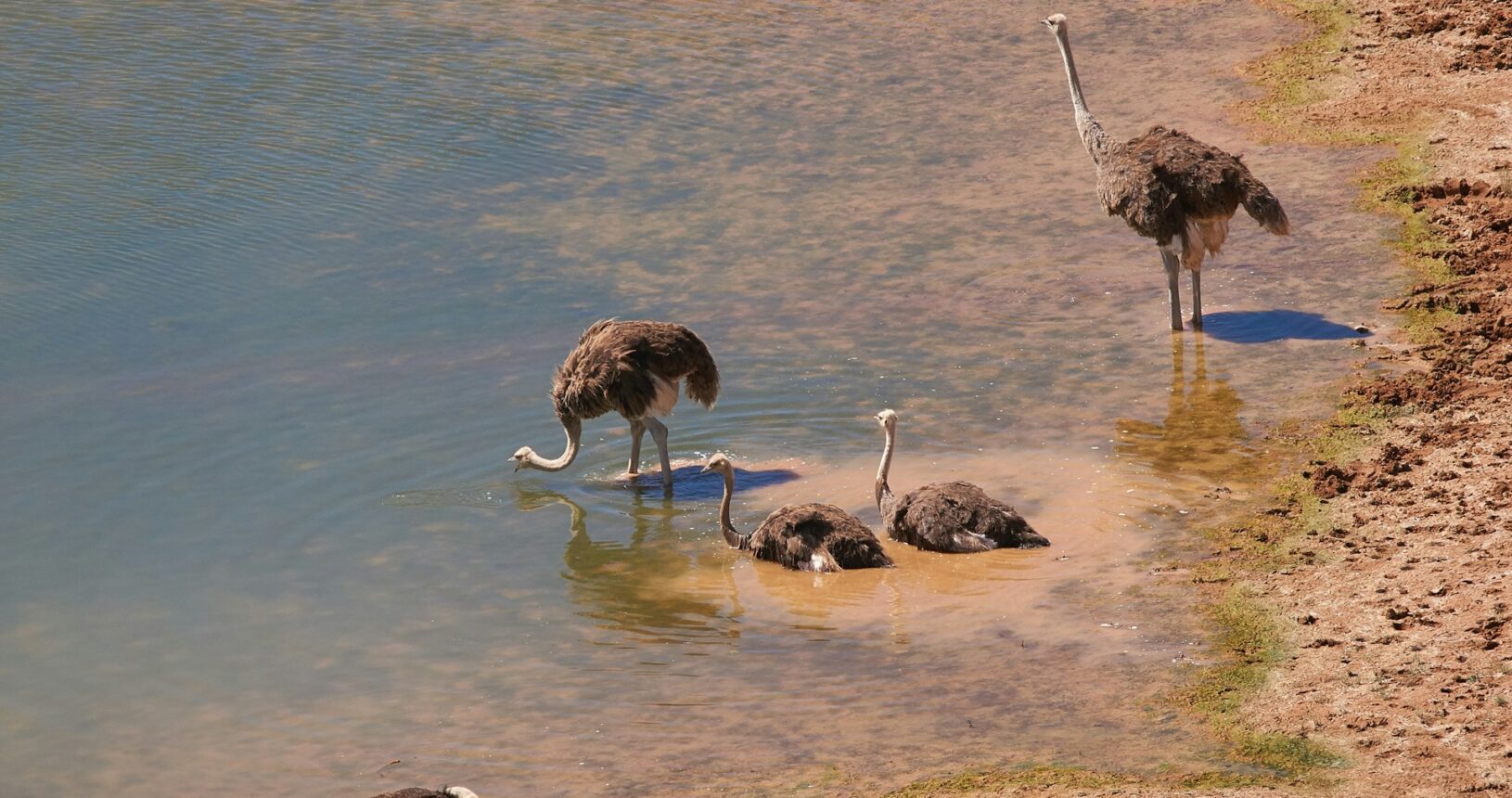
In Africa’s national parks, every sunrise paints a masterpiece — where the wild’s call echoes across endless horizons. Visiting these parks is to witness nature in its purest form, a timeless dance that stirs the soul.

Steps to Book Your Southern Africa Tour
Choose Your Adventure
Confirm Your Booking
Begin Your Journey
Ready to plan your tailor-made safari?