Languages in Mozambique
February 1, 2026
Mozambique Food and Tipping Practices
February 1, 2026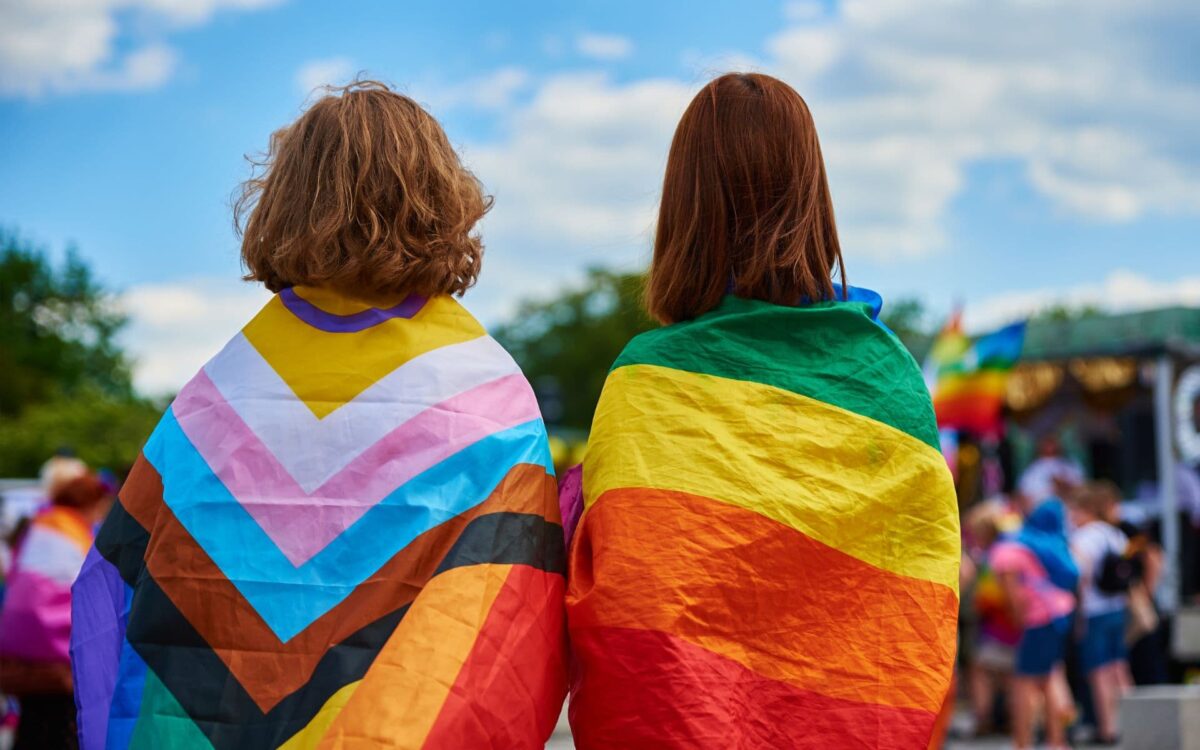
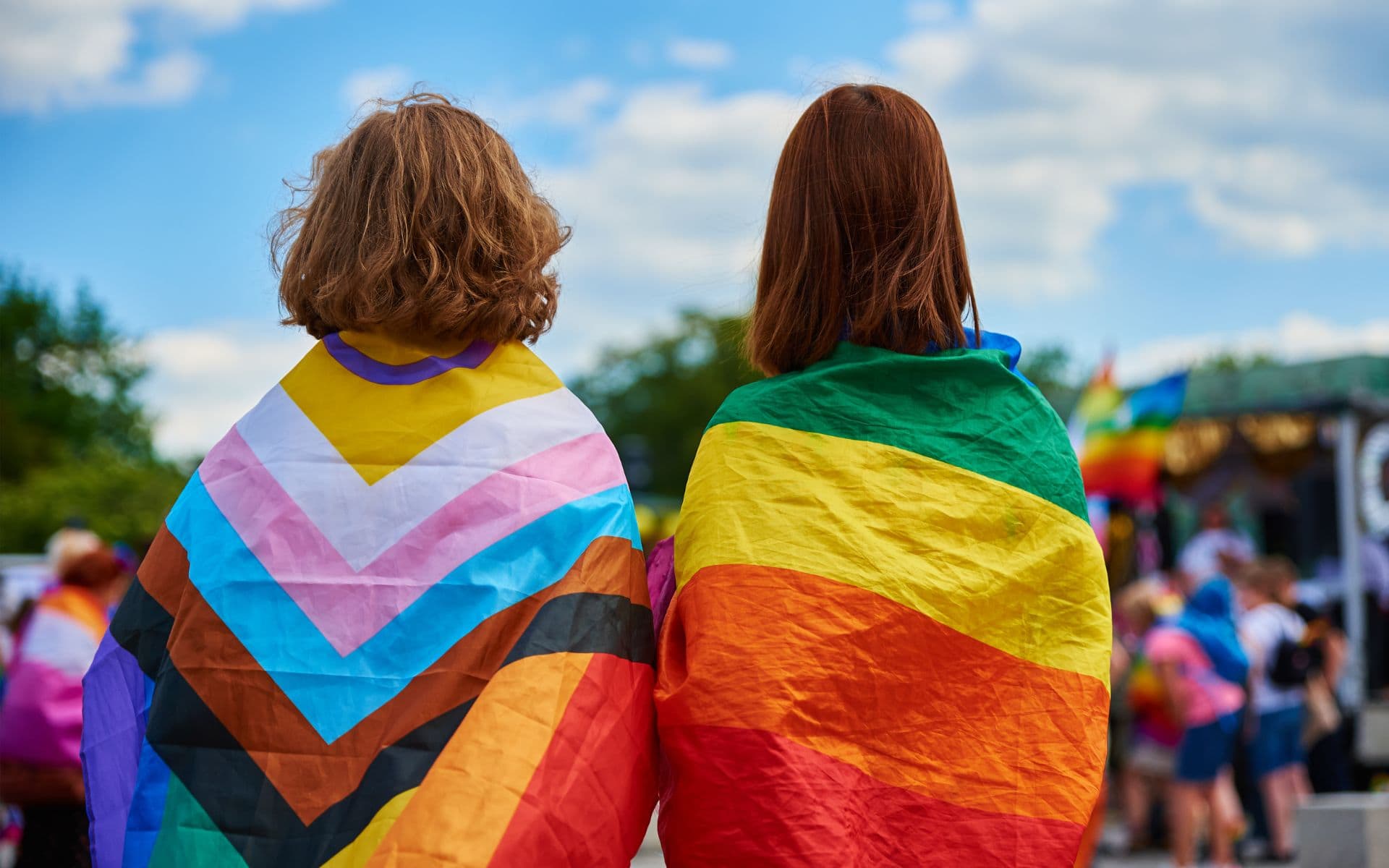
LGBTQ+ Travel in Mozambique
LGBTQ+ travel in Mozambique requires a clear understanding of local laws, cultural attitudes, and practical realities on the ground. Mozambique is generally considered more socially conservative than many Western destinations, especially outside major cities and tourist zones. However, it is also a country where tourism continues to grow, particularly along the coast in places like Maputo, Vilanculos, Tofo, and the Bazaruto Archipelago, where international visitors often experience a more relaxed environment.
For LGBTQ+ travelers, Mozambique offers beautiful beaches, island escapes, and safari experiences, but it does not yet provide openly progressive legal protections or widespread social acceptance compared to some global destinations. This means travel here can feel safe in many tourist areas, but discretion remains important in public settings.
Understanding both the legal framework and cultural expectations helps ensure a smooth and respectful travel experience.
Why Book This Destination
Explore More about LGBTQ+ Travel in Mozambique
Legal Status of LGBTQ+ People in Mozambique
When discussing LGBTQ+ travel in Mozambique, it is important to start with the legal context. Mozambique does not criminalize same-sex relationships. Consensual same-sex activity is legal, and the country does not have laws that explicitly punish LGBTQ+ identities.
However, Mozambique does not offer comprehensive legal protections against discrimination based on sexual orientation or gender identity. This means that while private relationships are not illegal, public recognition and institutional protection remain limited.
Same-sex marriage is not recognized, and public advocacy or visibility varies widely depending on location and social setting. In urban and tourism-focused areas, attitudes tend to be more relaxed, while rural areas remain more conservative.
Social Attitudes and Cultural Context
LGBTQ+ travel in Mozambique takes place within a culturally conservative but generally non-confrontational society. Most social attitudes are shaped by traditional values, religion, and community norms.
In cities like Maputo, younger generations and international-facing professionals often show more open-minded attitudes, especially within hospitality, tourism, and creative industries. Visitors may find that discretion is still expected, but overt hostility is uncommon in urban environments.
In rural regions, coastal fishing communities, and inland towns, conservative views are more common. Public displays of affection between same-sex couples may attract attention, not necessarily aggression, but discomfort or curiosity.
Cultural sensitivity and awareness of surroundings play a key role in ensuring a comfortable experience.
Safety Considerations for LGBTQ+ Travelers
From a practical standpoint, LGBTQ+ travel in Mozambique is generally safe in major tourist destinations when travelers exercise discretion. Areas such as Vilanculos, Bazaruto Archipelago, Tofo Beach, and Maputo regularly host international tourists, and staff in hotels and resorts are accustomed to diverse guests.
Violent incidents targeting LGBTQ+ travelers are not commonly reported in tourist zones. However, public visibility can still attract unwanted attention in less urbanized areas.
Couples often choose to avoid public displays of affection outside private resort settings to maintain a low profile. Solo LGBTQ+ travelers typically experience fewer issues, especially when interacting within tourism environments.
Standard travel safety practices—such as using reputable transport, staying in established accommodations, and following local advice—remain important for all visitors.
LGBTQ+ Friendly Areas in Mozambique
Certain destinations in Mozambique tend to feel more comfortable for international and LGBTQ+ travelers due to their tourism infrastructure and exposure to global visitors.
Maputo, the capital city, offers the most cosmopolitan environment. Hotels, restaurants, and cultural spaces here are more accustomed to international diversity.
Vilanculos serves as a gateway to the Bazaruto Archipelago and attracts a steady flow of international travelers, creating a more relaxed coastal atmosphere.
Bazaruto Archipelago itself offers private island resorts where discretion and privacy are naturally built into the experience. Luxury lodges focus heavily on couples and honeymoon-style travel, which often creates a neutral and private environment.
Tofo Beach also attracts backpackers, divers, and surfers from around the world, contributing to a more open and informal travel culture.
Accommodation and Hospitality Experience
In the context of LGBTQ+ travel in Mozambique, most international hotels, resorts, and safari lodges prioritize professionalism and hospitality over personal bias. Staff in these environments are generally trained to serve all guests respectfully, especially in tourism-heavy regions.
Luxury resorts in coastal and island destinations often provide high levels of privacy, making them suitable for couples seeking discretion. Private villas, beachfront suites, and boutique lodges allow travelers to enjoy their stay without public scrutiny.
While Mozambique does not yet have a large network of explicitly LGBTQ+ branded hotels, the hospitality industry in tourist zones typically focuses on inclusivity in practice, even if not formally advertised.
Cultural Etiquette and Travel Behavior
Successful LGBTQ+ travel in Mozambique depends heavily on cultural awareness. Public behavior is generally expected to remain modest, especially in rural or traditional communities.
Discretion in public interactions helps avoid misunderstandings. This includes being mindful of physical affection in public spaces and adapting behavior to local norms.
Respectful engagement with local customs, dress codes, and communication styles improves overall travel experience. Mozambicans are known for their friendliness, and polite interaction often leads to warm and welcoming exchanges.
Travel Experience and Freedom of Expression
While Mozambique does not position itself as an LGBTQ+ destination, LGBTQ+ travel in Mozambique is increasingly shaped by tourism growth and international influence. In practice, many travelers experience a quiet form of acceptance in tourism environments, particularly where hospitality standards are high.
Freedom of expression is more limited in public spaces compared to more progressive countries, but private spaces such as resorts, lodges, and tours offer comfort and privacy.
Most LGBTQ+ travelers focus on enjoying Mozambique’s natural attractions—its beaches, marine parks, islands, and safaris—while maintaining a low public profile when necessary.
Conclusion
LGBTQ+ travel in Mozambique is best approached with awareness, discretion, and respect for local cultural norms. The country offers legal tolerance in terms of private relationships, but social conservatism still shapes public life, especially outside major tourist areas.
For travelers who prioritize natural beauty, island escapes, marine adventures, and safari experiences, Mozambique delivers an extraordinary destination. Coastal regions and luxury resorts provide safe and comfortable environments where privacy is respected and tourism services are well developed.
With thoughtful planning and cultural sensitivity, LGBTQ+ travelers can experience Mozambique’s landscapes, wildlife, and coastline while navigating its social context responsibly.
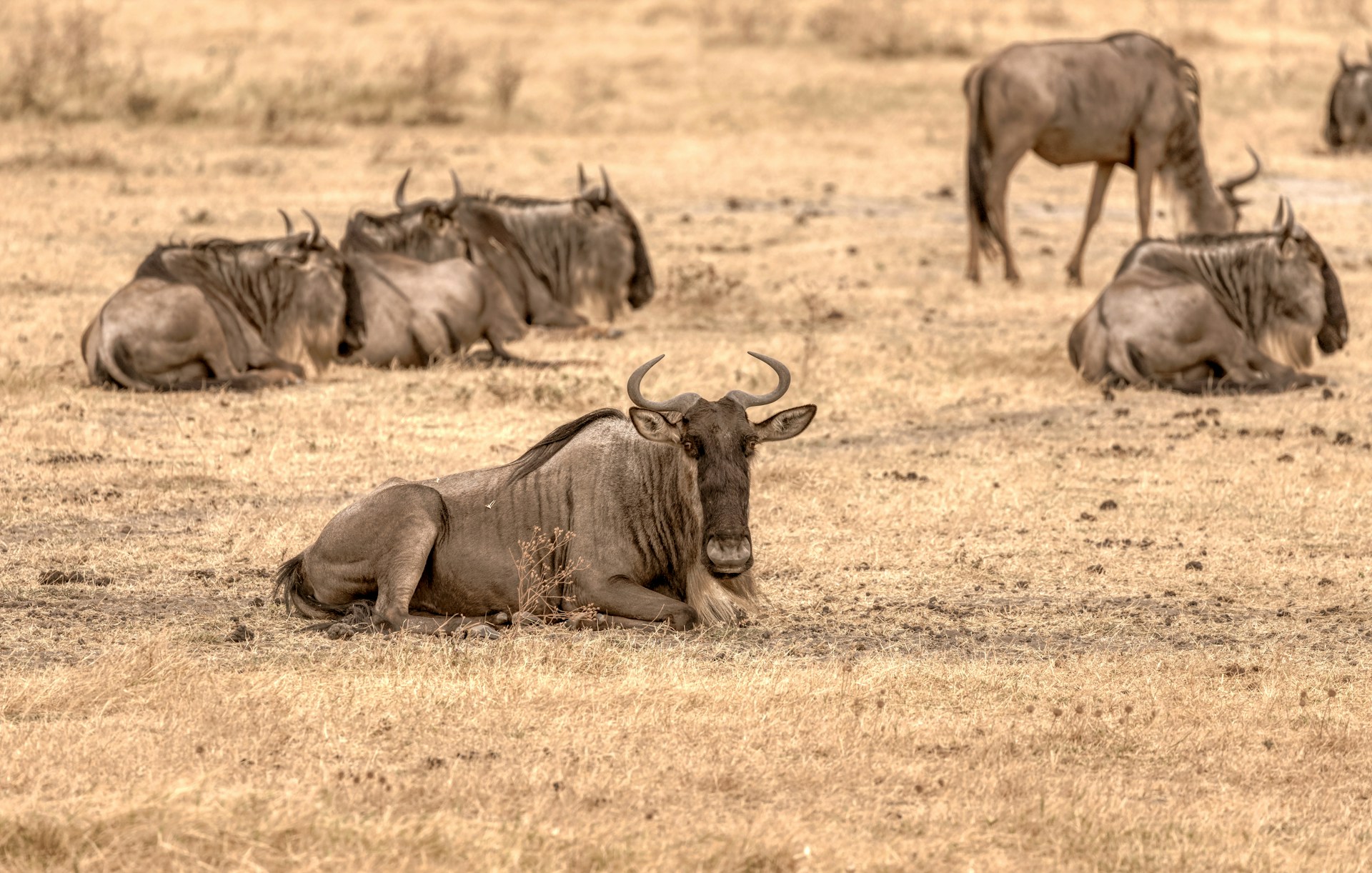
In Africa’s national parks, every sunrise paints a masterpiece — where the wild’s call echoes across endless horizons. Visiting these parks is to witness nature in its purest form, a timeless dance that stirs the soul.
Steps to Book Your Southern Africa Tour
Choose Your Adventure
Confirm Your Booking
Begin Your Journey
Ready to plan your tailor-made safari?