
Flights to Mozambique
February 1, 2026
LGBTQ+ Travel in Mozambique
February 1, 2026
Languages in Mozambique
Languages in Mozambique reflect the country’s deep cultural diversity, shaped by centuries of Bantu heritage, Portuguese colonial influence, and modern regional interactions across Southern Africa. Mozambique stands out as one of the few African countries where a European language, Portuguese, functions as the official national language, while dozens of indigenous languages continue to thrive in daily life.
For travelers, understanding languages in Mozambique improves communication, enriches cultural experiences, and helps navigate cities, rural communities, markets, and coastal regions more confidently. While Portuguese dominates government, education, and formal business, most Mozambicans grow up speaking local languages within their families and communities.
This multilingual structure gives Mozambique a layered identity where language reflects geography, ethnicity, and social context.
Why Book This Destination
Explore More about Languages in Mozambique
Official Language of Mozambique: Portuguese
The most widely recognized among languages in Mozambique is Portuguese, which serves as the official language of government, education, media, and legal systems. Mozambique inherited Portuguese from its colonial history, and the language remains central to national communication.
In urban areas such as Maputo, Beira, and Nampula, Portuguese is widely spoken and understood. Most official signage, documents, hotel communication, and tourism services operate in Portuguese.
However, fluency levels vary across the population. In cities, many people speak Portuguese fluently, while in rural areas it may function as a second language after local indigenous languages.
For travelers, basic Portuguese phrases are extremely useful, especially outside major tourist zones.
Indigenous Languages in Mozambique
Beyond Portuguese, languages in Mozambique include more than 40 indigenous languages belonging mainly to the Bantu language family. These languages form the foundation of daily communication in rural communities and across ethnic groups.
Some of the most widely spoken indigenous languages include Emakhuwa, Xichangana, Elomwe, Cisena, and Cinyanja. Each language corresponds to specific regions and communities across the country.
Emakhuwa is the most widely spoken indigenous language, primarily used in northern Mozambique. Xichangana is common in the southern region, including areas around Maputo Province. Cisena and Cinyanja are widely spoken in central Mozambique, especially along the Zambezi Valley.
These languages are deeply tied to cultural identity, storytelling traditions, and local customs.
Languages in Urban vs Rural Areas
The use of languages in Mozambique changes significantly between urban and rural environments.
In cities like Maputo, Portuguese dominates public communication, education, and business interactions. Many residents also speak at least one indigenous language at home, creating a bilingual or multilingual population.
In rural areas, indigenous languages take priority in daily communication. Portuguese may be used in schools or official settings, but local languages remain dominant in community life, agriculture, and traditional ceremonies.
This contrast means that travelers may experience Portuguese in hotels and cities, but hear indigenous languages in villages, markets, and remote regions.
English and Other Foreign Languages
While Portuguese is the official language, languages in Mozambique also include a growing presence of English, especially in tourism and business sectors.
English is not widely spoken among the general population, but it is increasingly used in hotels, tour operators, and international business environments. In tourist destinations such as Vilanculos, Bazaruto Archipelago, and Pemba, English-speaking guides are more common.
Due to regional proximity, languages like Swahili and French also appear in limited contexts, especially near northern border areas and within certain business communities.
However, English remains secondary to Portuguese in most official and everyday communication.
Language and Culture in Mozambique
Languages in Mozambique play a central role in cultural identity and social structure. Indigenous languages often carry oral traditions, folklore, music, and ancestral knowledge passed through generations.
Traditional songs, storytelling, and ceremonies often take place in local languages, preserving cultural heritage across communities. Portuguese, on the other hand, connects Mozambique to global systems, education, and international communication.
This coexistence creates a unique linguistic balance where cultural heritage and modern governance operate side by side.
Communication Tips for Travelers
Understanding languages in Mozambique helps travelers interact more confidently during their visit.
Portuguese basics such as greetings, numbers, and simple questions greatly improve communication in cities and rural areas. Locals appreciate when visitors attempt even small phrases in Portuguese.
In tourist regions, especially coastal resorts and safari lodges, English-speaking staff are commonly available. However, outside these areas, translation apps or local guides become helpful.
Body language, friendliness, and patience also play an important role in communication, especially where language barriers exist.
Why Language Matters in Mozambique Travel
The diversity of languages in Mozambique directly shapes the travel experience. It influences how visitors interact with local communities, understand cultural practices, and navigate different regions.
Portuguese connects travelers to urban life, administration, and tourism services. Indigenous languages reveal deeper cultural layers that define Mozambique’s identity beyond cities and resorts.
For travelers exploring both inland safari regions and coastal destinations, language becomes part of the cultural immersion, not just a communication tool.
Conclusion
Languages in Mozambique reflect a rich and complex cultural landscape where Portuguese and multiple indigenous languages coexist. This multilingual environment creates both challenges and opportunities for travelers, but it also adds depth to every journey.
Whether exploring the bustling streets of Maputo, the remote villages of central Mozambique, or the island beaches of the Bazaruto Archipelago, language shapes how people connect, share stories, and experience daily life.
Mozambique’s linguistic diversity is not just functional—it is a living expression of its history, identity, and cultural richness.
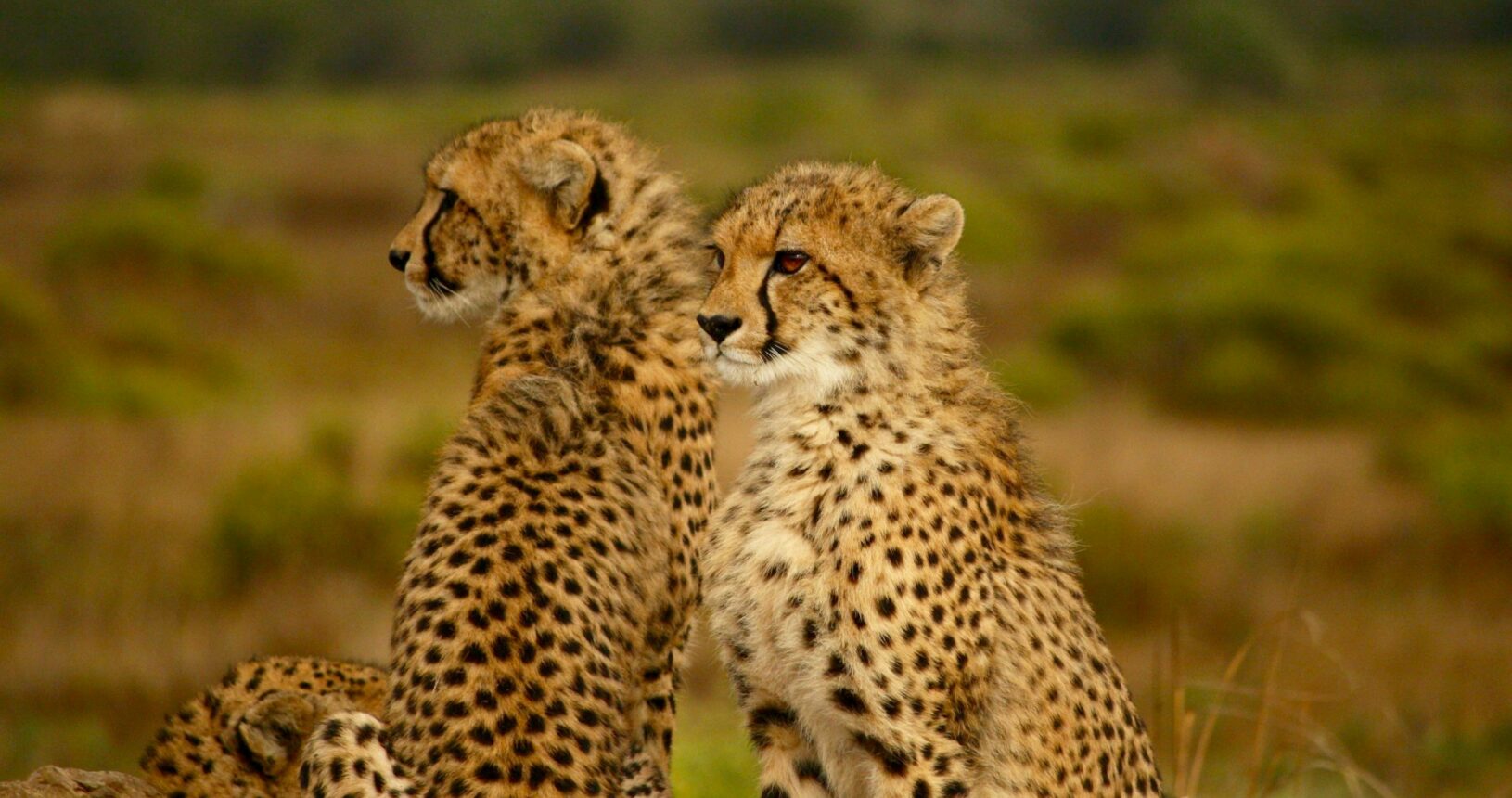
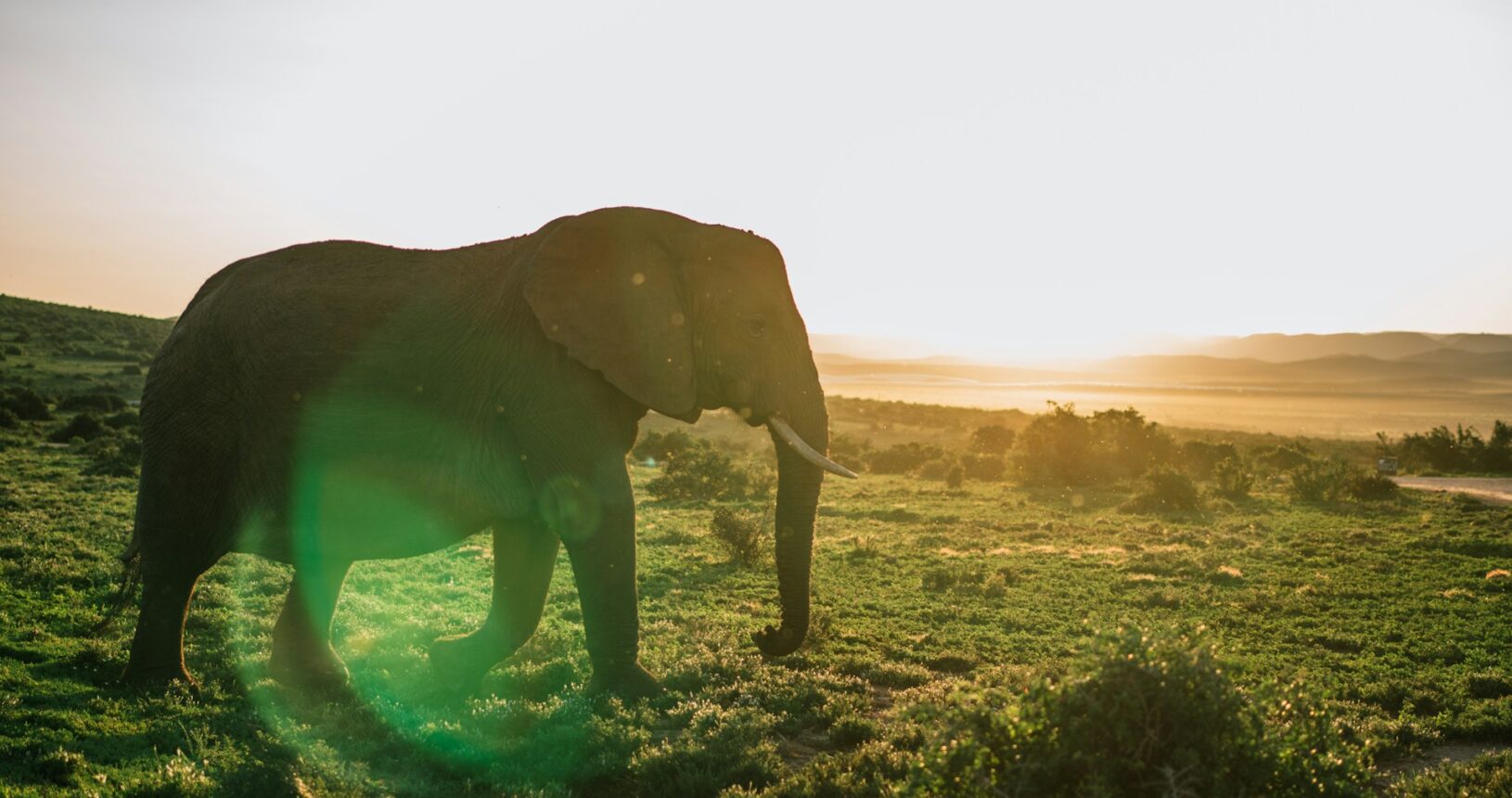
In Africa’s national parks, every sunrise paints a masterpiece — where the wild’s call echoes across endless horizons. Visiting these parks is to witness nature in its purest form, a timeless dance that stirs the soul.

Steps to Book Your Southern Africa Tour
Choose Your Adventure
Confirm Your Booking
Begin Your Journey
Ready to plan your tailor-made safari?