

LGBTQ+ Travel in Mozambique
February 1, 2026
Packing List for a Mozambique Safari
February 1, 2026
Mozambique Food and Tipping Practices
Mozambique food and tipping practices reflect the country’s coastal identity, Portuguese heritage, and rich blend of African, Indian, and Arabic culinary influences. Food plays a central role in everyday life, especially along the coast where seafood dominates menus and fresh ingredients define local cuisine. From grilled prawns on the beaches of Tofo to peri-peri chicken in Maputo, Mozambique offers a flavorful and authentic dining experience shaped by its Indian Ocean geography.
Tipping culture in Mozambique is relatively simple and informal compared to many Western countries. It is appreciated but not strictly enforced, and it usually depends on the level of service, type of establishment, and traveler experience.
Understanding both Mozambiquean food and tipping practices helps travelers enjoy local cuisine confidently while respecting hospitality norms across restaurants, lodges, and informal dining settings.
Why Book This Destination
Explore More about Mozambique Food and Tipping Practices
Traditional Mozambican Food Culture
Mozambican cuisine centers heavily on fresh, locally sourced ingredients, especially seafood, cassava, rice, coconut, and spices. The country’s long coastline along the Indian Ocean strongly influences its food culture, making seafood a daily staple in many regions.
One of the most iconic elements of Mozambican food and tipping practices is the use of peri-peri chili, which gives many dishes their distinctive heat and flavor. Portuguese influence introduced grilling techniques, marinades, and spices that remain central to modern Mozambican cooking.
Meals are often shared and served in generous portions, reflecting a communal dining culture where food brings families and communities together.
Popular Foods in Mozambique
A key part of understanding Mozambiquean food and tipping practices is exploring the country’s most popular dishes, which reflect both local traditions and colonial influences.
Prawns (Camarão) stand out as one of the most famous dishes. Mozambique is known for its large, flavorful prawns, often grilled with garlic, lemon, and peri-peri sauce. Coastal towns like Vilanculos, Tofo, and Pemba serve some of the best seafood in the region.
Piri-piri chicken is another signature dish that reflects Portuguese influence. The chicken is marinated in spicy chili sauce and grilled over open flames, creating a smoky and flavorful meal.
Matapa, made from cassava leaves cooked with peanuts and coconut milk, represents traditional Mozambican cuisine and is often served with rice or seafood.
Xima (Maize Porridge) serves as a staple carbohydrate, similar to polenta or ugali, and accompanies many meat and vegetable dishes.
Grilled fish and calamari are widely available along the coast, often prepared simply to highlight freshness rather than heavy seasoning.
Street Food and Local Dining Experience
Street food plays an important role in Mozambique's food and tipping practices, especially in urban centers like Maputo. Small vendors sell snacks such as samosas, grilled corn, roasted peanuts, and fried pastries.
Markets and roadside stalls offer affordable meals that reflect everyday Mozambican life. Dining in these settings provides a direct connection to local culture and food traditions.
Restaurants range from casual beach cafés to upscale dining establishments in hotels and resorts. Coastal restaurants often specialize in seafood platters served in relaxed, open-air environments overlooking the ocean.
Dining Etiquette in Mozambique
Understanding Mozambique food and tipping practices also involves basic dining etiquette. Meals are generally relaxed and informal, especially in local restaurants.
It is common to eat with utensils, although some traditional dishes may be eaten by hand depending on the setting. Hospitality plays an important role, and guests are often treated with warmth and generosity.
Sharing food is culturally appreciated, and portions are usually generous enough to accommodate group dining.
Tipping Culture in Mozambique
Tipping is part of Mozambique's food and tipping practices, but it is not mandatory. It is generally seen as a gesture of appreciation rather than an expectation.
In restaurants, a tip of around 5% to 10% is considered polite if service is good. In more casual eateries or street food stalls, tipping is not expected.
Hotel staff, including housekeeping and porters, may receive small tips depending on service quality and traveler discretion.
Tour guides and drivers often receive tips, especially for full-day tours or safari experiences. The amount varies, but travelers typically offer a modest daily tip as appreciation.
Currency and Payment Tips
Mozambique uses the Mozambican Metical (MZN), and cash remains the most common payment method, especially outside major cities.
Credit cards are accepted in higher-end hotels, resorts, and restaurants, particularly in tourist destinations such as Maputo, Vilanculos, and Bazaruto Archipelago.
When considering Mozambique food and tipping practices, it is useful to carry small denominations of cash for convenience when tipping or paying at local establishments.
Food Differences Between Regions
Regional diversity plays a major role in Mozambique's food and tipping practices, with noticeable differences between coastal and inland cuisine.
Coastal regions focus heavily on seafood, with prawns, fish, and shellfish forming the base of most meals. Coconut-based dishes are also more common in these areas due to tropical agriculture.
Inland regions rely more on maize, cassava, beans, and meat dishes. Grilled meats and stews dominate the diet, with less emphasis on seafood.
Northern Mozambique shows stronger influences from Swahili and Indian Ocean trade cuisines, while southern regions reflect more Portuguese culinary traditions.
Food Safety and Travel Tips
Food safety is an important part of Mozambique's food and tipping practices for travelers exploring street food and local restaurants.
Eating freshly cooked food from busy establishments generally reduces risk. Seafood should be consumed in reputable restaurants or coastal lodges where freshness is guaranteed.
Bottled or filtered water is recommended, especially outside major cities.
Travelers with sensitive stomachs may prefer cooked meals over raw salads in informal settings.
Conclusion
Mozambique food and tipping practices reflect a vibrant culinary culture shaped by coastal abundance, Portuguese heritage, and African tradition. Food remains fresh, flavorful, and deeply connected to local life, especially in seafood-rich coastal regions.
Tipping is simple, flexible, and based on appreciation rather than obligation, making dining experiences relaxed and straightforward for travelers.
From grilled prawns on the beach to traditional matapa in inland communities, Mozambique offers a rich and authentic food journey. Understanding local tipping etiquette and dining culture helps travelers engage more confidently while enjoying one of Southern Africa’s most distinctive culinary destinations.
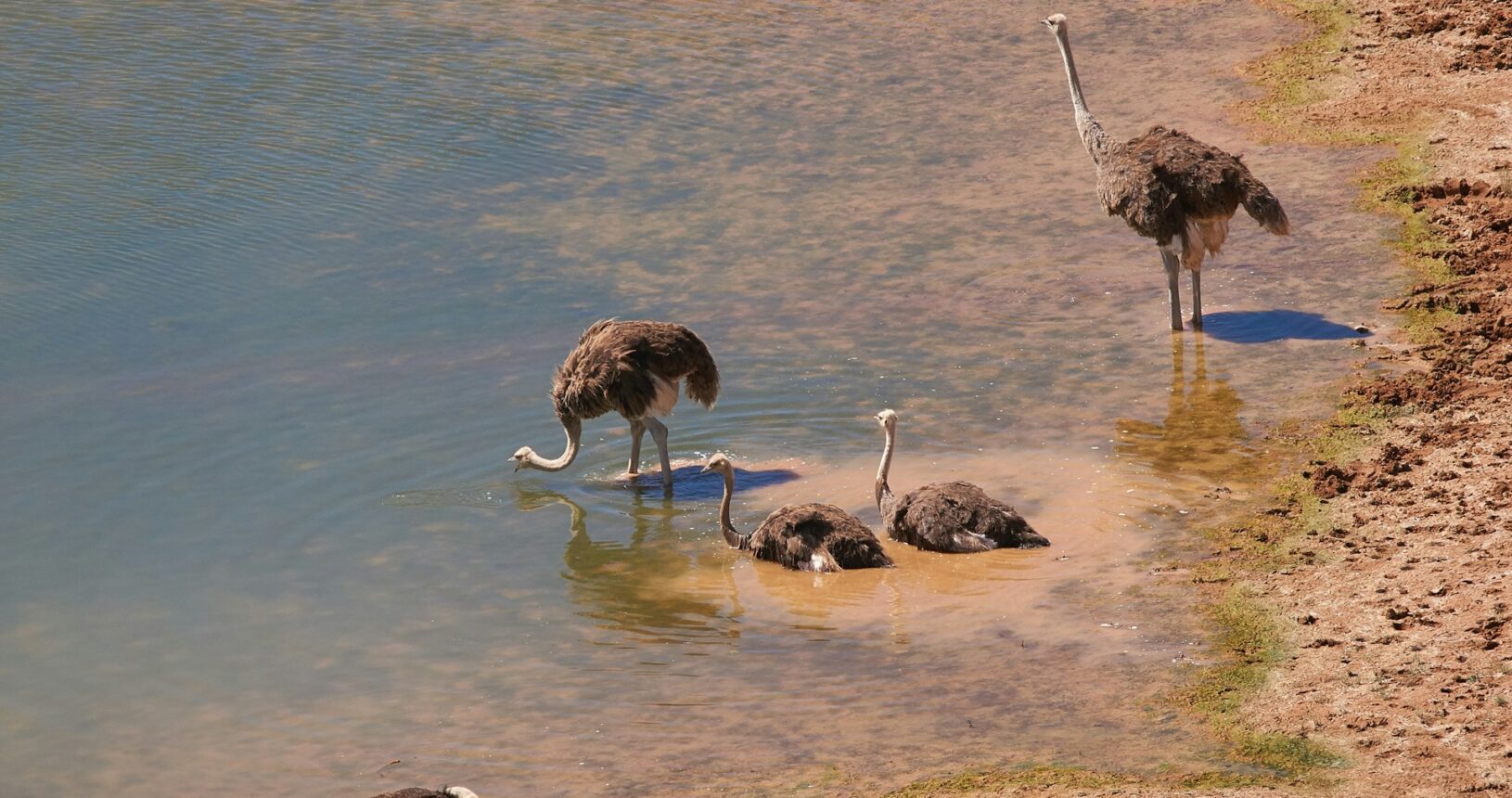
In Africa’s national parks, every sunrise paints a masterpiece — where the wild’s call echoes across endless horizons. Visiting these parks is to witness nature in its purest form, a timeless dance that stirs the soul.



Steps to Book Your Southern Africa Tour
Choose Your Adventure
Confirm Your Booking
Begin Your Journey
Ready to plan your tailor-made safari?