
Etosha National Park
June 25, 2026
Maasai Mara Guide
June 25, 2026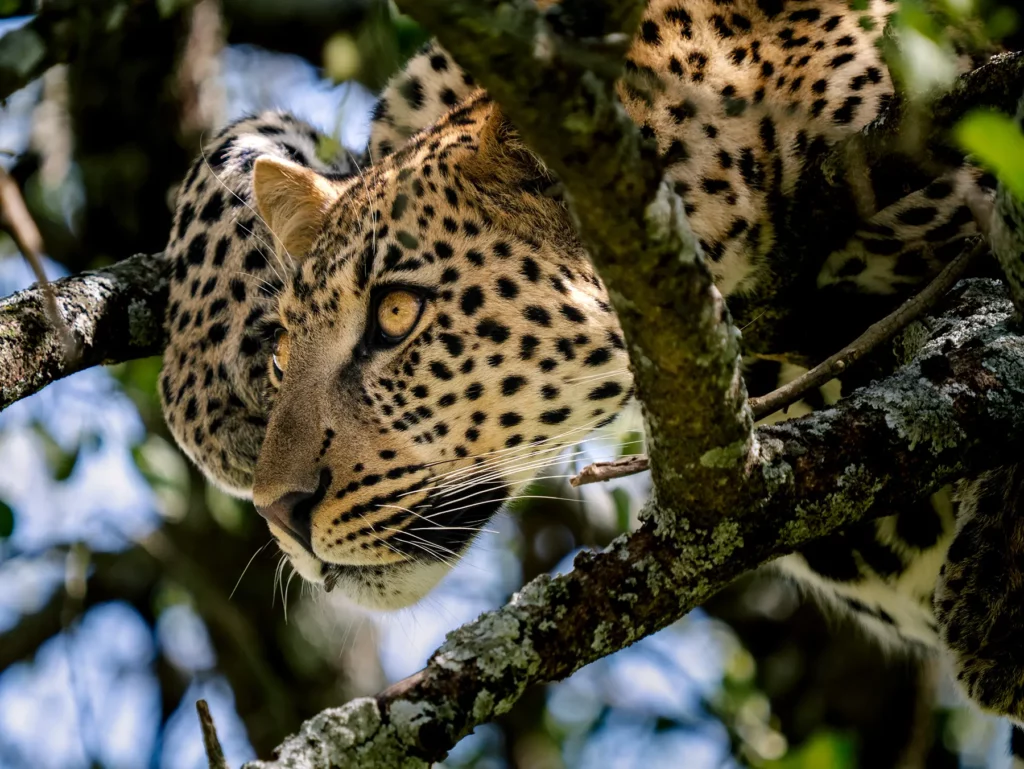
Serengeti National Park: The Ultimate Safari Guide
Serengeti National Park stands as one of Africa’s most iconic wildlife destinations, where endless golden plains, dramatic predator-prey interactions, and the Great Migration define the safari experience. A Serengeti National Park guide introduces travelers to a vast ecosystem that stretches beyond Tanzania’s borders, supporting one of the highest concentrations of wildlife on the continent.
The Serengeti is not only famous for its scenery but also for its raw ecological drama. Lions hunt across open grasslands, cheetahs sprint after antelope, and millions of wildebeest and zebras move across the plains in search of fresh grazing. This constant cycle of movement and survival creates a safari experience that feels alive at every moment.
This Serengeti National Park guide explores wildlife, migration patterns, safari regions, activities, accommodation, best time to visit, and essential travel insights for planning an unforgettable Tanzania safari.
Why Serengeti National Park Is World-Famous
The Serengeti earns global recognition because it protects one of the last intact large-scale ecosystems on Earth. Its name comes from the Maasai word “Siringet,” meaning “endless plains,” a description that perfectly captures its vast open landscapes.
A Serengeti National Park guide highlights the park’s role in the Great Migration, where over 1.5 million wildebeest and hundreds of thousands of zebras and gazelles move in a continuous cycle across Tanzania and Kenya.
Beyond migration, the Serengeti supports year-round wildlife viewing, making it one of Africa’s most reliable safari destinations.
The Great Migration: Nature’s Greatest Movement
The Great Migration defines the Serengeti experience more than any other natural event. It follows seasonal rainfall patterns as herds move in search of fresh grazing.
A Serengeti National Park guide emphasizes this movement as a continuous cycle rather than a single event.
Calving Season in the Southern Plains
Between January and March, the southern Serengeti and Ndutu region become a nursery ground where hundreds of thousands of wildebeest calves are born within weeks. This period attracts large predator activity, especially lions and hyenas.
River Crossings in the North
Between July and October, herds move toward the northern Serengeti and Maasai Mara, where dramatic river crossings occur at the Grumeti and Mara Rivers. Crocodiles and strong currents create intense survival challenges for migrating animals.
Continuous Movement
The migration does not stop; it circles through the ecosystem year-round, creating shifting wildlife concentrations across different regions of the park.
Wildlife in Serengeti National Park
The Serengeti supports one of the richest wildlife populations in Africa, both in density and diversity.
A Serengeti National Park guide highlights lions, leopards, cheetahs, elephants, buffalo, giraffes, zebras, and wildebeest as key species.
Big Cat Population
The Serengeti is one of the best places in Africa to observe big cats in action. Lions are frequently seen in prides across the plains, while cheetahs use open landscapes for high-speed hunts. Leopards prefer riverine forests and rocky outcrops.
Herbivores and Plains Game
Large herds of wildebeest, zebras, gazelles, and antelope species dominate the landscape. Their constant movement shapes the entire ecosystem.
Other Wildlife
Elephants, hyenas, jackals, hippos, crocodiles, and more than 500 bird species complete the park’s rich biodiversity.
Serengeti Safari Regions
The Serengeti is divided into distinct regions, each offering different landscapes and wildlife experiences.
A Serengeti National Park guide helps travelers understand these regions for better safari planning.
Southern Serengeti (Ndutu Area)
This region hosts the calving season and offers exceptional predator action during early months of the year.
Central Serengeti (Seronera Valley)
The central area provides year-round wildlife viewing with reliable sightings of lions, leopards, and elephants.
Western Corridor
This region features the Grumeti River and is known for dramatic migration crossings and lush riverine habitats.
Northern Serengeti
The northern section offers quieter safari experiences and the famous Mara River crossings during migration season.
Safari Activities in Serengeti National Park
Game drives form the core safari experience in the Serengeti, but the park offers a variety of ways to explore its landscapes.
A Serengeti National Park guide highlights both guided and private game drives as the most common activities.
Hot air balloon safaris offer a unique aerial perspective of the plains, especially during sunrise. Walking safaris in designated areas allow closer observation of wildlife tracks, plants, and smaller species.
Photography safaris are particularly rewarding due to the park’s open landscapes and dramatic wildlife interactions.
Best Time to Visit Serengeti National Park
The Serengeti offers excellent wildlife viewing year-round, but different seasons highlight different experiences.
The dry season from June to October provides the best overall game viewing and migration river crossings.
The wet season from November to May brings lush green landscapes, calving season, and excellent predator action in the southern plains.
A Serengeti National Park guide recommends visiting based on migration timing for the most dramatic wildlife experiences.
Accommodation in Serengeti National Park
The Serengeti offers a wide range of accommodation options, from luxury tented camps to midrange lodges and mobile camps that follow the migration.
A Serengeti National Park guide highlights central and northern regions for luxury safari lodges and migration camps.
Mobile camps provide seasonal positioning close to wildlife movement, offering immersive safari experiences.
Many lodges focus on panoramic views, wildlife proximity, and eco-friendly design that blends with the environment.
Wildlife Photography in Serengeti
The Serengeti is one of the world’s premier wildlife photography destinations.
A Serengeti National Park guide emphasizes golden light, open plains, and large animal concentrations as ideal conditions for photography.
Predator hunts, river crossings, and large herds create dynamic and dramatic compositions throughout the year.
Conservation and Ecosystem Protection
The Serengeti plays a crucial role in protecting one of the last large-scale migratory ecosystems on Earth.
A Serengeti National Park guide highlights anti-poaching efforts, habitat preservation, and controlled tourism as essential conservation strategies.
The ecosystem extends beyond park boundaries into Kenya’s Maasai Mara, requiring cross-border cooperation for long-term sustainability.
Conclusion
Serengeti National Park delivers one of the most complete safari experiences in Africa, defined by vast landscapes, abundant wildlife, and the world-famous Great Migration. From predator-filled plains in the central region to dramatic river crossings in the north and calving season in the south, every part of the Serengeti offers something unique.
A Serengeti National Park guide reveals a destination where nature operates on a massive, uninterrupted scale. Whether witnessing a lion hunt, watching thousands of wildebeest move across the horizon, or floating above the plains in a hot air balloon, the Serengeti creates safari moments that define Africa.