
Serengeti National Park
June 25, 2026
South Luangwa National Park
June 25, 2026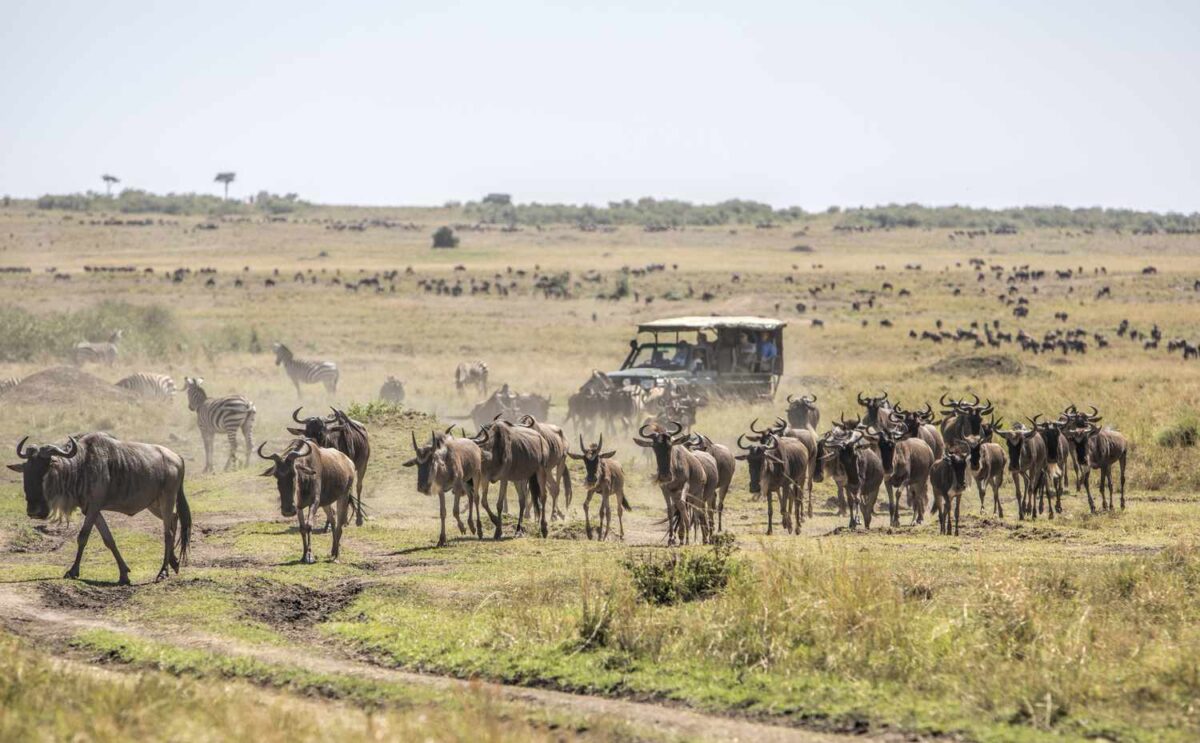
Maasai Mara Guide: Wildlife, Culture & Safari Tips
The Maasai Mara stands as one of Africa’s most iconic safari destinations, where open savannahs, dense wildlife populations, and rich Maasai culture combine to create an unforgettable travel experience. A Maasai Mara guide introduces travelers to a landscape that forms the northern extension of the Serengeti ecosystem, supporting some of the highest concentrations of wildlife in the world.
The reserve is best known for the Great Migration, but it also offers year-round game viewing with exceptional sightings of lions, cheetahs, elephants, and other classic African species. Beyond wildlife, the Maasai Mara offers cultural encounters with the Maasai people, adding depth to the safari experience.
This Maasai Mara guide explores wildlife, migration patterns, safari regions, cultural experiences, accommodation, best time to visit, and essential travel tips for planning a rewarding Kenya safari.
Why the Maasai Mara Is One of Africa’s Best Safari Destinations
The Maasai Mara is famous because it delivers consistent and dramatic wildlife encounters across vast open plains. The ecosystem supports dense predator populations and large herbivore herds that move freely across the Kenya–Tanzania border.
A Maasai Mara guide highlights the reserve’s accessibility and reliability for game viewing. Unlike more remote parks, wildlife sightings are frequent and often occur in open landscapes that make photography and observation easier.
The combination of wildlife density, scenery, and cultural presence makes the Maasai Mara one of Africa’s most complete safari destinations.
The Great Migration in the Maasai Mara
The Great Migration defines the Maasai Mara experience during peak season. Millions of wildebeest, zebras, and gazelles move between the Serengeti and Maasai Mara in search of fresh grazing.
A Maasai Mara guide emphasizes that migration timing changes annually depending on rainfall patterns.
River Crossings
Between July and October, herds cross the Mara River, creating dramatic scenes of survival as animals face crocodiles and strong currents. These crossings represent some of the most iconic wildlife moments in Africa.
Predator Action
The migration attracts large predator populations. Lions, cheetahs, leopards, and hyenas follow the herds, creating frequent hunting opportunities across the plains.
Wildlife in the Maasai Mara
The Maasai Mara supports one of the richest concentrations of wildlife in Africa.
A Maasai Mara guide highlights the Big Five—lion, leopard, elephant, buffalo, and rhino—alongside cheetahs, giraffes, hippos, crocodiles, and numerous antelope species.
Big Cats
The Maasai Mara is especially known for its lion population, including large prides that dominate the plains. Cheetahs are frequently seen hunting in open grasslands, while leopards inhabit riverine forests.
Herbivores
Wildebeest, zebras, topis, gazelles, and impalas form large herds that sustain predator populations year-round.
Maasai Mara Ecosystem and Landscape
The Maasai Mara features rolling grasslands, acacia woodlands, and river systems that support diverse wildlife habitats.
A Maasai Mara guide highlights the open terrain as one of the key factors that makes wildlife viewing so effective.
The landscape also allows long-distance visibility, making it easier to track animal movements and observe predator-prey interactions.
Cultural Experiences with the Maasai People
The Maasai Mara region is home to the Maasai people, one of East Africa’s most well-known indigenous communities.
A Maasai Mara guide includes cultural visits as an important part of the safari experience.
Visitors can explore traditional villages, learn about Maasai customs, observe traditional dances, and understand pastoral lifestyles that remain closely tied to cattle herding and land stewardship.
These cultural interactions add depth to the wildlife experience and provide insight into human-wildlife coexistence in the region.
Safari Activities in the Maasai Mara
Game drives form the core safari activity in the Maasai Mara, offering morning, afternoon, and full-day wildlife viewing opportunities.
A Maasai Mara guide highlights both guided and private game drives as essential for maximizing wildlife encounters.
Hot air balloon safaris provide aerial views of the plains at sunrise, often followed by bush breakfasts in the wilderness.
Walking safaris in private conservancies allow closer interaction with nature under the guidance of armed rangers.
Maasai Mara Conservancies
The Maasai Mara ecosystem includes private conservancies that border the main reserve. These conservancies play a key role in conservation and tourism management.
A Maasai Mara guide highlights conservancies for lower vehicle density, exclusive wildlife access, and community-based tourism models.
They also allow off-road driving and night safaris, which are not permitted inside the main reserve.
Best Time to Visit the Maasai Mara
The Maasai Mara offers excellent wildlife viewing year-round, but the experience varies by season.
The dry season from July to October is the most popular period due to the Great Migration and river crossings.
The wet season from November to May offers lush landscapes, fewer crowds, and strong predator activity, especially during the calving period in neighboring Serengeti.
A Maasai Mara guide recommends timing visits based on whether travelers prioritize migration sightings or quieter safari experiences.
Accommodation in the Maasai Mara
The Maasai Mara offers a wide range of accommodation options, from luxury tented camps to midrange lodges and conservancy-based camps.
A Maasai Mara guide highlights riverfront camps and conservancy lodges for premium wildlife access and immersive safari experiences.
Many properties are designed to blend with the environment while offering comfort, privacy, and direct access to game viewing areas.
Wildlife Photography in the Maasai Mara
The Maasai Mara is one of the world’s top wildlife photography destinations.
A Maasai Mara guide emphasizes open plains, golden light, and high wildlife density as ideal conditions for capturing dramatic images.
Predator hunts, river crossings, and large herds provide dynamic photographic opportunities throughout the year.
Conservation and Ecosystem Protection
The Maasai Mara ecosystem depends on a balance between wildlife conservation, tourism, and community land use.
A Maasai Mara guide highlights conservancies as key drivers of sustainable tourism and wildlife protection.
Revenue-sharing models support local communities and encourage long-term preservation of migration corridors and grazing lands.
Conclusion
The Maasai Mara delivers one of the most complete safari experiences in Africa, defined by dramatic wildlife encounters, vast open landscapes, and rich cultural heritage. From the Great Migration and river crossings to year-round predator action and Maasai cultural experiences, every moment in the Mara feels alive and unpredictable.
A Maasai Mara guide reveals a destination where nature and culture coexist in a powerful and balanced ecosystem. Whether tracking lions on the plains, watching wildebeest cross the Mara River, or experiencing Maasai traditions, the Maasai Mara remains a defining safari experience in Africa.