
Elephant Safari: Best Destinations for Elephant Encounters
July 16, 2026
Gorilla Trekking vs Safari: Which African Experience Wins?
July 16, 2026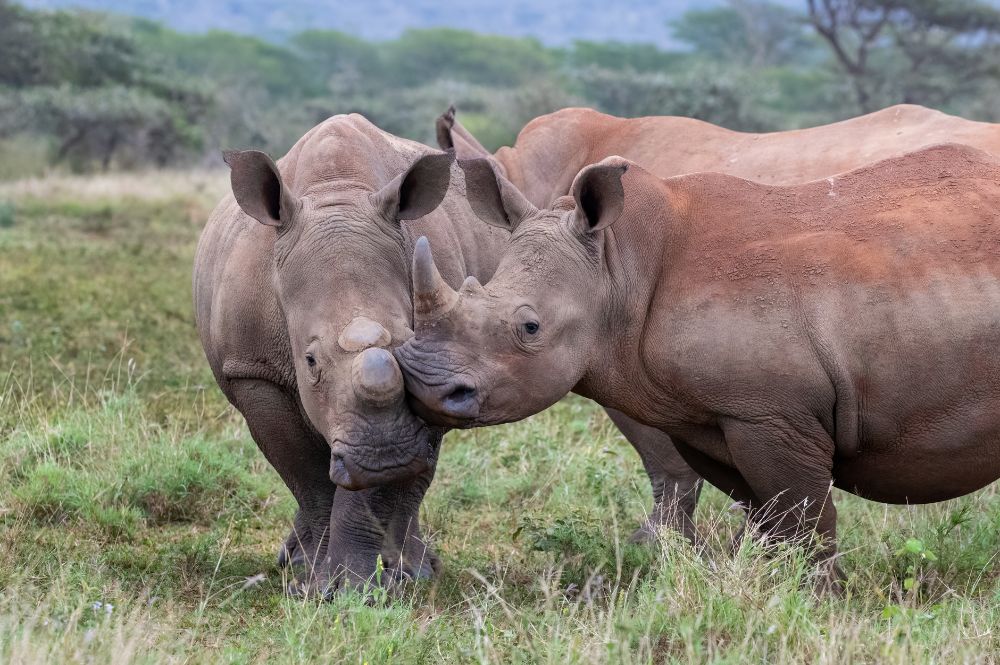
Rhino Conservation: Where to See Rhinos in Southern Africa
Rhino conservation remains one of Africa’s most important wildlife protection efforts. Southern Africa holds some of the world’s largest remaining rhino populations and leads many programmes that protect these ancient animals.
Rhinos once moved freely across large parts of Africa and Asia. Today, habitat loss, illegal wildlife trade, and poaching threaten their survival. Conservation organisations, national parks, private reserves, and local communities now work together to secure the future of these iconic species.
Southern Africa offers some of the best opportunities to see rhinos in the wild. Countries such as South Africa, Namibia, Botswana, Zimbabwe, and Eswatini protect important populations through dedicated conservation initiatives.
A rhino safari provides more than a wildlife encounter. It allows travellers to understand conservation challenges and support efforts that protect these remarkable animals for future generations.
Understanding Rhino Conservation in Southern Africa
Southern Africa supports two main African rhino species: the white rhino and the black rhino. Although both species share similar habitats, they differ in appearance, behaviour, and feeding habits.
White rhinos usually prefer open grasslands where they graze on short vegetation. They often live in groups and remain one of the easiest rhino species to observe during a safari.
Black rhinos prefer thicker bush areas and feed on shrubs and trees. They tend to live more solitary lives and show a more cautious nature around people and vehicles.
Conservation teams protect both species through anti-poaching patrols, habitat management, scientific research, and community programmes. These efforts help maintain healthy populations across protected landscapes.
Tourism also plays a major role in rhino conservation. Safari revenue supports wildlife protection, ranger programmes, and conservation projects that benefit both animals and communities.
South Africa: The Heart of Rhino Conservation
Kruger National Park
Kruger National Park remains one of the most important destinations for rhino conservation in Africa. The park protects significant populations of both white and black rhinos across its vast wilderness.
The park’s diverse habitats provide ideal conditions for rhinos. Visitors can encounter these animals during guided game drives, especially in areas with open grasslands and water sources.
Kruger has invested heavily in anti-poaching strategies, including ranger patrols, technology, and partnerships with conservation organisations. These efforts aim to reduce threats and protect one of Africa’s most valuable wildlife populations.
A rhino safari in Kruger combines excellent wildlife viewing with the opportunity to learn about modern conservation challenges.
Hluhluwe-iMfolozi Park
KwaZulu-Natal’s Hluhluwe-iMfolozi Park holds a special place in rhino conservation history. The reserve played a major role in saving the southern white rhino from near extinction.
Conservation efforts in the park helped increase white rhino numbers through successful breeding programmes. Today, the reserve remains one of the best places to see rhinos in South Africa.
The park offers guided game drives through beautiful landscapes of hills, forests, and savanna. Visitors can often spot rhinos alongside elephants, buffalo, lions, and other wildlife.
Private Game Reserves in South Africa
Private reserves near Kruger National Park provide exceptional rhino encounters. Areas such as Sabi Sand, Timbavati, and Manyeleti offer expert-guided safari experiences.
Private reserves often provide fewer vehicles at wildlife sightings. This creates a more intimate experience when observing rhinos in their natural environment.
Many private reserves also contribute directly to conservation through research projects, habitat protection, and anti-poaching initiatives.
Namibia: Protecting Desert-Adapted Rhinos
Etosha National Park
Namibia offers a unique rhino safari experience through its dry landscapes and remote wilderness areas. Etosha National Park protects populations of both black and white rhinos.
The park’s waterholes create excellent viewing opportunities, especially during the dry season. Rhinos often visit these areas to drink, allowing visitors to observe their behaviour from safe distances.
Etosha’s conservation approach combines wildlife protection with scientific monitoring. The park continues to play an important role in protecting Namibia’s rhino populations.
The contrast between rhinos and Namibia’s desert scenery creates a memorable safari experience.
Kunene Region
The Kunene region in northwestern Namibia protects one of Africa’s most remarkable rhino populations. Black rhinos here have adapted to desert conditions and survive in one of the continent’s harshest environments.
Specialist conservation organisations work with local communities to protect these free-ranging rhinos. Community involvement remains essential because local people help monitor wildlife and reduce human-wildlife conflict.
Visitors who explore this region experience a rare type of safari that combines conservation, adventure, and remote wilderness.
Botswana: Rhino Conservation in Protected Wilderness
Moremi Game Reserve and Okavango Delta
Botswana has developed important rhino conservation initiatives within protected areas such as the Okavango Delta and Moremi Game Reserve.
The country has relocated rhinos from vulnerable areas to safer habitats through carefully managed conservation programmes. These relocation efforts strengthen populations and reduce risks from poaching.
The Okavango Delta provides a unique setting for rhino encounters. Its wetlands, forests, and floodplains create a rich environment for wildlife.
A Botswana rhino safari allows travellers to experience conservation success within one of Africa’s most pristine ecosystems.
Khama Rhino Sanctuary
The Khama Rhino Sanctuary provides an accessible conservation experience in Botswana. The sanctuary protects white and black rhinos within a community-based conservation model.
The project supports local communities through tourism while protecting endangered rhino populations. Visitors can enjoy guided drives, walking experiences, and educational activities.
The sanctuary demonstrates how conservation and community development can work together.
Zimbabwe: Supporting Rhino Recovery
Matobo National Park
Zimbabwe’s Matobo National Park offers one of the country’s best rhino conservation experiences. The park protects both black and white rhinos among dramatic granite landscapes.
The rocky terrain provides a unique backdrop for wildlife viewing. Guided walks offer opportunities to track rhinos while learning about their behaviour and conservation.
Matobo has played an important role in Zimbabwe’s rhino recovery efforts. Conservation teams continue to monitor and protect populations within the park.
Private Conservancies
Private conservancies across Zimbabwe contribute significantly to rhino conservation. These areas provide secure habitats where conservation teams can manage breeding and protection programmes.
Many conservancies combine tourism with conservation research. Visitors gain insight into the challenges facing rhinos while enjoying authentic wildlife experiences.
Eswatini: Small Country, Strong Conservation Efforts
Mlilwane Wildlife Sanctuary and Hlane Royal National Park
Eswatini provides rewarding rhino encounters through protected areas such as Hlane Royal National Park.
Hlane protects both white and black rhinos within a beautiful savanna environment. The park offers guided game drives where visitors can observe rhinos alongside elephants, giraffes, and other wildlife.
Eswatini’s conservation programmes show how smaller countries can make a significant contribution to wildlife protection.
A safari in Eswatini provides a quieter alternative for travellers who want meaningful wildlife encounters away from larger parks.
How Tourism Supports Rhino Conservation
Responsible tourism provides essential support for rhino conservation across Southern Africa. Safari fees contribute to park management, ranger operations, habitat protection, and research programmes.
Many conservation projects also work with communities living near wildlife areas. These programmes create jobs and encourage local support for protecting rhinos.
Travellers can support conservation by choosing responsible safari operators, respecting wildlife guidelines, and avoiding products linked to illegal wildlife trade.
Every responsible visit helps create a future where rhinos continue to survive in their natural habitats.
Best Time to See Rhinos in Southern Africa
Rhinos can appear throughout the year in most Southern African destinations. However, dry seasons often provide better viewing conditions.
During dry months, vegetation becomes thinner, and animals gather around water sources. This increases the chances of spotting rhinos during game drives.
The dry season usually runs from May to October in many destinations, although conditions vary between countries.
The green season also offers rewarding experiences. Landscapes become vibrant, birdlife increases, and fewer visitors create a more peaceful safari atmosphere.
Plan Your Rhino Conservation Safari
Southern Africa provides some of the world’s best opportunities to see rhinos while supporting their protection. From South Africa’s historic conservation areas to Namibia’s desert landscapes, each destination offers a unique wildlife experience.
A rhino safari creates a deeper connection with nature because it combines adventure with conservation awareness. Seeing these ancient animals in the wild reminds travellers why protecting wildlife remains important.
Plan your safari with a conservation-focused operator and explore destinations that protect rhinos through responsible tourism. Your journey can become part of the global effort to preserve these magnificent animals.