
Rhino Conservation
July 16, 2026
Best Bird Watching Destinations in Southern Africa
July 16, 2026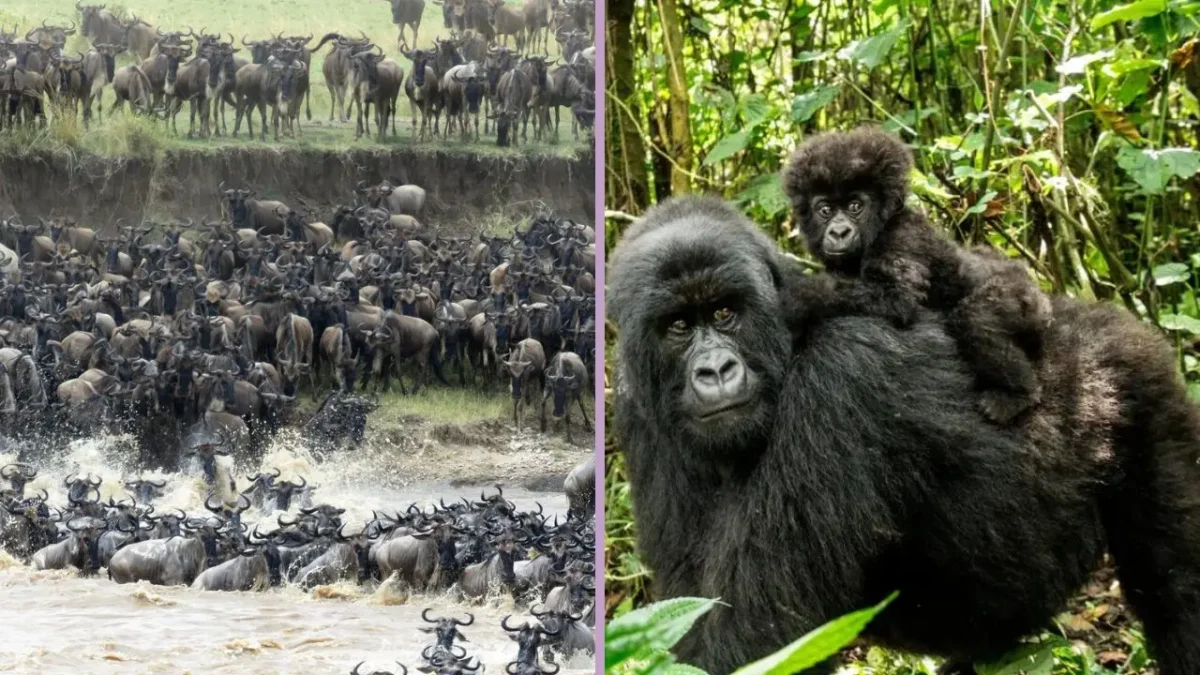
Gorilla Trekking vs Safari: Which African Experience Wins?
Africa offers some of the world’s most unforgettable wildlife experiences. Among them, gorilla trekking and traditional safaris stand out as two journeys that attract travellers from across the globe.
A safari takes you into vast wilderness areas where you search for iconic animals such as lions, elephants, leopards, and buffalo. Gorilla trekking leads you deep into ancient forests where you spend time with endangered mountain gorillas in their natural habitat.
Both experiences create powerful memories, but they offer completely different adventures. A safari connects you with Africa’s open landscapes and diverse wildlife. Gorilla trekking creates an intimate encounter with one of our closest animal relatives.
Choosing between gorilla trekking and safari depends on what you want from your African adventure. Some travellers seek dramatic wildlife action, while others want a rare and emotional connection with nature.
Understanding the Difference Between Gorilla Trekking and Safari
A traditional African safari usually takes place in savanna parks, wetlands, and woodland areas. Travellers explore these landscapes through game drives, boat safaris, walking safaris, and sometimes hot air balloon experiences.
Safari destinations such as the Serengeti, Maasai Mara, Kruger National Park, and Chobe National Park offer opportunities to see a wide range of wildlife. Each day brings new possibilities because animals move freely across these ecosystems.
Gorilla trekking offers a more focused wildlife experience. Travellers hike through tropical forests in Uganda, Rwanda, or the Democratic Republic of Congo to find habituated gorilla families.
The experience involves walking through challenging terrain while following expert trackers. Once you find the gorillas, you spend a limited time observing their behaviour, social interactions, and daily activities.
The Wildlife Experience: Variety vs Connection
Safari Offers Greater Wildlife Diversity
A safari provides access to a remarkable variety of African wildlife. During one journey, you may encounter elephants crossing a river, lions resting under trees, giraffes feeding on acacias, and herds of buffalo moving across the plains.
Many safari destinations support the famous Big Five: lion, leopard, elephant, rhino, and buffalo. However, the experience extends beyond these animals.
You can also see cheetahs, wild dogs, hippos, crocodiles, zebras, wildebeest, and hundreds of bird species. The diversity makes every game drive different.
For travellers who want to experience many species within one trip, a safari offers unmatched wildlife variety.
Gorilla Trekking Creates a Deeper Personal Encounter
Gorilla trekking focuses on one extraordinary animal experience. Spending time with mountain gorillas creates a strong emotional connection because of their human-like behaviour.
You may watch a silverback protect his family, young gorillas play in the vegetation, or mothers care for their infants. These moments reveal the intelligence and social bonds of gorillas.
The encounter feels personal because you share the forest with a small family group rather than observing animals from a vehicle.
For many travellers, meeting gorillas becomes one of the most meaningful wildlife experiences they ever have.
The Landscape Experience: Open Plains vs Ancient Forests
Safari Landscapes Cover Vast Wilderness
African safaris take place across some of the continent’s most spectacular landscapes. The Serengeti offers endless grasslands, while Botswana’s Okavango Delta combines waterways, islands, and forests.
South Africa’s Kruger National Park features diverse habitats, including rivers, bushveld, and open plains. Kenya’s Maasai Mara provides dramatic scenery during the Great Migration.
These landscapes create a sense of freedom and adventure. Travellers often spend hours exploring large wilderness areas in search of wildlife.
Gorilla Trekking Explores Ancient Rainforests
Gorilla trekking takes place in some of Africa’s oldest and most biologically diverse forests. Bwindi Impenetrable National Park in Uganda and Volcanoes National Park in Rwanda protect mountain gorilla habitats.
The forest environment creates a completely different atmosphere from the savanna. Thick vegetation, misty mountains, and forest sounds surround you throughout the trek.
The journey itself becomes part of the experience. Walking through the forest allows you to appreciate rare plants, birds, and other wildlife along the way.
The Adventure Level: Relaxed Exploration vs Physical Challenge
Safari Provides Comfort and Flexibility
Most safari experiences offer a comfortable way to explore nature. Travellers spend much of their time in specially designed safari vehicles with experienced guides.
Game drives usually take place during early mornings and late afternoons when animals are most active. Between activities, guests relax at lodges or camps surrounded by wilderness.
Safari experiences suit a wide range of travellers, including families, couples, older travellers, and first-time visitors to Africa.
Gorilla Trekking Requires Physical Preparation
Gorilla trekking requires more physical effort because it involves hiking through forests and mountainous terrain. Trek duration varies depending on the location of gorilla families.
Some treks take a few hours, while others require a full day of hiking. Weather conditions can also make trails muddy and challenging.
However, the physical effort adds to the reward. Reaching a gorilla family after a forest trek creates a powerful sense of achievement.
Travellers should prepare with suitable hiking shoes, comfortable clothing, and a reasonable level of fitness.
Cost Comparison: Gorilla Trekking vs Safari
Gorilla trekking often costs more than a standard safari because of limited permits and strict conservation regulations.
In Uganda, a foreign non-resident gorilla permit costs USD 800, while Rwanda charges USD 1,500 per person. These permits directly support gorilla conservation and community development programmes.
Safari costs vary widely depending on the destination, accommodation style, and duration. Some destinations offer affordable options, while private reserves and exclusive experiences come at a higher price.
Although gorilla trekking requires a significant investment, many travellers consider the experience once-in-a-lifetime.
A safari provides more flexibility because travellers can choose from different budgets, destinations, and activities.
Conservation Impact: Protecting Africa’s Wildlife
Both gorilla trekking and safari tourism contribute to conservation.
Gorilla trekking plays a vital role in protecting mountain gorillas. Permit revenue supports park management, ranger teams, veterinary care, and local communities around protected areas.
Thanks to conservation efforts, mountain gorilla populations have increased in recent years. Tourism remains one of the strongest incentives for protecting their habitats.
Safaris also support conservation through park fees, employment, and wildlife protection programmes. Many national parks depend on tourism revenue to maintain protected ecosystems.
Choosing responsible operators helps ensure that tourism benefits wildlife and local communities.
Gorilla Trekking or Safari: Which One Should You Choose?
The best experience depends on your interests and travel goals.
Choose gorilla trekking if you want a rare wildlife encounter, enjoy adventure, and want to connect with an endangered species in its natural environment.
Choose a safari if you want diverse wildlife sightings, dramatic landscapes, and the chance to see many animals during one journey.
A safari provides variety and exploration. Gorilla trekking provides intimacy and emotional connection.
However, travellers do not always need to choose between the two. Many African itineraries combine both experiences, creating a complete East African adventure.
Combining Gorilla Trekking and Safari in One Trip
A combined gorilla trekking and safari experience offers the best of both worlds. East Africa provides excellent opportunities to connect these adventures.
Uganda allows travellers to combine gorilla trekking in Bwindi Impenetrable National Park with wildlife safaris in Queen Elizabeth National Park, Murchison Falls National Park, or Lake Mburo National Park.
Rwanda offers gorilla trekking in Volcanoes National Park with additional wildlife experiences in Akagera National Park.
Travellers can also combine Uganda gorilla trekking with Kenya or Tanzania safaris. This creates a journey that includes mountain forests, savanna plains, and some of Africa’s most iconic wildlife destinations.
Plan Your African Wildlife Adventure
Gorilla trekking and safari both represent the magic of Africa, but they create different memories.
A safari introduces you to the rhythm of the wilderness. You watch predators hunt, herds move, and landscapes change with the seasons.
Gorilla trekking takes you into the heart of the forest for a rare encounter with one of Earth’s most fascinating creatures.
There is no single winner because each experience offers something unique. The best choice depends on your dream adventure, but combining both creates one of the most complete wildlife journeys Africa can offer.
Plan your safari and gorilla trekking adventure with a trusted local operator to experience Africa’s wildlife responsibly and authentically.