
Night Safari
July 20, 2026
Honeymoon Safari
July 20, 2026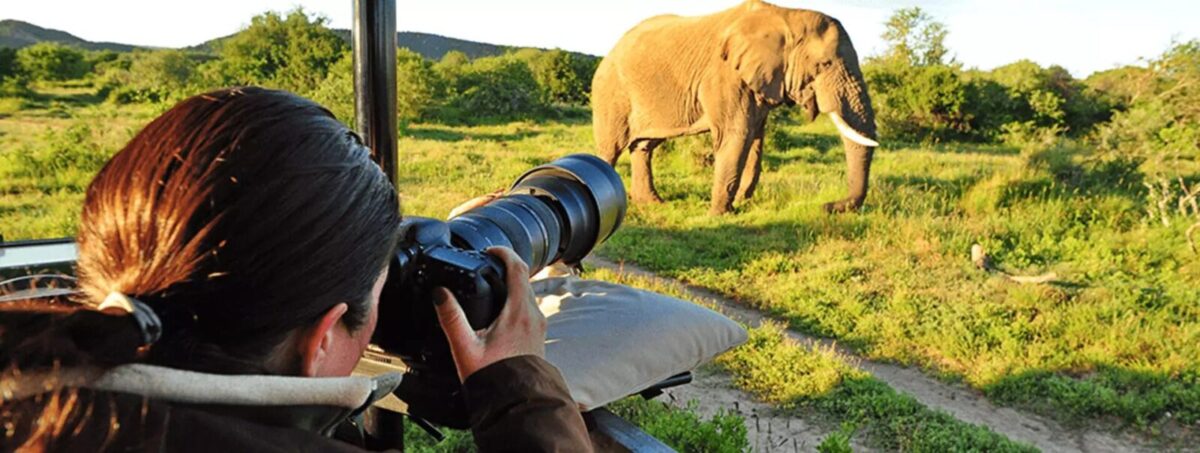
Photography Safari: The Best African Destinations for Wildlife Shots
Africa offers some of the most extraordinary wildlife photography opportunities on the planet. From lions resting beneath golden sunsets to elephants crossing dusty plains, the continent provides endless moments that inspire photographers from around the world.
A photography safari goes beyond simply seeing wildlife. It focuses on capturing emotions, behaviors, landscapes, and the unique stories of Africa’s natural world. Every sunrise, animal movement, and changing landscape creates a new opportunity for a remarkable image.
Unlike a regular safari, photography-focused journeys often include specialized guides, longer time at sightings, private vehicles, and carefully selected locations that maximize photographic opportunities.
Whether you are a professional photographer building a portfolio or a traveler who wants better wildlife images from your adventure, choosing the right destination makes a significant difference.
From Tanzania’s endless Serengeti plains to Botswana’s remote wilderness and Uganda’s forests filled with primates, Africa offers incredible destinations for unforgettable wildlife photography.
What Is a Photography Safari?
A photography safari is a wildlife journey designed specifically for capturing high-quality images of animals, landscapes, and cultural experiences.
These safaris focus on providing photographers with the best possible conditions for photography. Guides understand animal behavior, light conditions, and positioning to help guests capture unique moments.
Photography safaris often include experienced wildlife photographers or specialist guides who provide advice on camera settings, composition, and storytelling.
Many operators also provide flexible schedules. Instead of rushing between sightings, guests spend more time observing animal behavior and waiting for the perfect moment.
The goal is not only to see wildlife but also to capture meaningful images that preserve the memory of the experience.
Why Choose Africa for a Wildlife Photography Safari?
Africa contains some of the world’s most diverse ecosystems. Each environment creates different photographic opportunities.
The open savannas of East Africa provide dramatic views of large herds and predator interactions. Southern Africa’s private reserves offer close encounters with the Big Five. Tropical forests reveal rare primates and colorful bird species.
Africa also offers exceptional natural lighting. Golden sunrise and sunset conditions create the warm tones that make wildlife images so powerful.
The continent’s wildlife density, diverse landscapes, and conservation areas make it one of the best destinations for photographers seeking authentic nature experiences.
Essential Elements of a Great Photography Safari
Expert Wildlife Guides
A knowledgeable guide plays a major role in photography success. Great guides understand animal behavior and know where to find wildlife at the right time.
They recognize signs of activity, predict animal movements, and position vehicles carefully without disturbing wildlife.
Their local knowledge often creates opportunities that independent travellers may miss.
Private Safari Vehicles
Private vehicles provide photographers with greater flexibility. Guests can choose angles, spend longer at sightings, and adjust positions based on changing light.
Unlike shared vehicles, private arrangements allow photographers to focus entirely on their creative goals.
This becomes especially valuable during dramatic moments such as predator interactions or unique animal behavior.
The Right Time of Day
Light determines the quality of wildlife photography. Early mornings and late afternoons usually provide the best conditions.
The soft golden light during these hours creates depth, warmth, and beautiful shadows.
Many photography safaris plan activities around these periods to maximize opportunities.
Best African Destinations for Wildlife Photography
Serengeti National Park, Tanzania
The Serengeti remains one of Africa’s greatest photography destinations. Its endless grasslands provide a spectacular setting for wildlife images.
The park hosts one of the world’s largest wildlife migrations, where millions of wildebeest and zebras move across the plains in search of fresh grazing.
Photographers can capture dramatic scenes of migrating herds, predator interactions, and breathtaking landscapes.
The Serengeti also supports large populations of lions, cheetahs, leopards, elephants, giraffes, and countless bird species.
The open terrain makes it easier to photograph animals against beautiful natural backgrounds.
The best photography opportunities often occur during the dry season when animals gather near water sources and vegetation becomes thinner.
Maasai Mara National Reserve, Kenya
Kenya’s Maasai Mara offers some of Africa’s most iconic wildlife photography experiences.
The reserve’s open grasslands create excellent visibility and provide dramatic settings for capturing predators, large herds, and action scenes.
The Great Migration between July and October creates unforgettable photographic moments as wildebeest and zebras cross the Mara River.
Beyond migration photography, the Maasai Mara provides year-round opportunities to photograph lions, cheetahs, leopards, elephants, giraffes, and cultural experiences with local communities.
Private conservancies surrounding the reserve offer quieter experiences with fewer vehicles and excellent photographic conditions.
Kruger National Park, South Africa
Kruger National Park offers outstanding wildlife photography opportunities with excellent infrastructure and diverse habitats.
The park protects the Big Five along with hundreds of other species, creating endless opportunities for photographers.
Private reserves bordering Kruger, including Sabi Sand and Timbavati, provide some of Africa’s best photography experiences.
These reserves allow off-road driving, longer time at sightings, and expert guiding.
Photographers have excellent opportunities to capture leopards, lions, elephants, rhinos, and buffalo in natural settings.
Kruger’s accessibility also makes it a popular choice for both beginner and experienced wildlife photographers.
Okavango Delta, Botswana
Botswana’s Okavango Delta provides a unique photography environment shaped by water, islands, and wildlife.
The combination of wetlands and open plains creates extraordinary landscapes that differ from traditional savanna photography.
Photographers can capture elephants walking through shallow channels, hippos in waterways, colorful birds, and predators moving through the floodplains.
Boat safaris and mokoro excursions provide different perspectives that allow photographers to capture wildlife from water level.
The delta’s peaceful atmosphere and remote location make it one of Africa’s most rewarding photography destinations.
South Luangwa National Park, Zambia
South Luangwa National Park offers exceptional wildlife photography in a remote and authentic setting.
The park is famous for its leopard sightings, making it one of Africa’s best destinations for photographing these elusive cats.
Large concentrations of elephants, hippos, lions, and antelope create additional opportunities throughout the year.
South Luangwa’s walking safari tradition also allows photographers to explore nature from a closer perspective.
The combination of excellent guiding, diverse wildlife, and fewer visitors creates ideal conditions for photography.
Bwindi Impenetrable National Park, Uganda
For photographers seeking primates, Bwindi Impenetrable National Park provides one of Africa’s most unique experiences.
The ancient rainforest is home to endangered mountain gorillas, offering opportunities to capture intimate images of these remarkable animals.
Gorilla photography focuses on emotions, family relationships, and behavior rather than traditional action scenes.
Chimpanzee photography in Uganda’s Kibale Forest also provides incredible opportunities to capture primates in their natural environment.
Forest photography requires patience because conditions differ greatly from open savanna landscapes.
Namibia: Desert Landscapes and Unique Wildlife
Namibia offers a completely different style of wildlife photography.
The country’s dramatic deserts, mountains, and open landscapes create some of Africa’s most beautiful photographic settings.
Etosha National Park provides excellent opportunities to photograph elephants, lions, rhinos, giraffes, and antelope around waterholes.
The contrast between wildlife and desert scenery creates powerful images with unique visual character.
Namibia is also famous for landscape photography, making it ideal for photographers who enjoy combining wildlife and dramatic scenery.
Best Wildlife Photography Subjects in Africa
Africa provides endless photographic opportunities beyond the famous Big Five.
Big Five Photography
Lions, leopards, elephants, rhinos, and buffalo remain among the most popular subjects.
Capturing their behavior, interactions, and personalities creates memorable wildlife stories.
Bird Photography
Africa’s bird diversity offers incredible opportunities for photographers.
From colorful kingfishers to powerful eagles and elegant flamingos, bird photography adds another dimension to a safari.
Primate Photography
Gorillas, chimpanzees, and other primates create emotional photography experiences because of their intelligence and human-like expressions.
Landscape Photography
Africa’s landscapes provide stunning backgrounds for wildlife images.
Sunrise over the Serengeti, Botswana’s waterways, Namibia’s deserts, and Uganda’s forests create unforgettable compositions.
Photography Safari Equipment Tips
Choosing the right equipment helps capture better images during your safari.
A camera with interchangeable lenses provides flexibility for different situations.
A telephoto lens helps photograph distant wildlife while maintaining safe distances.
A wide-angle lens works well for landscapes, environmental portraits, and dramatic scenery.
Extra memory cards and batteries are essential because wildlife moments happen quickly.
A lightweight camera bag makes movement easier during game drives and walking activities.
Most importantly, understanding your equipment before travelling allows you to focus on photography rather than technical challenges.
Best Time for a Photography Safari
The best time for wildlife photography depends on the destination and the subjects you want to capture.
The dry season often provides excellent opportunities because animals gather near water sources and visibility improves.
The Great Migration in Tanzania and Kenya creates exceptional action photography between July and October.
The green season offers dramatic landscapes, newborn animals, and vibrant colors.
Bird photographers often prefer wetter months because migratory species increase activity.
Every season provides unique photographic opportunities.
Ethical Wildlife Photography
Responsible photography protects both wildlife and the environment.
Photographers should always follow guide instructions and maintain respectful distances from animals.
Avoiding loud noises, sudden movements, and disturbing natural behavior ensures wildlife remains comfortable.
Great wildlife photography focuses on storytelling rather than interference.
Supporting responsible safari operators also helps protect habitats and conservation programs.
Is a Photography Safari Worth It?
A photography safari offers much more than beautiful images. It creates a deeper connection with nature and encourages travelers to observe wildlife carefully.
The experience teaches patience, awareness, and appreciation for the natural world.
Even travellers without professional equipment can enjoy photography safaris because the memories and experiences remain valuable beyond the photographs.
For anyone who loves wildlife, adventure, and creativity, a photography safari ranks among Africa’s most rewarding travel experiences.
Plan Your Photography Safari Adventure
Africa provides endless opportunities to capture incredible wildlife moments. From the sweeping Serengeti plains to Botswana’s waterways and Uganda’s rainforests, every destination tells a different story.
A successful photography safari combines the right destination, expert guidance, good timing, and respect for nature.
Whether you want to photograph the Great Migration, track gorillas through ancient forests, or capture predators on the savanna, Africa offers unforgettable scenes waiting for your lens.
Plan your photography safari with an experienced local operator and capture the wild beauty of Africa through your own perspective.