

Family Safari Guide
July 20, 2026
Photography Safari
July 20, 2026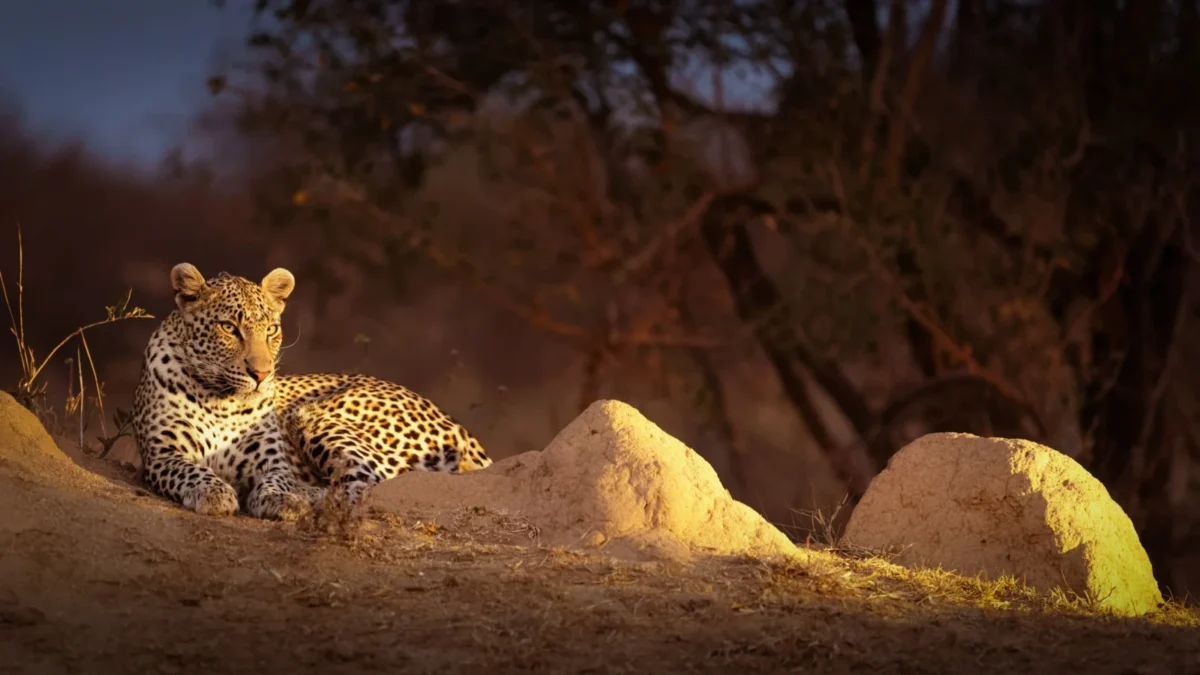
Night Safari: Africa’s After-Dark Wildlife Experience
An African safari does not end when the sun disappears. As darkness settles across the wilderness, a completely different world awakens. A night safari reveals the hidden side of Africa, where nocturnal animals become active and the sounds of the bush transform into a mysterious natural symphony.
Unlike daytime game drives, night safaris provide opportunities to observe creatures that rarely appear during daylight hours. The darkness changes animal behaviour, creating unique encounters that offer a deeper understanding of Africa’s ecosystems.
With the help of powerful spotlights and experienced guides, travellers explore the wilderness after sunset in search of predators, nocturnal mammals, and fascinating smaller species.
From watching lions begin their nightly hunts to discovering bush babies moving through trees, a night safari creates an unforgettable adventure for wildlife enthusiasts.
Across Africa, several destinations offer exceptional after-dark experiences. Private reserves in South Africa, Zambia’s wilderness areas, Botswana’s conservancies, and Tanzania’s remote landscapes provide some of the continent’s best opportunities for exploring the African bush at night.
What Is a Night Safari?
A night safari is a guided wildlife experience that takes place after sunset, usually in an open safari vehicle equipped with spotlights.
Professional guides and trackers lead the adventure while using their knowledge of animal behaviour to locate species that become active at night.
During the day, many predators rest to conserve energy, while smaller nocturnal animals remain hidden. After darkness arrives, the wilderness changes dramatically.
The spotlight reveals reflections from animal eyes, movement among grasses, and creatures that visitors rarely encounter during normal game drives.
Night safaris usually last between two and four hours. Many include stops for refreshments while guests enjoy the sounds and atmosphere of the nighttime wilderness.
Why Choose a Night Safari?
A night safari offers a completely different perspective on Africa’s wildlife. The experience goes beyond searching for famous animals and introduces travellers to the hidden activities of the ecosystem.
Many animals that remain invisible during the day become easier to observe after dark. Small mammals, nocturnal birds, reptiles, and insects become part of the adventure.
The darkness also creates a stronger connection with nature. Without the distractions of daytime scenery, visitors become more aware of animal sounds, movements, and behaviours.
Night drives also increase opportunities to witness predator activity. Lions, leopards, hyenas, and other carnivores often become more active during cooler evening hours.
For repeat safari travellers, a night safari provides a fresh way to explore familiar landscapes.
Wildlife You Can See on a Night Safari
Every night safari brings different possibilities because wildlife follows natural patterns. However, several species become easier to find after sunset.
Lions and Other Predators
Lions often become more active at night because cooler temperatures make hunting and travelling easier.
A night safari may reveal lions moving through grasslands, calling to members of their pride, or preparing for a hunt.
Leopards also rely on darkness for movement. Their excellent night vision and secretive behaviour make evening drives one of the best opportunities to search for these elusive cats.
Hyenas, jackals, and African wild cats also become more visible during nighttime hours.
Nocturnal Mammals
Africa has a fascinating collection of animals that most travellers rarely see during daytime safaris.
Bush babies leap between branches, porcupines search for food, and genets move quietly through vegetation.
Other possible sightings include aardvarks, civets, mongooses, spring hares, and bat-eared foxes depending on the destination.
These smaller species reveal the incredible diversity of Africa’s wildlife beyond the famous Big Five.
Night Birds and Reptiles
Night safaris also provide opportunities to discover Africa’s nocturnal birds and reptiles.
Owls, nightjars, and other night-active birds may appear during spotlight searches.
Guides often use their knowledge of calls and behaviour to identify species hidden in the darkness.
Reptiles such as chameleons, geckos, and snakes may also become easier to spot because they move differently at night.
Best Destinations for Night Safaris in Africa
South Africa: The Best Choice for Night Drives
South Africa offers some of the most accessible and rewarding night safari experiences on the continent.
Kruger National Park
Kruger National Park provides excellent opportunities to explore Africa after dark through guided night drives.
The park protects a remarkable variety of wildlife, including lions, leopards, elephants, rhinos, buffalo, and numerous smaller species.
Night drives reveal a different side of Kruger. Predators become active, nocturnal animals emerge, and the sounds of the wilderness become more intense.
Sabi Sand Game Reserve
Sabi Sand is one of Africa’s premier destinations for night safaris.
Located beside Kruger National Park, the private reserve allows off-road driving, giving guides more flexibility when following animal movements.
The reserve is famous for leopard sightings, and night drives often provide excellent opportunities to observe these elusive cats.
Luxury lodges in Sabi Sand combine night safaris with expert guiding, exceptional accommodation, and personalised wildlife experiences.
Zambia: Authentic Night Safari Experiences
South Luangwa National Park
South Luangwa National Park is one of Africa’s greatest destinations for night safaris.
The park has a long tradition of exceptional guiding and offers outstanding opportunities to observe nocturnal wildlife.
Night drives in South Luangwa often reveal leopards, lions, hyenas, civets, genets, and other species that become active after sunset.
The park’s remote atmosphere and limited visitor numbers create a true wilderness experience.
South Luangwa also combines night safaris with walking safaris, creating one of Africa’s most complete wildlife adventures.
Tanzania: Night Safaris in Famous Wilderness Areas
Serengeti National Park
The Serengeti offers incredible wildlife viewing during the day, but the wilderness changes completely after dark.
Night safaris provide opportunities to search for predators moving across the plains and smaller animals navigating the grasslands.
The sounds of the Serengeti at night create an unforgettable atmosphere as lions roar, insects call, and wildlife moves through the darkness.
Tarangire National Park
Tarangire provides excellent conditions for night wildlife viewing.
The park’s woodland areas support many nocturnal species, including smaller predators and mammals.
Night drives offer a different perspective from the famous elephant-filled landscapes seen during daytime safaris.
Botswana: Exploring the Wilderness After Sunset
Okavango Delta
Botswana’s Okavango Delta offers unique night safari experiences within one of Africa’s richest ecosystems.
The delta’s waterways, forests, and floodplains support diverse wildlife populations.
Night drives reveal predators moving through the landscape while smaller nocturnal species become active.
Many private camps in the Okavango Delta offer night safaris as part of their wildlife programmes.
Moremi Game Reserve
Moremi Game Reserve provides excellent opportunities to experience Botswana’s wilderness after dark.
The combination of wetlands and forests creates habitats for predators, birds, and nocturnal mammals.
Night drives complement traditional game drives and mokoro excursions, offering a complete Okavango experience.
What Happens During a Night Safari?
A night safari usually begins shortly after sunset when animals start becoming active.
Guests meet their guide and receive a safety briefing before entering the open safari vehicle.
The guide uses a spotlight to search the surrounding landscape while explaining animal behaviour and identifying sounds from the darkness.
Unlike daytime drives, night safaris rely heavily on listening and patience. Guides often stop frequently to observe movement and investigate unusual sounds.
The experience creates a sense of excitement because every moment brings the possibility of discovering something unexpected.
Many lodges combine night drives with drinks or snacks, allowing guests to enjoy the atmosphere of the African night.
Is a Night Safari Safe?
Night safaris are safe when conducted by experienced guides in appropriate locations.
Professional guides understand animal behaviour and know how to navigate wilderness areas after dark.
Vehicles remain at safe distances from wildlife, and guests receive instructions before the journey begins.
Guides use spotlights carefully to avoid disturbing animals while still allowing visitors to observe them.
Private reserves often provide some of the best night safari experiences because they have fewer vehicles and allow more flexible exploration.
Best Time for a Night Safari
Night safaris operate throughout the year, but certain conditions can improve wildlife viewing.
Dry seasons often provide excellent opportunities because animals gather near remaining water sources and vegetation becomes thinner.
Cooler evenings also increase animal activity because many species avoid the heat of the day.
However, every season creates unique opportunities. The wet season brings new life, increased bird activity, and dramatic landscapes.
The most important factors remain the destination, guide experience, and time spent exploring the wilderness.
What to Bring on a Night Safari
Preparing properly helps you enjoy the experience comfortably.
Warm clothing is important because temperatures can drop quickly after sunset, especially during dry seasons.
A light jacket, comfortable layers, and closed shoes are recommended.
Binoculars can help during early evening periods when some daylight remains.
A camera with good low-light capability allows you to capture memorable moments, although wildlife photography becomes challenging after dark.
Avoid using bright lights or flash photography because they may disturb wildlife.
Night Safaris and Conservation
Night safaris contribute to wildlife conservation by creating sustainable tourism opportunities.
Many protected areas use tourism revenue to support ranger teams, habitat protection, and anti-poaching programmes.
The experience also increases awareness about nocturnal species that receive less attention than iconic daytime animals.
Responsible operators follow ethical guidelines that protect wildlife behaviour and minimise disturbance.
By choosing conservation-focused safari companies, travellers help support the protection of Africa’s wilderness.
Combining a Night Safari With Other Safari Experiences
A night safari works perfectly alongside traditional daytime activities.
Travellers can combine evening wildlife drives with walking safaris, boat cruises, cultural visits, and photography experiences.
In South Africa, visitors can combine night drives with Big Five safaris in Kruger and private reserves.
In Zambia, night safaris pair naturally with walking adventures in South Luangwa.
In Botswana, they complement mokoro excursions and wildlife drives in the Okavango Delta.
Combining different activities creates a deeper understanding of Africa’s ecosystems.
Is a Night Safari Worth It?
A night safari offers something that daytime game drives cannot provide. It reveals the hidden rhythms of Africa’s wilderness and introduces travellers to species they may never see under the sun.
The excitement of searching through darkness, listening to wildlife calls, and discovering animals under the stars creates a truly unique experience.
While sightings can never be guaranteed, the adventure itself remains unforgettable.
For travellers who want to experience Africa beyond the usual safari routine, a night safari is absolutely worth adding to the itinerary.
Plan Your Night Safari Adventure
Africa’s wilderness becomes a completely different world after sunset. A night safari reveals the secret lives of predators, nocturnal mammals, and countless creatures that remain hidden during the day.
From South Africa’s private reserves to Zambia’s remote wilderness and Botswana’s waterways, many destinations offer exceptional opportunities to explore the African bush at night.
The darkness does not hide the wilderness. Instead, it reveals another side of Africa waiting to be discovered.
Plan your African safari with an experienced local operator and experience the magic of wildlife after dark.