
Mara River Crossings
June 29, 2026
Ngorongoro vs Serengeti
June 29, 2026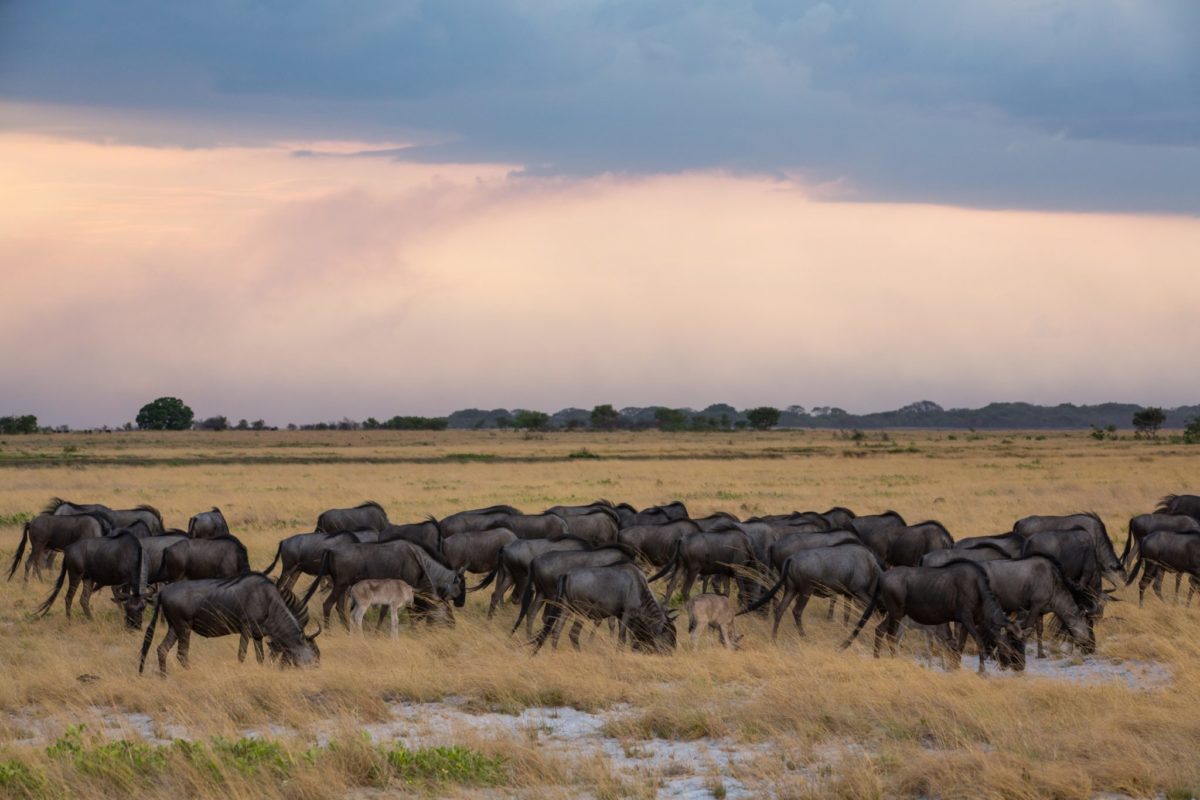
Liuwa Plain Migration: Zambia’s Best-Kept Secret
Liuwa Plain National Park in western Zambia remains one of Africa’s most underexplored safari destinations, yet it hosts one of the oldest and most remarkable wildebeest migrations on the continent. A Liuwa Plain migration guide introduces travelers to a vast, open landscape where thousands of wildebeest move across seasonal floodplains in one of the least crowded wildlife spectacles in Africa.
Unlike the more famous Serengeti–Maasai Mara migration, Liuwa Plain offers a raw and intimate experience with minimal tourism pressure. The park’s isolation creates a safari atmosphere shaped by silence, wide horizons, and uninterrupted wildlife movement.
This guide explores the Liuwa Plain migration, wildlife patterns, best time to visit, and what makes this hidden gem one of Zambia’s most important conservation landscapes.
Why the Liuwa Plain Migration Is So Unique
The Liuwa Plain migration is one of Africa’s oldest documented wildlife movements, historically recorded as early as the 19th century. It involves large herds of wildebeest that move across the plains in response to seasonal flooding and grass growth.
A Liuwa Plain migration guide highlights its uniqueness in scale and isolation, as the migration occurs in a remote ecosystem with very few visitors compared to East Africa’s major safari circuits.
The experience feels untouched, with wide open plains stretching to the horizon and wildlife moving freely without disturbance.
Seasonal Floodplains That Shape the Migration
Liuwa Plain transforms dramatically with seasonal rains, which flood large portions of the park and create nutrient-rich grazing areas.
A Liuwa Plain migration guide explains that water levels directly influence wildebeest movement, as herds follow receding floods in search of fresh grass.
This seasonal rhythm creates a shifting landscape where wildlife concentrates in different areas throughout the year.
Wildebeest Movement and Herd Behavior
The wildebeest in Liuwa Plain move in smaller, more scattered herds compared to East Africa’s massive migration system. However, their movement still follows predictable seasonal patterns linked to rainfall and grass availability.
A Liuwa Plain migration guide highlights that while numbers are smaller, the sense of wilderness is stronger due to the absence of mass tourism and safari traffic.
This creates a more natural and uninterrupted wildlife experience, especially during peak movement periods.
Predator Dynamics in Liuwa Plain
Liuwa Plain supports a strong predator population that follows the wildebeest herds across the plains. Lions are the dominant predators in the ecosystem, including the famous lioness Lady Liuwa, who became symbolic of the park’s conservation success.
A Liuwa Plain migration guide shows that hyenas also play a major ecological role, especially during the wet season when prey is more widely dispersed.
Predator-prey interactions here feel raw and natural due to the low human presence.
Best Time to See the Liuwa Plain Migration
The best time to witness the Liuwa Plain migration is between November and March when seasonal rains transform the landscape into lush grazing fields and attract large concentrations of wildebeest.
A Liuwa Plain migration guide highlights this period as the peak movement season, when wildlife spreads across the floodplains in search of fresh grass.
The dry season from May to October offers easier travel conditions but lower wildlife concentrations compared to the wet season.
Safari Experience in Liuwa Plain
Safaris in Liuwa Plain feel completely different from mainstream African parks due to its remoteness and low visitor numbers. Game drives often take place across vast open plains with minimal infrastructure.
A Liuwa Plain migration guide emphasizes the sense of isolation as one of its defining features, where travelers may spend entire days without encountering another vehicle.
This creates a deeply immersive wilderness experience focused on raw nature rather than tourism activity.
Birdlife and Seasonal Diversity
Liuwa Plain becomes a major birding destination during the wet season, attracting large flocks of migratory birds that thrive in flooded habitats.
A Liuwa Plain migration guide highlights species such as crowned cranes, storks, and raptors that dominate the skies during peak flooding periods.
The combination of water, grasslands, and open skies creates rich biodiversity across seasons.
Conservation and Community Protection
Liuwa Plain has undergone significant conservation recovery over the past decades, with strong support from Zambia’s wildlife authorities and conservation organizations.
A Liuwa Plain migration guide emphasizes community involvement as a key factor in protecting the ecosystem and restoring wildlife populations.
Anti-poaching efforts and sustainable tourism development continue to strengthen the park’s ecological balance.
Conclusion
The Liuwa Plain migration offers one of Africa’s most authentic and least disturbed wildlife spectacles, shaped by seasonal floods, ancient movement patterns, and vast open landscapes. While smaller in scale than East Africa’s migration, it delivers a deeper sense of wilderness and isolation that is increasingly rare.
A Liuwa Plain migration guide reveals a destination where nature operates without crowds or interruption. For travelers seeking a truly off-the-beaten-path safari experience, Liuwa Plain stands as one of Zambia’s most remarkable hidden treasures.