

Port Elizabeth (Gqeberha) Guide
November 4, 2026
How Elephants Communicate
November 5, 2026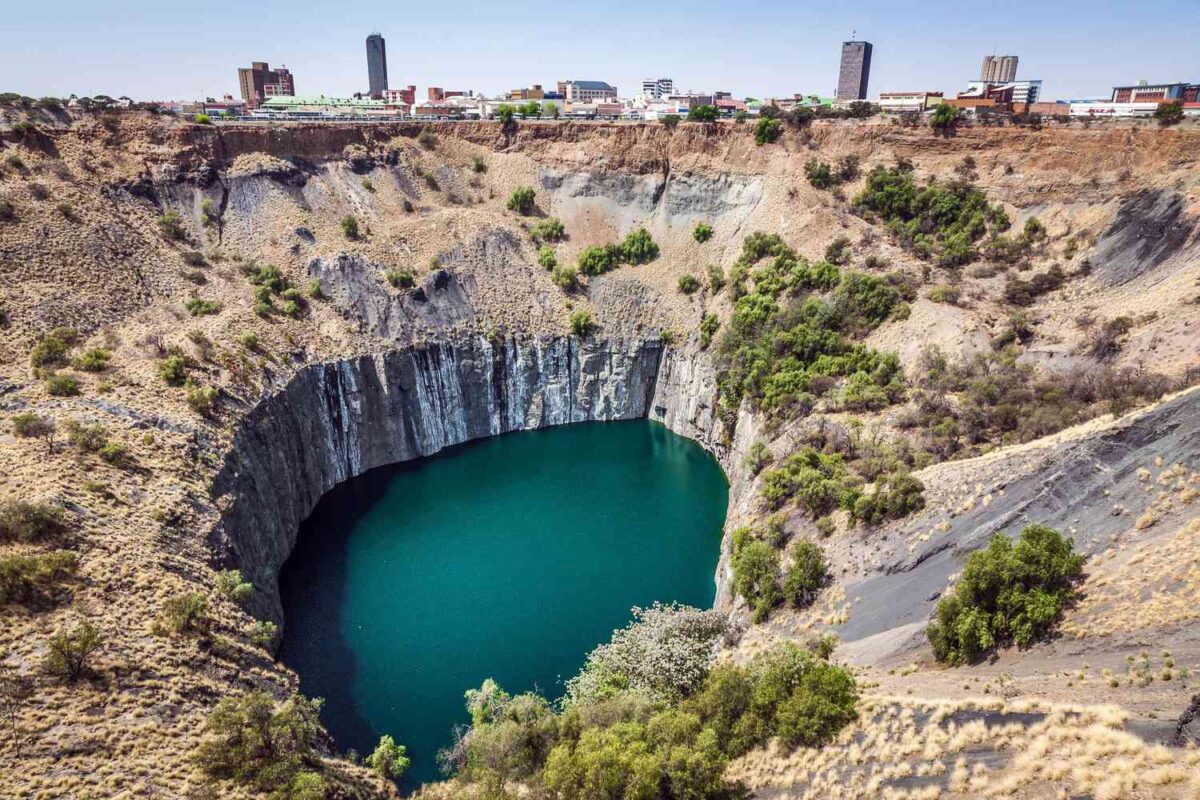
Kimberley: South Africa’s Diamond City Heritage Guide
Kimberley occupies an important place in South Africa’s mining history. Located in the Northern Cape, the city developed around diamond discoveries that transformed the regional economy and attracted people from across southern Africa and beyond. Its historic buildings, mining landmarks, and cultural attractions reveal how the search for precious stones shaped the country’s industrial development.
Although Kimberley does not receive the same tourism attention as Cape Town or Johannesburg, it offers a rewarding experience for travellers interested in history. The city preserves landmarks associated with diamond mining, colonial expansion, labor migration, and the growth of modern South Africa. Visitors can explore these stories while discovering the surrounding Northern Cape landscape.
Where Is Kimberley Located?
Kimberley lies in South Africa’s Northern Cape Province, within a relatively dry interior landscape. The city serves as an important regional center and connects with surrounding towns through established road networks. Its location makes it a potential stop for travelers following longer journeys across central South Africa.
The surrounding environment features open plains, agricultural areas, and landscapes shaped by the region’s semi-arid climate. Kimberley’s urban development contrasts with the expansive countryside beyond its boundaries. Visitors can therefore combine heritage sightseeing with excursions into the wider Northern Cape.
The Diamond Discoveries That Changed Kimberley
Diamond discoveries during the nineteenth century transformed the area around Kimberley. Prospectors, investors, laborers, and traders traveled to the region in search of opportunities, creating a rapidly expanding mining settlement. The resulting diamond rush contributed to major changes in South Africa’s economy and political landscape.
Mining operations gradually became more organized as companies consolidated claims and introduced increasingly industrial methods. The industry helped generate considerable wealth, but its history also includes exploitative labor practices and severe inequalities. Understanding both aspects provides a more accurate account of Kimberley’s development.
The diamond industry influenced transport networks, settlement patterns, business institutions, and labor migration across southern Africa. Kimberley’s story therefore extends far beyond the discovery of valuable stones. It offers insight into the economic forces that shaped the region during the colonial era.
Visit the Big Hole.
The Big Hole is Kimberley’s most recognizable attraction and one of the country’s best-known mining landmarks. The enormous excavation developed through decades of diamond mining and remains a striking reminder of the labor and resources involved in extracting precious stones. Visitors can view the excavation from designated observation areas while learning about its history.
The surrounding heritage attraction provides opportunities to explore the mining settlement’s development. Displays and interpretive materials explain how diamonds were discovered, extracted, processed, and traded. These exhibits help visitors connect the dramatic physical landscape with the people who worked in the industry.
The Big Hole also provides a valuable opportunity to reflect on the social history of mining. The wealth created by diamonds did not benefit everyone equally, and the industry’s labor systems contributed to broader patterns of inequality. Travellers who approach the site with this historical awareness gain a deeper understanding of its significance.
Explore the Kimberley Mine Museum.
The Kimberley Mine Museum presents aspects of life during the diamond-mining era. Its reconstructed historical streets and buildings help visitors imagine the settlement as it developed during the nineteenth century. Exhibits may include mining equipment, commercial displays, and examples of architecture associated with the period.
Walking through the heritage area provides context for the city’s rapid transformation from a mining camp into an established urban center. Shops, homes, and public buildings illustrate how businesses and social institutions emerged around the diamond industry. Visitors can also learn about the technologies that supported mining operations.
The museum offers an engaging experience for families, history enthusiasts, and travelers interested in South Africa’s industrial heritage. Guided interpretation can make the displays more meaningful by explaining the relationships between mining, migration, and urban growth. Visitors should confirm current opening arrangements before travelling.
Discover Kimberley’s Historic Architecture.
Kimberley’s streets contain buildings that reflect different stages of the city’s development. Victorian-era architecture, civic landmarks, and older commercial structures reveal the influence of the mining economy. Some buildings also demonstrate the importance of transport, communication, and public administration during the city’s expansion.
Exploring these sites provides an opportunity to understand how mining wealth influenced urban design. Architectural styles and building materials reveal the ambitions of businesses and institutions that operated during the diamond boom. The surviving structures contribute to Kimberley’s distinctive historical character.
Visitors can explore selected heritage areas independently or with local guides who understand the city’s history. Guided tours can provide important context about buildings that might otherwise appear ordinary. Travellers should check access arrangements because some historic properties remain in private or institutional use.
Learn About Cecil Rhodes and the Diamond Industry
Cecil Rhodes played a major role in the consolidation of diamond-mining interests in southern Africa. His involvement in the industry contributed to the growth of powerful commercial institutions, including De Beers. His political activities also influenced colonial expansion and the region’s later history.
Rhodes remains a contested historical figure because his legacy includes both economic influence and policies associated with colonial domination. A responsible heritage visit should consider the experiences of communities affected by the systems he helped shape. This broader perspective prevents Kimberley’s history from becoming a celebration of mining wealth alone.
Travellers interested in political history can explore how the diamond industry intersected with colonial government, labour regulation, and regional power. Kimberley’s historical attractions provide an entry point into these complex subjects. Additional museums and historical resources can deepen understanding of the period.
Explore the McGregor Museum.
The McGregor Museum contributes to the preservation and interpretation of the Northern Cape’s cultural and natural heritage. Its collections and associated sites cover subjects such as archaeology, history, anthropology, and regional biodiversity. Visitors can use these resources to understand Kimberley beyond its diamond-mining identity.
The museum’s historical materials help explain the experiences of communities that lived in the region before and during the mining boom. Archaeological and cultural collections provide evidence of much older human histories across the Northern Cape. This wider perspective is essential for understanding the area’s heritage.
Museum exhibitions and access arrangements can change over time. Travellers should confirm which galleries and associated sites are currently open before planning their visit. Allowing sufficient time for the museum makes the experience more rewarding than a brief stop between other attractions.
The Role of Labor in Kimberley’s History
The development of Kimberley’s mines depended heavily on workers drawn from different parts of southern Africa. Labor migration shaped the city’s population, housing arrangements, and economic relationships. Mining companies introduced systems of labor control that later influenced broader patterns of segregation.
Workers faced demanding conditions and significant restrictions during different periods of the industry’s history. Their experiences form an essential part of Kimberley’s heritage, even though traditional accounts sometimes focus primarily on company owners and diamond discoveries. Understanding the human cost of mining creates a more complete historical narrative.
Modern visitors should approach Kimberley’s mining heritage with curiosity and sensitivity. The city’s attractions provide opportunities to examine both industrial achievement and social injustice. This balanced interpretation makes Kimberley particularly relevant to travellers interested in South Africa’s wider history.
Things to Do Beyond Diamond History
Kimberley offers additional attractions for travelers who want to explore the surrounding region. Local parks, cultural institutions, and historical neighborhoods provide opportunities to experience everyday life in the Northern Cape. The city’s restaurants and accommodation establishments also support visitors following longer regional journeys.
The surrounding countryside introduces travelers to the semi-arid landscapes that characterize much of the province. Wildlife and nature experiences may be available at protected areas within driving distance, depending on the chosen route. These excursions provide a contrast to the city’s industrial heritage.
Travellers should plan regional activities according to seasonal temperatures and travel distances. The Northern Cape covers a vast geographical area, and destinations that appear close on a map may require considerable driving. A realistic itinerary allows time for both sightseeing and rest.
Best Time to Visit Kimberley
Kimberley experiences hot summers and cooler winters, with substantial differences between daytime and nighttime temperatures. The dry interior climate can make outdoor sightseeing uncomfortable during the hottest periods. Travellers should plan walking tours and heritage visits around seasonal conditions.
The cooler months generally provide comfortable conditions for exploring outdoor attractions. Winter mornings and evenings can become cold, so layered clothing remains useful. Visitors travelling during summer should carry sufficient water and avoid prolonged exposure to strong midday sunshine.
Weather conditions also influence journeys through the surrounding Northern Cape. Travellers planning extensive road trips should check forecasts and road conditions before departure. Choosing suitable travel times improves comfort and allows more enjoyable exploration.
Where to Stay in Kimberley
Kimberley offers accommodation ranging from established hotels to guesthouses and smaller boutique properties. Travellers interested in heritage sightseeing may prefer accommodation with convenient access to the city’s main attractions. Those travelling by road should also consider parking facilities and connections to their onward route.
Guesthouses can provide a more personal atmosphere, while larger hotels may offer additional facilities for business travellers and families. Accommodation standards vary, so recent reviews and clear information about services remain important. Visitors should confirm air conditioning or heating according to the season.
A one- or two-night stay can provide enough time to explore several of Kimberley’s main historical attractions. Travellers with a deeper interest in mining history may prefer additional time for museums and guided tours. The ideal duration depends on the wider itinerary.
How to Get to Kimberley
Kimberley connects with other South African destinations through major roads and regional transport networks. Travellers can reach the city by car from several directions, although distances across the interior can be substantial. Planning fuel stops and rest breaks remains important on longer journeys.
Kimberley Airport serves the city, but flight availability and routes should be confirmed before booking. Travellers using air transport may need to arrange onward connections through larger South African airports. Private transfers and rental vehicles can provide convenient local mobility.
Driving offers flexibility for visitors exploring the Northern Cape’s heritage and landscapes. However, travellers should avoid rushing between distant attractions and remain cautious when travelling after dark. A carefully planned route makes the journey safer and more enjoyable.
Combining Kimberley with a South African Holiday
Kimberley can form part of a longer South African itinerary that includes Johannesburg, the Free State, or other Northern Cape destinations. Its mining heritage provides a cultural contrast to the country’s coastal and wildlife attractions. Travellers interested in history may appreciate including the city alongside other sites associated with South Africa’s political and industrial development.
The wider Northern Cape offers opportunities to explore distinctive landscapes and protected natural areas. Visitors can combine historical sightseeing with nature experiences according to their interests and available travel time. Such journeys work best when accommodation and transport arrangements reflect the region’s large distances.
Kimberley also provides a meaningful educational stop for families and students. Its museums introduce important questions about wealth, labour, technology, and colonial history. These subjects help visitors understand the forces that shaped modern South Africa.
Plan Your Safari
Kimberley offers a compelling journey into South Africa’s diamond-mining past. The Big Hole, historical museums, and surviving architecture reveal the economic and social changes that transformed the region. Visitors who explore these attractions gain a deeper appreciation of the country’s complex heritage.
Gecko Safaris Africa can help you include Kimberley in a wider South African holiday featuring cultural landmarks, scenic routes, and wildlife experiences. Visit www.visitrwandagorilla.com to explore travel ideas and contact our team for assistance with a personalised itinerary.