Beach Holidays in Africa
November 18, 2025
Positive Impact Safaris
November 18, 2025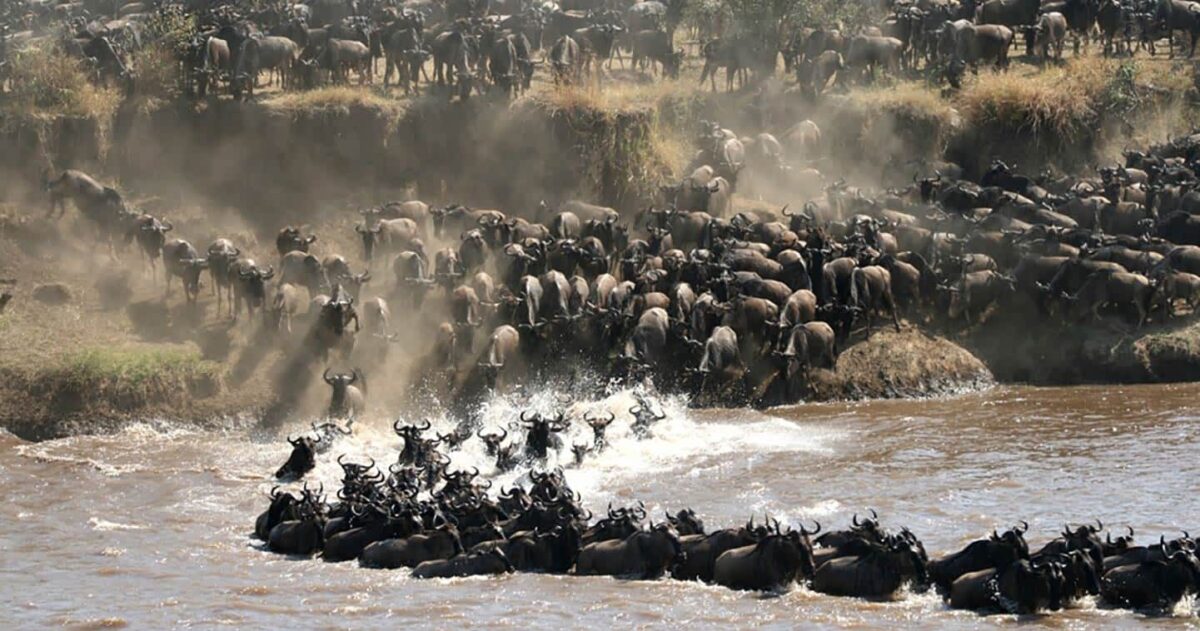
Home / Experiences /
Wildlife Migration Safaris in Africa
Wildlife migration safaris rank among Africa’s most dynamic and sought-after travel experiences. These journeys follow the seasonal movement of animals across vast landscapes in search of water and fresh grazing. Unlike static safari viewing, migration safaris depend on timing, location, and natural cycles, which makes each experience unique. The movement of thousands, and sometimes millions, of animals creates scenes of scale, energy, and unpredictability that define the essence of the African wilderness.
Why Book This Destination
Explore More about Wildlife Migration Safaris in Africa
What Defines a Wildlife Migration Safari
Seasonal Movement and Survival
Migration in Africa follows rainfall patterns and the availability of food. Herbivores move across ecosystems to find fresh grass and water, while predators follow closely behind. This cycle drives constant movement and shapes the structure of the ecosystem.
The experience feels alive and ever-changing. Herds gather, disperse, and regroup, which creates a sense of motion that differs from traditional safari settings.
Scale and Intensity
Migration safaris often involve large numbers of animals moving together. The Great Wildebeest Migration alone includes over a million wildebeest, along with zebra and gazelle. The sheer scale creates dramatic scenes, especially during river crossings or concentrated grazing periods.
The Great Wildebeest Migration
Serengeti and Maasai Mara Ecosystem
The Great Migration takes place across northern Tanzania’s Serengeti and Kenya’s Maasai Mara. This ecosystem supports one of the largest and most continuous wildlife movements on Earth. The journey forms a circular route that repeats each year, driven by rainfall and grazing conditions.
Key Phases of the Migration
Calving Season in Ndutu
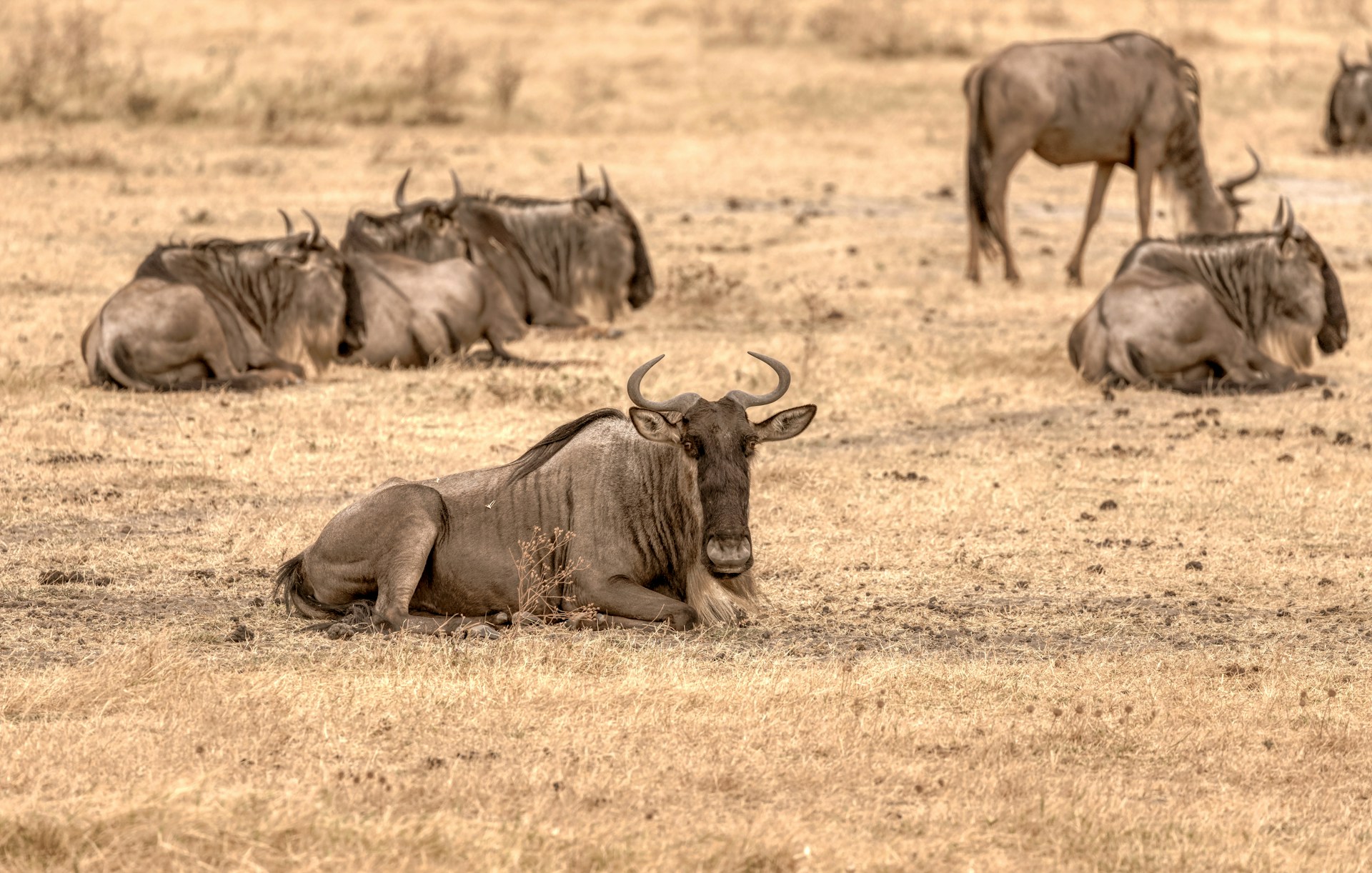
From January to March, the southern Serengeti and Ndutu plains host the calving season. Thousands of wildebeest give birth within a short period, which creates a surge of new life. This stage attracts predators such as lions and hyenas, which increases wildlife interaction.
The landscape appears open and active, with herds spread across the plains and constant movement among newborn animals.
Movement Through Central Serengeti
From April to June, herds begin to move northward through the central Serengeti. Rainfall patterns guide this movement, and the herds travel in long columns across the plains. This phase offers strong photographic opportunities, with animals moving against expansive landscapes.
River Crossings in the North
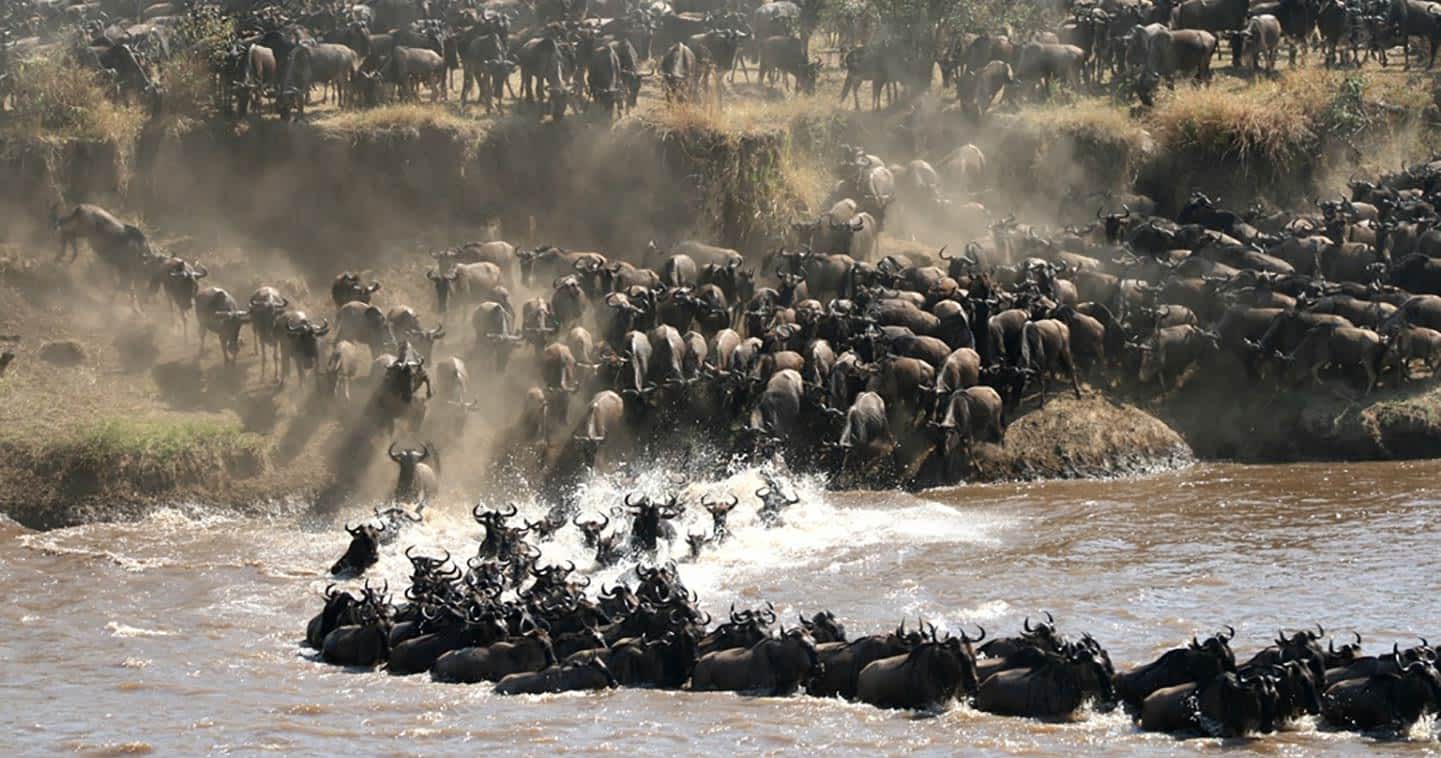
From July to October, the migration reaches the northern Serengeti and Maasai Mara. River crossings at the Grumeti and Mara Rivers create some of the most dramatic moments. Herds gather at the riverbanks, hesitate, and then surge forward into the water.
Crocodiles and strong currents add tension, which makes each crossing unpredictable and intense.
Return to the South
From November to December, the herds begin to move back toward the southern Serengeti as rains return. This phase feels quieter but remains important in completing the migration cycle.
Other Wildlife Migration Safaris in Africa
Zebra Migration in Botswana
Botswana hosts one of Africa’s lesser-known migrations, where zebra move between the Okavango Delta and Makgadikgadi Pans. This migration follows rainfall and water availability, creating a seasonal movement that feels more subtle than the wildebeest migration.
The open landscapes and fewer visitors create a more private and less crowded experience.
Kasanka Bat Migration in Zambia
Zambia’s Kasanka National Park hosts the world’s largest mammal migration in terms of numbers. Millions of fruit bats arrive between October and December, filling the sky at dusk. The spectacle feels dramatic and different from traditional safari experiences.
Elephant Movements in Southern Africa
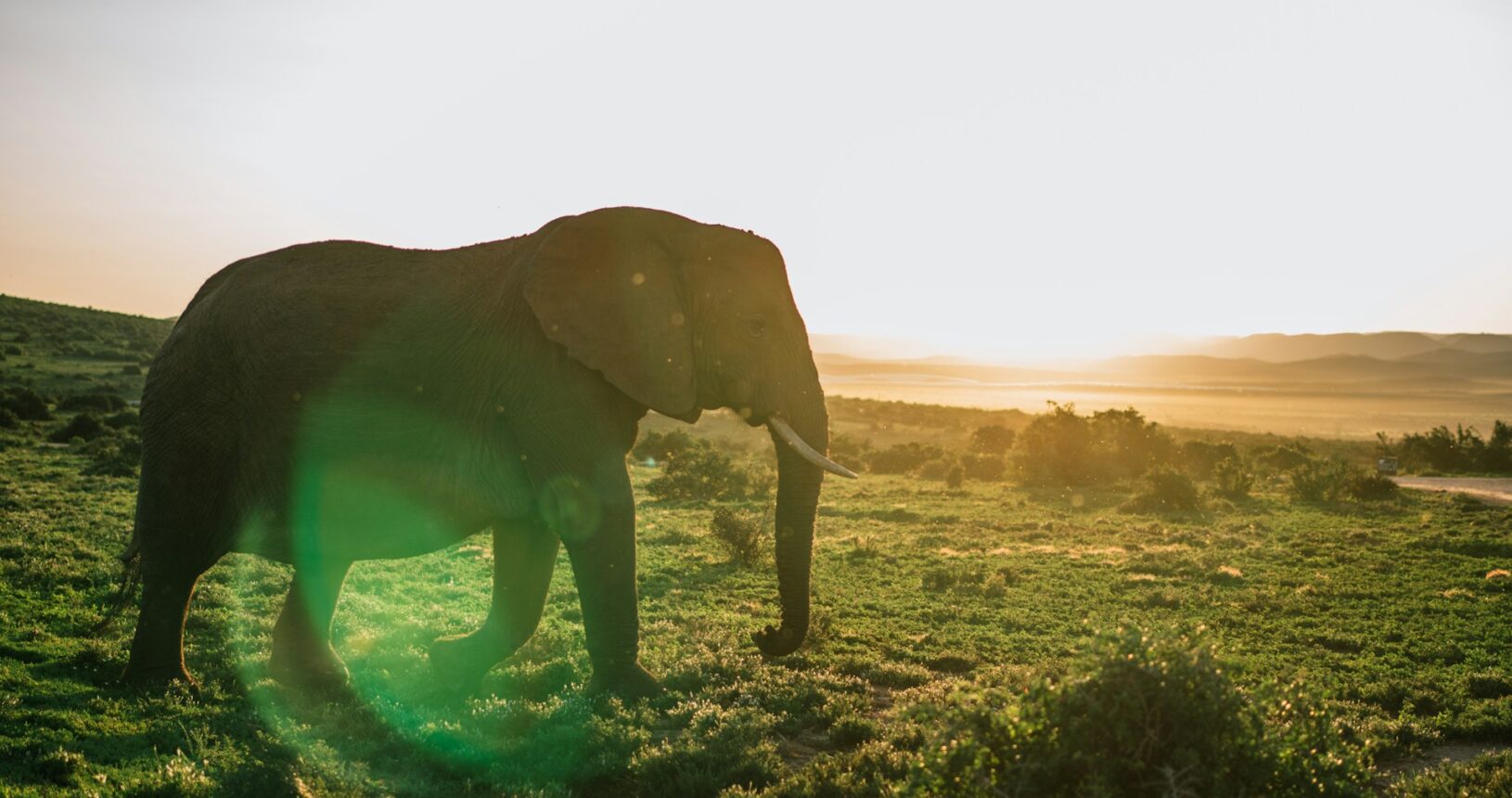
Elephants in regions such as Chobe and Hwange follow seasonal water patterns. While not classified as a single migration event, these movements create large gatherings that resemble migration behavior.
Safari Experiences During Migration
Game Drives and Tracking
Game drives remain the primary way to follow migration herds. Guides track movement patterns and position vehicles for the best viewing. Flexibility plays a key role, as herds may shift location quickly.
Hot Air Balloon Safaris
Hot air balloon safaris provide a unique aerial perspective of migration. From above, the scale of the herds becomes more apparent. The experience offers a calm and expansive view that contrasts with ground-level encounters.
Walking and Close Observation
In some areas, guided walks allow closer observation of migration landscapes. These walks focus on tracks, grazing patterns, and environmental details rather than large herd movement.
Accommodation and Safari Style
Mobile Camps Following the Migration
Mobile camps move with the migration, which ensures proximity to the herds. These camps provide a flexible and immersive experience, often located in prime areas based on current movement.
Permanent Lodges in Key Regions
Permanent lodges in the Serengeti and Maasai Mara offer stable bases with access to migration routes. Choosing the right lodge depends on the time of year and the expected location of the herds.
Best Time for Migration Safaris
Timing Based on Movement
The best time for a migration safari depends on which phase you want to experience. Calving season suits those interested in predator action and new life. River crossing periods attract travelers seeking dramatic and high-energy scenes.
Flexibility and Planning
Migration patterns vary each year due to rainfall. Flexibility in travel dates and locations improves the chances of witnessing key events. Working with experienced operators ensures better positioning.
Planning a Wildlife Migration Safari
Choosing the Right Destination
The Serengeti and Maasai Mara remain the primary destinations for large-scale migration. Botswana and Zambia offer alternative experiences with fewer crowds.
Matching Expectations
Understanding the nature of migration helps set realistic expectations. Movement depends on natural factors, which means exact timing cannot be guaranteed. The unpredictability adds to the excitement and authenticity.
Combining with Other Safari Experiences
Many travelers combine migration safaris with other destinations such as Ngorongoro Crater or Zanzibar. This approach adds variety and balance to the journey.
A Dynamic Safari Experience
Wildlife migration safaris capture the movement and rhythm of Africa’s ecosystems. The scale, unpredictability, and energy create a travel experience that feels alive and constantly changing. Each phase of the migration offers something different, which ensures that no two safaris feel the same.
In Africa’s national parks, every sunrise paints a masterpiece — where the wild’s call echoes across endless horizons. Visiting these parks is to witness nature in its purest form, a timeless dance that stirs the soul.
Steps to Book Your Southern Africa Tour
Choose Your Adventure
Confirm Your Booking
Begin Your Journey
Ready to plan your tailor-made safari?