Wildlife Migration Safaris
November 18, 2025
Multi-Generational Safaris
November 18, 2025
Home / Experiences /
Positive Impact Safaris in Africa
Positive impact safaris in Africa focus on travel that actively benefits wildlife, local communities, and the environment. Instead of simply observing nature, you contribute to its protection and long-term sustainability. These safaris combine high-quality wildlife experiences with responsible practices that support conservation, education, and local livelihoods. The result feels more meaningful, as your journey directly connects to the places and people you encounter.
Why Book This Destination
Explore More about Positive Impact Safaris in Africa
What Defines a Positive Impact Safari
Conservation at the Core
Positive impact safaris place conservation at the center of every experience. Parks, reserves, and conservancies use tourism revenue to fund anti-poaching efforts, wildlife monitoring, and habitat protection. Guides often explain these initiatives, which allows you to understand how tourism supports conservation in real time.
You do not just visit a destination. You become part of a system that protects it.
Community Involvement and Benefit
Local communities play a key role in sustainable tourism. Many safari operators employ staff from nearby villages, support schools, and invest in healthcare and infrastructure. These partnerships create long-term benefits and strengthen the relationship between communities and conservation.
Travelers often visit community projects, which provides direct insight into how tourism supports development.
Conservation Experiences on Safari
Wildlife Protection and Research
Some safaris include opportunities to learn about conservation work. You may visit research centers, meet conservation teams, or observe tracking and monitoring activities. These experiences highlight the effort required to protect endangered species.
In areas such as Zimbabwe, Botswana, and Kenya, conservation programs focus on elephants, rhinos, and predators. Tourism helps fund these efforts, which ensures their continuation.
Anti-Poaching and Habitat Management
Anti-poaching units operate across many safari destinations. Guides may explain how patrols work and how technology supports wildlife protection. Habitat management, including water provision and land restoration, also forms part of the conservation approach.
These initiatives show how safari tourism contributes to long-term environmental stability.
Community and Cultural Engagement
Authentic Cultural Interaction
Positive impact safaris include meaningful cultural experiences rather than staged performances. Visits to communities focus on real-life interaction, where you learn about traditions, daily routines, and local knowledge.
These experiences feel respectful and educational. They create a deeper understanding of how people live alongside wildlife.
Supporting Local Enterprises
Many lodges source goods and services locally. Handcrafted items, fresh produce, and locally guided activities contribute to the local economy. Purchasing these products supports artisans and small businesses directly.
Eco-Friendly Safari Practices
Sustainable Lodge Operations
Eco-conscious lodges reduce their environmental footprint through solar power, water conservation, and waste management. Many camps use natural materials and limit infrastructure to blend into the landscape.
These practices ensure that tourism does not harm the environment it depends on.
Low-Impact Activities
Activities such as walking safaris, canoeing, and limited vehicle use reduce environmental pressure. Guides follow strict rules to ensure that wildlife remains undisturbed. This approach protects natural behavior and maintains ecological balance.
Destinations Leading in Positive Impact Safaris
Botswana
Botswana’s low-volume tourism model focuses on exclusivity and conservation. The Okavango Delta and surrounding reserves limit visitor numbers, which reduces environmental impact while maintaining high-quality experiences.
Kenya
Kenya’s conservancy model allows communities to manage land for wildlife while benefiting from tourism. Areas around the Maasai Mara demonstrate how conservation and community development can work together.
Zimbabwe
Zimbabwe emphasizes strong guiding, low-impact tourism, and community partnerships. Parks such as Hwange and Mana Pools operate with conservation in mind, supported by both government and private initiatives.
Rwanda and Uganda
Gorilla trekking in Rwanda and Uganda represents one of the most successful conservation models. Permit fees fund habitat protection and community projects, which ensures that tourism directly supports endangered species.
The Traveler’s Role
Responsible Travel Choices
Travelers contribute to positive impact safaris through their choices. Selecting responsible operators, respecting guidelines, and supporting local businesses all play a role. Small actions, such as reducing waste or following conservation rules, make a difference.
Awareness and Engagement
Understanding the impact of your visit enhances the experience. Asking questions, engaging with guides, and learning about conservation efforts create a deeper connection to the destination.
Planning a Positive Impact Safari
Choosing the Right Operator
Selecting an operator with a proven commitment to sustainability ensures that your safari aligns with conservation goals. Look for transparency in community involvement and environmental practices.
Combining Experiences
A well-planned itinerary may include wildlife safaris, cultural visits, and conservation activities. This combination creates a balanced and meaningful journey.
A Safari with Purpose
Positive impact safaris transform travel into a force for good. You experience Africa’s wildlife and landscapes while contributing to their protection. The journey feels richer because it connects you to both nature and people in a meaningful way.
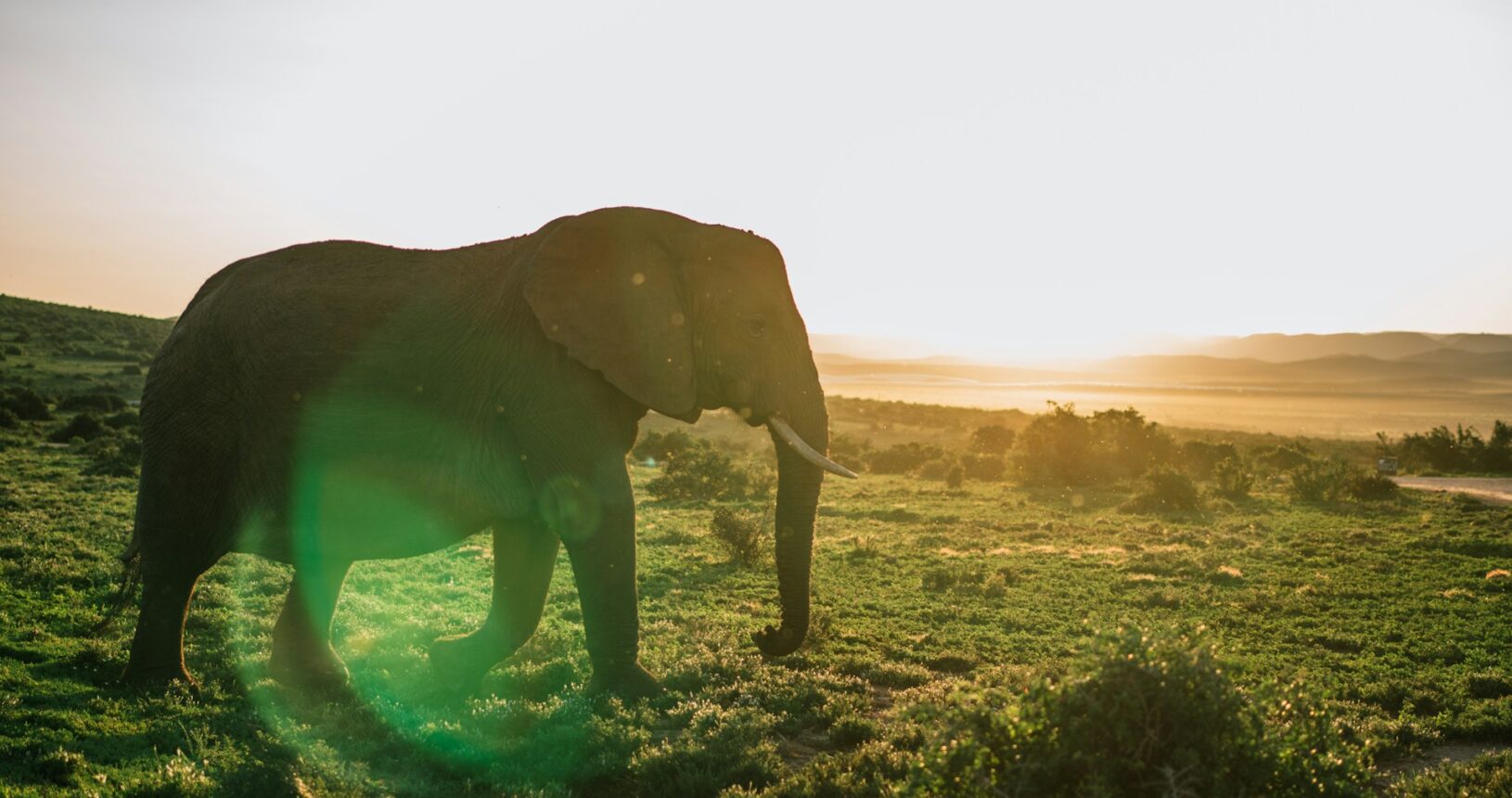
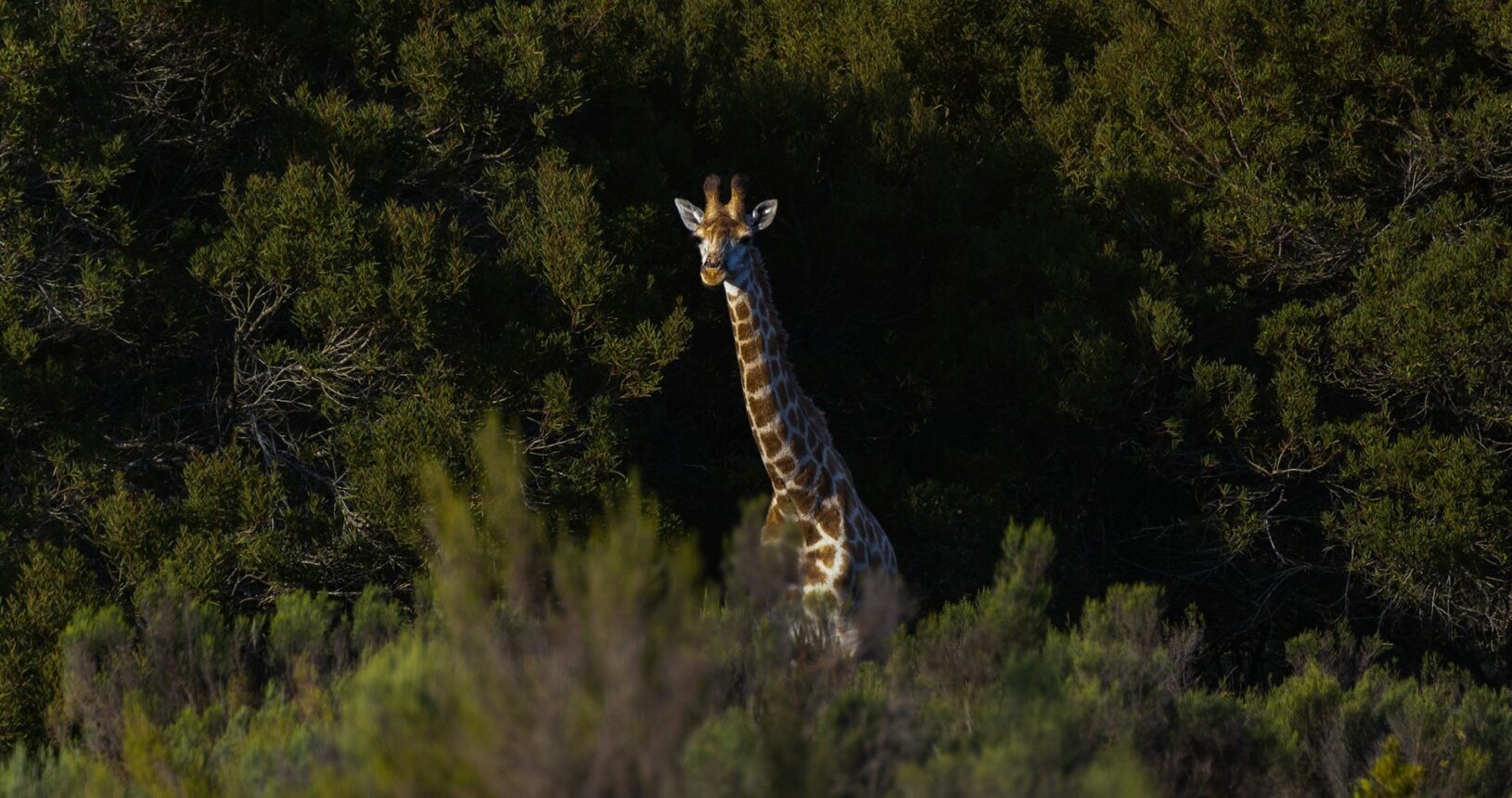
In Africa’s national parks, every sunrise paints a masterpiece — where the wild’s call echoes across endless horizons. Visiting these parks is to witness nature in its purest form, a timeless dance that stirs the soul.
Steps to Book Your Southern Africa Tour
Choose Your Adventure
Confirm Your Booking
Begin Your Journey
Ready to plan your tailor-made safari?