The Cultures of Zambia
February 1, 2026
Wildlife in Zambia
February 1, 2026
Vaccinations for Zambia
Travellers planning a trip to Zambia should take health preparation seriously because safari travel often involves remote wilderness areas, river environments, and long stays in rural regions. Zambia does not require extensive vaccinations for all visitors, but several immunisations and preventive measures help reduce health risks and ensure a safe and comfortable journey.
Vaccination needs depend on the traveller’s country of origin, transit routes, length of stay, and planned activities such as safaris, walking tours, or visits to rural communities. Most travellers prepare in advance with a combination of routine vaccines, travel-specific immunisations, and malaria prevention.
Zambia remains a malaria-risk country throughout most of the year, so prevention plays a major role in travel health planning. Yellow fever vaccination becomes important for travellers arriving from or transiting through certain endemic countries.
A well-prepared health plan ensures travellers enjoy Zambia’s wildlife, landscapes, and safari experiences without unnecessary disruption.
Why Book This Destination
Explore More about Vaccinations for Zambia
Mandatory Vaccinations for Zambia
Yellow Fever Requirement (Conditional)
Zambia does not require yellow fever vaccination for all travelers. However, authorities require proof of yellow fever vaccination if you arrive from or transit through a country with a risk of yellow fever transmission.
This rule applies even if your transit stay is short in an airport of a yellow-fever-endemic country.
Travelers should carry an official Yellow Fever certificate if this requirement applies to their travel route.
Airlines and immigration officers may request proof upon arrival.
Recommended Routine Vaccinations
Basic Immunisations for All Travellers
Health professionals generally recommend that travelers to Zambia ensure they are up-to-date with routine vaccinations before departure.
These include:
Tetanus, diphtheria, and pertussis (Tdap)
Measles, mumps, and rubella (MMR)
Polio
Influenza (seasonal flu vaccine)
These routine vaccines protect travelers against common infections that may occur during travel, especially in areas with limited medical facilities.
Maintaining updated routine immunizations forms the foundation of safe international travel preparation.
Hepatitis Vaccinations
Hepatitis A and Hepatitis B Protection
Hepatitis A vaccination is strongly recommended for travelers to Zambia because the virus spreads through contaminated food and water. Safari travel often involves rural lodges, local meals, and remote environments where exposure risk increases.
Hepatitis B vaccination is also recommended, especially for travelers who may require medical treatment, extended stays, or close interaction with local communities.
Both vaccines provide long-term protection and significantly reduce travel-related health risks.
Typhoid Vaccination
Protection Against Food and Waterborne Illness
Typhoid vaccination is strongly recommended for Zambia because the disease spreads through contaminated food and water sources.
Travelers staying in remote safari camps, rural lodges, or community areas face increased exposure risk compared to urban hotel environments.
The vaccine provides important protection, especially for long-stay travelers and those visiting multiple safari regions.
Malaria Prevention
The Most Important Health Precaution
Zambia is a malaria-endemic country, and malaria prevention remains one of the most important aspects of travel health planning.
Travelers should take prescribed antimalarial medication before, during, and after their trip based on medical guidance.
Mosquito protection also plays a critical role. Travellers should use insect repellent, wear long sleeves and trousers in the evening, and sleep under mosquito nets where provided.
Safari regions such as South Luangwa, Lower Zambezi, Kafue, and Bangweulu carry malaria risk throughout the year, although risk levels vary depending on season and rainfall.
Malaria prevention requires consistent protection rather than a single vaccination.
Rabies Vaccination
Recommended for Outdoor and Wildlife Activities
Rabies vaccination is recommended for travelers engaging in outdoor activities such as walking safaris, cycling, or visits to rural communities.
Wild animals, bats, and stray animals may carry rabies in some regions, although actual encounters remain rare in well-managed safari environments.
Travelers planning extended stays or high levels of outdoor activity may benefit from pre-exposure vaccination.
Cholera and Other Waterborne Diseases
Hygiene and Preventive Awareness
Cholera vaccination may be recommended during specific outbreaks or high-risk periods, depending on current health conditions in the region.
Travelers should also follow strict hygiene practices, especially when drinking water or eating food in remote locations.
Most safari lodges provide safe drinking water, but travelers should still take precautions during travel between regions.
Good hygiene remains the most effective prevention method for waterborne illnesses.
COVID-19 and Other Emerging Health Requirements
Updated Travel Regulations
COVID-19 vaccination requirements have changed over time and may vary depending on global health policies and airline regulations.
Travelers should check current airline rules and entry requirements before travel.
Other emerging health advisories may also apply depending on global or regional health conditions at the time of travel.
Health Preparation for Safari Travel
Practical Steps Before Arrival
Travellers should consult a travel medicine specialist at least 4 to 6 weeks before departure to Zambia.
This allows time for vaccinations that require multiple doses and ensures full protection before travel begins.
A basic travel health kit should include insect repellent, sunscreen, hand sanitizer, basic medication for stomach issues, and any personal prescriptions.
Travel insurance with medical evacuation coverage remains highly recommended due to the remote nature of many safari regions.
Health Safety During Safari
Staying Safe in Remote Wilderness Areas
Safari travel in Zambia often takes place in remote locations with limited access to advanced medical facilities.
Travelers should follow guide instructions, drink treated water, and avoid unnecessary exposure to wildlife or insects.
Safari lodges maintain safety standards, but personal awareness enhances overall health protection.
Proper hydration, sun protection, and rest also support a healthy safari experience.
Why Health Preparation Matters for Zambia Travel
Zambia offers exceptional wildlife, river adventures, and immersive safari experiences, but many of these take place in remote wilderness environments.
Proper vaccination and health preparation ensure travelers enjoy the journey without preventable health risks.
A well-prepared traveler experiences Zambia’s safaris more comfortably, safely, and confidently.
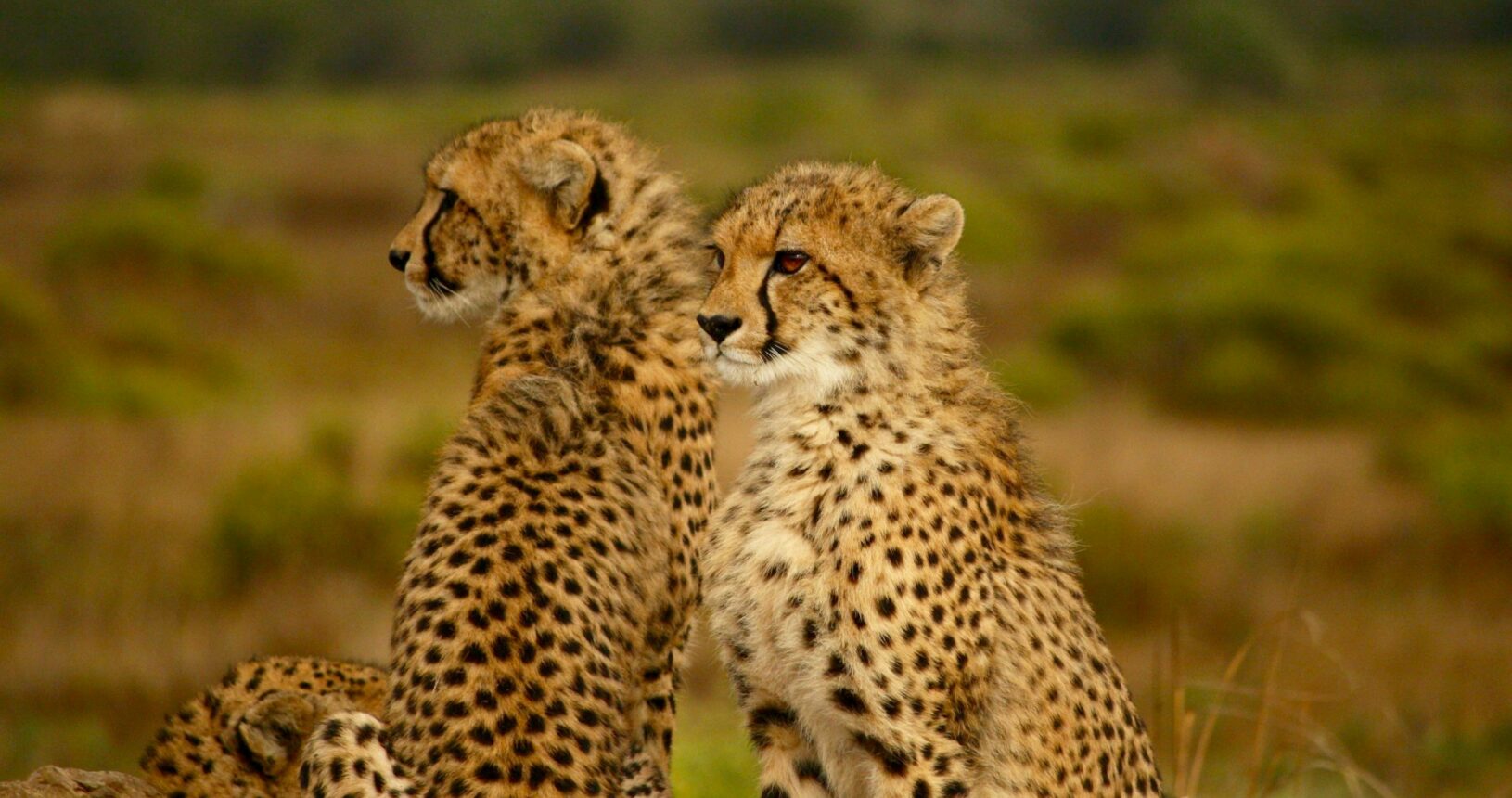
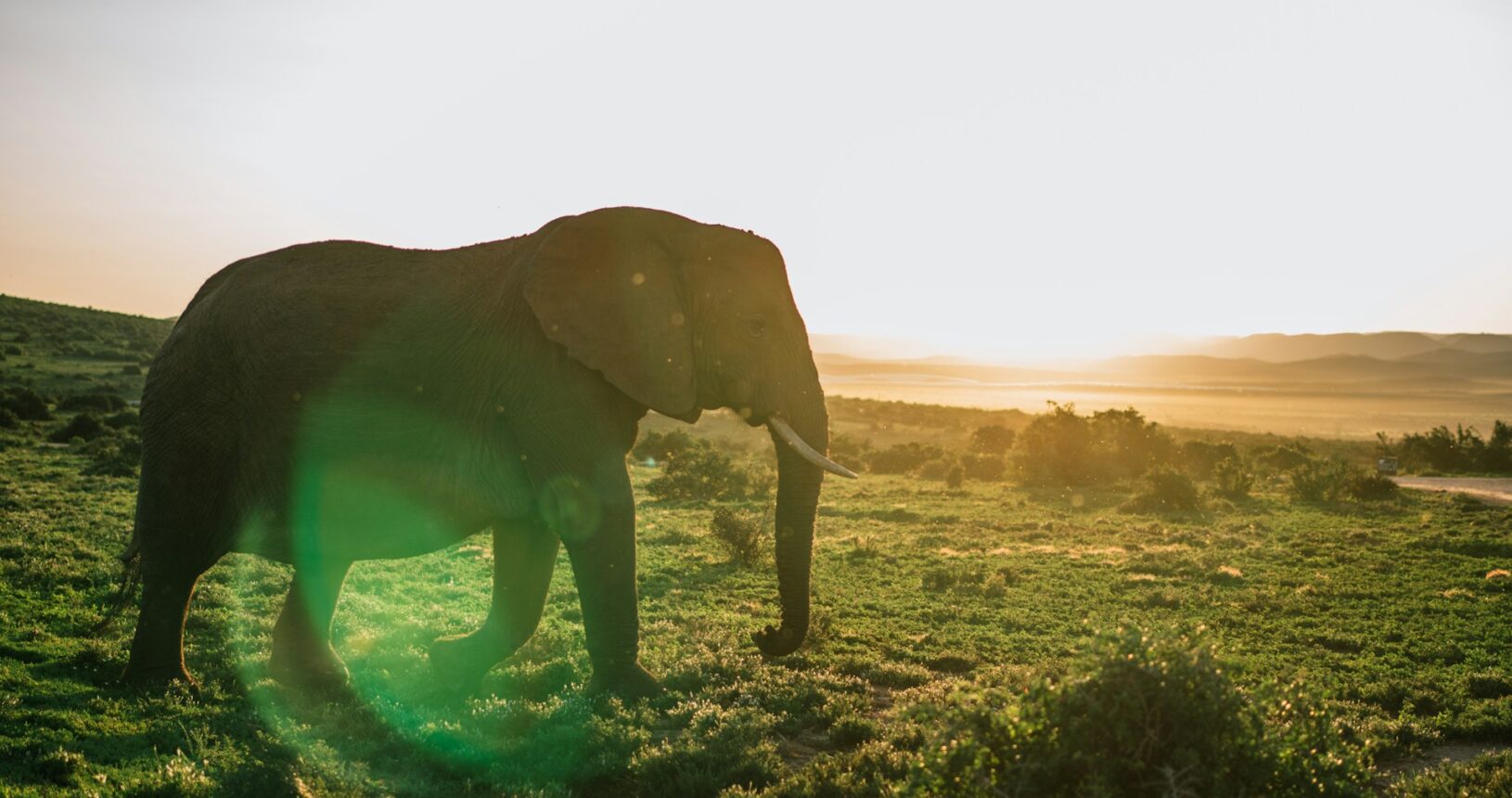
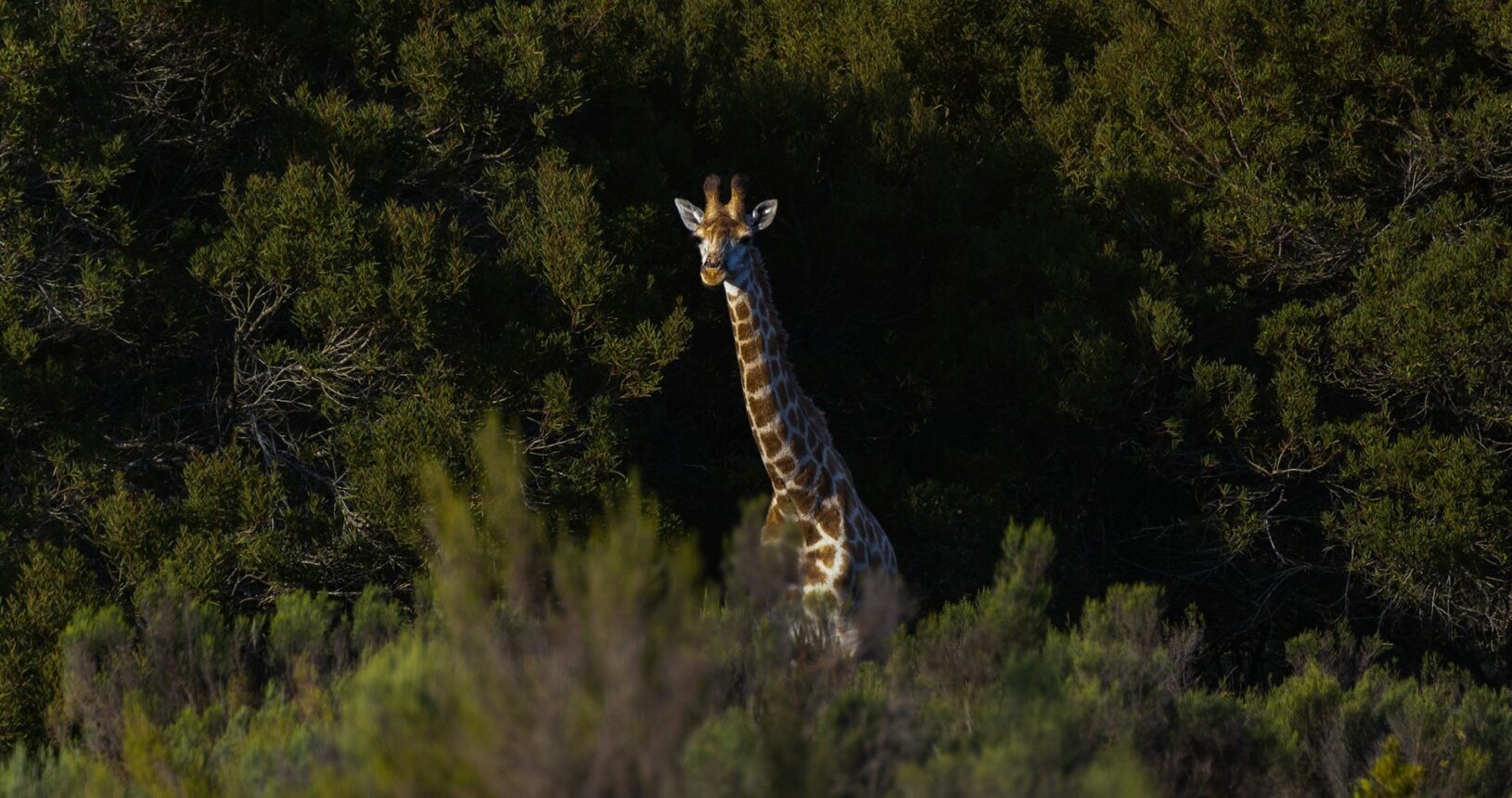
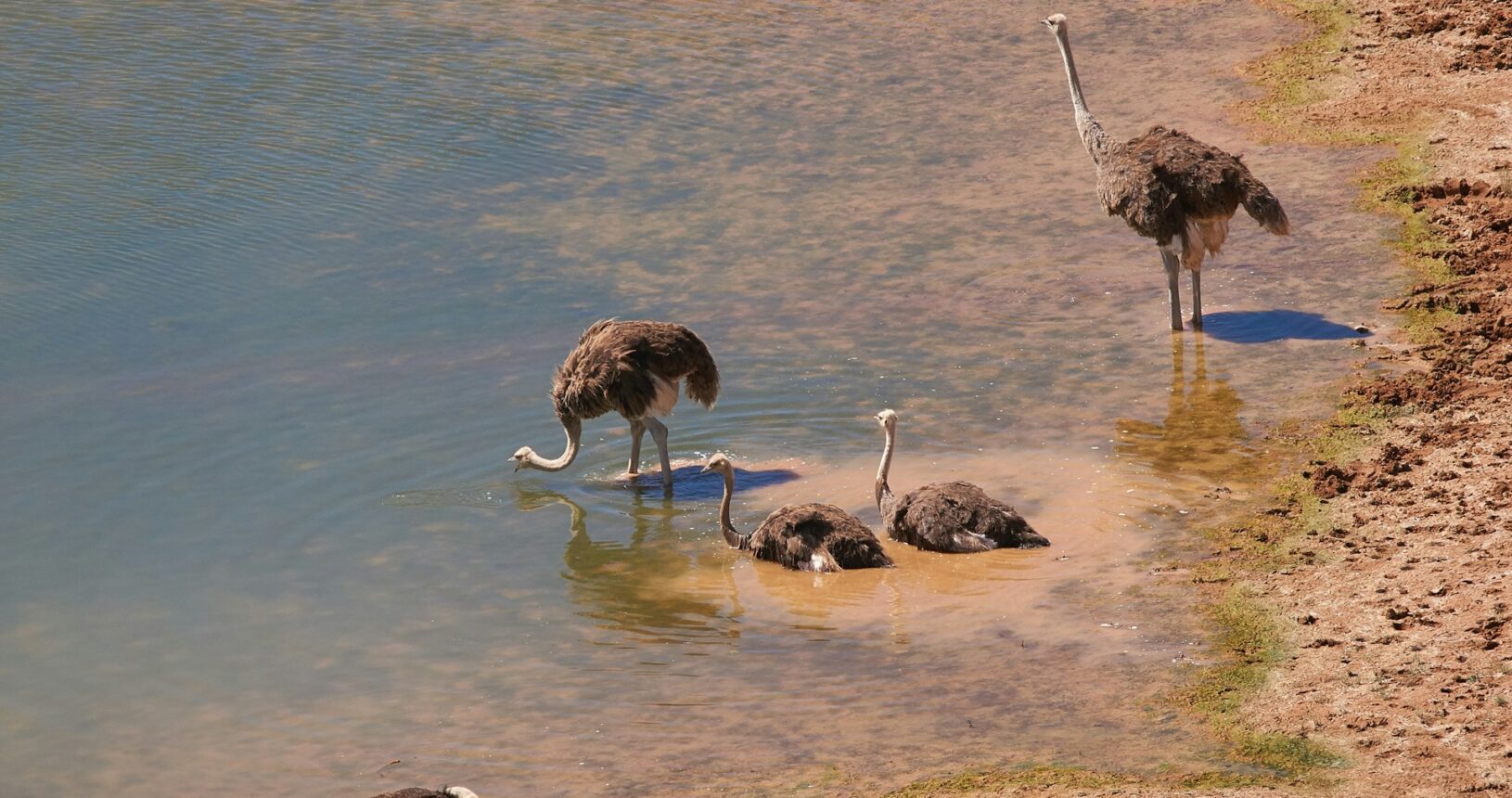
In Africa’s national parks, every sunrise paints a masterpiece — where the wild’s call echoes across endless horizons. Visiting these parks is to witness nature in its purest form, a timeless dance that stirs the soul.
Steps to Book Your Southern Africa Tour
Choose Your Adventure
Confirm Your Booking
Begin Your Journey
Ready to plan your tailor-made safari?