Packing List for Zambia
February 1, 2026
Vaccinations for Zambia
February 1, 2026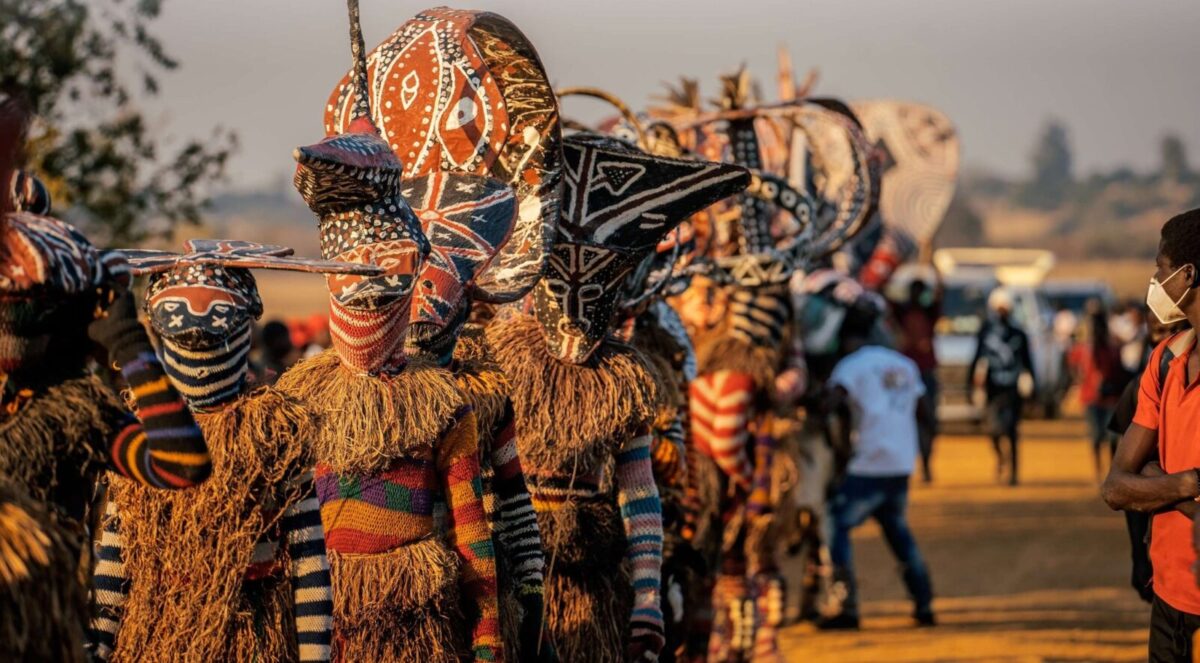
The Cultures of Zambia
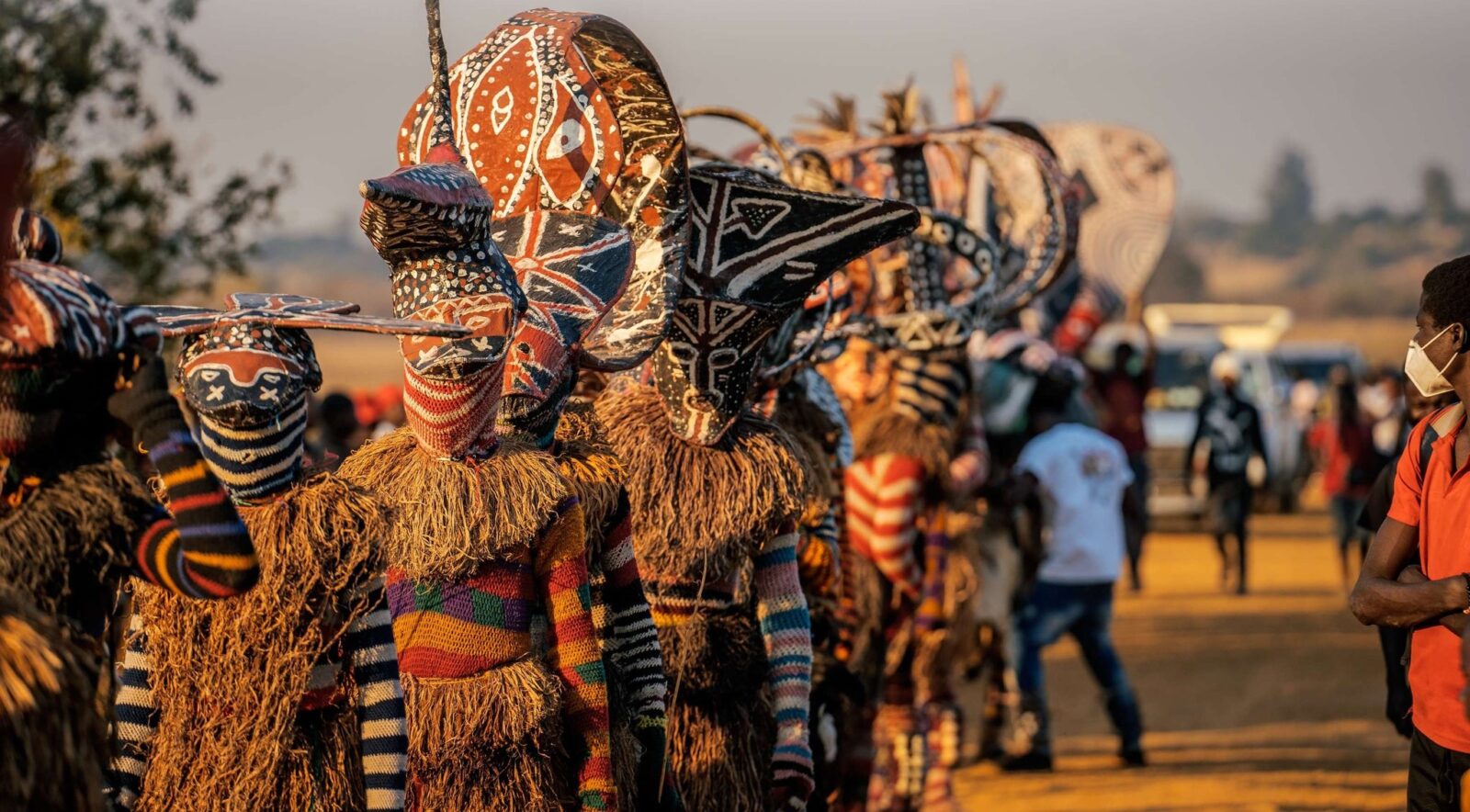
Zambia’s culture reflects the traditions, languages, beliefs, and lifestyles of more than 70 ethnic groups spread across the country’s diverse regions. Culture in Zambia remains deeply connected to community life, traditional leadership, music, storytelling, ceremonies, agriculture, fishing, and respect for family structures. Although modern cities continue to grow, many traditional customs still shape daily life across both rural and urban Zambia.
Travelers exploring Zambia often discover that the country’s cultural identity feels warm, respectful, and community-oriented. Hospitality plays a major role in social interaction, and local communities welcome visitors with friendliness and openness. Traditional ceremonies continue to hold strong importance, especially in rural areas where cultural heritage remains closely tied to seasonal cycles, ancestral traditions, and regional identity.
The cultures of Zambia also connect strongly to the natural environment. Rivers, floodplains, forests, and agricultural lands influence food traditions, local architecture, music, and seasonal celebrations across the country.
Understanding Zambia’s cultural diversity adds deeper meaning to safari travel and helps visitors appreciate the people who shape the country’s identity beyond wildlife and tourism.
Why Book This Destination
Explore More about The Cultures of Zambia
Ethnic Diversity in Zambia
More Than 70 Ethnic Groups
Zambia’s population includes more than 70 ethnic communities, each with distinct traditions, languages, ceremonies, and cultural practices.
Some of the largest ethnic groups include the Bemba, Tonga, Lozi, Chewa, Ngoni, Kaonde, Lunda, Luvale, and Tumbuka peoples. Different regions of Zambia reflect different cultural identities shaped by geography, migration history, and local traditions.
Despite this diversity, Zambia maintains strong national unity and peaceful coexistence between communities. English serves as the official language, while many local languages remain widely spoken within families and communities.
Cultural identity in Zambia often centers around family networks, clan systems, traditional leadership, and regional customs passed down through generations.
Traditional Ceremonies in Zambia
Cultural Celebrations and Community Identity
Traditional ceremonies form one of the most important parts of Zambia’s cultural life. These events celebrate harvest seasons, ancestral heritage, royal traditions, migration history, and spiritual beliefs.
The Kuomboka Ceremony in Western Zambia ranks among the country’s most famous cultural events. During this ceremony, the Lozi King, known as the Litunga, moves from the floodplains of the Zambezi to higher ground as seasonal floods rise across the Barotse Plain.
Large royal barges, traditional drums, singing, dancing, and ceremonial clothing create a dramatic cultural spectacle during the event.
Other important ceremonies include the Nc’wala Ceremony of the Ngoni people, the Mutomboko Ceremony of the Lunda people, and the Kulamba Ceremony of the Chewa community.
These celebrations preserve cultural heritage while strengthening community identity and intergenerational connection.
Music and Dance in Zambia
Rhythm, Celebration, and Storytelling
Music and dance remain central to cultural expression across Zambia. Traditional drumming, singing, and dance performances accompany ceremonies, weddings, festivals, and community gatherings.
Different ethnic groups maintain distinct musical styles and instruments linked to their local traditions.
Drums play a major role in communication, celebration, and ceremonial activity. Traditional dances often tell stories connected to hunting, farming, spiritual beliefs, or historical events.
Modern Zambian music also blends traditional rhythms with contemporary African styles, gospel music, and urban influences.
Music in Zambia creates social connection and cultural continuity across generations.
Traditional Food in Zambia
Meals Rooted in Agriculture and Community
Zambian cuisine reflects the country’s agricultural traditions and communal lifestyle. Nshima, a thick maize-based staple food, forms the foundation of many meals across the country.
People commonly serve nshima with vegetables, beans, fish, chicken, or meat stews depending on regional availability and household traditions.
In fishing communities near rivers and lakes, fresh fish plays an important role in local diets. Rural farming regions also produce groundnuts, cassava, millet, sorghum, and sweet potatoes.
Meals in Zambia often carry strong social importance because families and communities gather together to eat and share conversation.
Traditional cooking methods and recipes continue to remain important across many households.
Traditional Leadership and Community Structure
Chiefs and Local Governance
Traditional leadership still plays an important role in many parts of Zambia. Chiefs and local traditional authorities help preserve cultural values, resolve community matters, and oversee customary land within their regions.
Communities often maintain strong respect for elders and traditional leadership structures.
Traditional authority works alongside modern government systems in many rural regions.
Ceremonies and cultural gatherings frequently center around royal families and traditional leaders who represent historical identity and community continuity.
This respect for leadership and heritage remains deeply embedded within Zambian society.
Languages and Communication
English and Local Languages
English serves as Zambia’s official language and appears widely in schools, government institutions, tourism, and business.
At the same time, many local languages remain central to cultural identity and daily communication within communities.
Bemba, Nyanja, Tonga, Lozi, and several other languages are spoken widely across different regions of the country.
Language diversity strengthens cultural richness and preserves regional traditions across generations.
Travelers often notice that people switch naturally between English and local languages during conversation.
Rural Life and Cultural Traditions
Community, Farming, and Family Life
Much of Zambia’s cultural identity remains rooted in rural life where agriculture, fishing, and livestock farming support many communities.
Families often live within extended household structures where cooperation and shared responsibilities shape daily life.
Traditional building styles, local crafts, storytelling, and farming practices remain visible in many rural regions.
Community relationships hold strong importance, and social support systems often extend beyond immediate family members.
Visitors exploring rural Zambia frequently experience strong hospitality and genuine community interaction.
Religion and Spiritual Beliefs
Christianity and Traditional Beliefs
Christianity remains the dominant religion in Zambia, and churches play a major role in community life across both urban and rural areas.
At the same time, traditional spiritual beliefs and ancestral customs continue to influence cultural practices in many communities.
Ceremonies, storytelling, and local traditions sometimes incorporate spiritual elements connected to ancestors, nature, and historical identity.
Religious life in Zambia often combines modern faith practices with long-standing cultural traditions.
Arts and Crafts in Zambia
Handmade Cultural Expression
Zambia supports rich traditions in basket weaving, wood carving, beadwork, pottery, and textile crafts.
Local artisans create products using natural materials sourced from forests, grasses, and river environments.
Markets in Livingstone, Lusaka, and safari regions often sell handmade crafts that reflect regional artistic traditions.
Craft production provides income for many communities while preserving traditional creative skills.
Visitors often purchase woven baskets, carvings, jewelry, and textiles as part of cultural tourism experiences.
Cultural Experiences for Travellers
Community Visits and Responsible Tourism
Travellers in Zambia can experience local culture through village visits, traditional ceremonies, craft markets, music performances, and community tourism projects.
Many safari operators support responsible tourism partnerships that benefit local communities near protected wildlife areas.
Cultural experiences add depth to safari travel because they help visitors understand the human history and traditions connected to Zambia’s landscapes.
Respectful cultural interaction creates meaningful exchange between visitors and local communities.
Why Zambia’s Cultural Heritage Matters
Zambia’s cultural diversity shapes the country’s identity just as strongly as its wildlife and landscapes. Traditional ceremonies, music, leadership systems, languages, and community values continue to influence daily life across the country.
Travelers who explore Zambia beyond safari activities often discover a society built on hospitality, resilience, cultural pride, and strong community connection.
The cultures of Zambia add richness, meaning, and human perspective to every journey through the country.
In Africa’s national parks, every sunrise paints a masterpiece — where the wild’s call echoes across endless horizons. Visiting these parks is to witness nature in its purest form, a timeless dance that stirs the soul.

Steps to Book Your Southern Africa Tour
Choose Your Adventure
Confirm Your Booking
Begin Your Journey
Ready to plan your tailor-made safari?