

Tanzania Culture
February 10, 2026
Tanzania Safari Packing List
February 10, 2026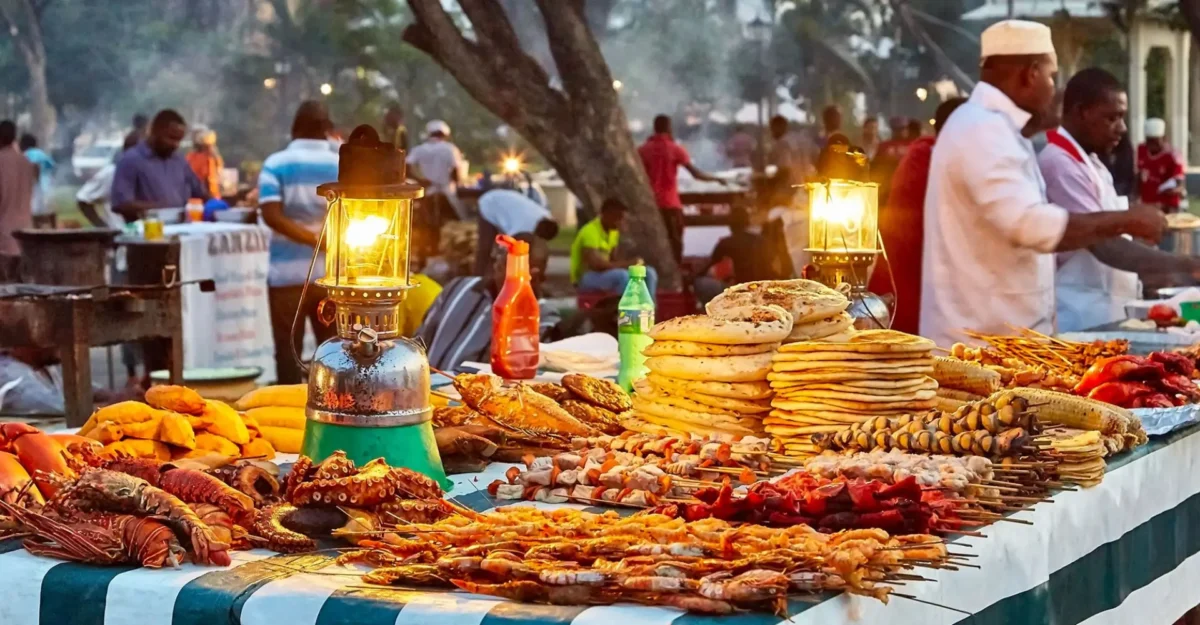
Tanzania Dining and Food
Tanzania dining and food offer travelers a delicious journey through East Africa’s diverse cultures and traditions. The country’s cuisine reflects its rich history, with influences from African communities, Arab traders, Indian settlers, and coastal cultures.
From traditional village meals to fresh seafood along the Indian Ocean coast, Tanzania offers a wide variety of flavors. Local dishes often use fresh ingredients such as maize, rice, beans, vegetables, spices, meat, and seafood.
Food plays an important role in Tanzanian society. Meals bring families together, celebrate special occasions, and create connections between communities. During a safari, visitors experience more than wildlife. They also discover the flavors and traditions that make Tanzania unique.
Whether you explore the markets of Arusha, enjoy a beach meal in Zanzibar, or dine at a luxury safari lodge, Tanzania dining and food provide memorable experiences throughout your journey.
Why Book This Destination
Explore More about Tanzania Dining and Food
The Influence of Tanzanian Cuisine
The diversity of Tanzania food comes from centuries of cultural exchange. Different regions developed their own cooking styles based on available ingredients, local traditions, and historical influences.
Traditional African cooking forms the foundation of Tanzanian cuisine. Many communities rely on staple foods such as maize, cassava, millet, bananas, and beans.
Coastal regions, especially Zanzibar and Dar es Salaam, show strong Arabic and Indian influences. These areas are famous for aromatic spices, seafood dishes, and rice-based meals.
Indian traders introduced ingredients and cooking techniques that remain popular today. Spices such as cloves, cardamom, cinnamon, and turmeric play an important role in many coastal dishes.
This combination of African, Arab, and Indian influences creates a unique culinary identity.
Ugali: Tanzania’s Staple Food
Ugali remains one of the most important foods in Tanzania. This simple but filling dish appears on dining tables across the country and forms a major part of everyday meals.
Ugali comes from maize flour mixed with water to create a firm dough-like consistency. Many Tanzanians enjoy it with vegetables, meat, fish, beans, or sauces.
Although the preparation is simple, ugali represents more than food. It reflects tradition, family, and community. Many Tanzanians grow up eating ugali as part of their daily lives.
Visitors often experience ugali during cultural tours, village visits, and local restaurant meals.
Nyama Choma: Tanzania’s Famous Grilled Meat
Nyama choma, meaning grilled meat, ranks among Tanzania’s most popular dishes. Locals often enjoy it during celebrations, social gatherings, and weekend meals.
The dish usually features grilled goat, beef, or chicken seasoned with simple spices. The meat cooks slowly over an open fire, creating a smoky flavor and tender texture.
Nyama choma often comes with side dishes such as salads, vegetables, or chips. In many communities, sharing grilled meat creates opportunities for conversation and social connection.
Travelers can enjoy nyama choma in local restaurants, especially in cities such as Arusha and Dar es Salaam.
Pilau and Biryani: Coastal Flavors of Tanzania
Rice dishes hold a special place in Tanzania dining and food, especially along the coast and in Zanzibar.
Pilau combines rice with aromatic spices, meat, and vegetables. The dish reflects centuries of Swahili coastal traditions and remains popular during celebrations and family gatherings.
Biryani also represents the strong Indian influence along Tanzania’s coastline. This flavorful rice dish includes spices, meat, and vegetables cooked together to create a rich and fragrant meal.
Zanzibar is especially famous for these dishes. Visitors often enjoy them while exploring Stone Town, spice farms, and coastal villages.
Seafood in Tanzania
The Indian Ocean coastline provides Tanzania with an abundance of fresh seafood. Coastal towns such as Zanzibar, Dar es Salaam, Bagamoyo, and Pangani offer excellent seafood experiences.
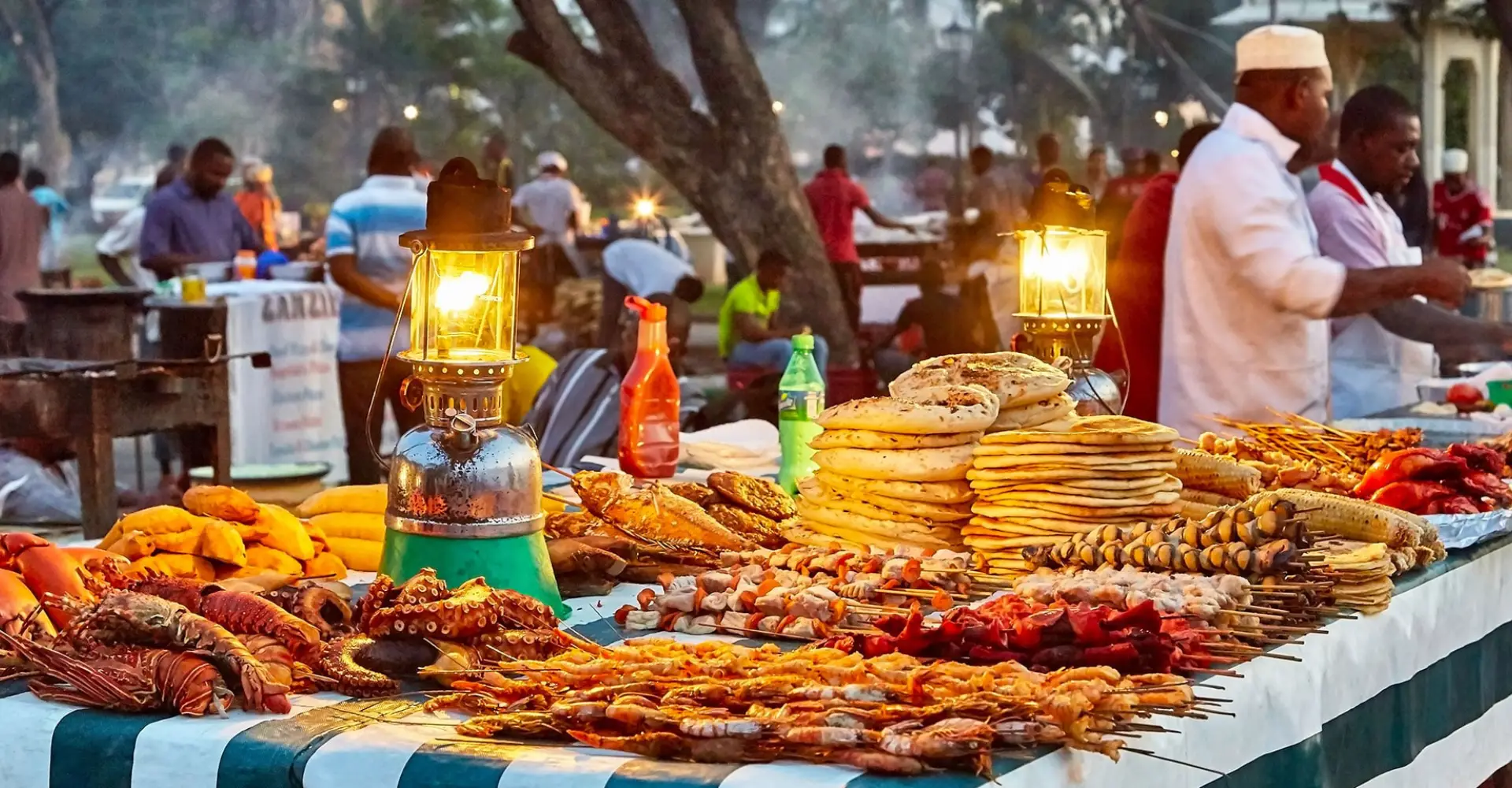
Visitors can enjoy grilled fish, prawns, octopus, lobster, and crab prepared with local spices and traditional cooking methods.
Zanzibar’s seafood markets provide a fascinating cultural experience. Travelers can watch fishermen bring in fresh catches before enjoying meals prepared with local flavors.
Seafood remains a highlight for travelers combining a Tanzania safari with a Zanzibar beach holiday.
Popular Tanzanian Fruits and Vegetables
Fresh produce plays an important role in Tanzania food. The country’s tropical climate supports a wide variety of fruits and vegetables.
Visitors can enjoy mangoes, bananas, pineapples, papayas, coconuts, and passion fruits throughout the year. Local markets often display colorful selections of fresh produce.
Plantains and green bananas also appear in many traditional dishes. In northern Tanzania, especially around the Kilimanjaro region, bananas form an important part of local cuisine.
Vegetable dishes often include beans, spinach, cassava leaves, and other locally grown ingredients.
Traditional Drinks in Tanzania
Tanzania offers a variety of traditional and modern beverages.
Chai, or tea, remains one of the most common drinks in the country. Many Tanzanians enjoy spiced tea prepared with milk, ginger, cinnamon, and other flavors.
Coffee also holds cultural importance, especially around Mount Kilimanjaro and the Mbeya region. Tanzania produces high-quality Arabica coffee, and visitors can enjoy coffee farm tours.
Fresh fruit juices are popular in tourist areas and provide refreshing options in warm climates. Coconut water is especially common along the coast.
Local beers such as Safari Lager and Kilimanjaro Premium Lager are also widely available.
Food Experiences During a Tanzania Safari
A Tanzania safari provides unique dining experiences surrounded by nature. Many safari lodges and camps create memorable meals using fresh local ingredients.
Breakfasts often include fruits, pastries, eggs, and traditional options. Lunch and dinner menus may feature grilled meats, fresh vegetables, rice dishes, and international cuisine.
Luxury safari camps often combine local flavors with modern culinary techniques. Guests may enjoy bush breakfasts, outdoor dinners, and private dining experiences overlooking wildlife landscapes.
These meals add another layer of adventure to the safari experience.
Dining in Zanzibar
Zanzibar dining and food showcase the island’s rich cultural heritage. Known as the Spice Island, Zanzibar offers some of Tanzania’s most flavorful cuisine.
Visitors can explore Forodhani Night Market in Stone Town, where local vendors prepare seafood, grilled meats, snacks, and traditional dishes.
Spice tours introduce travelers to the ingredients that influence Zanzibar’s cuisine. Visitors learn about cloves, vanilla, cinnamon, nutmeg, and other important spices.
Beach restaurants across the island serve fresh seafood while offering beautiful ocean views.
Vegetarian Food in Tanzania
Vegetarian travelers can enjoy many options during their visit. Tanzanian cuisine includes plenty of plant-based dishes featuring vegetables, beans, rice, fruits, and grains.
Meals such as vegetable curries, bean stews, rice dishes, and fresh salads are widely available.
Many hotels and safari lodges accommodate dietary preferences when guests provide advance notice.
The use of fresh local ingredients makes vegetarian dining enjoyable throughout Tanzania.
Dining Etiquette and Culture
Food in Tanzania represents hospitality and connection. Meals often involve sharing, conversation, and appreciation for the people preparing the food.
Visitors should greet hosts before eating because greetings hold great importance in Tanzanian culture. Using the right hand when eating traditional meals is common practice in many communities.
Trying local dishes shows respect and interest in Tanzanian traditions. Many locals enjoy sharing their favorite foods and explaining the stories behind them.
Sustainable Dining in Tanzania
Many lodges and restaurants support sustainable food practices by sourcing ingredients from local farmers and communities.
Eco-friendly safari camps often grow their own vegetables, reduce food waste, and support nearby producers.
Choosing locally owned restaurants and responsible tourism providers helps strengthen communities and preserves traditional food practices.
Why Experience Tanzania Dining and Food?
Exploring Tanzania dining and food adds depth to any journey. The country’s cuisine tells stories of history, culture, geography, and community.
From enjoying ugali in a local village to tasting seafood in Zanzibar or sharing nyama choma after a safari, every meal creates a connection with Tanzania’s people and traditions.
Food becomes part of the adventure, allowing visitors to experience the country beyond its famous wildlife and landscapes.
Plan Your Safari
A journey through Tanzania offers much more than incredible wildlife encounters. Discovering Tanzania dining and food allows travelers to experience the country’s culture through flavors, traditions, and shared meals.
From the spice-filled streets of Zanzibar to safari lodges overlooking the African wilderness, Tanzania provides unforgettable culinary experiences that complete the adventure
In Africa’s national parks, every sunrise paints a masterpiece — where the wild’s call echoes across endless horizons. Visiting these parks is to witness nature in its purest form, a timeless dance that stirs the soul.



Steps to Book Your Southern Africa Tour
Choose Your Adventure
Confirm Your Booking
Begin Your Journey
Ready to plan your tailor-made safari?