Safety in Tanzania
February 10, 2026
Tanzania Dining and Food
February 10, 2026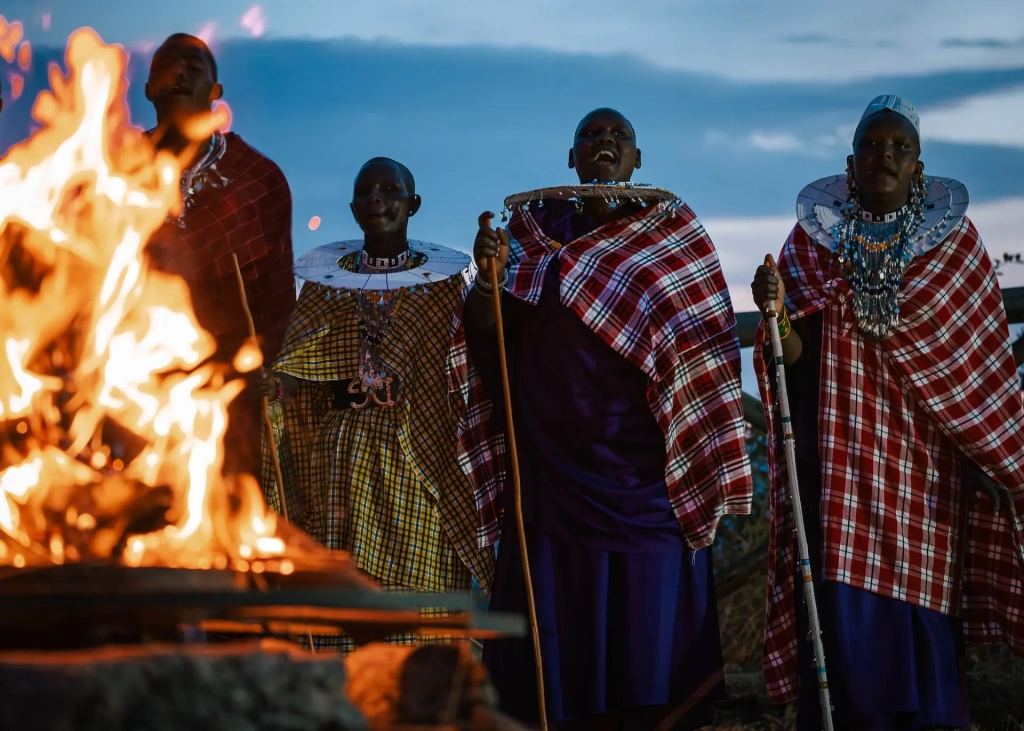
Tanzania Culture
Tanzania culture reflects centuries of history, migration, traditions, and interactions between different communities. Located in East Africa, Tanzania is home to more than 120 ethnic groups, each contributing unique customs, languages, beliefs, music, and artistic expressions.
The country’s cultural identity combines African traditions with influences from Arab, Indian, and European communities. These influences developed through centuries of trade along the Indian Ocean coast and historical connections with different civilizations.
From the Maasai communities of northern Tanzania to the Swahili heritage of Zanzibar, every region offers a unique cultural experience. Visitors exploring Tanzania discover warm hospitality, strong family values, traditional ceremonies, and a deep connection between people and nature.
Understanding Tanzania culture adds more meaning to a safari, beach holiday, or cultural journey across this fascinating country.
Why Book This Destination
Explore More about Tanzania Culture
The People and Ethnic Diversity of Tanzania
The diversity of Tanzania’s people forms the foundation of its cultural richness. More than 120 ethnic communities live across the country, creating a unique mixture of traditions and lifestyles.
The largest ethnic groups include the Sukuma, Chagga, Haya, Nyamwezi, Gogo, and Hehe communities. Each group has its own history, traditional practices, and social structures.
The Maasai remain one of Tanzania’s most recognized communities. They are known for their distinctive clothing, cattle-based lifestyle, traditional ceremonies, and strong connection to their ancestral lands.
Despite the differences between communities, Tanzanians share a strong national identity. Swahili acts as a common language that connects people from different backgrounds.
The Importance of Swahili in Tanzanian Culture
Swahili culture plays a central role in Tanzania’s national identity. Swahili, or Kiswahili, is spoken throughout the country and connects people from different ethnic communities.
The language developed along the East African coastline through interactions between African communities and traders from Arabia, Persia, and other regions. Today, Swahili represents unity, communication, and cultural pride.
Greetings hold great importance in Tanzanian society. Visitors often notice that people take time to exchange greetings before beginning conversations. Words such as “Jambo” and “Karibu” reflect the welcoming nature of Tanzanian culture.
Learning simple Swahili phrases allows travelers to create meaningful connections during their journey.
Traditional Tanzanian Clothing
Traditional clothing represents an important part of Tanzania culture. Clothing styles vary between communities and often reflect identity, history, and social traditions.
The Maasai are famous for their colorful shukas, beadwork, and traditional jewelry. Red clothing often represents strength and protection, while intricate bead designs communicate cultural meanings.
Many Tanzanians wear modern clothing in daily life, especially in cities. However, traditional garments remain important during ceremonies, cultural festivals, and special occasions.
In Zanzibar, clothing reflects the island’s coastal heritage. Traditional garments often show influences from African, Arab, and Indian cultures.
Tanzanian Music and Dance
Music and dance remain essential parts of Tanzania culture. Traditional performances bring communities together during celebrations, ceremonies, and social gatherings.
Different ethnic groups have unique musical styles using drums, string instruments, flutes, and traditional rhythms. Music often communicates stories, history, and community values.
One of Tanzania’s most famous modern music styles is Bongo Flava. This popular genre combines Swahili lyrics with hip-hop, reggae, and contemporary sounds. It has become influential across East Africa.
Traditional dances continue to play an important role during cultural events. Performances often include colorful clothing, energetic movements, and storytelling through rhythm.
Traditional Food in Tanzania
Food provides an important connection to Tanzania culture. Tanzanian cuisine reflects local traditions and influences from neighboring countries and coastal communities.
Ugali remains one of the country’s most common dishes. Made from maize flour, this staple food often accompanies vegetables, meat, fish, or sauces.
Nyama choma, meaning grilled meat, is popular across Tanzania and often appears during social gatherings. Many locals enjoy it with vegetables and refreshing drinks.
Along the coast and in Zanzibar, cuisine features strong Indian and Arab influences. Visitors can enjoy dishes such as pilau rice, biryani, seafood, and spice-based meals.
Food in Tanzania brings people together and reflects the country’s diverse heritage.
Religion and Beliefs in Tanzania
Religion plays an important role in daily life across Tanzania. Christianity and Islam are the two largest religions, while many communities also maintain traditional beliefs and practices.
Christian communities are widespread throughout the mainland, while Islam has a particularly strong presence in Zanzibar and coastal areas.
Traditional beliefs often emphasize respect for ancestors, nature, and community relationships. Some cultural practices continue alongside major religions.
Religious diversity contributes to Tanzania’s cultural richness. Communities often celebrate different traditions while maintaining respect for one another.
The Maasai Culture of Tanzania
The Maasai culture represents one of the most famous cultural traditions in East Africa. The Maasai mainly live in northern Tanzania near the Serengeti, Ngorongoro, and Tarangire regions.
Cattle hold deep importance in Maasai society. Livestock provides food, represents wealth, and plays a central role in social relationships.
Traditional Maasai ceremonies include coming-of-age rituals, dances, and community gatherings. Warriors, known as morans, have historically protected their communities and livestock.
Many travelers visit Maasai villages during Tanzania safaris to learn about traditional lifestyles. Responsible cultural visits support communities while allowing visitors to understand their heritage.
Art and Handicrafts in Tanzania
Tanzania has a rich tradition of artistic expression. Local artisans create beautiful crafts that represent cultural stories and traditional skills.
Makonde wood carving remains one of the country’s most recognized art forms. Artists from the Makonde community create detailed sculptures from ebony wood.
Tingatinga painting, which developed in Dar es Salaam, uses bright colors and imaginative designs inspired by African wildlife and daily life.
Markets across Tanzania offer handmade jewelry, textiles, carvings, and artwork. Purchasing authentic local crafts supports talented artisans and preserves traditional skills.
Festivals and Cultural Celebrations
Festivals provide opportunities to experience Tanzania culture through music, food, dance, and traditions.
The Sauti za Busara music festival in Zanzibar celebrates African music and attracts artists from across the continent. The event highlights the connection between music and cultural identity.
The Mwaka Kogwa festival in Zanzibar reflects Persian influences and celebrates the New Year through traditional activities.
Local communities also organize ceremonies connected to harvests, weddings, and important life events.
Visitors who attend cultural celebrations gain a deeper understanding of Tanzania’s traditions and values.
Hospitality and Social Values
Tanzanians are widely known for their hospitality and welcoming nature. Visitors often experience kindness, respect, and friendliness during their journey.
Family and community remain central values in Tanzanian society. People often support one another through shared responsibilities and strong social connections.
Respect plays an important role in communication. Greeting people politely, showing patience, and appreciating local customs create positive interactions.
This warmth contributes greatly to Tanzania’s reputation as one of Africa’s most welcoming destinations.
Conservation and Culture in Tanzania
Nature and culture remain closely connected in Tanzania. Many communities have traditional knowledge about wildlife, plants, and natural resources.
Around national parks, local communities participate in conservation projects that protect wildlife while improving livelihoods.
Cultural tourism creates opportunities for visitors to support communities through responsible experiences. These interactions help preserve traditions while promoting sustainable development.
The relationship between people and nature remains a defining feature of Tanzania culture.
Experiencing Tanzania Culture During a Safari
A Tanzania safari offers more than wildlife viewing. Travelers can experience local traditions through village visits, cultural tours, and interactions with communities near national parks.
Visitors may meet Maasai communities near the Serengeti and Ngorongoro areas, explore markets in Arusha, or discover Swahili heritage in Zanzibar.
Combining wildlife adventures with cultural experiences creates a deeper understanding of Tanzania’s identity.
Plan Your Safari
Exploring Tanzania culture allows travelers to discover the stories, traditions, and values that make the country unique. From the rhythms of traditional music to the flavors of local cuisine and the customs of diverse communities, Tanzania offers unforgettable cultural experiences.
A journey through Tanzania reveals more than spectacular landscapes and wildlife. It introduces visitors to a proud nation shaped by history, diversity, and the strong spirit of its people.
In Africa’s national parks, every sunrise paints a masterpiece — where the wild’s call echoes across endless horizons. Visiting these parks is to witness nature in its purest form, a timeless dance that stirs the soul.
Steps to Book Your Southern Africa Tour
Choose Your Adventure
Confirm Your Booking
Begin Your Journey
Ready to plan your tailor-made safari?