Ngorongoro Crater
February 10, 2026
Pemba Island
February 10, 2026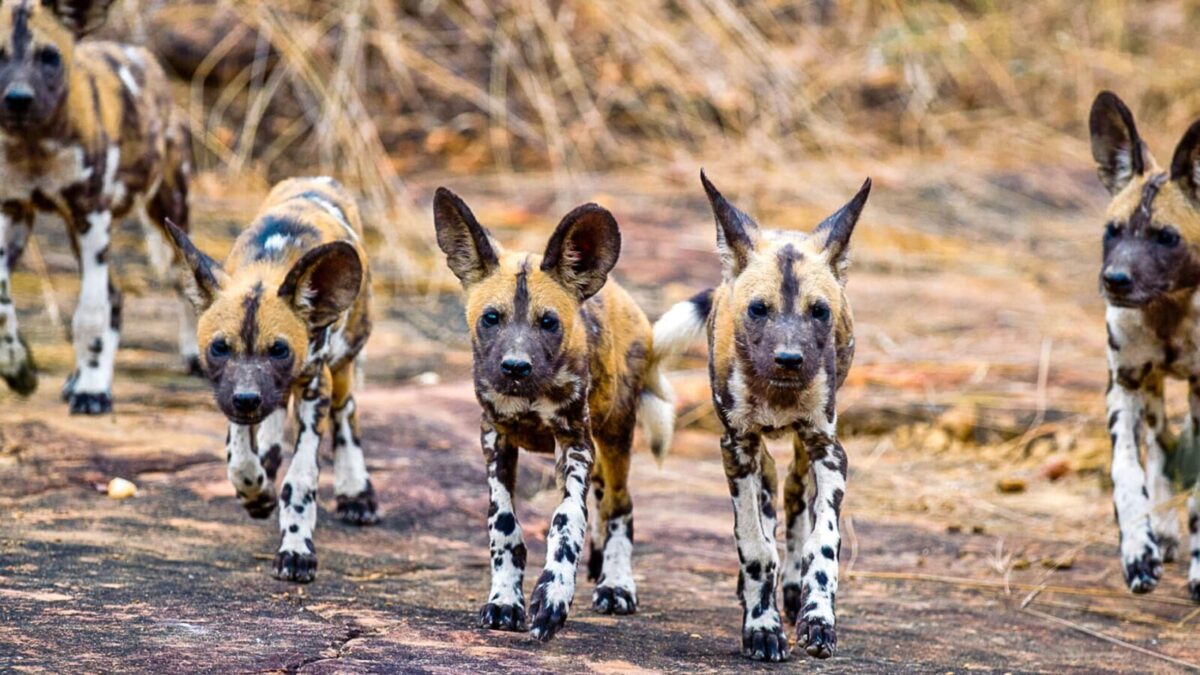
Nyerere National Park
Nyerere National Park Tanzania is one of Africa’s most remarkable wilderness destinations, offering vast landscapes, diverse wildlife, and unique safari experiences. Located in southern Tanzania, the park protects an enormous area of rivers, lakes, forests, wetlands, and open grasslands.
Formerly known as the Selous Game Reserve, Nyerere National Park provides a more remote and authentic safari experience compared to Tanzania’s northern parks. Its low visitor numbers, impressive wildlife populations, and variety of activities make it an ideal destination for travelers seeking adventure away from the crowds.
A Nyerere National Park safari offers more than traditional game drives. Visitors can explore the wilderness through boat safaris along the Rufiji River, walking safaris, bird watching, and exciting wildlife encounters.
From large elephant herds and powerful predators to peaceful river landscapes filled with hippos and crocodiles, Nyerere reveals a different side of Tanzania’s natural beauty.
Why Book This Destination
Explore More about Nyerere National Park
Overview of Nyerere National Park
Nyerere National Park is the largest national park in Tanzania, covering approximately 30,000 square kilometers. The park was established in 2019 after a section of the former Selous Game Reserve became a protected national park.
The park forms part of a larger ecosystem that includes wetlands, woodlands, rivers, and wildlife corridors. Its size allows animals to move freely across expansive wilderness areas.
The landscape features the famous Rufiji River, one of East Africa’s most important waterways. The river creates a rich habitat for aquatic wildlife and attracts many animals during dry seasons.
Unlike more developed safari destinations, Nyerere offers a feeling of exploration and discovery. Travelers can enjoy wildlife encounters in peaceful surroundings with fewer vehicles.
Location and Accessibility
Nyerere National Park Tanzania is located in southeastern Tanzania, approximately 230 kilometers from Dar es Salaam.
The park’s location makes it one of the most accessible wilderness destinations from Tanzania’s largest city. Visitors can reach Nyerere by road or domestic flights from Dar es Salaam, Zanzibar, Arusha, and other safari destinations.
Flying provides the fastest and most convenient option, with several airstrips serving different safari camps within the park.
The journey into Nyerere introduces travelers to Tanzania’s changing landscapes, from coastal areas to remote wilderness.
Its southern location also makes it possible to combine a Nyerere National Park safari with destinations such as Ruaha National Park, Mafia Island, and Zanzibar.
History of Nyerere National Park
The history of Nyerere National Park connects closely with the former Selous Game Reserve, one of Africa’s oldest protected areas.
The Selous Game Reserve was established in 1922 and became a UNESCO World Heritage Site because of its outstanding biodiversity and wilderness value.
In 2019, the northern part of Selous became Nyerere National Park to strengthen wildlife protection and improve conservation management.
The park was named after Julius Nyerere, Tanzania’s first president, who supported conservation and the protection of natural resources.
Today, Nyerere represents an important conservation area that protects wildlife habitats and supports responsible tourism.
Wildlife in Nyerere National Park
A Nyerere National Park safari provides excellent opportunities to experience Tanzania’s diverse wildlife.
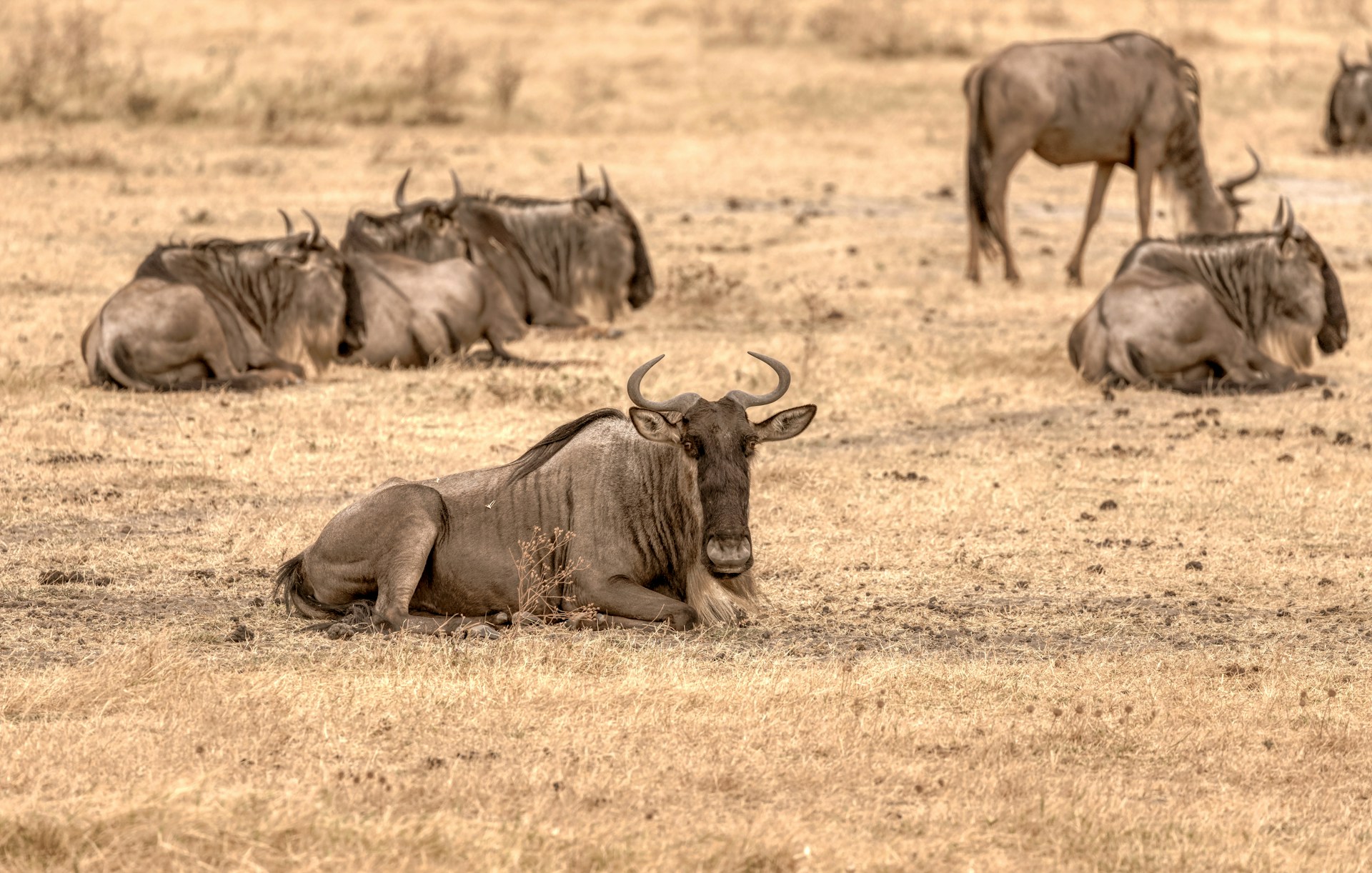
The park supports large populations of elephants, buffaloes, giraffes, zebras, wildebeests, and antelope species. The combination of rivers, wetlands, and grasslands creates ideal habitats for many animals.
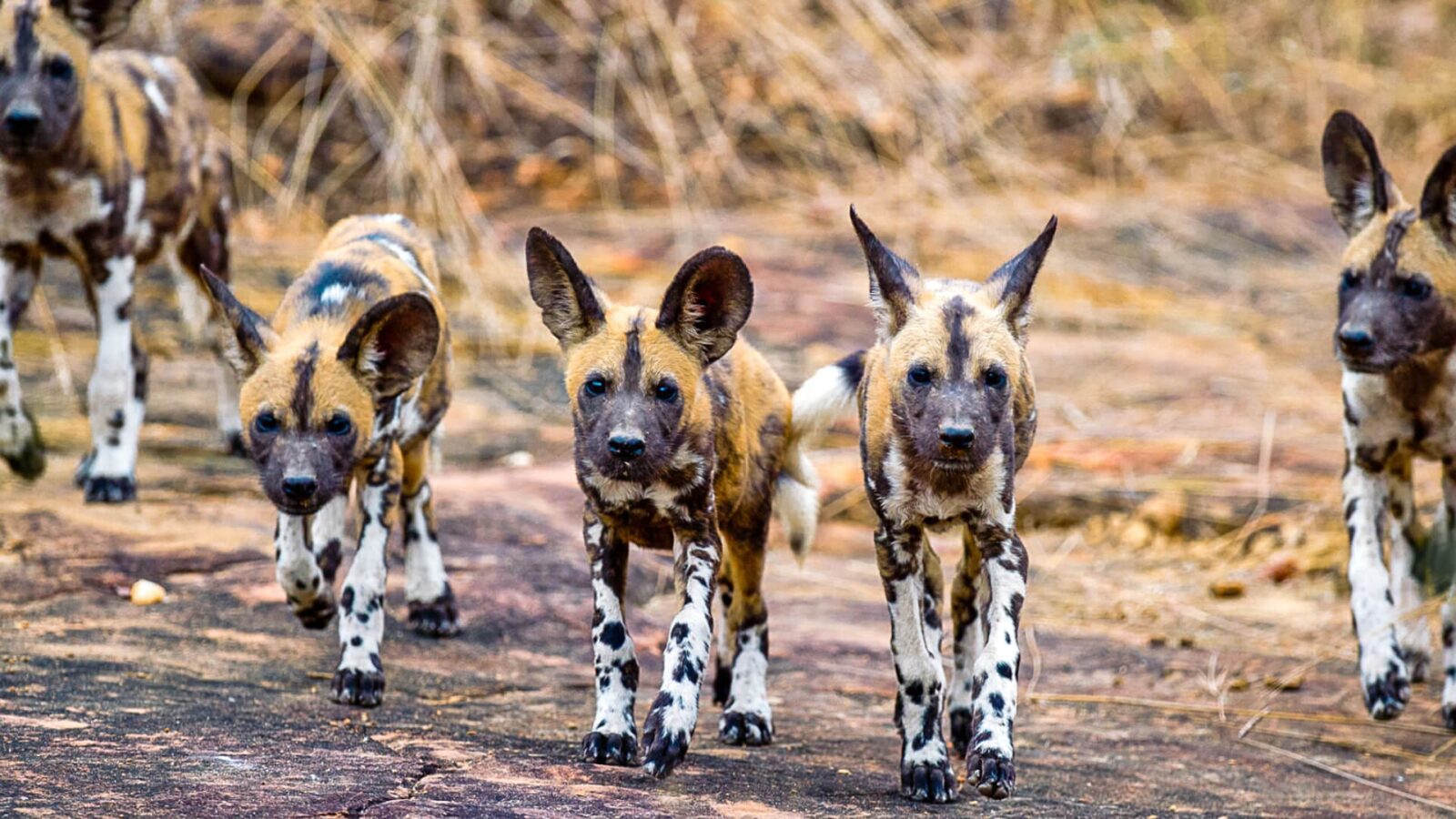
Predators also thrive in Nyerere. Visitors may encounter lions, leopards, spotted hyenas, and African wild dogs.
The park is one of the best places in Tanzania to see African wild dogs, an endangered predator known for its unique hunting behavior and social structure.
The Rufiji River attracts hippos and crocodiles, creating unforgettable wildlife scenes along the water.
The Big Five in Nyerere National Park
Nyerere National Park Tanzania offers opportunities to search for Africa’s famous Big Five.
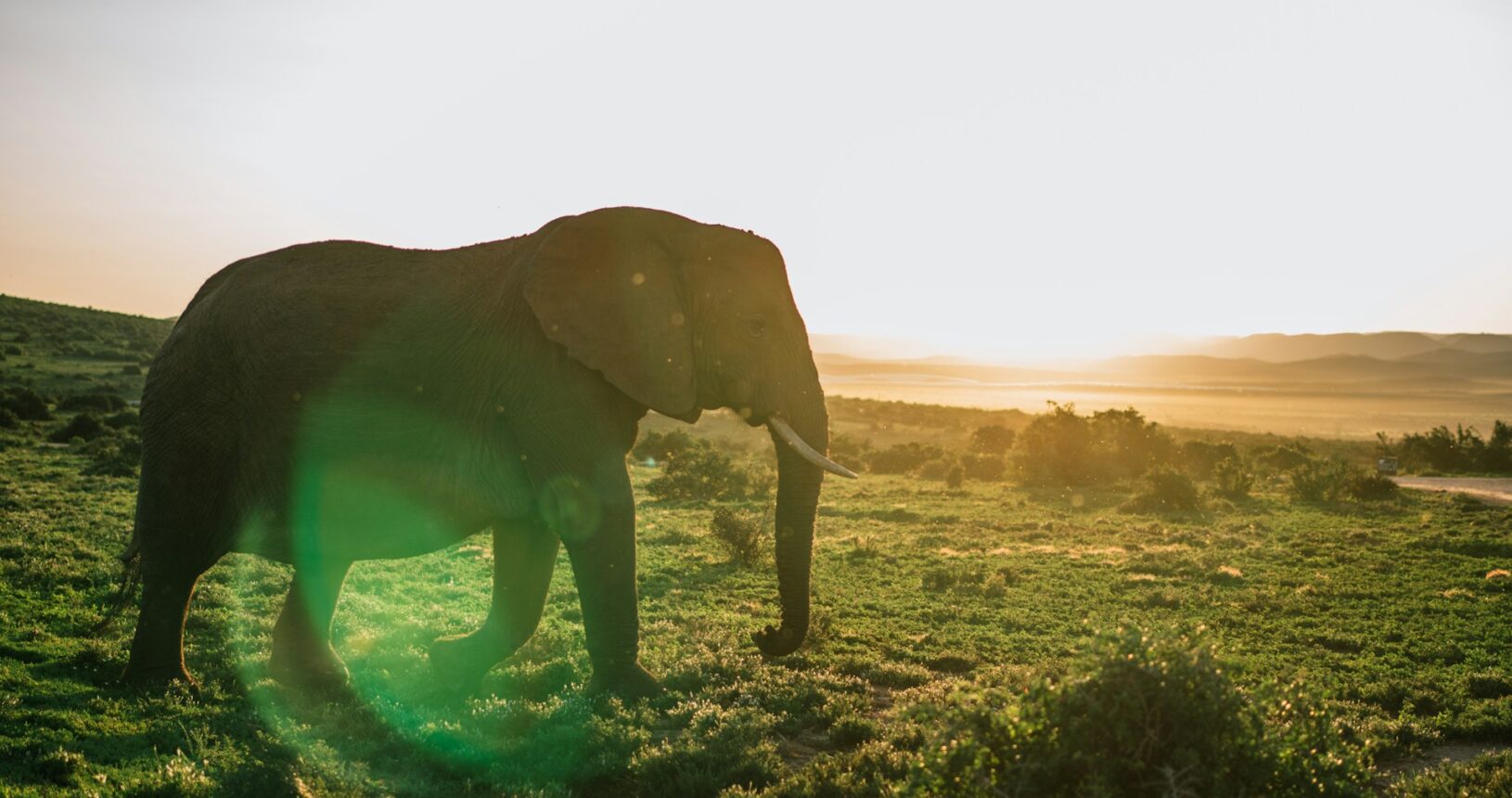
Elephants are among the park’s most iconic animals, with large herds moving through forests and open areas.
Buffaloes are common and often gather near water sources. Lions are regularly seen across the grasslands, while leopards remain more secretive within woodland habitats.
Rhino sightings are extremely rare in Nyerere, but the park remains an excellent destination for experiencing diverse wildlife in a wild setting.
The combination of predators, large herbivores, and untouched landscapes creates a rewarding safari experience.
Boat Safaris on the Rufiji River
One of the most unique experiences in Nyerere National Park Tanzania is a boat safari.
The Rufiji River provides a completely different perspective from traditional vehicle-based game drives. Visitors explore waterways while observing wildlife along the riverbanks.
Boat safaris offer opportunities to see hippos resting in the water, crocodiles along the shores, elephants drinking at the river, and numerous bird species.
The peaceful movement of the boat allows travelers to enjoy nature at a slower pace.
Sunset boat cruises create unforgettable moments as the African sky changes colors over the river landscape.
Walking Safaris in Nyerere National Park
Walking safaris in Nyerere National Park provide a more intimate way to explore the wilderness.
Accompanied by experienced guides, travelers discover animal tracks, plants, insects, and smaller details of the ecosystem.
Walking allows visitors to understand how different elements of nature connect and support each other.
Guides share knowledge about wildlife behavior, conservation, and survival techniques used by animals.
This slower approach creates a deeper appreciation of Tanzania’s natural environment.
Bird Watching in Nyerere National Park
Nyerere National Park bird watching is excellent because of the park’s diverse habitats.
The combination of rivers, wetlands, forests, and grasslands supports hundreds of bird species.
Visitors can see African fish eagles, kingfishers, herons, storks, hornbills, and colorful woodland birds.
The Rufiji River attracts many water birds, while forest areas provide habitats for specialized species.
Bird enthusiasts can enjoy rewarding experiences throughout the year, especially during the green season when migratory birds arrive.
Activities and Experiences in Nyerere National Park
A Nyerere National Park safari offers many ways to explore the wilderness.
Game drives remain a popular activity, allowing visitors to search for wildlife across different landscapes.
Boat safaris provide unique river encounters, while walking safaris create closer connections with nature.
Photography is excellent because the park offers dramatic scenery, wildlife diversity, and fewer crowds.
Cultural experiences with nearby communities allow visitors to learn about local traditions and lifestyles.
The variety of activities makes Nyerere one of Tanzania’s most diverse safari destinations.
Best Time to Visit Nyerere National Park
The best time for a Nyerere National Park safari depends on preferred activities and wildlife experiences.
The dry season from June to October provides excellent game viewing because animals gather around water sources.
During this period, vegetation becomes thinner, making wildlife easier to locate.
The green season from November to May creates beautiful landscapes, excellent bird watching, and fewer visitors.
The rainy months also bring new life, with many animals giving birth and migratory birds arriving.
Nyerere remains a rewarding destination throughout the year.
Accommodation in Nyerere National Park
Accommodation in Nyerere National Park Tanzania ranges from intimate safari camps to comfortable lodges.
Many camps sit near the Rufiji River, offering beautiful views and easy access to boat safari activities.
Properties such as Sand Rivers Selous, Roho ya Selous, Siwandu Camp, and other safari camps provide authentic wilderness experiences.
Most accommodations focus on connecting guests with nature while offering comfort and excellent hospitality.
Staying inside or near the park allows visitors to maximize wildlife viewing time.
Conservation and Responsible Tourism
Conservation plays a vital role in protecting Nyerere National Park Tanzania.
The park supports wildlife protection, habitat conservation, and efforts to preserve important ecosystems.
Responsible tourism provides funding for conservation while creating employment opportunities for local communities.
Visitors can support conservation by choosing responsible safari operators, respecting wildlife guidelines, and minimizing environmental impact.
Protecting Nyerere ensures future generations can continue experiencing its incredible wilderness.
Who Should Visit Nyerere National Park?
Nyerere National Park is perfect for travelers seeking adventure, nature, and authentic safari experiences.
It suits wildlife enthusiasts, photographers, couples, families, and travelers who want to explore less crowded destinations.
The park especially appeals to visitors who enjoy diverse activities beyond traditional game drives.
Those looking for a peaceful wilderness experience with rivers, wildlife, and remote landscapes will find Nyerere highly rewarding.
Plan Your Safari
Nyerere National Park Tanzania offers an extraordinary safari experience filled with wildlife, adventure, and untouched landscapes. From boat safaris on the Rufiji River to thrilling game drives and walking experiences, the park reveals Tanzania’s wild beauty in many ways.
Its remote atmosphere, diverse ecosystems, and incredible wildlife make it one of Africa’s most exciting emerging safari destinations.
For travelers seeking a unique Tanzania safari away from the crowds, Nyerere National Park provides an unforgettable journey into the heart of southern Tanzania’s wilderness.
In Africa’s national parks, every sunrise paints a masterpiece — where the wild’s call echoes across endless horizons. Visiting these parks is to witness nature in its purest form, a timeless dance that stirs the soul.
Steps to Book Your Southern Africa Tour
Choose Your Adventure
Confirm Your Booking
Begin Your Journey
Ready to plan your tailor-made safari?