
Mafia Island
February 10, 2026
Nyerere National Park
February 10, 2026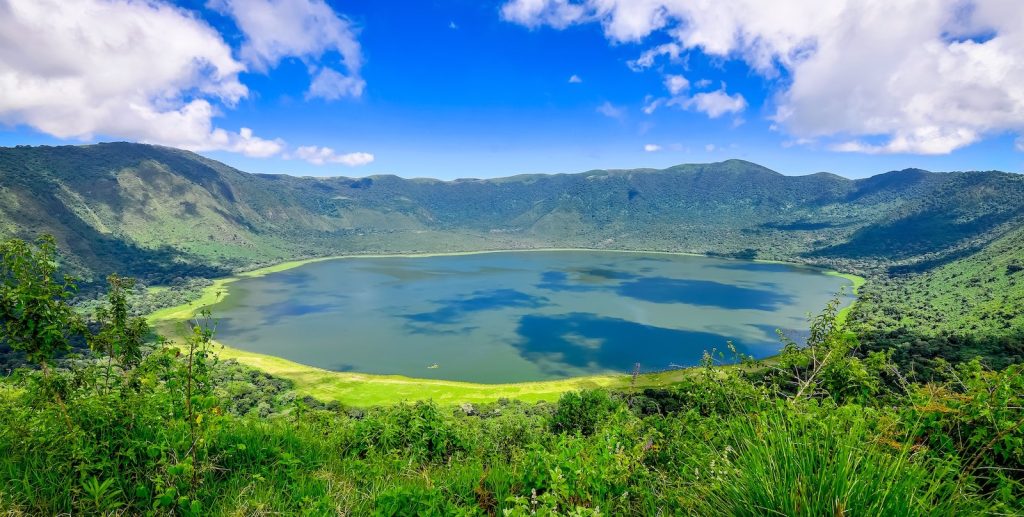
Ngorongoro Crater
Ngorongoro Crater Tanzania is one of Africa’s most extraordinary natural wonders and one of the world’s most remarkable wildlife destinations. Located within the Ngorongoro Conservation Area in northern Tanzania, this ancient volcanic caldera offers breathtaking scenery, incredible wildlife encounters, and a unique conservation story.
Often called the “Garden of Eden” because of its rich biodiversity, the crater protects thousands of animals within its dramatic walls. Visitors can experience close wildlife encounters with lions, elephants, buffaloes, hippos, zebras, wildebeests, and the endangered black rhino.
A Ngorongoro Crater safari provides a rare opportunity to explore a compact ecosystem where wildlife thrives throughout the year. The combination of stunning landscapes, abundant animals, and cultural experiences makes Ngorongoro one of Tanzania’s most unforgettable destinations.
For travelers exploring northern Tanzania, a visit to the crater offers a perfect addition to experiences in the Serengeti, Tarangire National Park, and Lake Manyara.
Why Book This Destination
Explore More about Ngorongoro Crater
Overview of Ngorongoro Crater
Ngorongoro Crater is the world’s largest intact volcanic caldera and covers approximately 260 square kilometers. The crater formed millions of years ago after a massive volcanic eruption caused the mountain to collapse.
Today, the crater floor creates a natural wildlife sanctuary surrounded by steep walls that rise between 400 and 600 meters above the plains.
The enclosed environment provides permanent water sources and fertile grasslands, allowing wildlife populations to thrive throughout the year.
The crater supports one of the highest concentrations of large mammals in Africa. Visitors can experience exceptional game viewing during short drives because animals live within a relatively small area.
Its dramatic scenery and extraordinary wildlife make Ngorongoro Crater Tanzania a must-visit destination for safari travelers.
Location and Accessibility
Ngorongoro Crater is located in northern Tanzania, approximately 180 kilometers from Arusha. It forms part of the larger Ngorongoro Conservation Area, which stretches across a diverse landscape of forests, grasslands, mountains, and archaeological sites.
Travelers usually access the crater through Arusha, the main gateway for northern Tanzania safaris. The journey passes through beautiful landscapes, local villages, and other attractions such as Lake Manyara National Park.
The crater is also located near the Serengeti National Park, making it easy to combine both destinations in one safari itinerary.
Visitors descend into the crater through scenic roads that provide spectacular views over the caldera before reaching the wildlife-rich floor below.
Formation and History of Ngorongoro Crater
The history of Ngorongoro Crater Tanzania dates back millions of years when a large volcanic mountain collapsed after a powerful eruption.
Scientists believe the original volcano may have been as tall as Mount Kilimanjaro before its collapse created the current caldera.
Over thousands of years, the area developed into a rich ecosystem supporting diverse wildlife and human communities.
The Ngorongoro Conservation Area also contains important archaeological sites, including Olduvai Gorge, where researchers discovered some of the earliest evidence of human ancestors.
The area represents a unique connection between geology, wildlife, and human history.
Wildlife in Ngorongoro Crater
A Ngorongoro Crater safari provides some of the best wildlife viewing opportunities in Tanzania.
The crater supports more than 25,000 large animals, including some of Africa’s most iconic species.
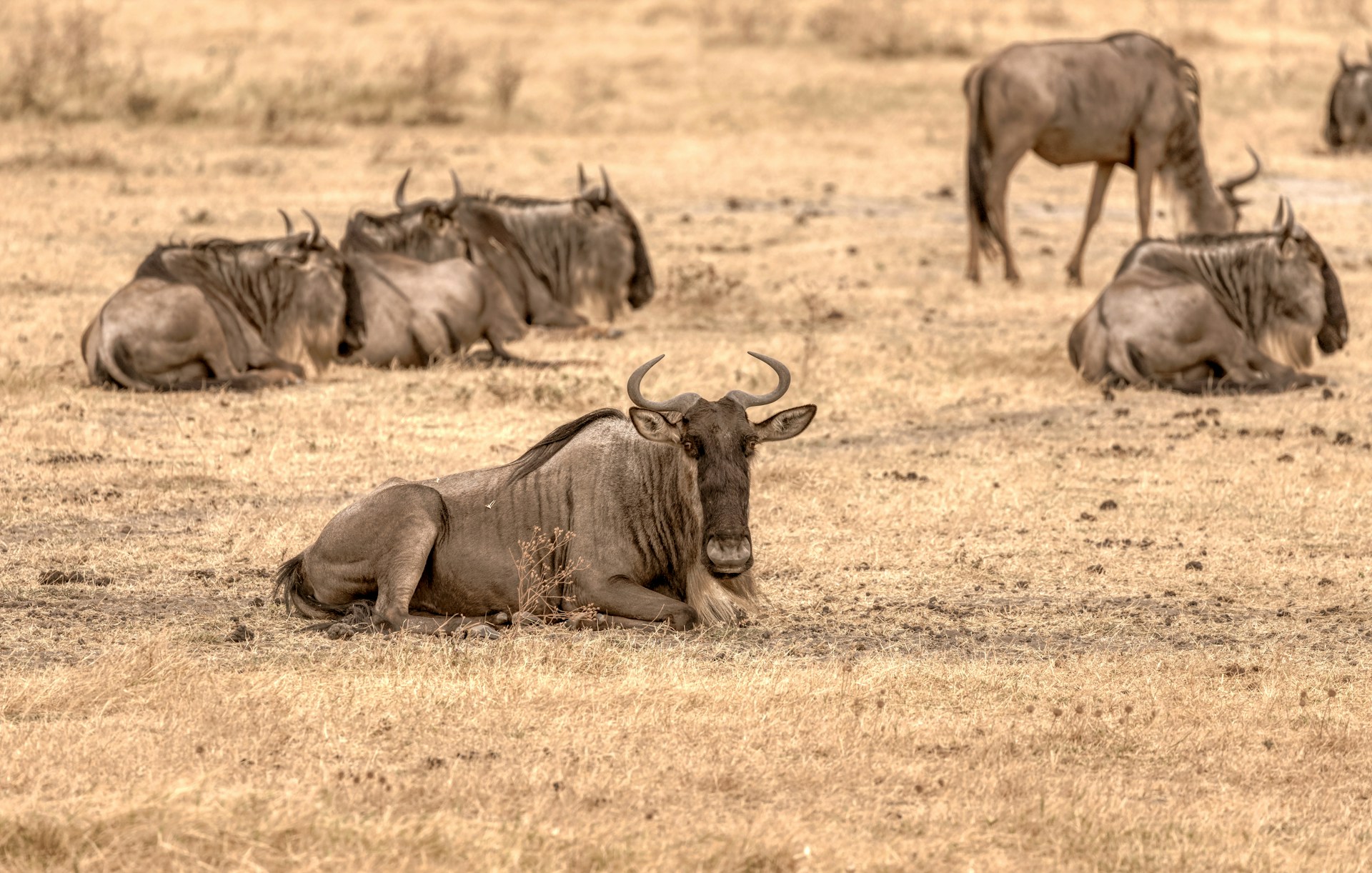
Visitors can encounter large herds of wildebeests, zebras, and buffaloes grazing across the crater floor. Lions are among the most commonly seen predators, often resting near grasslands or hunting within the open plains.
The crater also provides one of Tanzania’s best chances to see the endangered black rhino. These rare animals move through the open areas and can sometimes be spotted from safari vehicles.
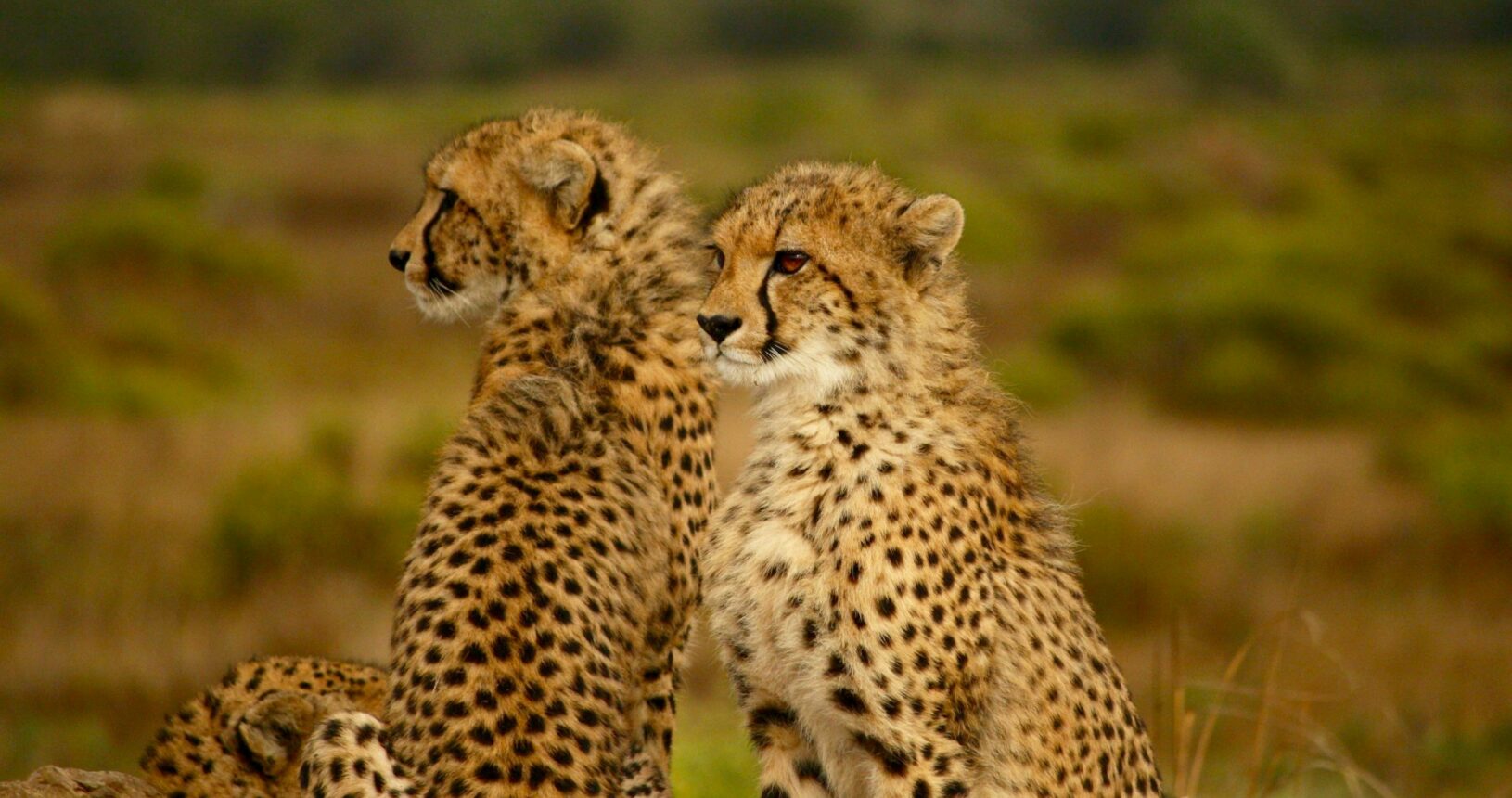
Other wildlife includes elephants, hippos, hyenas, cheetahs, jackals, flamingos, and many antelope species.
The Big Five in Ngorongoro Crater
Ngorongoro Crater Tanzania is one of the best places to search for the African Big Five.
The crater supports populations of lions, elephants, buffaloes, leopards, and black rhinos.
Lions are especially abundant because the enclosed ecosystem provides excellent hunting opportunities. Large prides often move across the crater floor.
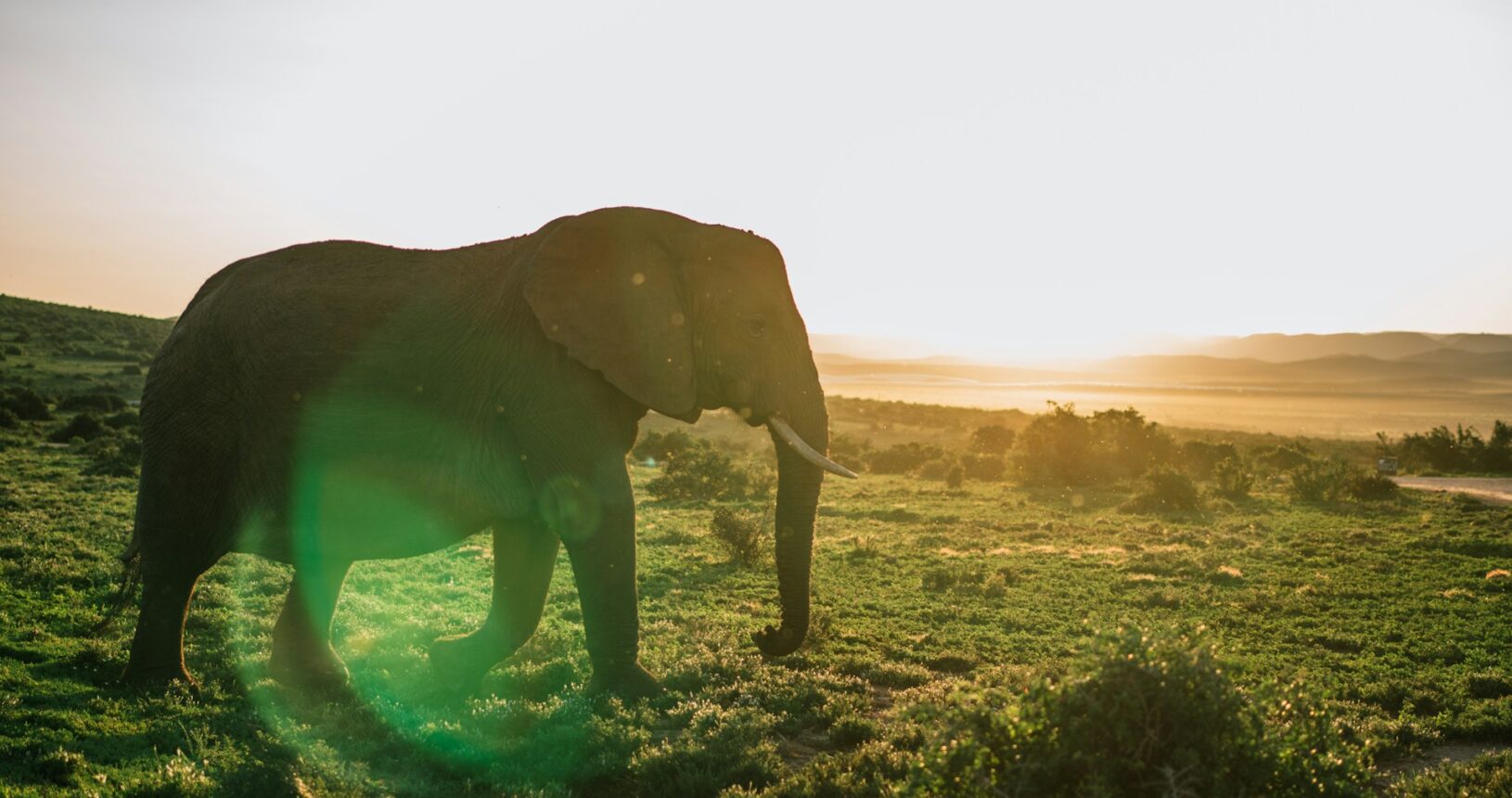
Elephants can be found in forested areas around the crater, while buffaloes gather in large groups across grasslands and wetlands.
Leopards are more difficult to spot because they prefer dense vegetation, but sightings can happen with experienced guides.
The presence of the Big Five makes the crater a favorite destination for wildlife enthusiasts and photographers.
Bird Watching in Ngorongoro Crater
Ngorongoro Crater bird watching offers excellent opportunities for nature lovers.
The crater supports hundreds of bird species due to its diverse habitats, including forests, lakes, wetlands, and grasslands.
Lake Magadi, a shallow alkaline lake inside the crater, attracts large flocks of flamingos and other water birds.
Visitors may also see crowned cranes, kori bustards, eagles, vultures, storks, and colorful smaller species.
The combination of wildlife and birdlife makes Ngorongoro an excellent destination for photographers and bird enthusiasts.
The Ngorongoro Conservation Area
The Ngorongoro Conservation Area differs from a traditional national park because it allows wildlife conservation alongside human activities.
The area is home to Maasai communities who continue traditional pastoral lifestyles while sharing the landscape with wildlife.
This unique approach promotes coexistence between people and nature.
Visitors can experience Maasai culture through village visits, traditional performances, and cultural interactions.
The conservation area demonstrates how tourism, wildlife protection, and community livelihoods can work together.
Activities in Ngorongoro Crater
A Ngorongoro Crater safari offers a variety of memorable experiences.
The main activity is a crater game drive, where visitors descend into the caldera to explore the wildlife-rich plains, forests, and wetlands.
Photography is a major highlight because the crater provides excellent opportunities to capture wildlife against dramatic landscapes.
Visitors can also explore nearby attractions such as Olduvai Gorge, Empakaai Crater, and Maasai villages.
Nature walks around the conservation area provide opportunities to learn about plants, landscapes, and local traditions.
These experiences allow travelers to discover more than just wildlife.
Best Time to Visit Ngorongoro Crater
The best time for a Ngorongoro Crater safari depends on personal interests and travel preferences.
The dry season from June to October provides excellent wildlife viewing because animals gather around reliable water sources.
The months from January to March bring green landscapes and newborn animals, creating beautiful photography opportunities.
The rainy season from April to May sees fewer visitors and transforms the crater into a lush green environment.
Because wildlife remains in the crater throughout the year, Ngorongoro offers rewarding experiences in every season.
Accommodation Near Ngorongoro Crater
Accommodation around Ngorongoro Crater Tanzania ranges from elegant lodges to comfortable safari camps.
Many properties sit along the crater rim, offering incredible views over the caldera. Others are located near Karatu, providing easy access to the conservation area.
Popular accommodations include Gibb’s Farm, The Highlands Ngorongoro, Ngorongoro Serena Safari Lodge, and other quality safari lodges.
Staying near the crater allows visitors to enjoy early morning game drives and avoid long transfers.
The choice of accommodation depends on travel style, budget, and preferred experience.
Conservation and Responsible Tourism
Conservation plays an important role in protecting Ngorongoro Crater Tanzania.
Tourism supports wildlife protection, habitat management, and community development programs within the conservation area.
Responsible travel helps reduce pressure on the ecosystem while supporting local communities.
Visitors can contribute by following park regulations, respecting wildlife distances, and supporting local businesses.
The future of Ngorongoro depends on balancing tourism, conservation, and community needs.
Who Should Visit Ngorongoro Crater?
Ngorongoro Crater suits almost every type of traveler.
Wildlife enthusiasts appreciate its incredible animal diversity and excellent Big Five opportunities. Photographers enjoy the dramatic landscapes and close wildlife encounters.
Families benefit from shorter game drives because wildlife appears within a compact area.
Couples and honeymoon travelers enjoy the romantic scenery and high-quality lodges surrounding the crater.
The destination also appeals to first-time safari visitors because it provides a complete African wildlife experience in one location.
Plan Your Safari
Ngorongoro Crater Tanzania remains one of Africa’s greatest safari destinations. Its breathtaking landscapes, incredible wildlife, and unique conservation story create an unforgettable experience for travelers.
From watching lions roam the crater floor to discovering Maasai culture and ancient human history, every visit reveals a different side of Tanzania.
For travelers planning a northern Tanzania safari, Ngorongoro Crater offers a remarkable journey into one of the planet’s most extraordinary natural environments.
In Africa’s national parks, every sunrise paints a masterpiece — where the wild’s call echoes across endless horizons. Visiting these parks is to witness nature in its purest form, a timeless dance that stirs the soul.
Steps to Book Your Southern Africa Tour
Choose Your Adventure
Confirm Your Booking
Begin Your Journey
Ready to plan your tailor-made safari?