Etosha National Park
February 1, 2026
Hoanib Desert
February 1, 2026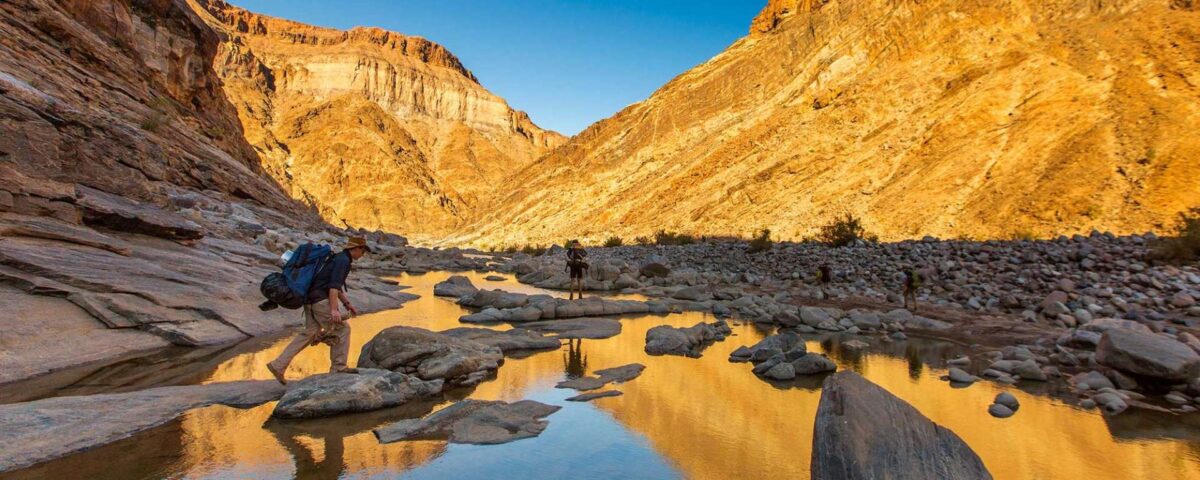
Fish River Canyon
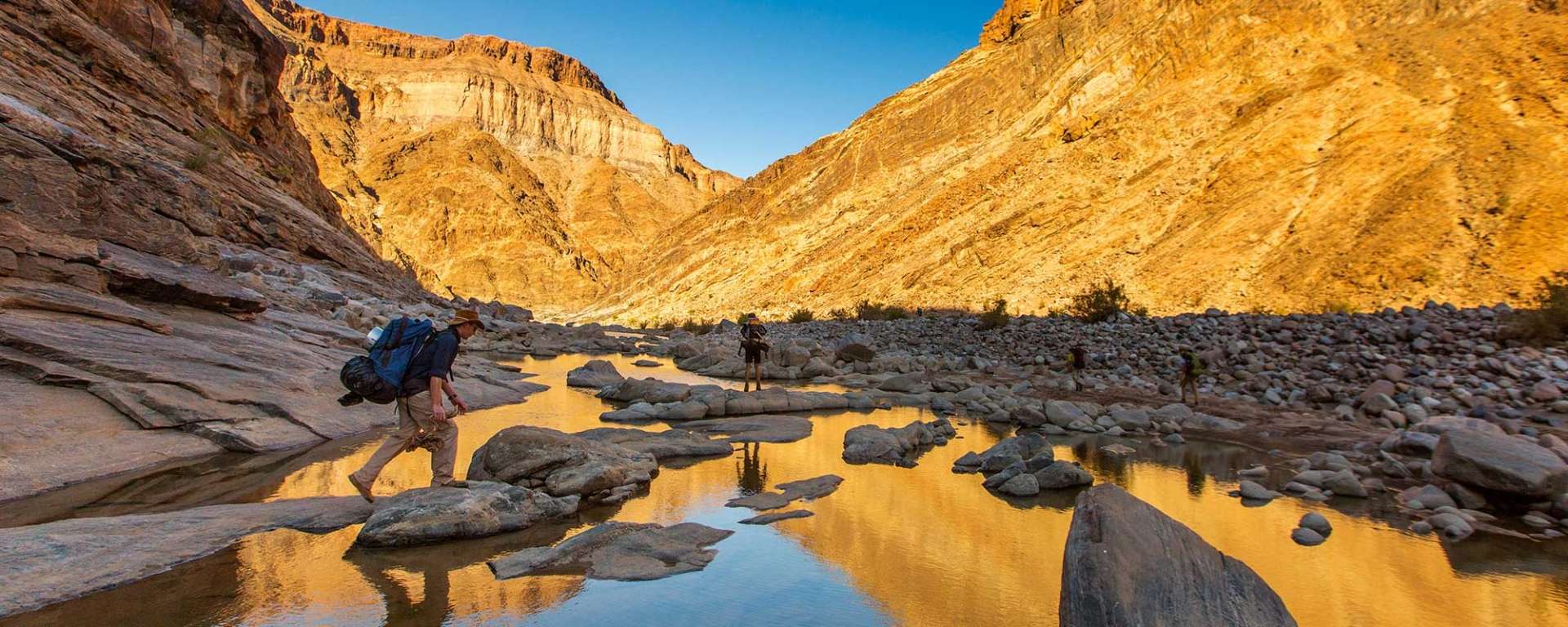
Fish River Canyon is one of Africa's most remarkable natural landmarks and among Namibia's most visited attractions. Stretching approximately 160 kilometers (100 miles) in length, reaching up to 27 kilometers (17 miles) in width, and plunging more than 550 meters (1,800 feet) at its deepest point, it is the largest canyon in Africa and the second-largest canyon in the world after the Grand Canyon in the United States.
Located in southern Namibia, Fish River Canyon offers breathtaking landscapes, dramatic rock formations, challenging hiking opportunities, and unforgettable panoramic views. The canyon's immense scale, rugged beauty, and peaceful surroundings make it a must-visit destination for travelers exploring Namibia.
Whether you are interested in adventure, photography, geology, or simply witnessing one of nature's greatest creations, Fish River Canyon delivers an extraordinary experience.
Why Book This Destination
Explore More about Fish River Canyon
Where is Fish River Canyon?
Fish River Canyon lies within the Ai-Ais/Richtersveld Transfrontier Park in southern Namibia, approximately 650 kilometers south of Windhoek and close to the border with South Africa.
The canyon is easily accessible by road, making it a popular destination for self-drive travelers exploring southern Namibia. Many visitors combine Fish River Canyon with nearby attractions such as Lüderitz, the ghost town of Kolmanskop, the Namib Desert, and the Quiver Tree Forest.
Its remote location enhances its appeal, offering visitors wide-open landscapes, clear skies, and a true sense of wilderness.
How Fish River Canyon Was Formed
The dramatic landscape of Fish River Canyon tells a geological story that spans hundreds of millions of years. Scientists believe the canyon began forming around 500 million years ago through a combination of tectonic activity, erosion, and the gradual carving action of the Fish River.
As the Earth's crust shifted, deep fractures developed in the landscape. Over millions of years, flowing water eroded the exposed rock layers, creating the enormous canyon visible today.
The exposed rock formations reveal ancient geological history, making the canyon an important destination for both researchers and geology enthusiasts.
The Landscape of Fish River Canyon
The scenery within Fish River Canyon changes dramatically throughout the day as sunlight transforms the colors of the surrounding cliffs.
Steep rock walls descend into winding riverbeds, creating a maze of ridges, plateaus, and deep valleys. During sunrise and sunset, the canyon glows in shades of orange, red, gold, and purple, producing some of Namibia's most spectacular photographic opportunities.
The Fish River itself flows seasonally through sections of the canyon, while natural pools remain throughout the year in many areas, providing important water sources for wildlife.
The vast scale of the canyon creates a sense of perspective that few landscapes can match.
Wildlife Around Fish River Canyon
Although Fish River Canyon is best known for its scenery rather than classic safari wildlife, the surrounding environment supports a surprising variety of desert-adapted animals.
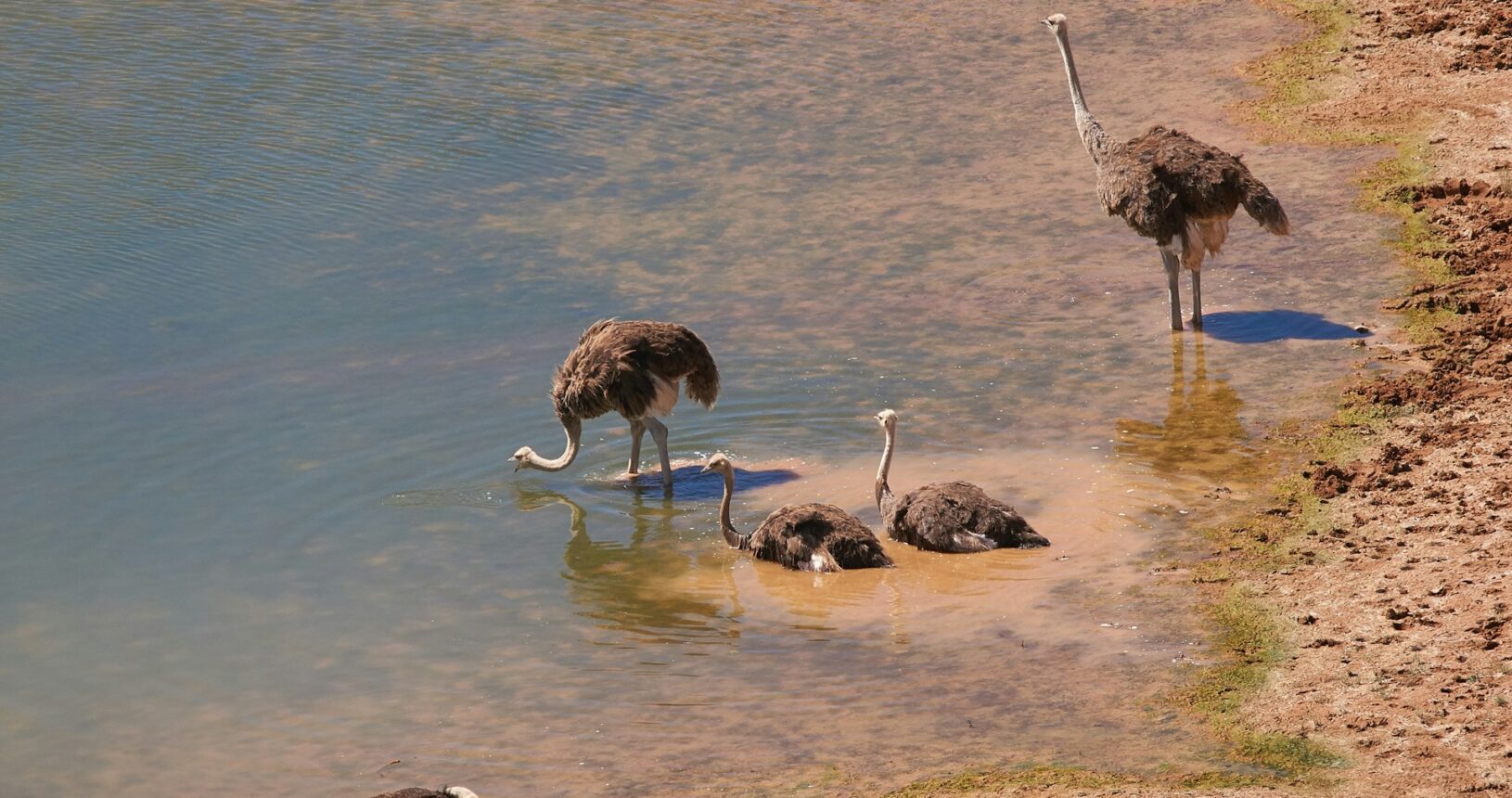
Visitors may encounter mountain zebras, kudu, klipspringers, springbok, baboons, rock hyraxes, and ostriches as they explore the area. Smaller mammals such as foxes and jackals also inhabit the surrounding plains.
Birdlife is equally impressive, with Verreaux's eagles, black eagles, falcons, vultures, and numerous smaller bird species soaring above the canyon walls or nesting along the cliffs.
The region's hardy vegetation supports these species despite the area's arid climate.
The Famous Fish River Canyon Hiking Trail
One of the greatest adventures at Fish River Canyon is the world-renowned Fish River Canyon Hiking Trail.
Covering approximately 85 kilometers, this challenging multi-day trek follows the canyon floor from Hobas to Ai-Ais. The route takes hikers through dramatic rock formations, river crossings, sandy riverbeds, and remote wilderness rarely experienced elsewhere in Africa.
The hike requires excellent physical fitness and careful planning, as temperatures can become extremely high during much of the year. For safety reasons, the trail is generally open only during the cooler months between May and September.
Completing the Fish River Canyon Hiking Trail ranks among Africa's most rewarding trekking experiences.
Viewpoints and Scenic Drives
Not every visitor chooses to hike, and fortunately Fish River Canyon offers exceptional viewpoints that are easily accessible by road.
The Main Viewpoint near Hobas provides breathtaking panoramic views overlooking the canyon's most dramatic section. Several additional viewpoints along the rim allow visitors to appreciate different angles of the landscape.
Scenic drives connect these viewing areas, making it possible to experience the canyon's grandeur without undertaking strenuous hikes.
Photographers particularly enjoy early morning and late afternoon visits when soft lighting enhances the canyon's colors and textures.
Ai-Ais Hot Springs
At the southern end of Fish River Canyon, the Ai-Ais Hot Springs Resort provides a relaxing conclusion to canyon exploration.
Natural thermal springs emerge from deep underground, creating warm mineral pools where visitors can unwind after hiking or sightseeing.
The resort also offers accommodation, restaurants, spa facilities, and easy access to additional hiking trails within the surrounding conservation area.
Many travelers spend a night at Ai-Ais before continuing their journey through southern Namibia.
Best Time to Visit Fish River Canyon
The ideal time to visit Fish River Canyon is during Namibia's cooler dry season, from May to September.
During these months, daytime temperatures remain pleasant, making hiking, sightseeing, and photography much more comfortable. The clear skies also provide excellent visibility across the canyon.
The hotter months from October to April often bring extreme daytime temperatures that can exceed 40°C (104°F), making strenuous outdoor activities more challenging.
Sunrise and sunset remain the best times of day for sightseeing throughout the year because they offer cooler conditions and spectacular lighting.
Accommodation Near Fish River Canyon
Visitors to Fish River Canyon can choose from a variety of accommodation options ranging from luxury lodges to comfortable guesthouses and campsites.
Several safari lodges near Hobas and Ai-Ais offer spacious rooms, excellent dining, swimming pools, and spectacular canyon views. These properties provide convenient access to the main viewpoints while allowing guests to enjoy Namibia's peaceful desert atmosphere.
Camping facilities are also available for travelers seeking a closer connection to nature.
Many accommodations include guided excursions and scenic drives that enhance the overall canyon experience.
Why Visit Fish River Canyon?
Fish River Canyon offers far more than impressive scenery. It combines ancient geological history, dramatic desert landscapes, challenging adventure, remarkable photography, and peaceful wilderness into one unforgettable destination.
Its immense scale inspires awe, while its remote setting allows visitors to experience southern Namibia at a slower and more reflective pace. Whether you choose to admire the canyon from its spectacular viewpoints, complete the famous hiking trail, or relax at the Ai-Ais Hot Springs, every visit creates lasting memories.
For travelers exploring Namibia beyond its famous wildlife parks, Fish River Canyon provides one of the country's most rewarding and iconic natural experiences.
In Africa’s national parks, every sunrise paints a masterpiece — where the wild’s call echoes across endless horizons. Visiting these parks is to witness nature in its purest form, a timeless dance that stirs the soul.
Steps to Book Your Southern Africa Tour
Choose Your Adventure
Confirm Your Booking
Begin Your Journey
Ready to plan your tailor-made safari?