Damaraland
February 1, 2026
Fish River Canyon
February 1, 2026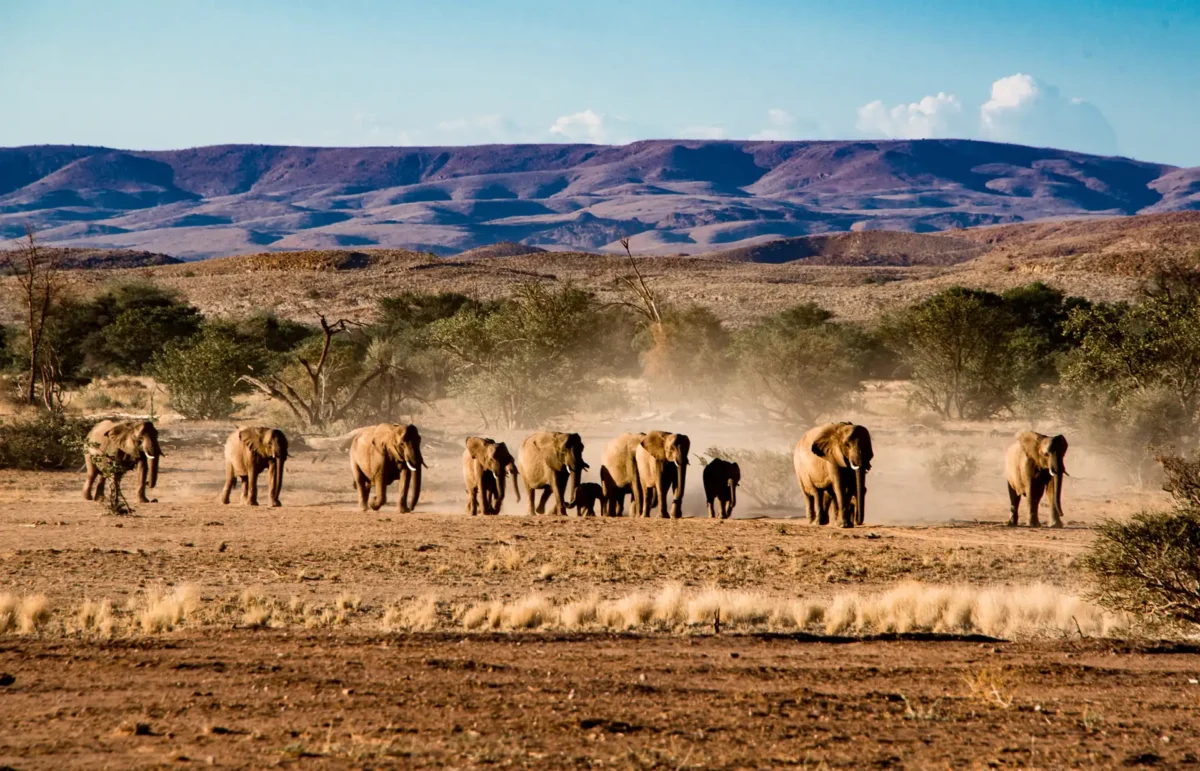
Etosha National Park
Etosha National Park is Namibia’s most famous wildlife reserve and one of Africa’s greatest safari destinations. Covering approximately 22,270 square kilometers (8,600 square miles), the park protects an extraordinary diversity of wildlife across vast salt pans, open grasslands, mopane woodlands, and seasonal wetlands. Every year, thousands of travelers visit Etosha National Park to experience exceptional game viewing, dramatic landscapes, and unforgettable safari adventures.
The name "Etosha" comes from the Oshindonga language and means "Great White Place," referring to the immense Etosha Pan that dominates the heart of the park. This enormous salt pan, visible even from space, is one of the largest of its kind in the world and creates a unique ecosystem that attracts wildlife throughout the year.
Unlike many African safari destinations where dense vegetation can make wildlife difficult to spot, Etosha National Park offers open landscapes that provide outstanding visibility. Combined with numerous natural and artificial waterholes, this makes the park one of the best places in Africa to observe wildlife in its natural habitat.
Why Book This Destination
Explore More about Etosha National Park
History of Etosha National Park
The history of Etosha National Park dates back to 1907 when it was proclaimed as a protected game reserve during the German colonial administration. At the time, it was one of the largest game reserves in the world.
Over the decades, the park's boundaries changed several times before being established in its current form. Today, it remains Namibia's flagship conservation area and plays a critical role in protecting endangered species and preserving southern African ecosystems.
Modern conservation efforts continue to strengthen wildlife populations while promoting sustainable tourism that benefits both conservation and surrounding communities.
The Geography of Etosha National Park
The landscape of Etosha National Park revolves around the enormous Etosha Pan, a vast salt depression covering nearly one-quarter of the entire park. Scientists believe the pan formed millions of years ago when an ancient inland lake gradually dried up after river systems changed course.
During the rainy season, shallow water temporarily covers parts of the pan, attracting flamingos, pelicans, and numerous migratory birds. As the dry season returns, the water evaporates, leaving behind brilliant white salt flats that create one of Namibia's most recognizable landscapes.
Surrounding the pan are extensive grasslands, mopane forests, acacia savannahs, and natural springs that provide ideal habitats for a remarkable variety of wildlife.
Wildlife in Etosha National Park
One of the greatest attractions of Etosha National Park is its incredible wildlife diversity. The park supports more than 110 mammal species, over 340 bird species, numerous reptiles, amphibians, and a wide variety of insects.
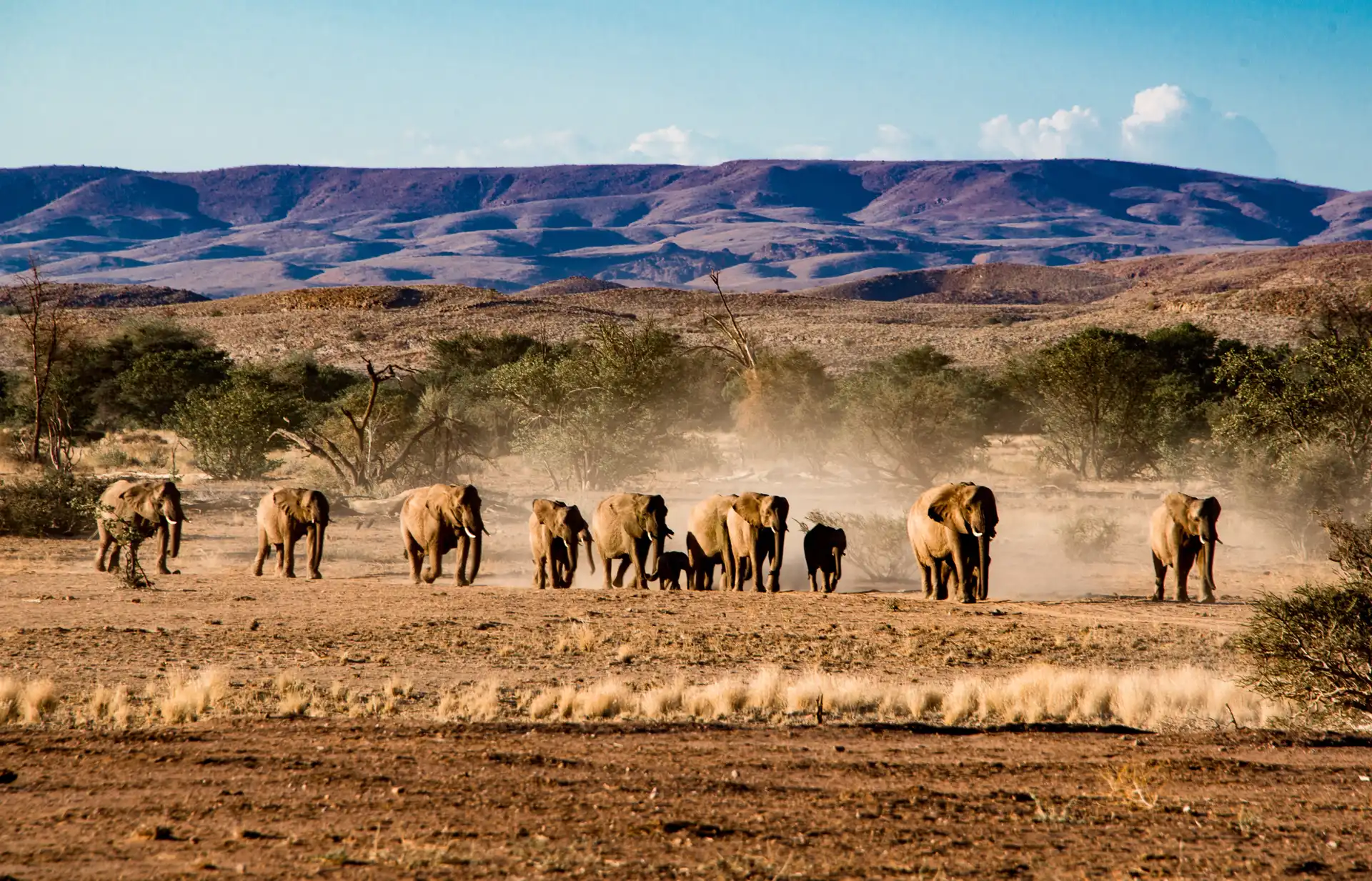
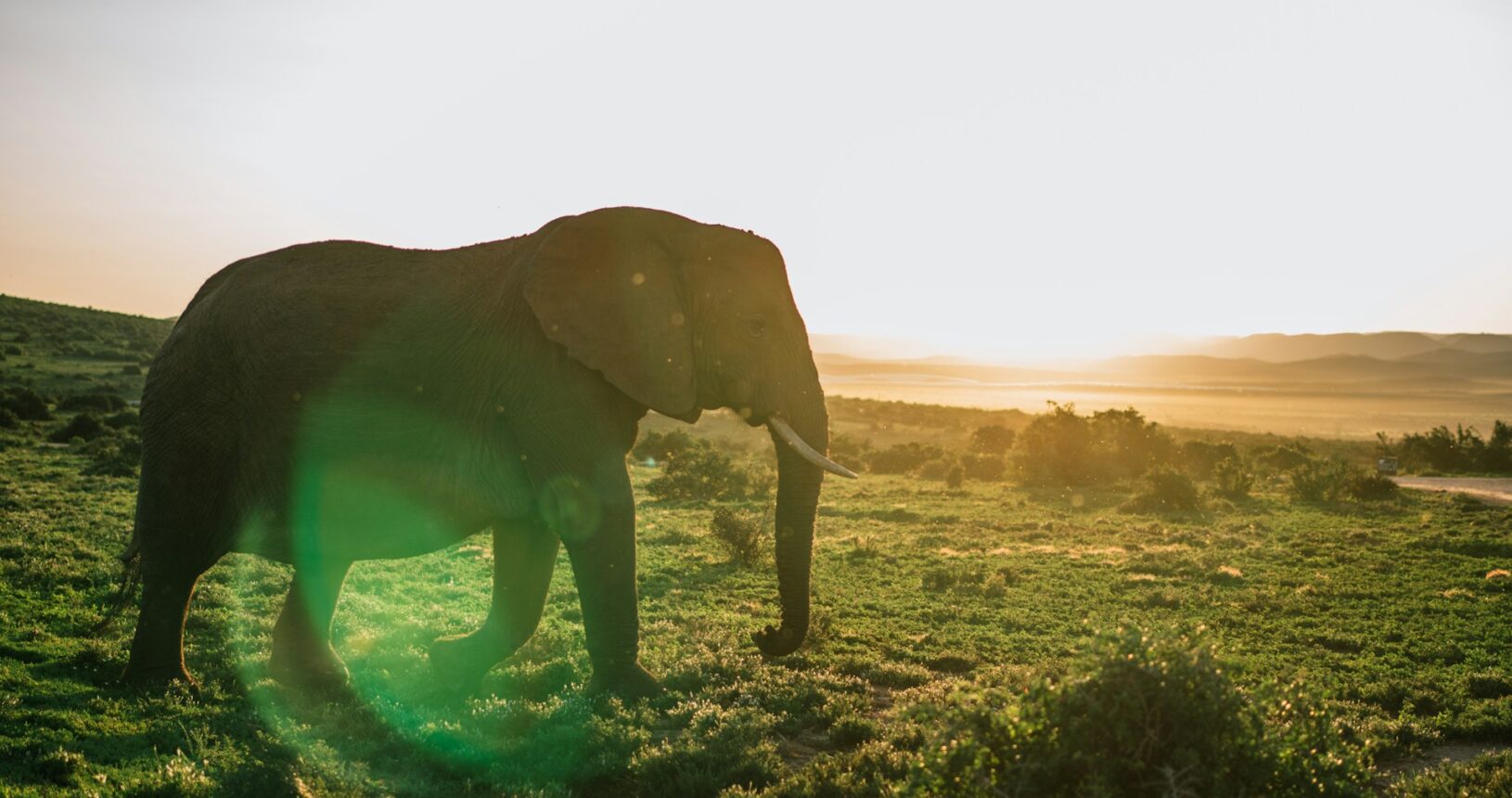
Elephants are among the park's most iconic residents. Large breeding herds frequently gather at waterholes during the dry season, providing spectacular viewing opportunities.
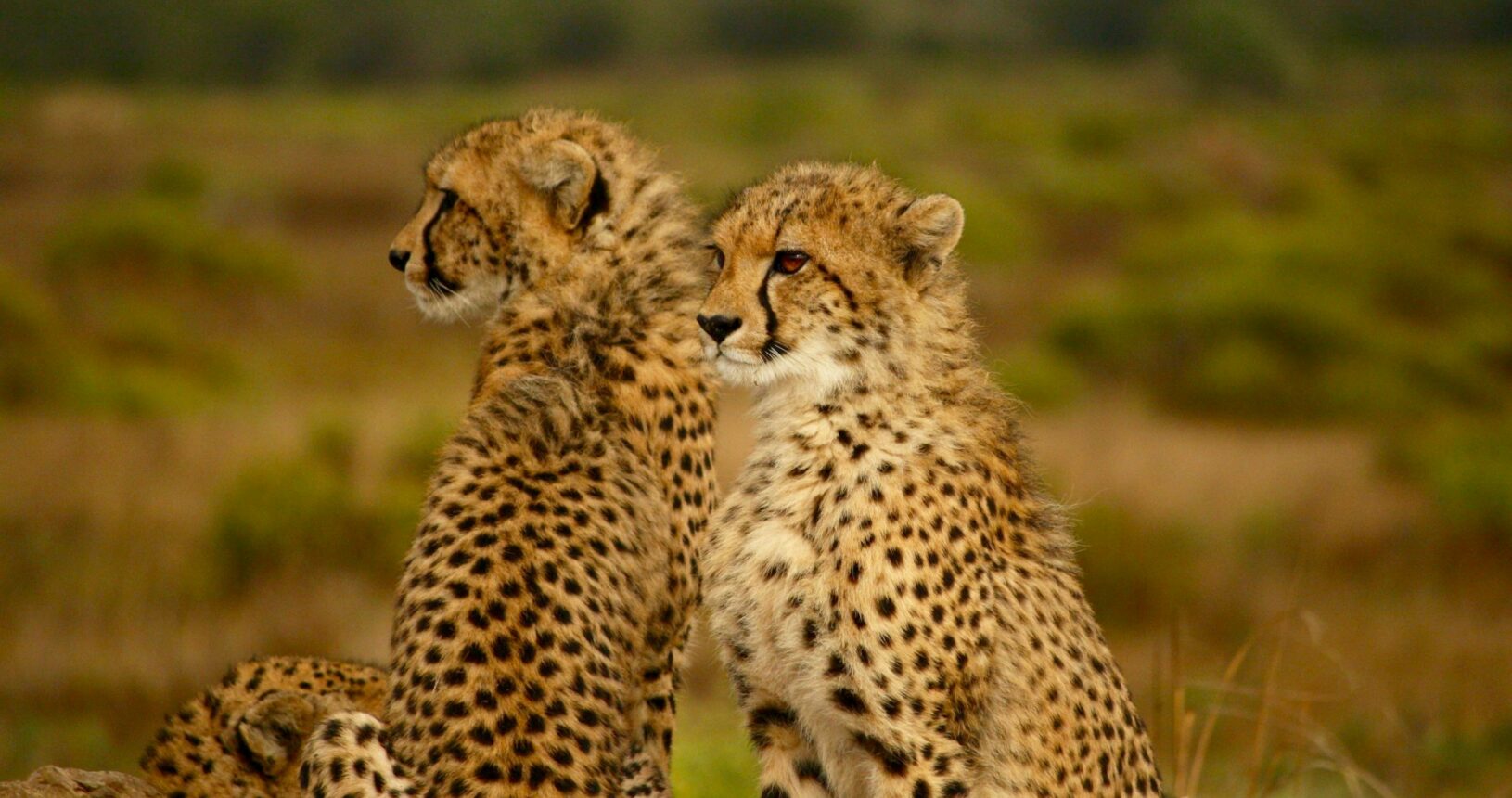
Lions are common throughout the park and are often seen resting beneath trees or hunting around waterholes where prey species congregate. Leopards inhabit rocky outcrops and woodland areas, while cheetahs roam the open plains searching for springbok and other antelope.
Etosha National Park is also one of Africa's best places to see the endangered black rhinoceros. The park protects one of the world's most significant free-ranging populations of this critically endangered species.
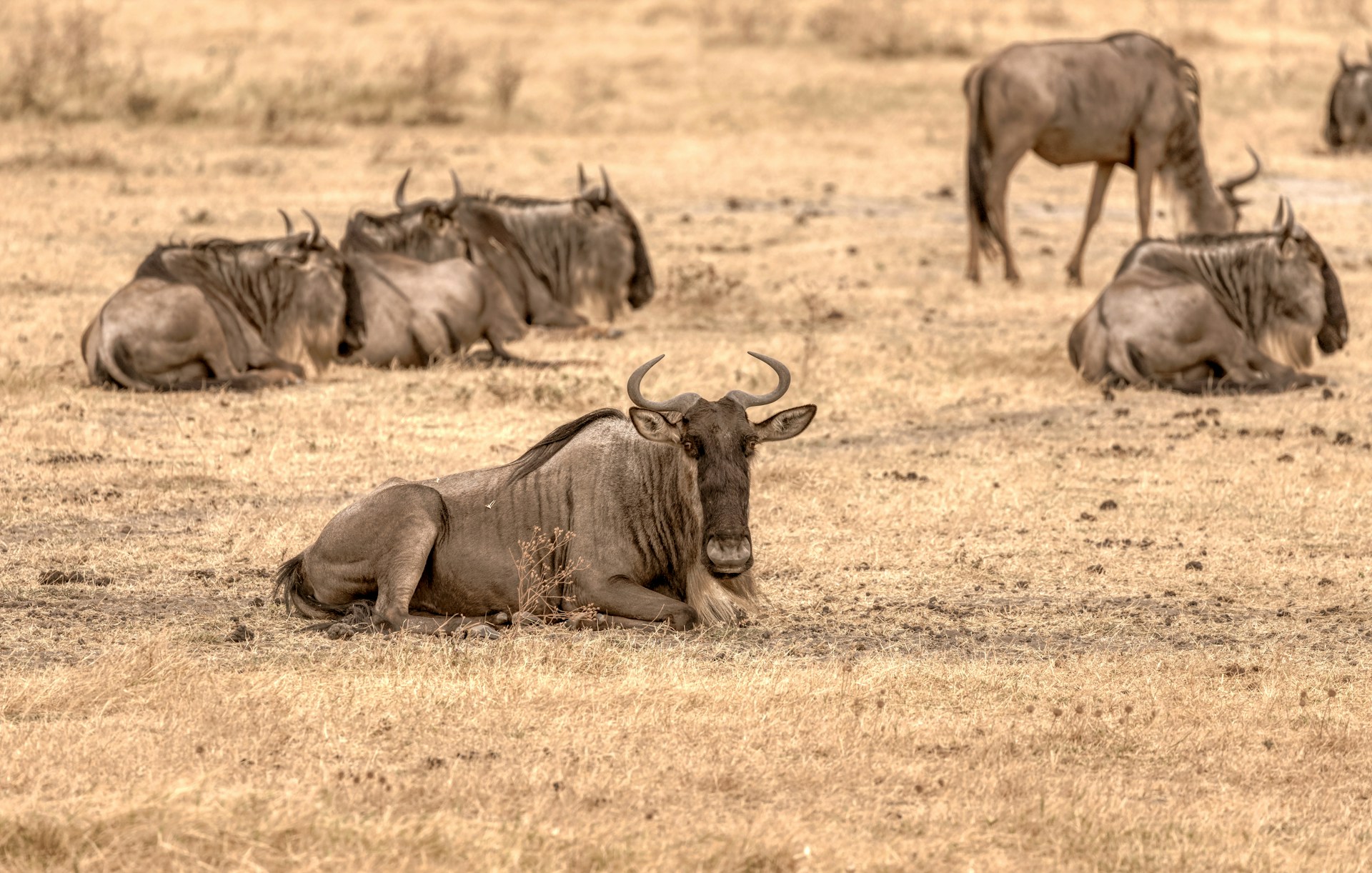
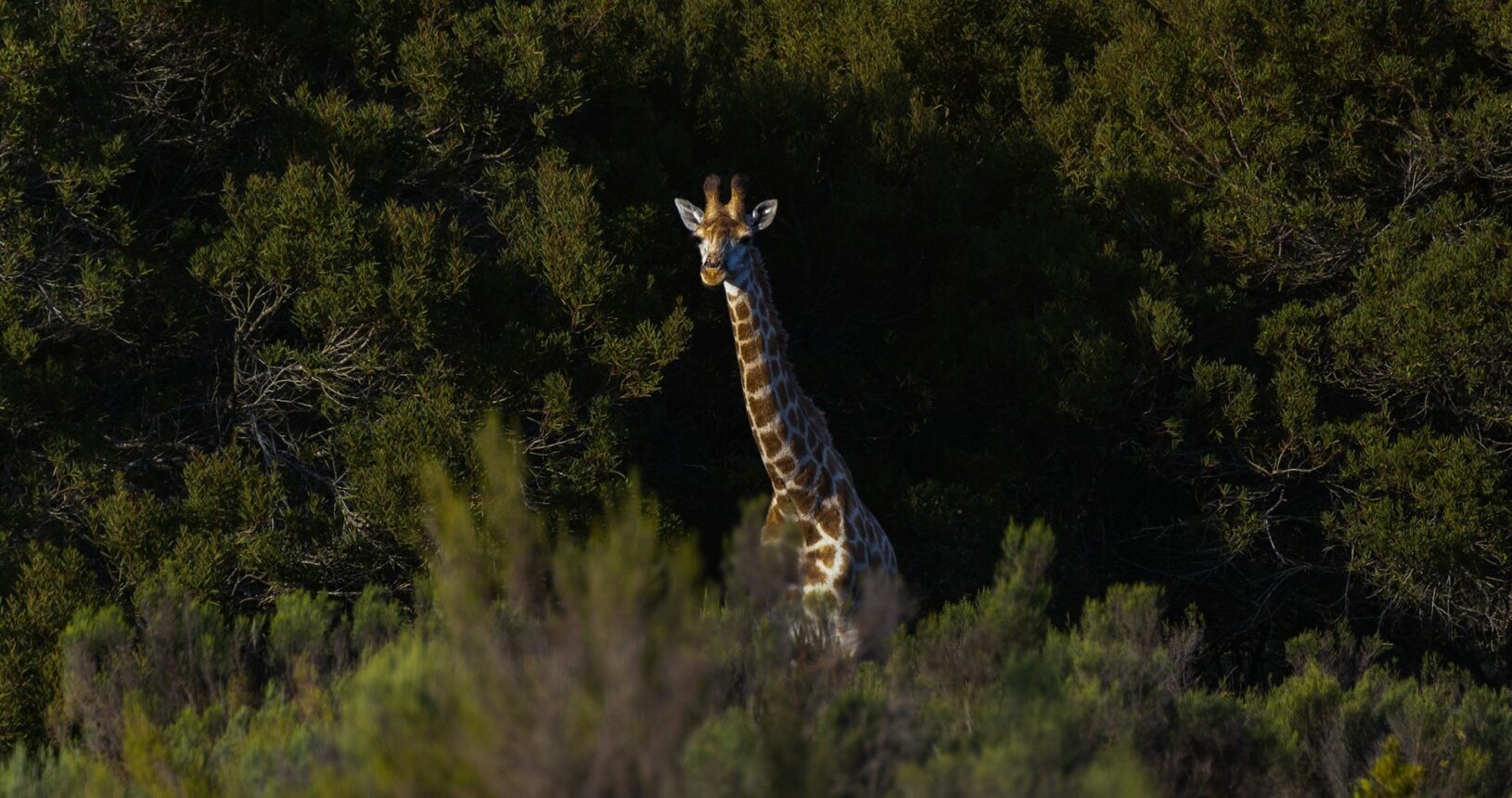
Other frequently observed animals include giraffes, zebras, blue wildebeest, gemsbok (oryx), kudu, eland, impala, springbok, hartebeest, warthogs, jackals, spotted hyenas, bat-eared foxes, and honey badgers.
Although buffalo are absent from Etosha because of veterinary disease control measures, the park remains one of the finest safari destinations in Southern Africa.
Birdwatching in Etosha National Park
Birdwatchers consider Etosha National Park one of Namibia's premier birding destinations. More than 340 recorded bird species inhabit the park throughout the year.
During the rainy season, temporary wetlands attract thousands of greater and lesser flamingos, creating spectacular breeding colonies. Pelicans, avocets, stilts, and numerous migratory waterbirds also arrive during this period.
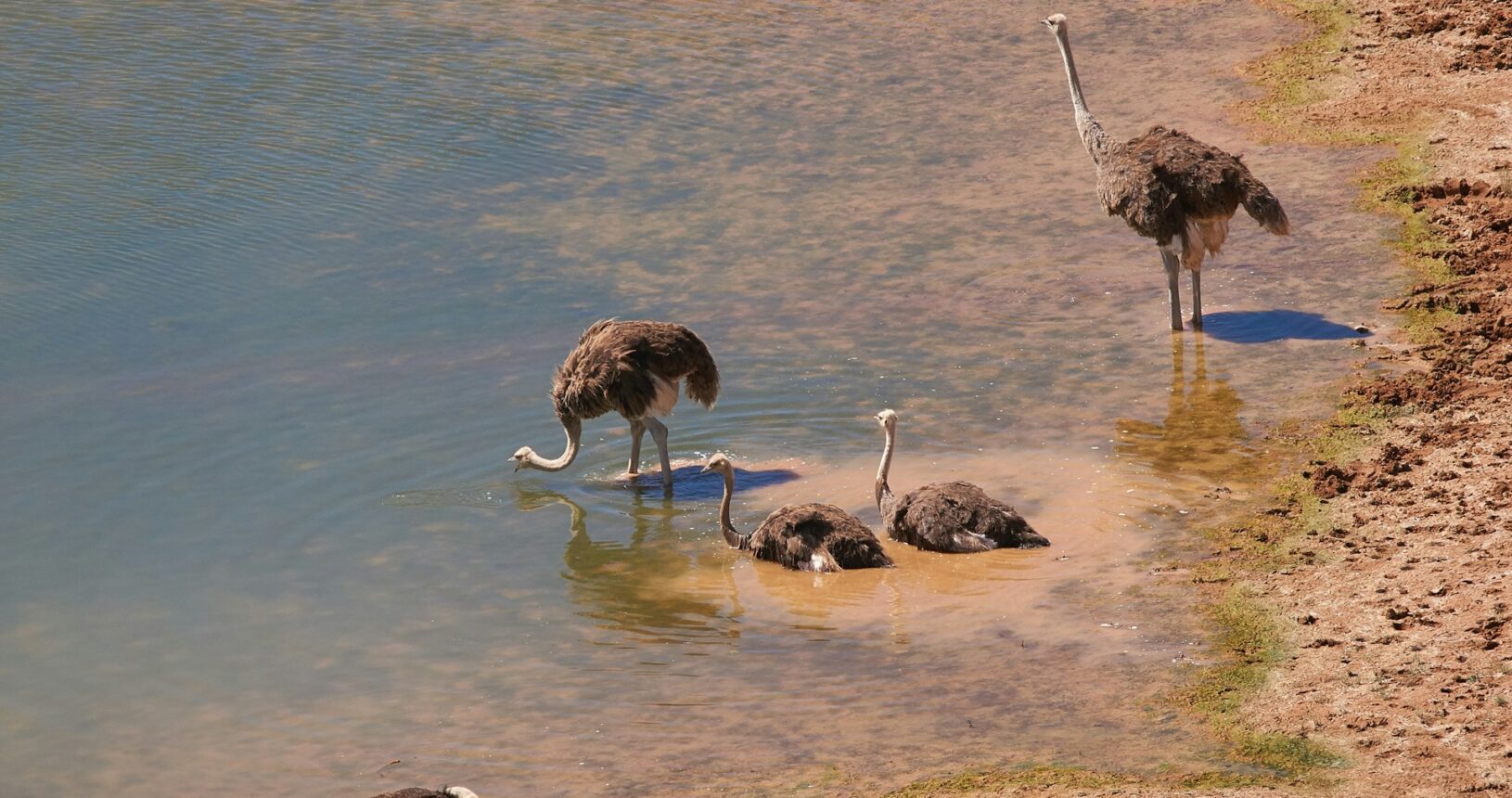
Resident species include ostriches, kori bustards, secretary birds, hornbills, bee-eaters, eagles, vultures, owls, and a variety of raptors that thrive in the park's diverse habitats.
Whether visiting during the wet or dry season, birdwatchers can expect outstanding photographic and observational opportunities.
The Famous Waterholes
Waterholes define the safari experience in Etosha National Park. Throughout the dry season, wildlife gathers around these permanent water sources, creating remarkable viewing opportunities.
Okaukuejo Waterhole is perhaps the most famous, particularly at night when floodlights illuminate elephants, rhinos, lions, and other wildlife visiting to drink.
Halali Waterhole offers another excellent location for observing black rhinos after sunset, while Namutoni Waterhole regularly attracts giraffes, zebras, elephants, and numerous antelope species.
Smaller waterholes scattered throughout the park provide equally rewarding experiences, with every visit offering different wildlife encounters depending on the season and time of day.
Safari Activities in Etosha National Park
Game drives remain the most popular activity in Etosha National Park. Visitors can choose between self-drive safaris using the park's well-maintained road network or guided game drives led by experienced naturalists.
Morning and late afternoon drives provide the best opportunities to observe active wildlife before temperatures become too high.
Photography enthusiasts benefit from excellent lighting conditions and open landscapes that allow unobstructed views of wildlife against dramatic natural backdrops.
Birdwatching, scenic drives, and night-time wildlife viewing from selected lodge waterholes further enrich the safari experience.
Accommodation in Etosha National Park
Etosha National Park offers a wide range of accommodation options both inside and outside the park.
Government-operated camps such as Okaukuejo, Halali, Namutoni, Dolomite, and Onkoshi provide convenient access to key wildlife areas and famous waterholes.
Surrounding the park, visitors can choose from numerous private safari lodges, luxury tented camps, and boutique properties offering exceptional comfort, personalized service, and guided safari experiences.
Many luxury lodges feature swimming pools, gourmet dining, wellness facilities, and panoramic views of the surrounding wilderness, making them ideal for travelers seeking an elevated safari experience.
Best Time to Visit Etosha National Park
Etosha National Park is a year-round destination, but the experience varies with the seasons.
The dry season, from May to October, offers the best wildlife viewing. As water becomes scarce, animals gather around permanent waterholes, making sightings highly predictable. Cooler temperatures also create comfortable conditions for game drives.
The rainy season, from November to April, transforms the landscape into lush green plains filled with newborn animals and migratory birds. Although wildlife becomes more dispersed, photographers often appreciate the vibrant scenery and dramatic skies.
Each season provides unique advantages depending on travelers' interests.
Conservation in Etosha National Park
Conservation remains central to the management of Etosha National Park. The park protects some of Namibia's most important wildlife populations while supporting scientific research, habitat management, and anti-poaching initiatives.
Particular emphasis is placed on safeguarding black rhinos, elephants, lions, and other threatened species. Long-term ecological monitoring helps ensure healthy ecosystems despite changing environmental conditions.
The park also contributes significantly to Namibia's internationally recognized conservation model, where tourism supports both wildlife protection and local economic development.
Why Visit Etosha National Park?
Etosha National Park combines extraordinary wildlife, spectacular landscapes, and outstanding accessibility into one unforgettable safari destination.
Its famous waterholes, vast salt pan, abundant predators, and exceptional photographic opportunities make it one of the finest national parks in Africa. Whether you are visiting Namibia for the first time or returning for another adventure, Etosha consistently delivers memorable wildlife encounters and world-class safari experiences.
For travelers seeking an authentic African safari with remarkable biodiversity and excellent infrastructure, Etosha National Park remains the country's ultimate wildlife destination.
In Africa’s national parks, every sunrise paints a masterpiece — where the wild’s call echoes across endless horizons. Visiting these parks is to witness nature in its purest form, a timeless dance that stirs the soul.
Steps to Book Your Southern Africa Tour
Choose Your Adventure
Confirm Your Booking
Begin Your Journey
Ready to plan your tailor-made safari?