Big Five Namibia
February 1, 2026
Namibia Desert
February 1, 2026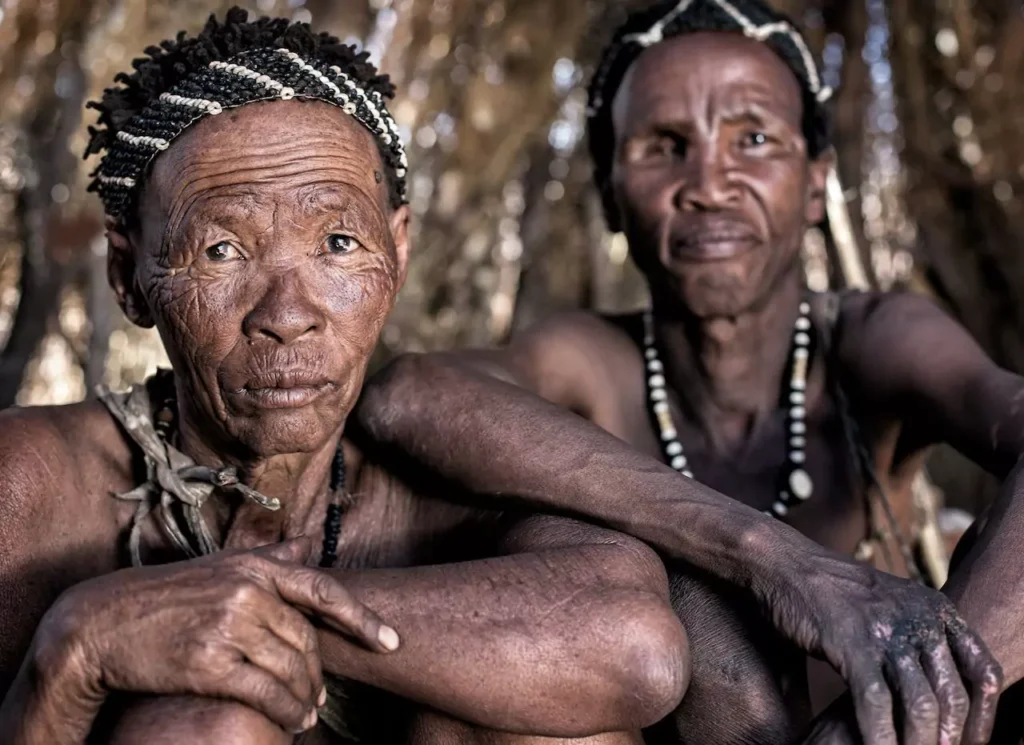
Namibia Culture
Namibia Culture reflects one of the most diverse and historically layered societies in Southern Africa. With more than a dozen distinct ethnic groups, multiple languages, and deeply rooted traditions, Namibia presents a cultural landscape shaped by indigenous heritage, colonial history, and modern national identity.
Unlike destinations defined by a single dominant cultural narrative, Namibia Culture evolves through coexistence. Communities such as the Ovambo, Herero, Himba, Damara, Nama, San, and Kavango peoples each maintain unique customs, dress, music, and social structures while contributing to a shared national identity.
For travelers, exploring Namibia Culture adds depth to safari experiences. It transforms a wildlife journey into a broader encounter with people, history, and living traditions that continue to shape everyday life across the country.
Why Book This Destination
Explore More about Namibia Culture
Ethnic Diversity and Identity in Namibia
One of the defining features of Namibia Culture is its ethnic diversity. The Ovambo people represent the largest ethnic group, primarily based in the northern regions. Their traditions, farming practices, and community structures form an important part of Namibia’s social fabric.
The Herero people are known for their distinctive Victorian-inspired dress and strong pastoral traditions centered on cattle herding. Their cultural identity remains deeply tied to livestock, ceremonies, and historical resilience.
The Himba community, found mainly in northern Namibia, maintains a semi-nomadic lifestyle that preserves ancient customs. Their use of otjize paste, traditional hairstyles, and close connection to cattle reflects a culture that has remained relatively unchanged for centuries.
The Nama and Damara communities contribute rich oral traditions, music, and storytelling practices. Meanwhile, the San people represent one of the oldest continuous cultures in the world, with deep knowledge of tracking, survival skills, and nature-based storytelling.
Language and Cultural Expression
Language plays a central role in Namibia Culture, with English serving as the official language while indigenous languages such as Oshiwambo, Otjiherero, Nama, Afrikaans, and Khoekhoe remain widely spoken.
Each language carries cultural meaning beyond communication. It reflects identity, history, and worldview. For example, Khoekhoe languages use distinctive click sounds that represent one of the most unique linguistic systems in the world.
Cultural expression also appears through storytelling, proverbs, and oral history. Elders play an important role in passing knowledge from one generation to the next, preserving traditions that predate written records.
Traditional Clothing and Symbolism
Clothing remains a powerful expression of identity within Namibia Culture. The Herero dress, influenced by 19th-century missionary contact, has become a symbol of cultural pride and resilience. Its flowing Victorian-style gowns represent both history and identity.
The Himba people maintain a distinctive appearance through the use of otjize, a mixture of butterfat and ochre pigment applied to skin and hair. This practice holds both aesthetic and cultural significance, symbolizing beauty, protection, and connection to the land.
Other communities wear traditional attire during ceremonies, festivals, and cultural celebrations, often incorporating beadwork, animal skins, and symbolic patterns.
Music, Dance, and Oral Traditions
Music and dance form a vibrant part of Namibia Culture. Rhythmic drumming, chanting, and traditional instruments accompany ceremonies, celebrations, and storytelling events.
Each ethnic group expresses music differently. The Ovambo and Kavango communities often use energetic dance performances during celebrations, while San communities use music and rhythm to accompany storytelling and social rituals.
Oral traditions remain essential for preserving history. Stories passed through generations explain migration, survival, moral lessons, and relationships with nature.
Cultural Life in Rural and Urban Namibia
Namibia Culture differs significantly between rural and urban environments. Rural communities often maintain traditional lifestyles closely connected to agriculture, livestock, and ancestral customs.
In contrast, urban centers such as Windhoek, Swakopmund, and Walvis Bay reflect a more modern and multicultural lifestyle influenced by global trends, education, and tourism.
Despite these differences, cultural identity remains strong across both settings. Many urban Namibians maintain ties to rural homelands and participate in cultural ceremonies and family traditions.
Cultural Heritage Sites in Namibia
Namibia protects its cultural heritage through numerous historical and archaeological sites. Twyfelfontein, a UNESCO World Heritage Site, contains thousands of rock engravings created by San ancestors, offering insight into early human life and spiritual beliefs.
Other important heritage sites include the Brandberg Mountain, which holds ancient rock paintings such as the famous “White Lady,” and colonial-era architecture in towns like Swakopmund and Lüderitz.
These sites help preserve Namibia Culture while offering travelers meaningful historical context during their visits.
Cultural Tourism Experiences
Cultural tourism plays an important role in Namibia’s travel industry. Visitors can engage with local communities through guided cultural visits, homestays, craft markets, and storytelling experiences.
In northern Namibia, travelers may visit Himba communities to learn about traditional lifestyles, housing structures, and pastoral practices. In central regions, cultural villages showcase traditional dances, crafts, and cooking methods.
These experiences must always follow responsible tourism principles, ensuring respect for privacy, authenticity, and community benefit.
Religion and Belief Systems
Religion forms another important layer of Namibia Culture. Christianity is the dominant religion, introduced during colonial periods and now practiced widely across the country.
However, many communities blend Christian beliefs with traditional spiritual practices. Ancestor reverence, rituals, and cultural ceremonies continue to play a meaningful role in daily life.
This blending of belief systems reflects Namibia’s broader cultural identity, where tradition and modernity coexist.
Why Namibia Culture Matters for Travelers
Understanding Namibia Culture enriches travel experiences by connecting landscapes and wildlife with the people who live within them. It adds meaning to safari journeys by revealing how communities interact with nature, preserve traditions, and adapt to modern life.
Cultural awareness also encourages respectful travel behavior, especially when visiting rural communities or participating in cultural tours.
Namibia offers travelers not only wildlife and scenery but also a living cultural heritage that continues to evolve.
In Africa’s national parks, every sunrise paints a masterpiece — where the wild’s call echoes across endless horizons. Visiting these parks is to witness nature in its purest form, a timeless dance that stirs the soul.
Steps to Book Your Southern Africa Tour
Choose Your Adventure
Confirm Your Booking
Begin Your Journey
Ready to plan your tailor-made safari?