
Windhoek
February 1, 2026
Namibia Culture
February 1, 2026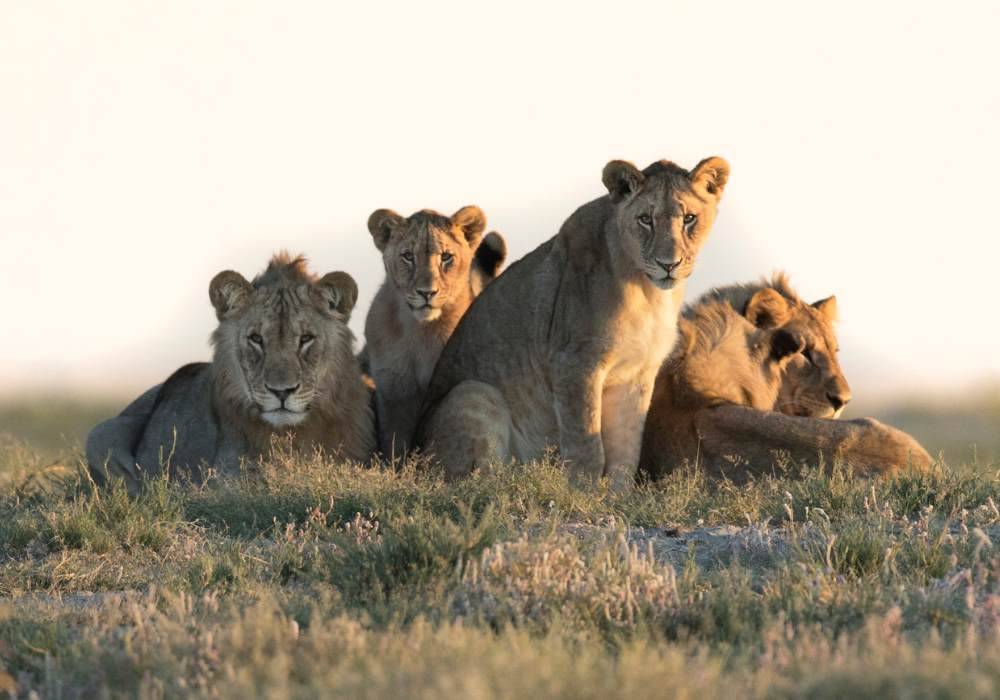
Big Five Namibia
Big Five Namibia refers to the opportunity to encounter Africa’s most iconic wildlife species—lion, leopard, elephant, rhino, and buffalo—within Namibia’s diverse safari ecosystems. While Namibia is not traditionally known as a classic “dense Big Five destination” like some East African parks, it offers some of the most authentic and uncrowded Big Five safari experiences on the continent.
What makes Big Five Namibia unique is not just the presence of these animals, but the environments in which they live. From desert-adapted elephants in Damaraland to black rhinos in Etosha and elephants moving through the Zambezi floodplains, Namibia presents a rare combination of resilience, adaptation, and space.
Travelers who focus on Big Five Namibia often discover that sightings feel more natural and less congested than in heavily visited safari destinations, creating a stronger sense of wilderness immersion.
Why Book This Destination
Explore More about Big Five Namibia
Etosha National Park: The Core of Big Five Viewing in Namibia
Etosha National Park stands at the center of Big Five Namibia experiences. It provides the most reliable place in the country to see four of the Big Five species: elephant, lion, leopard, and both black and white rhino.
The park’s ecosystem revolves around the Etosha Pan, a vast salt desert that attracts wildlife to permanent waterholes scattered across the park. These water sources create predictable viewing opportunities, especially during the dry season when animals gather in large numbers.
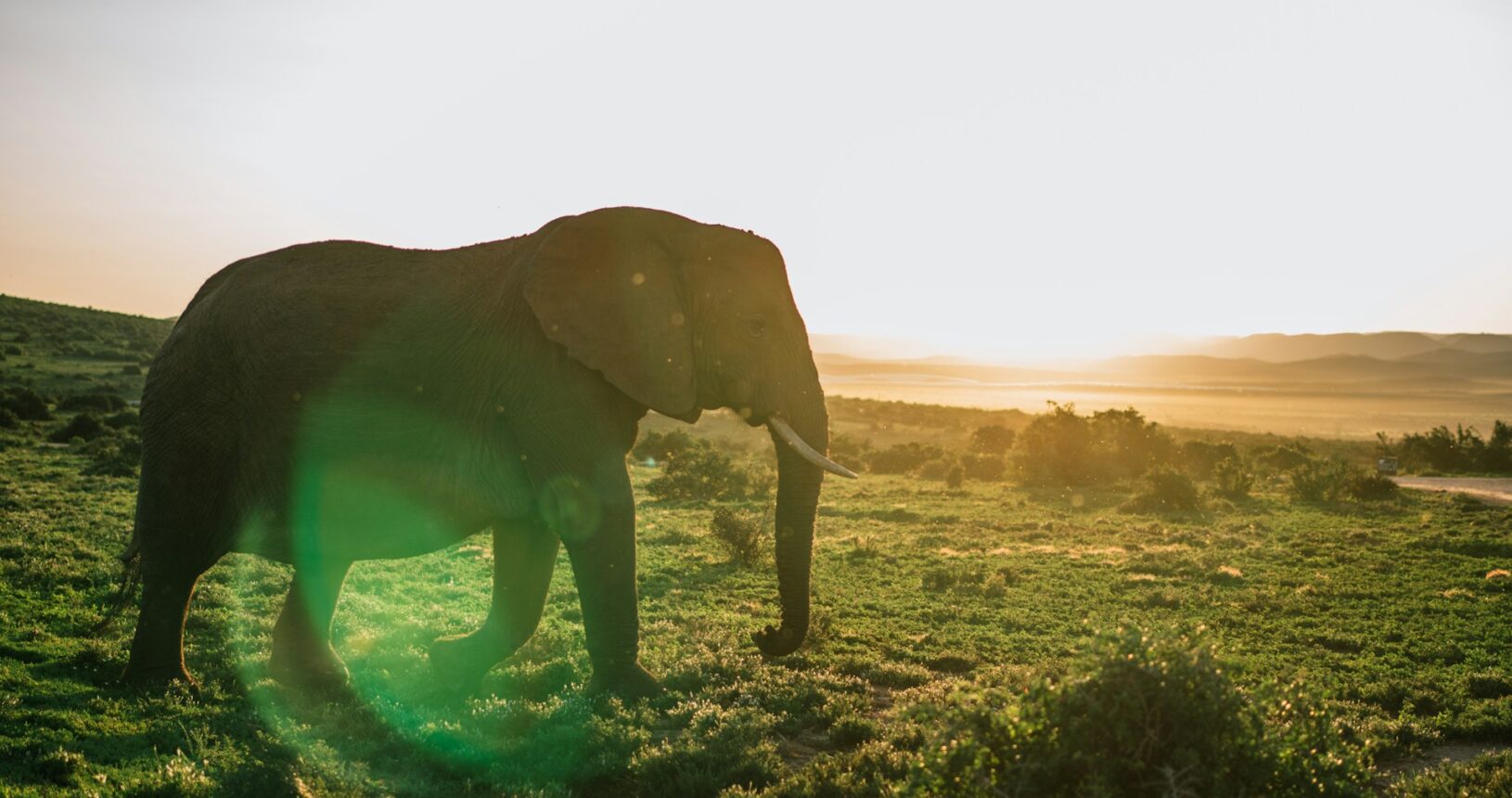
Elephants frequently dominate waterhole scenes, arriving in family herds to drink and cool off. Lions patrol open plains and often appear near water sources in the early morning and late afternoon.
Rhino sightings in Etosha are among the most significant conservation success stories in Big Five Namibia, with black rhinos especially protected through strict monitoring and anti-poaching efforts. Leopards remain more elusive but appear in wooded areas and rocky sections of the park.
Although buffalo are less common in Etosha compared to wetter regions, occasional sightings still occur, particularly in northern sections during favorable conditions.
Damaraland: Desert-Adapted Big Five Encounters
Damaraland adds a completely different dimension to Big Five Namibia. This rugged and remote region does not offer traditional savannah viewing, but it provides some of the most remarkable adaptations of Big Five species.
Desert-adapted elephants roam through dry riverbeds, covering large distances in search of water and vegetation. These elephants have smaller herd structures and display unique survival behaviors suited to arid environments.
Black rhino tracking in Damaraland offers one of Africa’s most rewarding conservation experiences. Guided on foot by expert trackers, travelers follow signs through rocky landscapes until they encounter these endangered animals in their natural habitat.
While lions and leopards are present in the region, sightings remain rare and often occur in extremely remote wilderness areas where these predators have adapted to desert conditions.
Damaraland highlights how Big Five Namibia extends beyond traditional safari expectations into extreme ecological adaptation.
Zambezi Region: Namibia’s Buffalo and Elephant Stronghold
The Zambezi Region forms the wettest part of Namibia and plays a crucial role in completing Big Five Namibia sightings, particularly for buffalo and elephants.
Unlike the arid central and western regions, the Zambezi Region features rivers, floodplains, and wetlands that support dense wildlife populations. Large herds of buffalo move across grasslands, often alongside elephants, antelope species, and predators such as lions and leopards.
Elephants move freely between Namibia, Botswana, Zambia, and Angola, forming part of one of Africa’s largest transboundary populations. This region provides some of the best chances to see buffalo consistently, making it essential for travelers focusing on a complete Big Five experience.
Boat safaris along the Kwando and Zambezi rivers also enhance Big Five Namibia, offering close-up wildlife viewing from a water-based perspective.
Leopards in Namibia
Leopards remain the most elusive species in Big Five Namibia, but they exist across multiple regions including Etosha, private reserves, Damaraland, and parts of the Zambezi Region.
Their secretive nature means sightings depend heavily on timing, patience, and sometimes luck. Early morning and night drives offer the best chances of encountering them.
Private reserves often provide better leopard sightings than national parks due to controlled environments and lower vehicle density.
Despite their rarity, leopards remain a highlight for many travelers pursuing the complete Big Five experience.
Lions in Namibia
Lions represent one of the most exciting components of Big Five Namibia. Etosha National Park offers consistent lion sightings, especially near waterholes and open plains.
In desert regions such as Damaraland and the Skeleton Coast, desert-adapted lions survive in extremely harsh environments, hunting oryx, springbok, and smaller prey.
These desert lions are among the most studied and unique predator populations in Africa, demonstrating extraordinary behavioral adaptation.
Lion sightings in Namibia often feel more intimate due to lower tourist density compared to other African safari destinations.
Rhino Conservation in Namibia
Rhinos play a central role in Big Five Namibia, particularly black rhinos, which are among the most endangered mammals in the world.
Namibia has become a global leader in rhino conservation through community-based protection programs, private conservancies, and national park management.
Etosha National Park remains one of the most important strongholds for both black and white rhinos. In Damaraland, carefully managed tracking programs allow visitors to observe rhinos in the wild while supporting conservation efforts.
These initiatives have helped stabilize rhino populations and reduce poaching pressure significantly.
Elephants in Namibia
Elephants appear across multiple ecosystems in Big Five Namibia, making them one of the most commonly seen Big Five species in the country.
In Etosha, elephants gather at waterholes in large family groups. In Damaraland, they adapt to desert conditions, moving across dry riverbeds and remote valleys.
In the Zambezi Region, elephants thrive in lush river systems and often cross between neighboring countries.
This wide distribution makes elephant sightings highly reliable throughout Namibia.
Best Places for Big Five Safaris in Namibia
The most reliable destination for Big Five Namibia remains Etosha National Park due to its structured wildlife system and accessible waterholes.
Damaraland enhances the experience with desert-adapted species, especially rhinos and elephants. The Zambezi Region completes the Big Five list with buffalo and additional predator sightings.
Private reserves surrounding Etosha also improve chances of seeing elusive species such as leopards while offering more exclusive safari experiences.
Why Big Five Namibia Is Different
Big Five Namibia stands apart because it combines traditional safari wildlife with extreme desert adaptations. Instead of dense herds in lush savannahs, Namibia presents wildlife that survives across vast, open, and often harsh environments.
This creates a safari experience defined by space, silence, and authenticity. Animals appear in smaller groups, but sightings feel more natural and less influenced by tourism pressure.
Namibia’s conservation model also ensures that Big Five populations remain protected while supporting local communities.
In Africa’s national parks, every sunrise paints a masterpiece — where the wild’s call echoes across endless horizons. Visiting these parks is to witness nature in its purest form, a timeless dance that stirs the soul.
Steps to Book Your Southern Africa Tour
Choose Your Adventure
Confirm Your Booking
Begin Your Journey
Ready to plan your tailor-made safari?