
Gorongosa National Park
February 1, 2026
Inhambane and Tofo
February 1, 2026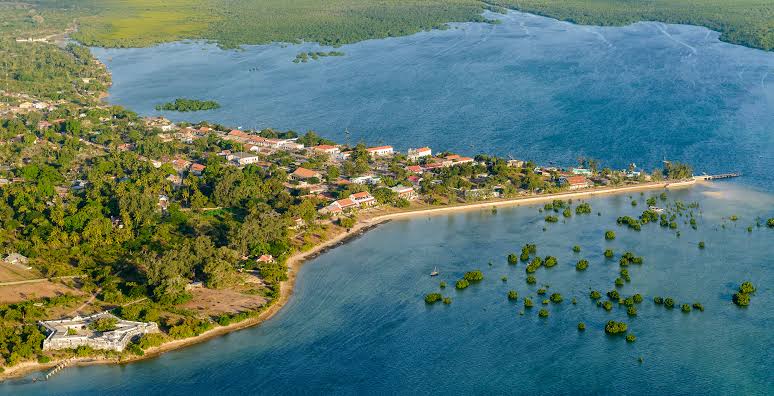
Ibo Island and the Quirimbas Archipelago
Ibo Island and the Quirimbas Archipelago offer one of the most authentic and unspoiled coastal experiences in Africa. Located in northern Mozambique, the Quirimbas Archipelago consists of 32 coral islands scattered across the warm waters of the Indian Ocean. These islands combine pristine beaches, rich marine biodiversity, centuries of history, and vibrant Swahili culture, creating a destination unlike any other in Southern Africa.
At the heart of the archipelago lies Ibo Island, a historic settlement that once served as an important trading port linking Africa, the Middle East, India, and Europe. Today, the island preserves its colonial architecture, cultural heritage, and traditional way of life while serving as the gateway to one of Mozambique’s most spectacular marine environments.
Unlike more developed island destinations, Ibo Island and the Quirimbas Archipelago remain relatively untouched by mass tourism. Visitors enjoy secluded beaches, world-class diving, dhow sailing, island hopping, and meaningful cultural experiences in a setting where nature still takes center stage.
Why Book This Destination
Explore More about Ibo Island and the Quirimbas Archipelago
Where Are Ibo Island and the Quirimbas Archipelago?
The Quirimbas Archipelago stretches for nearly 250 kilometers along Mozambique’s northern coastline in Cabo Delgado Province. The islands lie within the Quirimbas National Park, a protected area that conserves coral reefs, mangrove forests, seagrass beds, tropical forests, and coastal communities.
Ibo Island is one of the most accessible and historically significant islands in the archipelago. Travelers typically fly to Pemba, northern Mozambique’s main coastal city, before continuing by road and boat to Ibo Island.
The remote location has helped preserve the islands’ natural beauty and traditional lifestyle, making them an ideal destination for travelers seeking tranquility and authenticity.
The History of Ibo Island
The story of Ibo Island reflects centuries of trade, exploration, and cultural exchange.
Long before European arrival, Arab and Swahili traders established commercial networks along the East African coast, using Ibo as an important trading center. Goods such as gold, ivory, spices, and textiles passed through the island as merchants connected inland Africa with markets across the Indian Ocean.
The Portuguese later occupied the island during the sixteenth century, constructing forts, churches, and elegant colonial buildings that still stand today. Walking through Ibo’s narrow streets reveals beautifully weathered architecture that reflects African, Portuguese, and Arabic influences.
Today, local residents continue traditional crafts such as silver jewelry making, boat building, and fishing, preserving cultural practices that have defined island life for generations.
Exploring Ibo Island
A visit to Ibo Island offers far more than beautiful beaches. The island itself serves as an open-air museum where history and culture remain part of everyday life.
Walking tours through the old town reveal colonial-era mansions, historic forts, churches, and small local markets. Many buildings display intricate balconies, carved wooden doors, and coral stone construction that reflect centuries of architectural influence.
Visitors often meet local artisans who create handcrafted silver jewelry using traditional techniques passed down through generations. These workshops provide insight into one of Ibo’s most respected cultural traditions.
The island’s relaxed atmosphere encourages slow exploration, allowing travelers to connect with local communities while learning about Mozambique’s coastal heritage.
The Natural Beauty of the Quirimbas Archipelago
The Quirimbas Archipelago showcases some of the most spectacular coastal scenery in the Indian Ocean.
Each island features white-sand beaches fringed by coconut palms, while turquoise lagoons stretch toward vibrant coral reefs. Sandbanks appear and disappear with the tides, creating constantly changing seascapes that photographers find particularly captivating.
Mangrove forests line parts of the coastline, supporting important marine ecosystems and protecting the islands from coastal erosion. Inland vegetation includes tropical forests that provide habitat for birds, small mammals, and reptiles.
The absence of large-scale development allows visitors to experience an extraordinary sense of peace and natural beauty.
Marine Life and Diving
One of the greatest attractions of Ibo Island and the Quirimbas Archipelago is the incredible marine biodiversity.
The surrounding coral reefs support hundreds of fish species, sea turtles, reef sharks, rays, octopuses, and colorful invertebrates. Healthy coral gardens provide exceptional snorkeling and diving opportunities throughout much of the year.
Divers frequently encounter green turtles, hawksbill turtles, eagle rays, and large schools of reef fish. During certain seasons, humpback whales migrate through nearby waters, while dolphins regularly accompany boats traveling between islands.
Because tourism remains relatively limited, many dive sites feel untouched, offering peaceful underwater experiences with excellent visibility.
Island Hopping Adventures
Island hopping ranks among the most rewarding experiences in the Quirimbas Archipelago.
Traditional wooden dhow boats and modern speedboats transport visitors between remote islands, each offering its own character and landscape. Some islands remain completely uninhabited, while others support small fishing communities that continue traditional ways of life.
Many excursions include snorkeling stops, beach picnics, sandbank visits, and opportunities to swim in crystal-clear lagoons.
The slow pace of island hopping allows travelers to appreciate the archipelago’s remarkable diversity while enjoying uninterrupted views across the Indian Ocean.
Cultural Experiences
Culture remains one of the defining characteristics of Ibo Island and the Quirimbas Archipelago.
Fishing villages continue to rely on traditional wooden dhows that have sailed these waters for centuries. Visitors can observe local fishermen returning with their daily catch or watch skilled craftsmen build and repair boats using age-old methods.
Swahili traditions remain visible in local architecture, cuisine, music, and daily customs. Fresh seafood, coconut-based dishes, cassava, and tropical fruits feature prominently in local meals.
Community visits provide opportunities to learn about island life while supporting locally owned businesses and cultural preservation initiatives.
Wildlife and Nature
Beyond marine life, the Quirimbas Archipelago supports a variety of coastal wildlife.
Mangrove ecosystems provide nursery habitats for numerous fish species while attracting kingfishers, herons, egrets, and other waterbirds. Coastal forests shelter monkeys, small antelope, and reptiles adapted to tropical island environments.
Sea turtles regularly nest on several beaches within the archipelago, making conservation efforts particularly important for protecting these endangered species.
Birdwatchers will find excellent opportunities to observe both resident and migratory birds across the islands.
Best Time to Visit
The best time to visit Ibo Island and the Quirimbas Archipelago falls between May and October, during Mozambique’s dry season.
These months bring pleasant temperatures, lower humidity, calm seas, and excellent conditions for diving, snorkeling, sailing, and island excursions.
From November to April, warmer temperatures and occasional rainfall create lush tropical scenery. Marine life remains abundant, although sea conditions may become less predictable during periods of stronger winds or heavy rain.
Travelers interested in whale watching should consider visiting between July and October, when humpback whales migrate along the Mozambican coast.
Accommodation in the Quirimbas Archipelago
Accommodation throughout the Quirimbas Archipelago ranges from boutique heritage hotels on Ibo Island to exclusive island lodges offering luxury beachfront villas.
Many properties emphasize sustainability, blending naturally into their surroundings while supporting local employment and conservation initiatives.
Guests often enjoy personalized service, fresh seafood cuisine, private beach access, and tailor-made excursions that showcase both the natural and cultural attractions of the islands.
The relatively small number of accommodations helps preserve the peaceful atmosphere that defines the archipelago.
Why Visit Ibo Island and the Quirimbas Archipelago?
Ibo Island and the Quirimbas Archipelago offer an experience that combines history, culture, marine adventure, and natural beauty in one remarkable destination.
Unlike more commercial tropical islands, the Quirimbas remain authentic and uncrowded. Visitors can explore centuries-old streets, dive vibrant coral reefs, sail traditional dhows, meet welcoming local communities, and relax on beaches where they may not encounter another traveler for hours.
This combination of heritage and wilderness creates one of Mozambique’s most rewarding travel experiences.
Conclusion
Ibo Island and the Quirimbas Archipelago represent one of Africa’s last truly undiscovered island destinations. Their pristine beaches, vibrant coral reefs, fascinating history, and rich cultural traditions create a journey that extends far beyond a typical beach holiday.
Whether you spend your days wandering the historic streets of Ibo Island, diving among colorful reefs, sailing across turquoise waters, or discovering secluded islands, every experience reflects the timeless beauty and authenticity of northern Mozambique.
For travelers seeking a destination that blends tropical paradise with cultural depth and world-class marine adventures, Ibo Island and the Quirimbas Archipelago remain among Mozambique’s most extraordinary treasures.
In Africa’s national parks, every sunrise paints a masterpiece — where the wild’s call echoes across endless horizons. Visiting these parks is to witness nature in its purest form, a timeless dance that stirs the soul.
Steps to Book Your Southern Africa Tour
Choose Your Adventure
Confirm Your Booking
Begin Your Journey
Ready to plan your tailor-made safari?