Bazaruto Island
February 1, 2026
Ibo Island and the Quirimbas Archipelago
February 1, 2026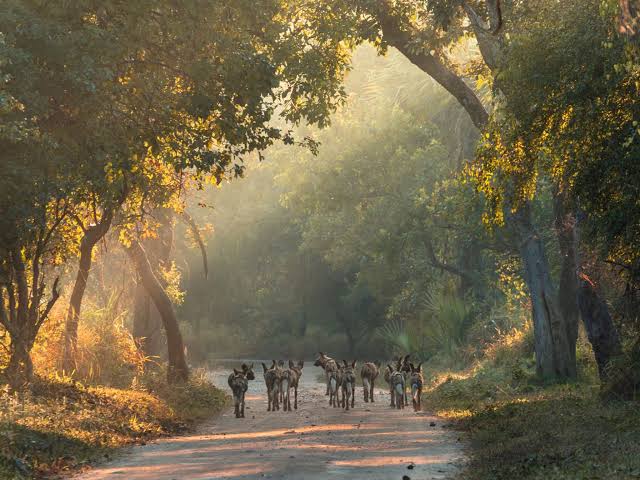
Gorongosa National Park
Gorongosa National Park is the premier safari destination in Mozambique and one of Africa’s most remarkable conservation success stories. Located at the southern end of the Great East African Rift Valley, the park covers approximately 4,067 square kilometers (1,570 square miles) of diverse ecosystems, including floodplains, savannahs, woodlands, forests, rivers, and wetlands. This incredible variety of habitats supports an impressive concentration of wildlife, making Gorongosa one of Southern Africa’s most rewarding places for a safari.
Although civil conflict devastated the park's wildlife during the late twentieth century, decades of dedicated conservation and restoration have transformed Gorongosa National Park into a thriving ecosystem once again. Today, visitors can witness growing populations of elephants, lions, buffalo, antelope, hippos, crocodiles, and hundreds of bird species while supporting one of the continent’s most ambitious wildlife recovery projects.
For travelers seeking an authentic safari away from crowded destinations, Gorongosa National Park offers exceptional wildlife viewing, breathtaking scenery, and a meaningful connection to conservation.
Why Book This Destination
Explore More about Gorongosa National Park
Where Is Gorongosa National Park?
Gorongosa National Park lies in central Mozambique within Sofala Province, approximately 200 kilometers northwest of the coastal city of Beira. The park occupies a strategic ecological position between the Zambezi River basin and the mountains of central Mozambique, allowing numerous habitats to exist within a relatively compact area.
Its location makes the park accessible by domestic flights to Beira followed by a scenic road transfer. Some travelers also combine Gorongosa with Mozambique's Indian Ocean beaches, creating a unique safari-and-coast itinerary that showcases two very different sides of the country.
The park's landscape is dominated by the Gorongosa Mountain massif, extensive floodplains, seasonal rivers, and open grasslands that change dramatically throughout the year.
The History of Gorongosa National Park
The story of Gorongosa National Park reflects both tragedy and remarkable recovery.
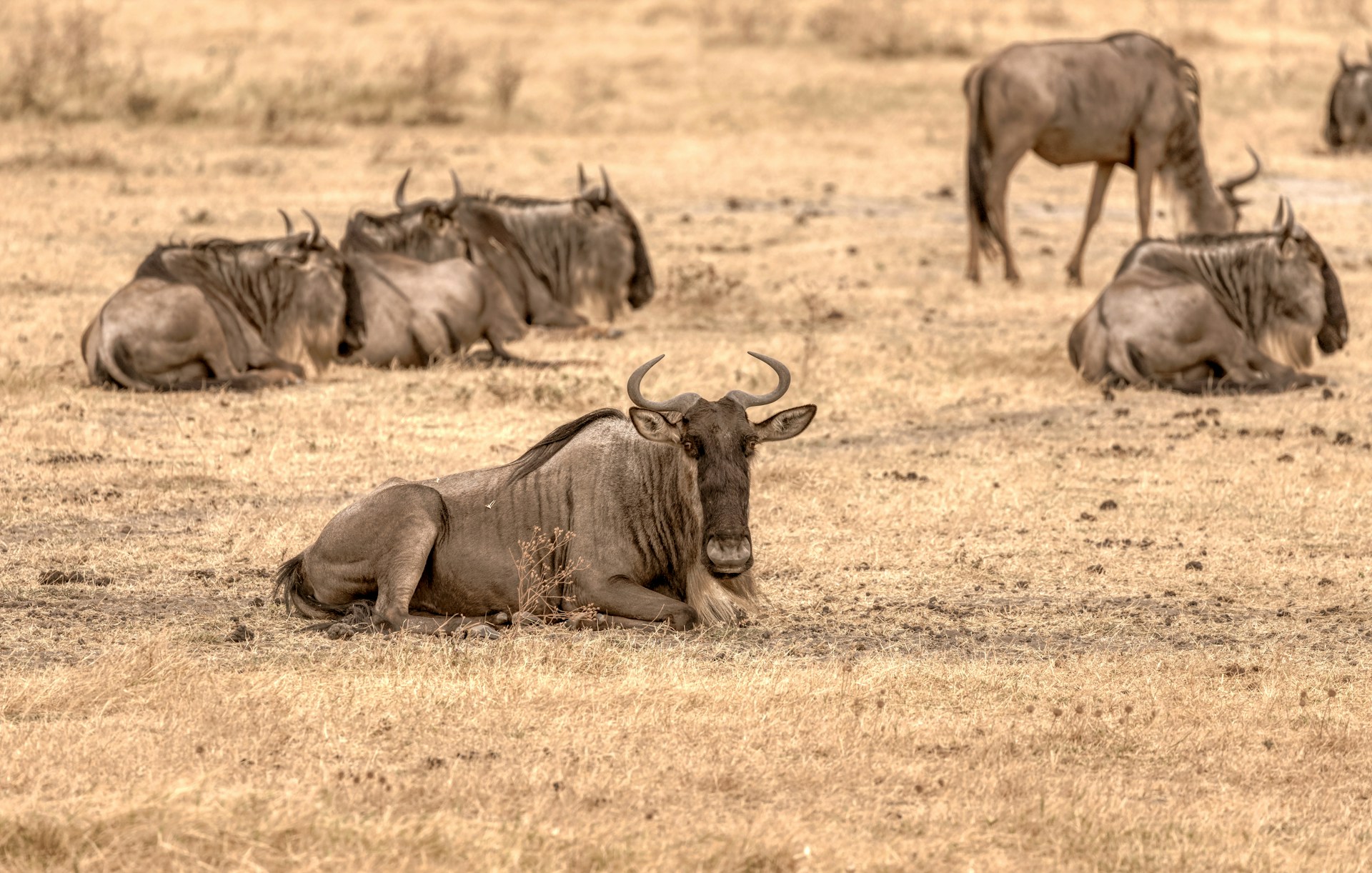
The park became a protected area in the early twentieth century and quickly gained recognition as one of Africa's finest wildlife destinations. During the 1960s and early 1970s, visitors regularly encountered enormous herds of elephants, buffalo, wildebeest, zebra, and numerous predators.
However, Mozambique's civil war between 1977 and 1992 severely affected the park. Poaching for food and ivory dramatically reduced wildlife populations, while park infrastructure suffered extensive damage. Many iconic species declined by more than ninety percent.
A turning point came in 2004 when the Government of Mozambique partnered with the Gorongosa Restoration Project, launching one of Africa's largest ecosystem restoration initiatives. Since then, extensive wildlife monitoring, habitat restoration, scientific research, anti-poaching operations, and community development programs have helped restore the park's ecological balance.
Today, Gorongosa stands as an international model for conservation-led tourism.
Wildlife in Gorongosa National Park
One of the greatest attractions of Gorongosa National Park is its rapidly recovering wildlife population.
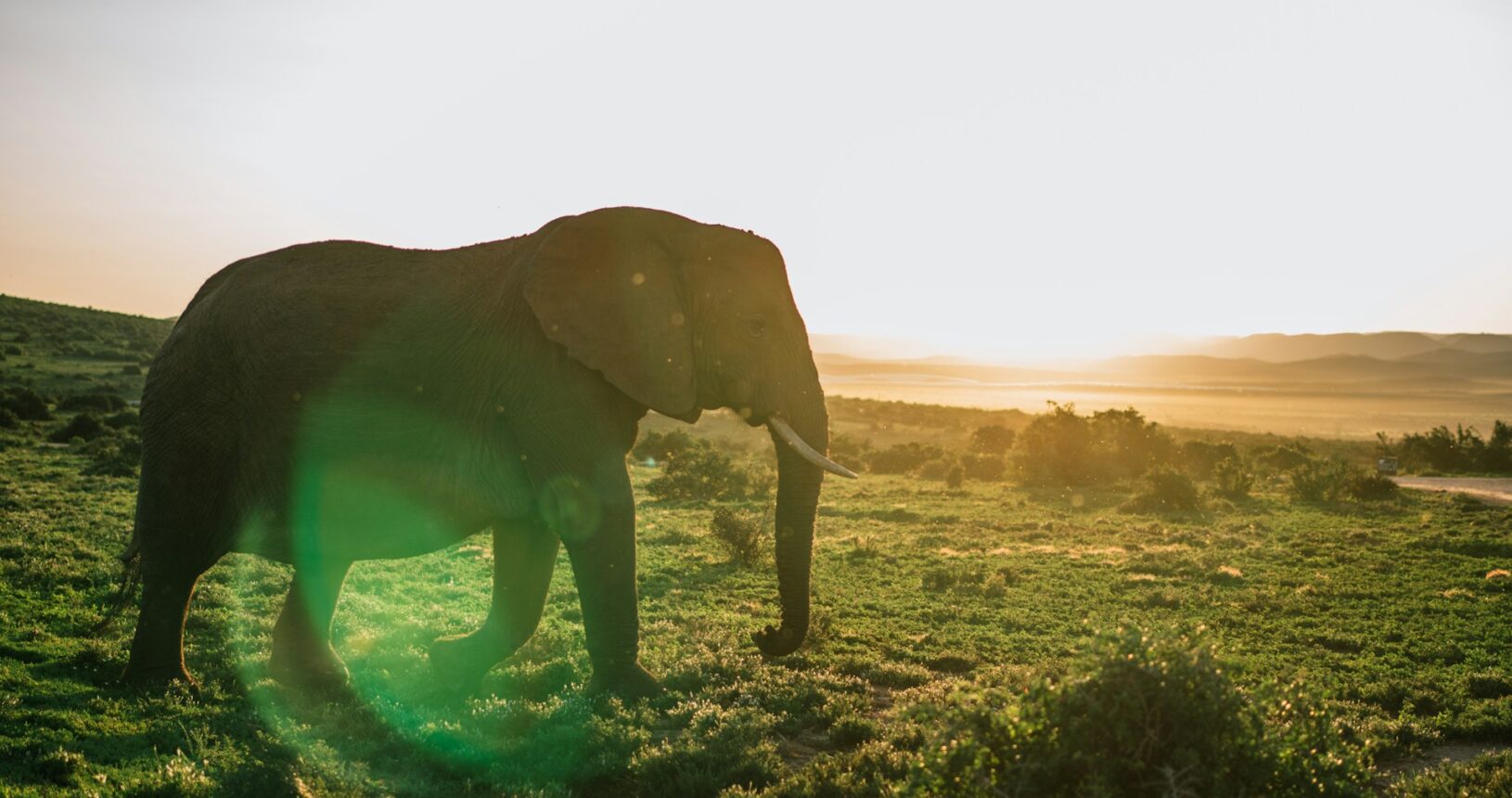
Elephants roam the floodplains and woodlands in growing numbers, while large herds of buffalo once again graze across the open grasslands. Waterbuck have become one of the park's conservation success stories, with populations increasing dramatically over the past two decades.
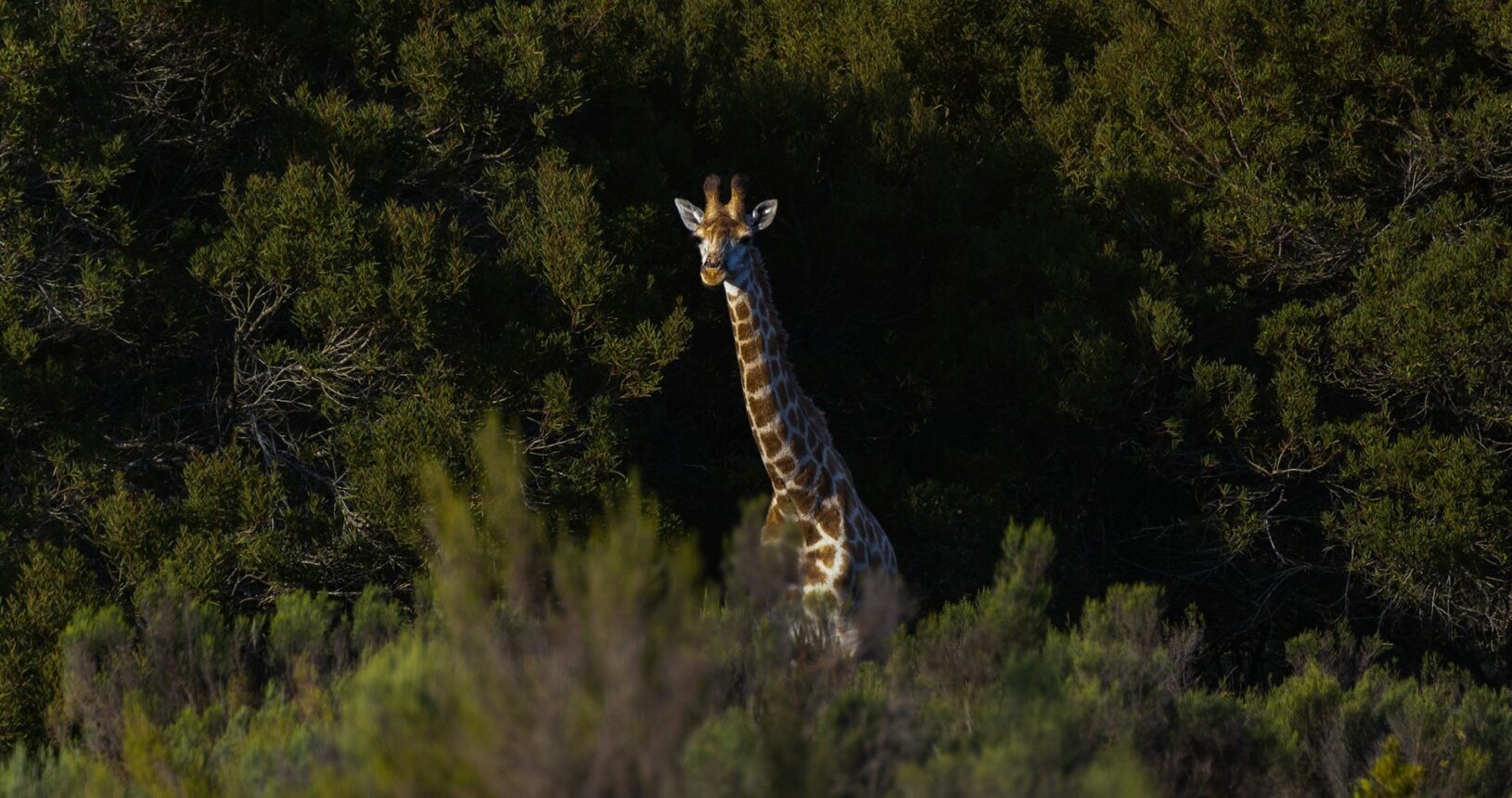
Visitors also encounter bushbuck, kudu, impala, reedbuck, sable antelope, nyala, warthogs, bush pigs, and numerous smaller mammals throughout the park.
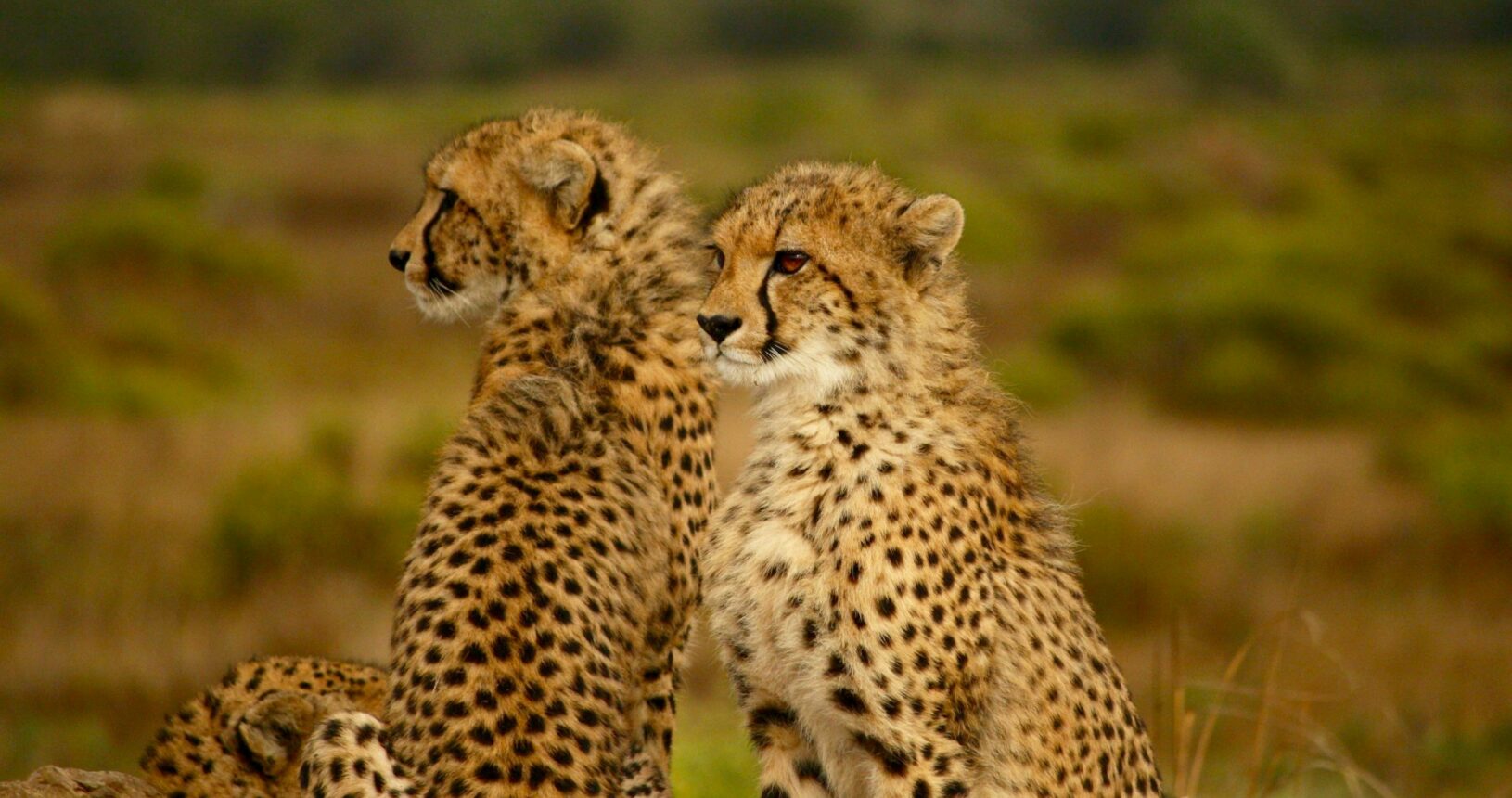
Predators continue to recover steadily. Lions are among the park's most celebrated species and frequently appear during game drives. Leopards remain elusive but inhabit woodland areas, while spotted hyenas contribute to the park's healthy predator-prey dynamics.
Hippos occupy rivers and floodplains throughout the year, and Nile crocodiles bask along riverbanks and wetlands.
Every safari offers different wildlife encounters because animals move naturally through the park's diverse ecosystems rather than concentrating around heavily developed tourist areas.
Birdlife in Gorongosa National Park
Gorongosa National Park is widely regarded as one of Africa's finest birdwatching destinations.
The park has recorded more than 500 bird species, thanks to its remarkable diversity of habitats. Floodplains, forests, rivers, wetlands, and grasslands each support specialized bird communities.
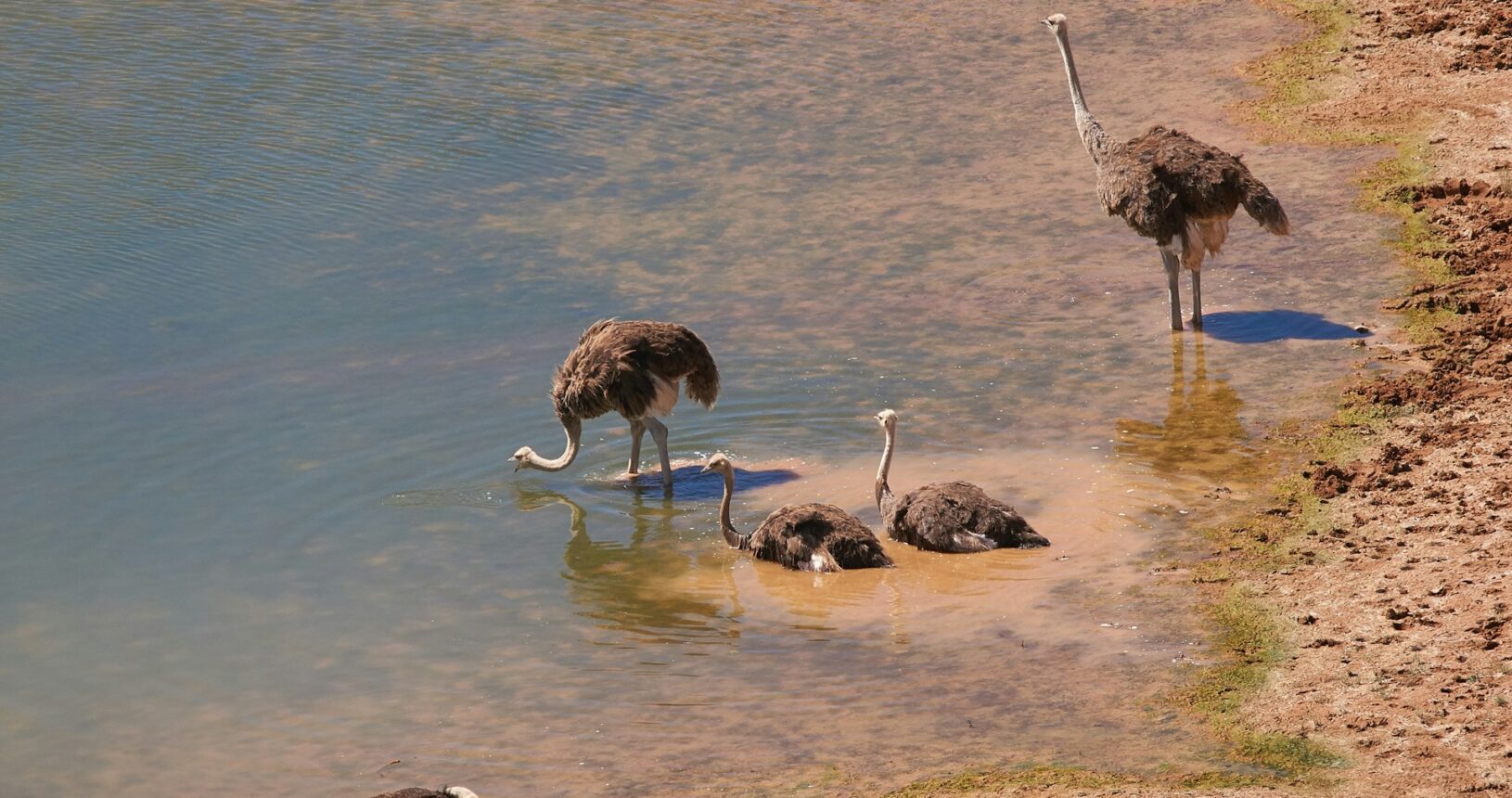
Visitors regularly observe African fish eagles soaring above waterways, while saddle-billed storks, herons, kingfishers, bee-eaters, hornbills, rollers, and secretary birds appear throughout the park.
Seasonal migrations add even greater diversity during certain months, making Gorongosa a year-round destination for bird enthusiasts and wildlife photographers.
Landscapes and Ecosystems
The diversity of landscapes distinguishes Gorongosa National Park from many other African safari destinations.
The central floodplain serves as the ecological heart of the park. Seasonal flooding nourishes vast grasslands that attract herbivores and create feeding grounds for predators.
Miombo woodlands cover large sections of the park and provide habitat for elephants, antelope, and numerous bird species.
River systems support hippos, crocodiles, and aquatic birds, while patches of rainforest on nearby Mount Gorongosa contain rare plant species and endemic wildlife found nowhere else in Mozambique.
This ecological diversity allows visitors to experience dramatically different environments within a single safari.
Safari Activities in Gorongosa National Park
Game drives remain the most popular way to explore Gorongosa National Park.
Morning drives begin shortly after sunrise when temperatures remain cool and wildlife is highly active. Late afternoon drives offer another excellent opportunity to observe animals as they emerge to feed before sunset.
Walking safaris provide a completely different perspective, allowing guests to examine animal tracks, native plants, insects, and smaller wildlife that often go unnoticed from vehicles. These guided walks deepen visitors' understanding of the park's complex ecosystems.
Birdwatching excursions attract enthusiasts throughout the year, while photographic safaris benefit from the park's diverse scenery and relatively uncrowded wildlife sightings.
Some visitors also explore Mount Gorongosa, where guided hikes reveal waterfalls, forests, and exceptional panoramic views across the surrounding landscape.
Conservation and Community Development
Conservation defines every aspect of Gorongosa National Park.
The Gorongosa Restoration Project extends far beyond wildlife protection. It supports scientific research, ecological monitoring, education, healthcare, sustainable agriculture, and employment opportunities for communities living around the park.
Local residents participate actively in conservation through environmental education, eco-tourism, and community-based development initiatives that improve livelihoods while protecting natural resources.
Researchers continue to study everything from predator behavior and plant diversity to insect populations and climate resilience, making Gorongosa one of Africa's leading centers for conservation science.
This integrated approach demonstrates that wildlife conservation and community development can succeed together.
Best Time to Visit Gorongosa National Park
The dry season, from May to October, provides the best conditions for visiting Gorongosa National Park.
During these months, vegetation becomes less dense, wildlife gathers around permanent water sources, and roads remain easily accessible. Comfortable daytime temperatures also improve game drive conditions.
The green season, from November to April, transforms the park into a lush landscape filled with flowers, flowing rivers, and abundant birdlife. Although wildlife disperses across the park, photographers and birdwatchers often prefer this vibrant season.
Travelers should note that heavy rainfall may affect accessibility in some parts of the park during peak rainy months.
Accommodation in Gorongosa National Park
Accommodation in Gorongosa National Park ranges from comfortable safari lodges to luxury tented camps that blend into the surrounding wilderness.
Many properties emphasize sustainability by minimizing environmental impact while providing modern comforts such as spacious rooms, quality dining, and experienced guiding services.
Guests often enjoy panoramic views over floodplains or nearby rivers, creating excellent opportunities to observe wildlife without leaving the lodge.
The intimate scale of most accommodations enhances the feeling of exclusivity and allows visitors to experience the park without large tourist crowds.
Why Visit Gorongosa National Park?
Gorongosa National Park offers far more than a traditional safari. It combines exceptional wildlife viewing with one of the world's most inspiring conservation stories, allowing visitors to witness a landscape that continues to recover through science, community partnership, and sustainable tourism.
The park's diverse habitats, uncrowded game drives, remarkable birdlife, and authentic wilderness atmosphere create an experience that differs significantly from more commercial safari destinations.
Travelers who value meaningful conservation, ecological diversity, and genuine wilderness will find Gorongosa to be one of Southern Africa's most rewarding safari destinations.
Conclusion
Gorongosa National Park stands as the beating heart of Mozambique's wildlife tourism and a powerful symbol of ecological restoration. From its thriving elephant herds and recovering lion population to its floodplains filled with birds and antelope, every part of the park reflects the resilience of nature when given the opportunity to recover.
Whether you visit for game drives, birdwatching, photography, walking safaris, or simply to experience one of Africa's greatest conservation achievements, Gorongosa National Park delivers an authentic and unforgettable safari.
For anyone planning a journey through Mozambique, Gorongosa is more than a national park—it is a living example of how conservation, wildlife, and local communities can work together to create a sustainable future for generations to come.
In Africa’s national parks, every sunrise paints a masterpiece — where the wild’s call echoes across endless horizons. Visiting these parks is to witness nature in its purest form, a timeless dance that stirs the soul.
Steps to Book Your Southern Africa Tour
Choose Your Adventure
Confirm Your Booking
Begin Your Journey
Ready to plan your tailor-made safari?