Laikipia Plateau
February 10, 2026
Mara Naboisho Conservancy
February 10, 2026
Lewa Conservancy
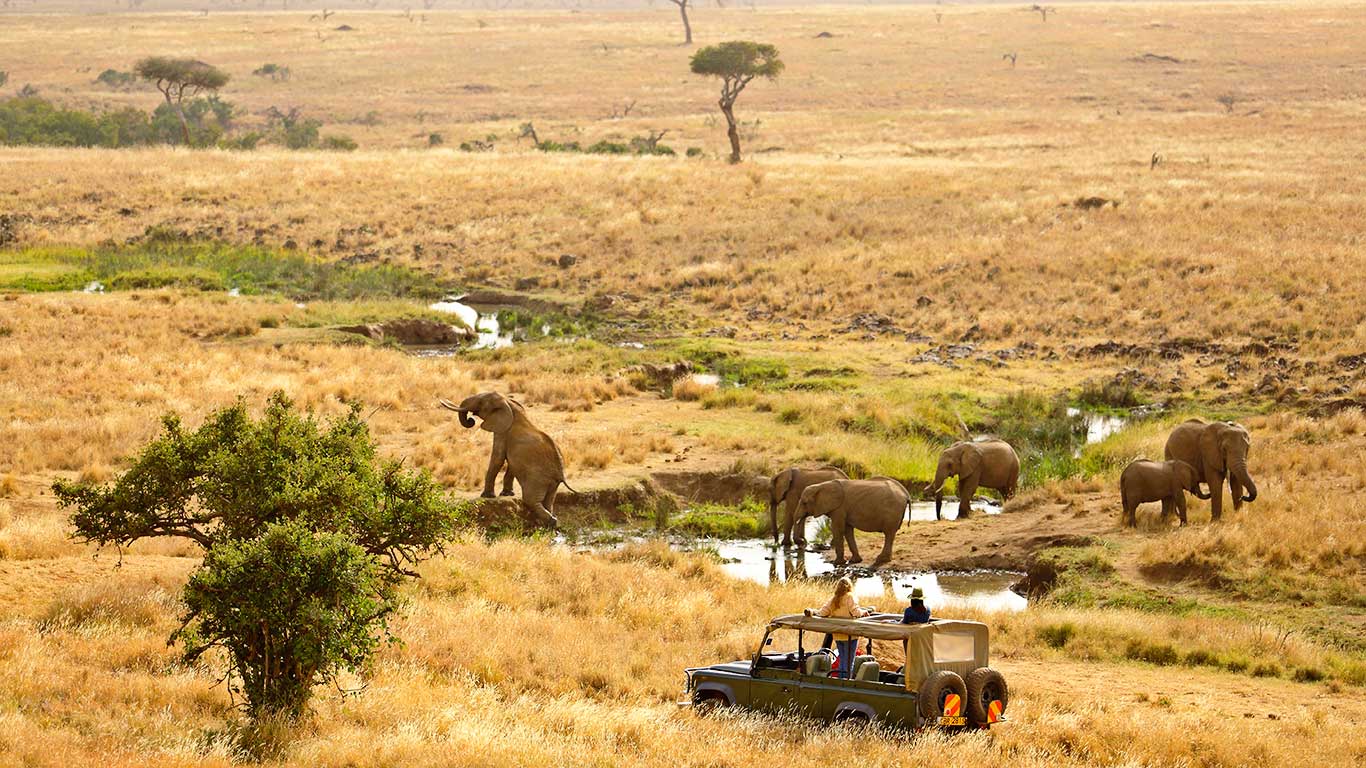
Lewa Wildlife Conservancy is one of Kenya’s most successful conservation landscapes, located on the northern slopes of Mount Kenya within the greater Laikipia Plateau. Known for its pioneering wildlife protection initiatives and community-based conservation model, Lewa has become an internationally recognized example of how tourism, conservation, and community development can work together.
The conservancy protects endangered species, including black rhino, white rhino, and Grevy’s zebra, while offering visitors an exclusive safari experience in a pristine wilderness environment. With limited visitor numbers and carefully managed tourism activities, Lewa provides an intimate and rewarding safari destination.
Why Book This Destination
Explore More about Lewa Conservancy
Location and Landscape
Lewa Conservancy lies in northern Kenya approximately 250 kilometers from Nairobi. The conservancy covers over 60,000 acres of protected land that forms part of the wider Laikipia ecosystem.
The landscape consists of rolling grasslands, acacia woodland, and scenic hills that offer sweeping views of Mount Kenya to the south and the arid plains of northern Kenya to the north. Several rivers and seasonal streams flow through the conservancy, creating diverse habitats that support a wide variety of wildlife.
This combination of open savannah and wooded valleys makes Lewa both visually dramatic and ecologically rich.
Wildlife in Lewa Conservancy
Lewa is particularly famous for its rhino conservation efforts. The conservancy protects both black and white rhinoceros, making it one of the most important rhino sanctuaries in East Africa. Intensive protection measures and conservation management have helped the rhino population grow steadily over the years.
In addition to rhinos, Lewa supports elephants, lions, cheetahs, leopards, giraffes, buffalo, and numerous antelope species. The conservancy is also one of the most important habitats for the endangered Grevy’s zebra, which is rarely found in large numbers elsewhere.
Because tourism is carefully controlled, wildlife sightings are often relaxed and uncrowded, enhancing the safari experience.
Conservation and Community Impact
Lewa Conservancy has gained global recognition for its conservation achievements. The organization works closely with neighboring communities to ensure that wildlife protection benefits local livelihoods. Programs supported by the conservancy include education initiatives, healthcare services, and sustainable land management projects.
Tourism revenue helps fund anti-poaching patrols, wildlife monitoring, and habitat restoration efforts. The conservancy also maintains important wildlife corridors that allow animals to move freely between protected areas in the Laikipia region.
This integrated approach demonstrates how conservation can support both biodiversity and human development.
Safari Activities
Safari activities in Lewa Conservancy extend beyond traditional game drives. Guided drives allow visitors to explore the diverse habitats while observing wildlife and learning about conservation programs from experienced guides.
Walking safaris provide an opportunity to experience the landscape on foot while tracking wildlife and discovering smaller elements of the ecosystem such as plants and insects. Horseback safaris are another unique activity offered in Lewa, allowing riders to move quietly through the savannah alongside wildlife.
Camel treks and scenic flights over the conservancy may also be arranged, offering different perspectives of the landscape.
Birdlife
Lewa Conservancy is also an important birding destination with more than 400 bird species recorded within the area. Raptors such as martial eagles and African fish eagles are commonly seen soaring above the plains, while smaller birds inhabit woodland and wetland habitats.
The presence of rivers, grasslands, and forest patches creates varied ecological niches that support both resident and migratory bird populations.
Bird enthusiasts often find Lewa particularly rewarding due to the accessibility of different habitats.
Accommodation Options
Accommodation in Lewa Conservancy is limited to a small number of high-quality safari lodges and tented camps that emphasize comfort, privacy, and scenic views. Many of these properties overlook waterholes or open plains where wildlife gathers.
The exclusivity of these lodges ensures that visitors experience the conservancy’s wildlife without the crowds commonly found in larger national parks.
Many properties also emphasize sustainability through solar energy systems, water conservation measures, and environmentally responsible construction.
Best Time to Visit
Lewa Conservancy can be visited year-round, but the dry seasons between June and October and January to March generally provide the best wildlife viewing conditions. During these months animals tend to gather around water sources and vegetation becomes thinner, making wildlife easier to spot.
The green seasons bring lush landscapes and excellent birdwatching opportunities, creating attractive conditions for photographers and nature enthusiasts.
Seasonal changes provide different perspectives on the conservancy’s landscapes and wildlife.
Overall Safari Experience
Lewa Conservancy offers a safari experience that combines exceptional wildlife viewing with meaningful conservation impact. Its commitment to protecting endangered species and supporting local communities has made it one of Africa’s most respected conservation areas.
For travelers seeking an exclusive safari destination that balances luxury, wildlife encounters, and environmental responsibility, Lewa Conservancy provides one of the most rewarding safari experiences in Kenya.
In Africa’s national parks, every sunrise paints a masterpiece — where the wild’s call echoes across endless horizons. Visiting these parks is to witness nature in its purest form, a timeless dance that stirs the soul.
Steps to Book Your Southern Africa Tour
Choose Your Adventure
Confirm Your Booking
Begin Your Journey
Ready to plan your tailor-made safari?