Lewa Conservancy
February 10, 2026
Mara North Conservancy
February 10, 2026
Mara Naboisho Conservancy
Mara Naboisho Conservancy is one of the most successful community-based conservation areas within the greater Maasai Mara ecosystem. Established through a partnership between Maasai landowners and conservation organizations, the conservancy protects a vast landscape of rolling grasslands, acacia woodlands, and seasonal river valleys that support abundant wildlife.
Unlike the main Maasai Mara reserve, Mara Naboisho Conservancy maintains strict limits on visitor numbers and tourism activities. This controlled approach creates a more exclusive safari environment while ensuring that tourism revenue directly benefits local communities who have dedicated their land to wildlife conservation.
The conservancy has become known for exceptional predator sightings, peaceful safari experiences, and innovative conservation management.
Why Book This Destination
Explore More about Mara Naboisho Conservancy
Location and Landscape
Mara Naboisho Conservancy is located northeast of the Maasai Mara National Reserve in southwestern Kenya. Covering more than 50,000 acres of protected land, the conservancy forms part of the larger Serengeti–Mara ecosystem that supports one of the world’s greatest wildlife migrations.
The landscape is characterized by open savannah plains dotted with acacia trees, rocky outcrops, and seasonal streams that attract wildlife throughout the year. These varied habitats support large herbivore populations and create ideal hunting grounds for predators.
The gently rolling terrain provides excellent visibility, making wildlife viewing particularly rewarding.
Wildlife in Mara Naboisho Conservancy
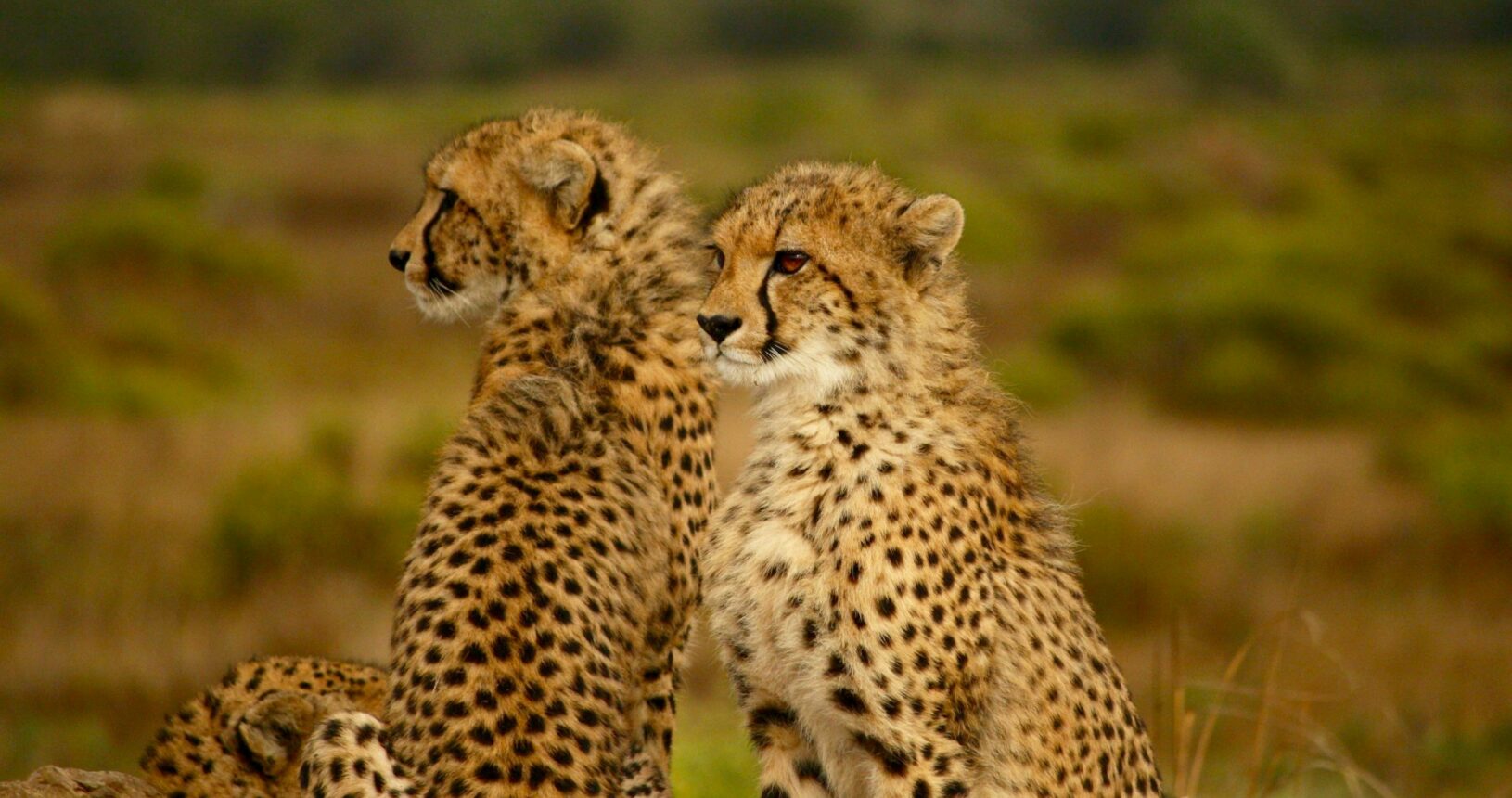
The conservancy is widely recognized for its high concentration of predators, especially lions. Several lion prides inhabit the area, and sightings of these powerful animals are common during safari drives. Cheetahs, hyenas, and leopards are also present, contributing to a dynamic predator ecosystem.
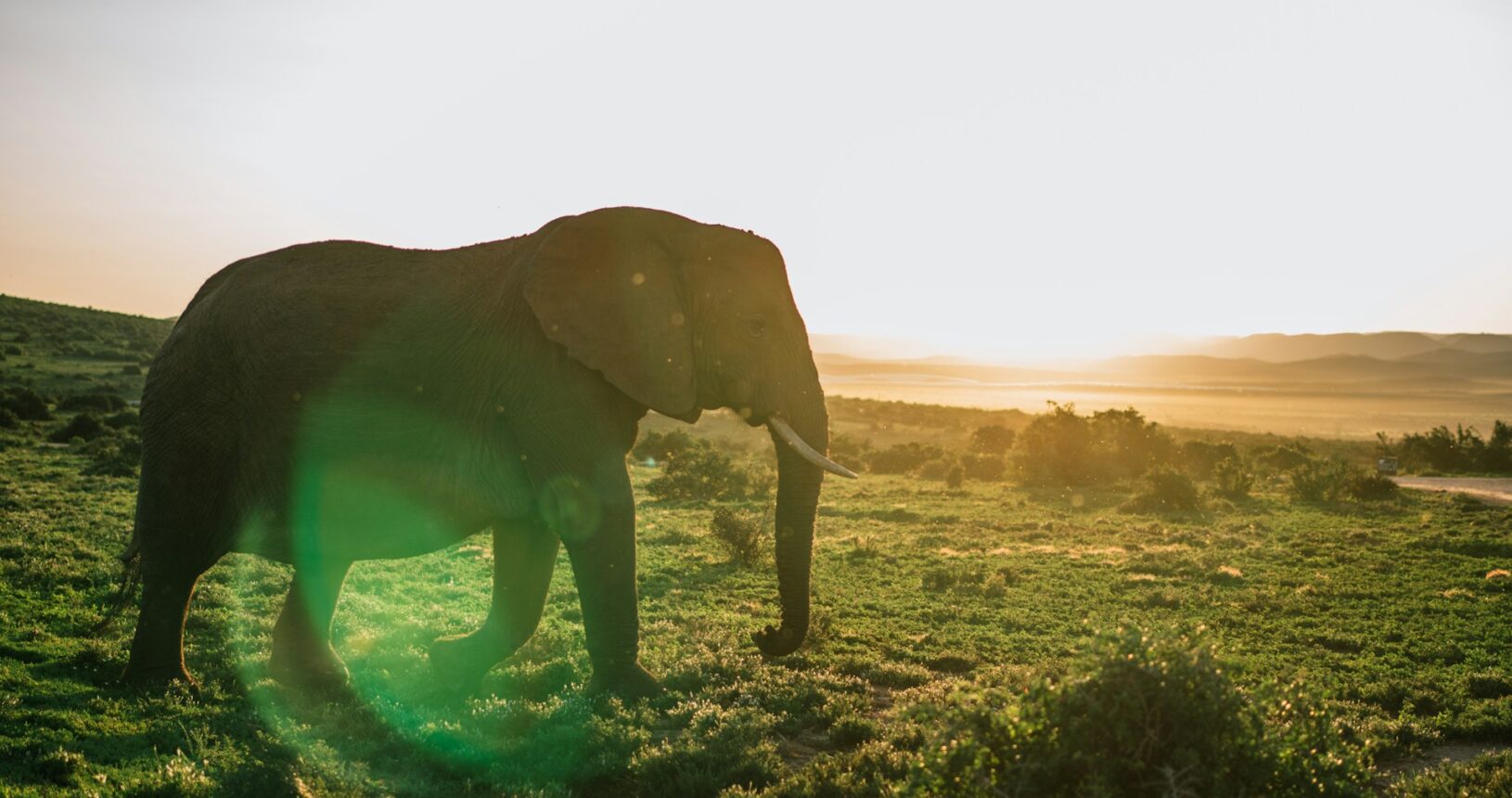
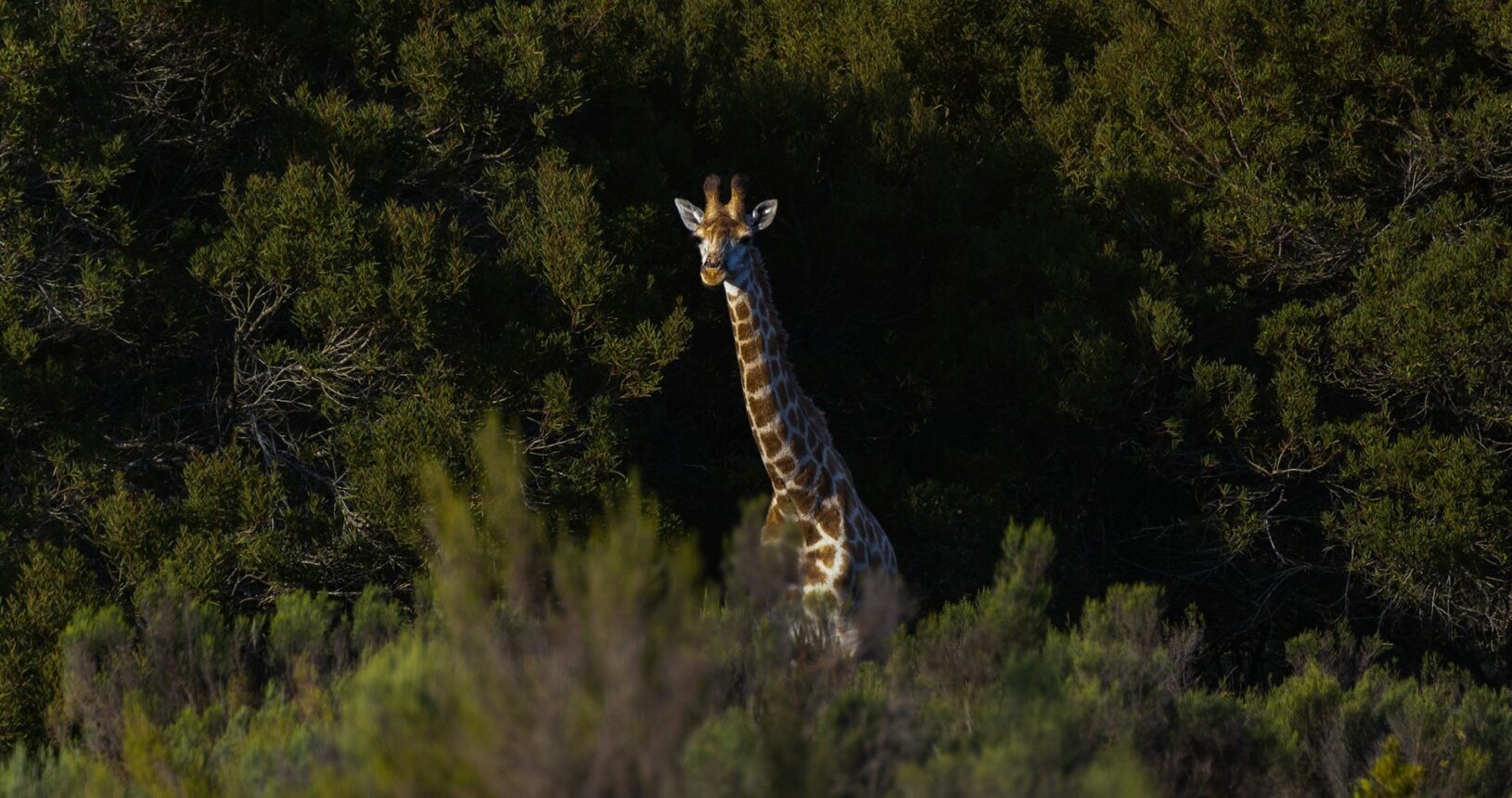
Large herbivore populations include elephants, giraffes, buffalo, zebras, and numerous antelope species. During the Great Migration season, herds of wildebeest and zebra pass through parts of the conservancy while moving between the Serengeti and Maasai Mara.
Because tourism is carefully managed, wildlife sightings often occur without large numbers of vehicles, creating a quieter and more natural safari experience.
Safari Activities
One of the major advantages of visiting Mara Naboisho Conservancy is the range of safari activities permitted within the area. In addition to traditional game drives, guests can participate in guided walking safaris that allow them to explore the savannah on foot while learning about tracking, plants, and ecosystem dynamics.
Night drives are also permitted, offering opportunities to observe nocturnal animals such as aardwolves, bush babies, genets, and civets. These activities provide a broader understanding of wildlife behavior beyond what is typically seen during daytime game drives.
Some lodges also offer cultural experiences with nearby Maasai communities, allowing visitors to learn about pastoral traditions and conservation partnerships.
Conservation Model
Mara Naboisho Conservancy represents an innovative conservation model based on collaboration between Maasai landowners and tourism operators. Instead of converting land to agriculture or livestock grazing alone, communities lease their land to the conservancy for wildlife protection and sustainable tourism.
This model generates income for local families while maintaining large areas of natural habitat for wildlife. Tourism revenue helps fund ranger patrols, wildlife monitoring programs, and community development initiatives such as schools and healthcare services.
The success of the conservancy demonstrates how community-driven conservation can protect ecosystems while improving local livelihoods.
Birdlife and Biodiversity
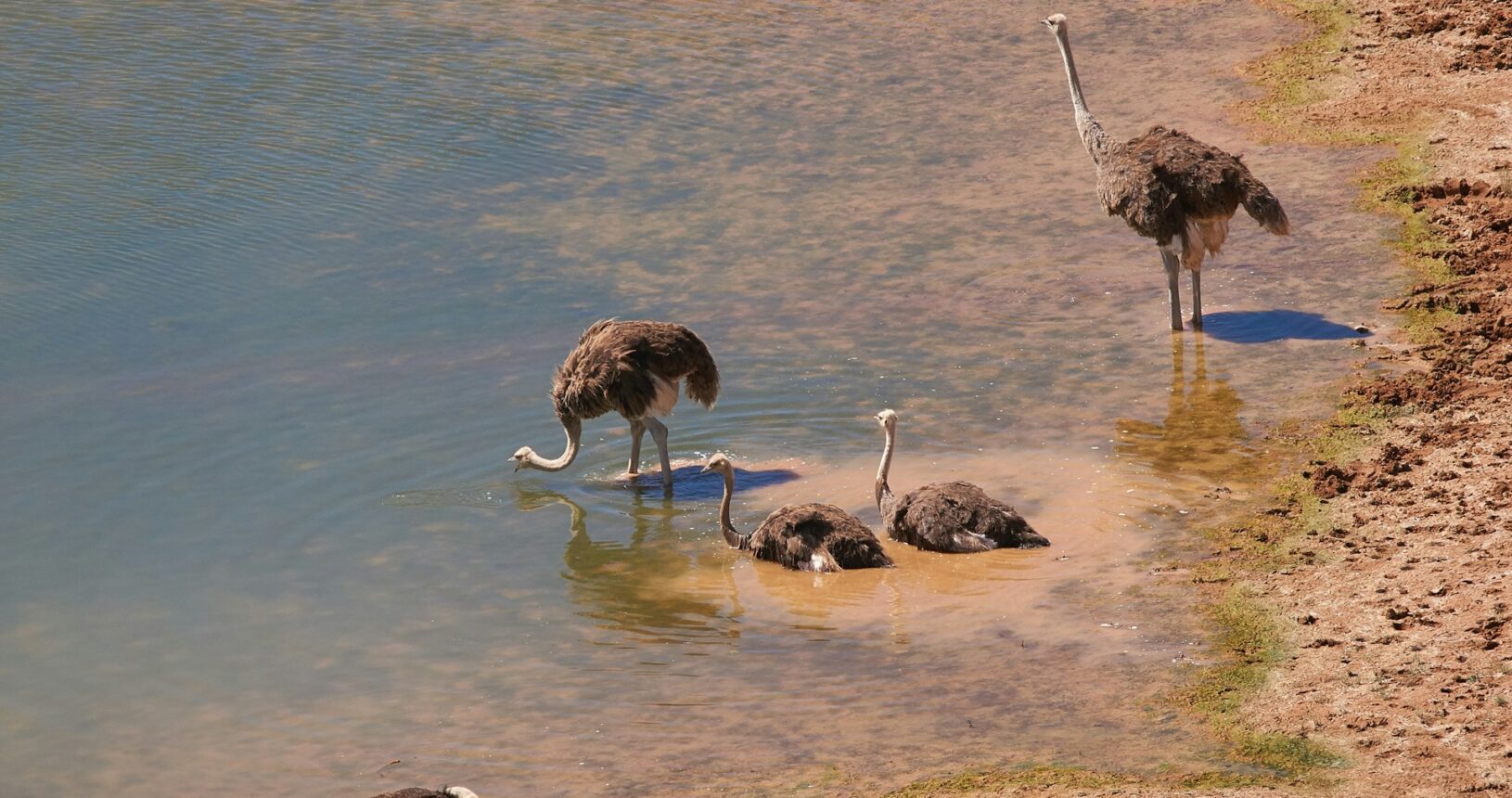
The diverse habitats within Mara Naboisho Conservancy support a wide range of bird species. Raptors such as eagles and vultures are commonly seen soaring above the plains, while smaller birds inhabit woodland and riverine environments.
The presence of grasslands, seasonal wetlands, and scattered trees creates a rich ecological mosaic that supports both resident and migratory bird species.
Birdwatchers visiting the conservancy often discover a surprising diversity of species alongside the more famous large mammals.
Accommodation in the Conservancy
Accommodation in Mara Naboisho Conservancy consists primarily of small luxury safari camps designed to minimize environmental impact and maintain exclusivity. These camps typically host a limited number of guests and are carefully integrated into the landscape.
Many camps overlook open plains or waterholes where wildlife frequently gathers. Their intimate size ensures personalized service and allows visitors to enjoy the wilderness without crowds.
The limited number of camps also helps maintain the conservancy’s peaceful atmosphere.
Best Time to Visit
Mara Naboisho Conservancy can be visited throughout the year, though the dry seasons between June and October and January to March generally provide the best wildlife viewing conditions. During these months animals gather around water sources and vegetation becomes thinner, improving visibility.
The migration season between July and October may bring herds of wildebeest and zebra through parts of the conservancy, though the main river crossings typically occur inside the Maasai Mara reserve.
The green seasons bring lush landscapes, dramatic skies, and excellent birdwatching opportunities.
Overall Safari Experience
Mara Naboisho Conservancy offers a safari experience defined by exclusivity, conservation success, and exceptional wildlife encounters. Its community-driven conservation model protects wildlife while supporting local Maasai livelihoods, creating a sustainable approach to tourism.
For travelers seeking a quieter and more immersive alternative to the main Maasai Mara reserve, Mara Naboisho Conservancy provides one of the most rewarding and responsible safari experiences in Kenya.
In Africa’s national parks, every sunrise paints a masterpiece — where the wild’s call echoes across endless horizons. Visiting these parks is to witness nature in its purest form, a timeless dance that stirs the soul.
Steps to Book Your Southern Africa Tour
Choose Your Adventure
Confirm Your Booking
Begin Your Journey
Ready to plan your tailor-made safari?