Amboseli National Park
February 10, 2026
Lewa Conservancy
February 10, 2026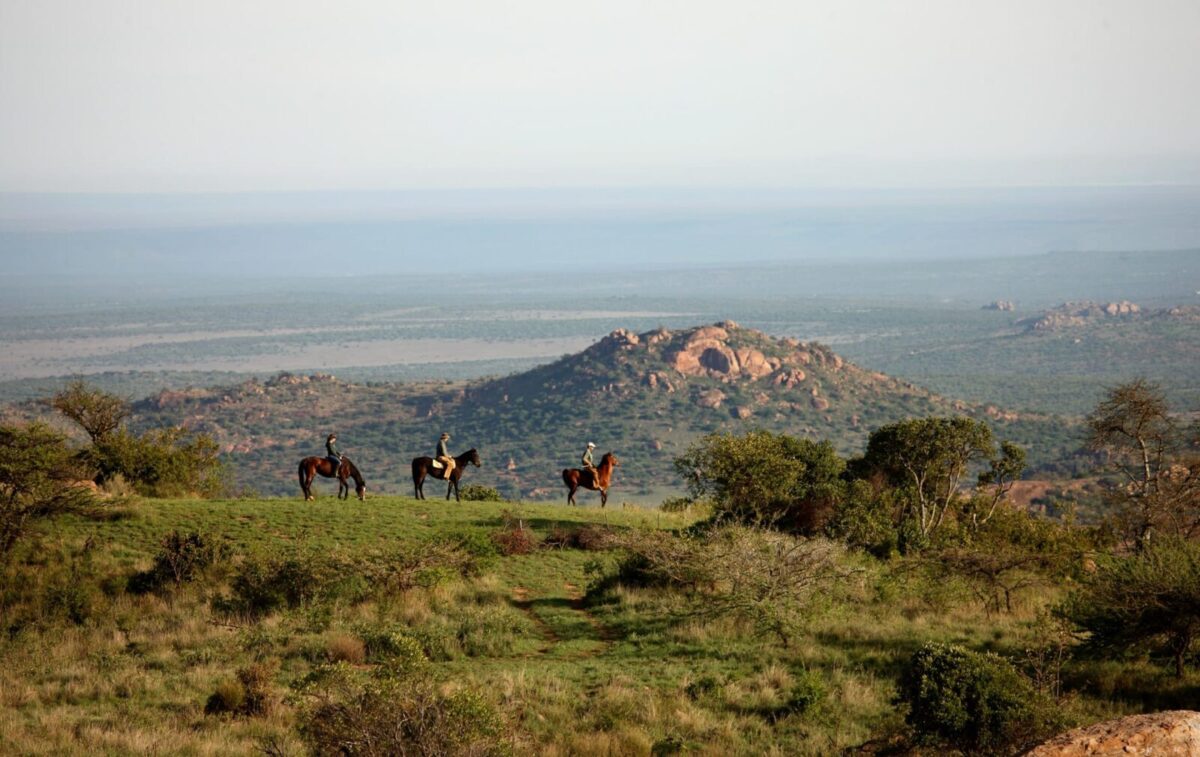
Laikipia Plateau
Laikipia Plateau is one of Kenya’s most diverse and innovative safari destinations, known for its vast open landscapes, thriving wildlife populations, and pioneering conservation initiatives. Located north of Mount Kenya, the plateau forms a large ecosystem made up of private conservancies, community lands, and wildlife reserves.
Unlike many traditional national parks, Laikipia operates through a network of privately managed conservancies where wildlife conservation, sustainable tourism, and local community partnerships are closely linked. This approach has helped create one of East Africa’s most successful conservation landscapes.
The region offers an exclusive safari experience characterized by low visitor density, varied activities, and remarkable biodiversity.
Why Book This Destination
Explore More about Laikipia Plateau
Location and Geography
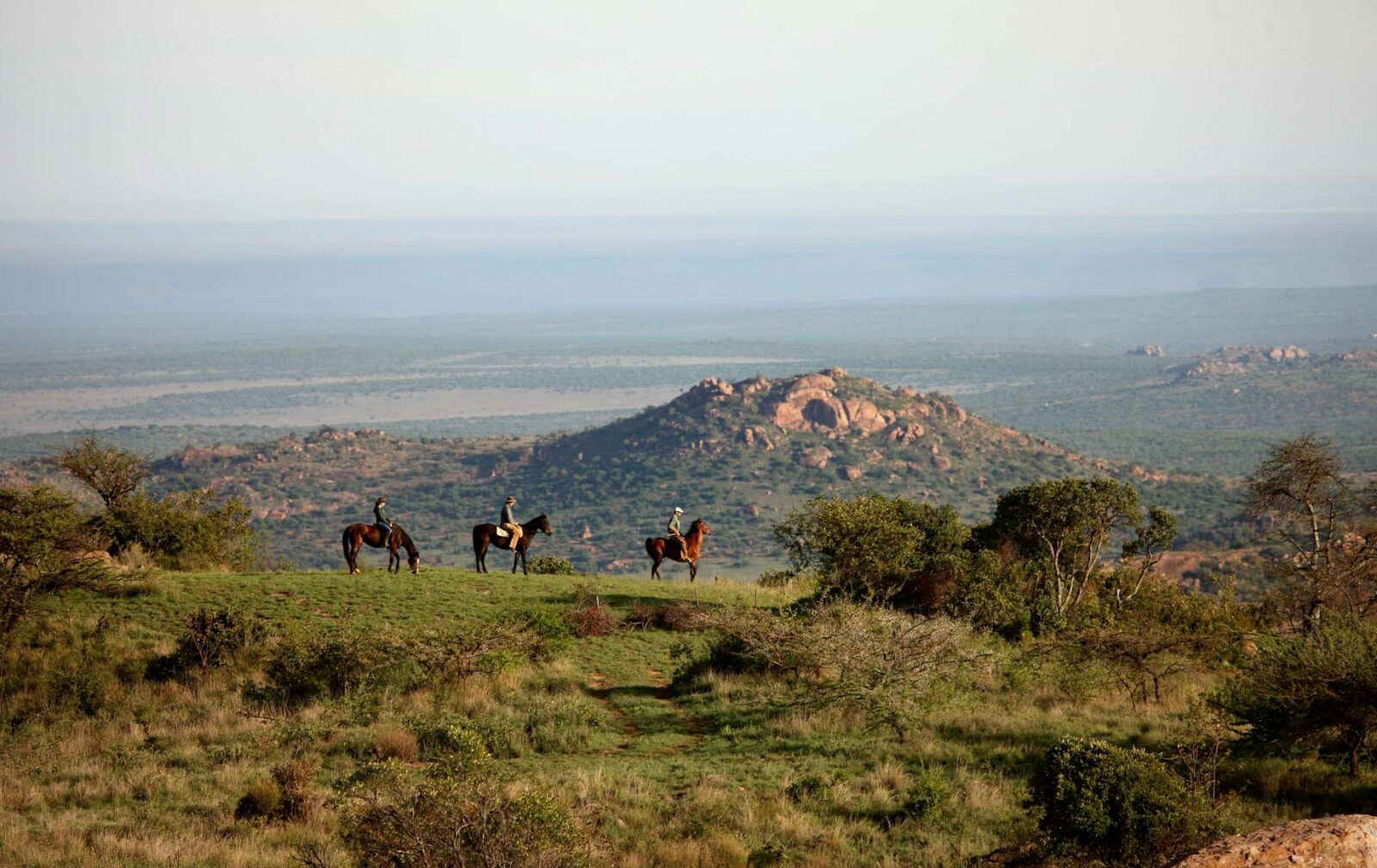
Laikipia Plateau lies in central Kenya between Mount Kenya to the south and the Great Rift Valley to the west. The region sits at an altitude of approximately 1,700 to 2,600 meters above sea level, giving it cooler temperatures compared to many other safari areas.
The landscape consists of rolling savannah plains, rocky hills, river valleys, and acacia woodlands. Seasonal rivers and permanent water sources support wildlife throughout the year, while distant views of Mount Kenya create dramatic scenery across the plateau.
This varied terrain contributes to the ecological richness that defines Laikipia’s wildlife habitats.
Wildlife in Laikipia
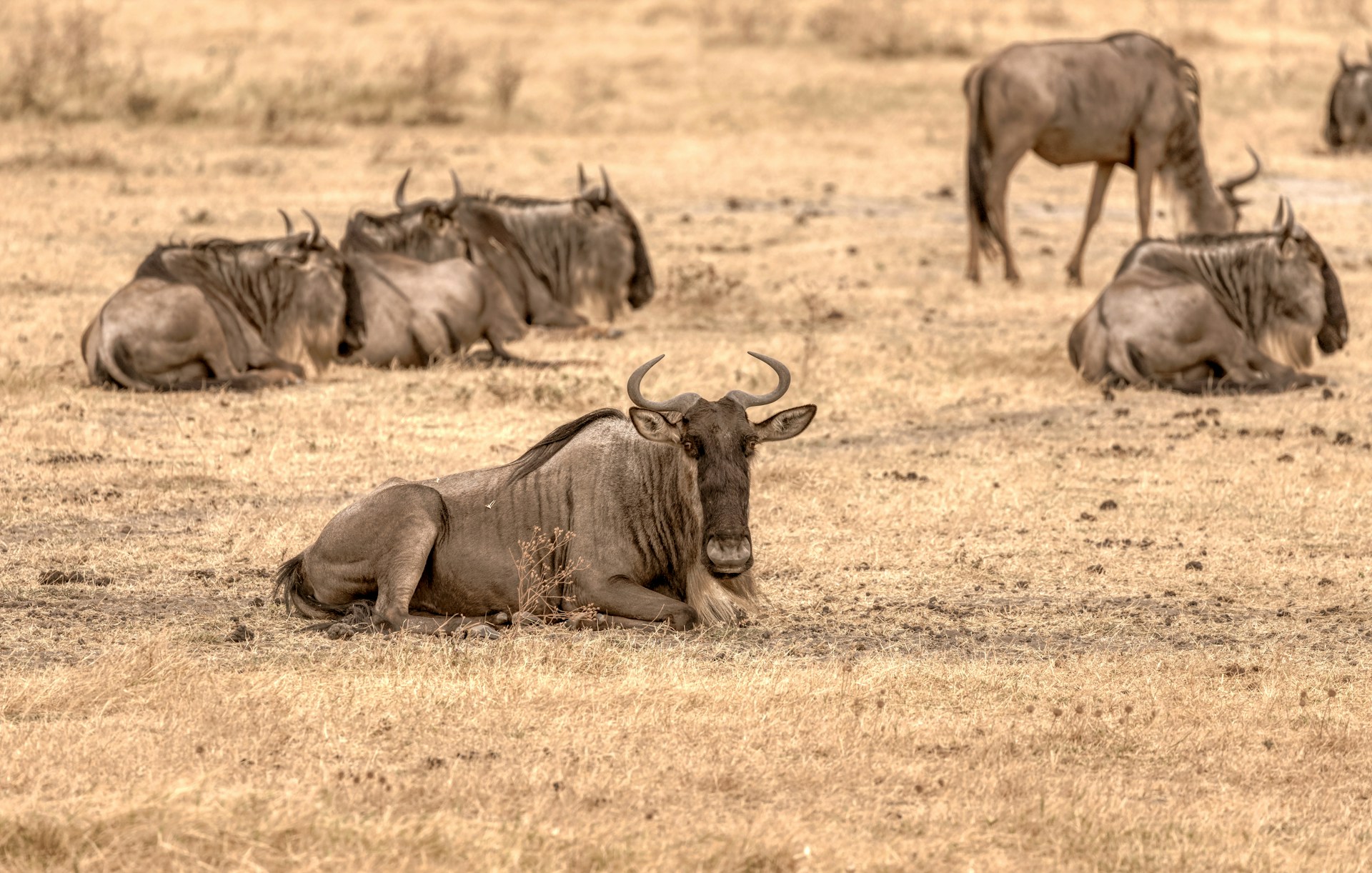
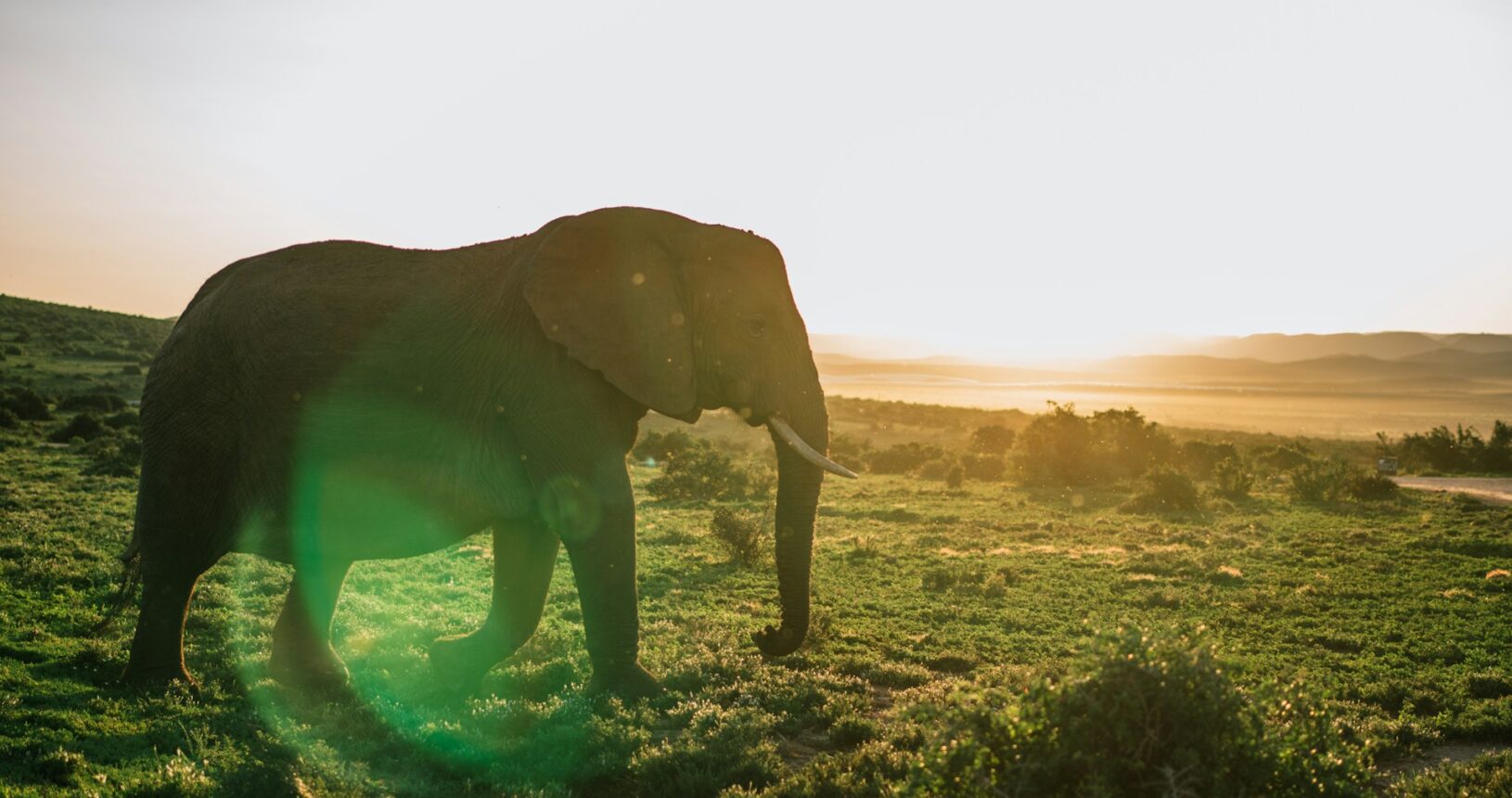
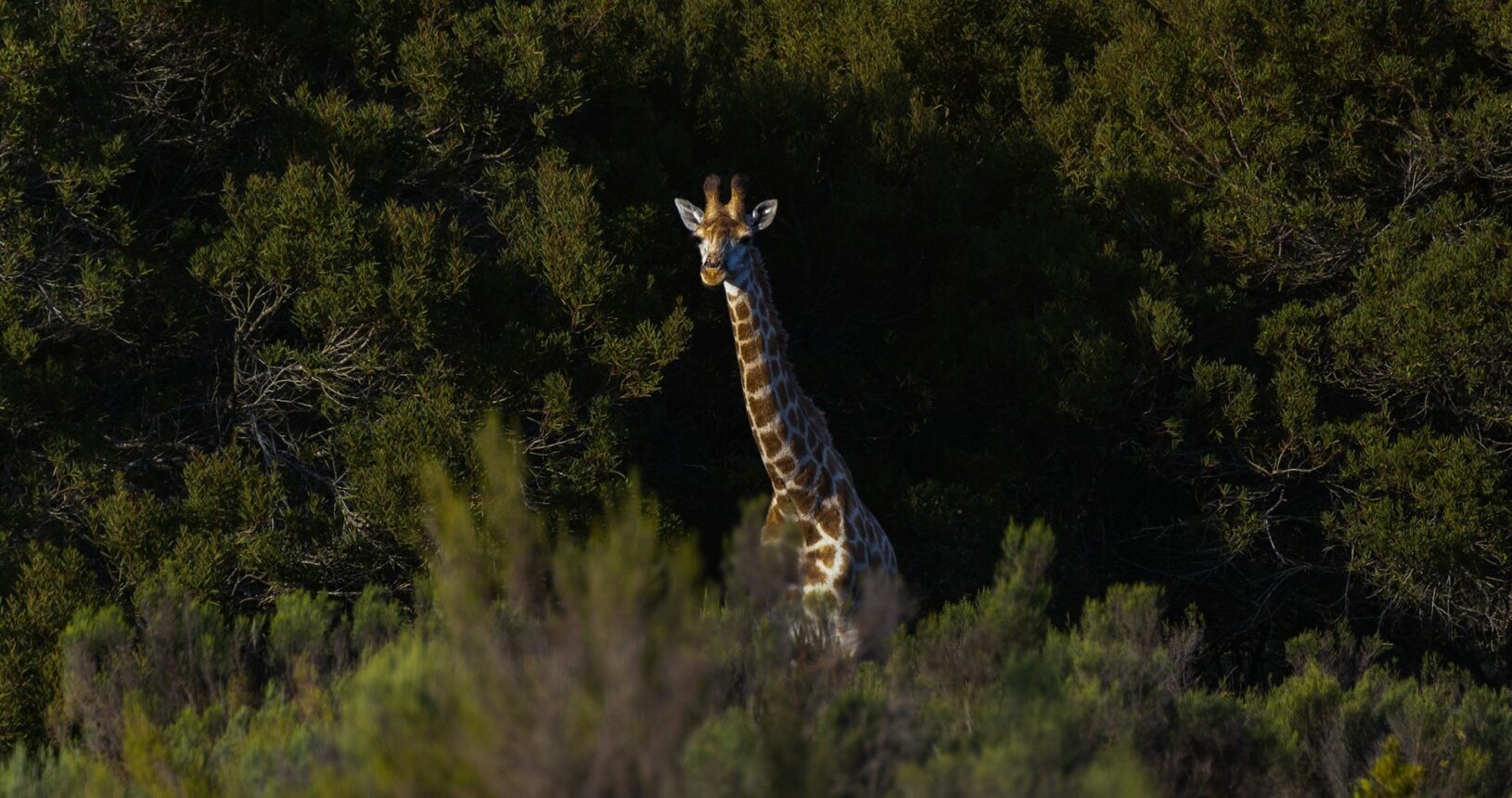
Laikipia is one of the most important wildlife regions in Kenya outside the national park system. The plateau supports large populations of elephants, giraffes, zebras, buffalo, and various antelope species that move freely across conservancy boundaries.
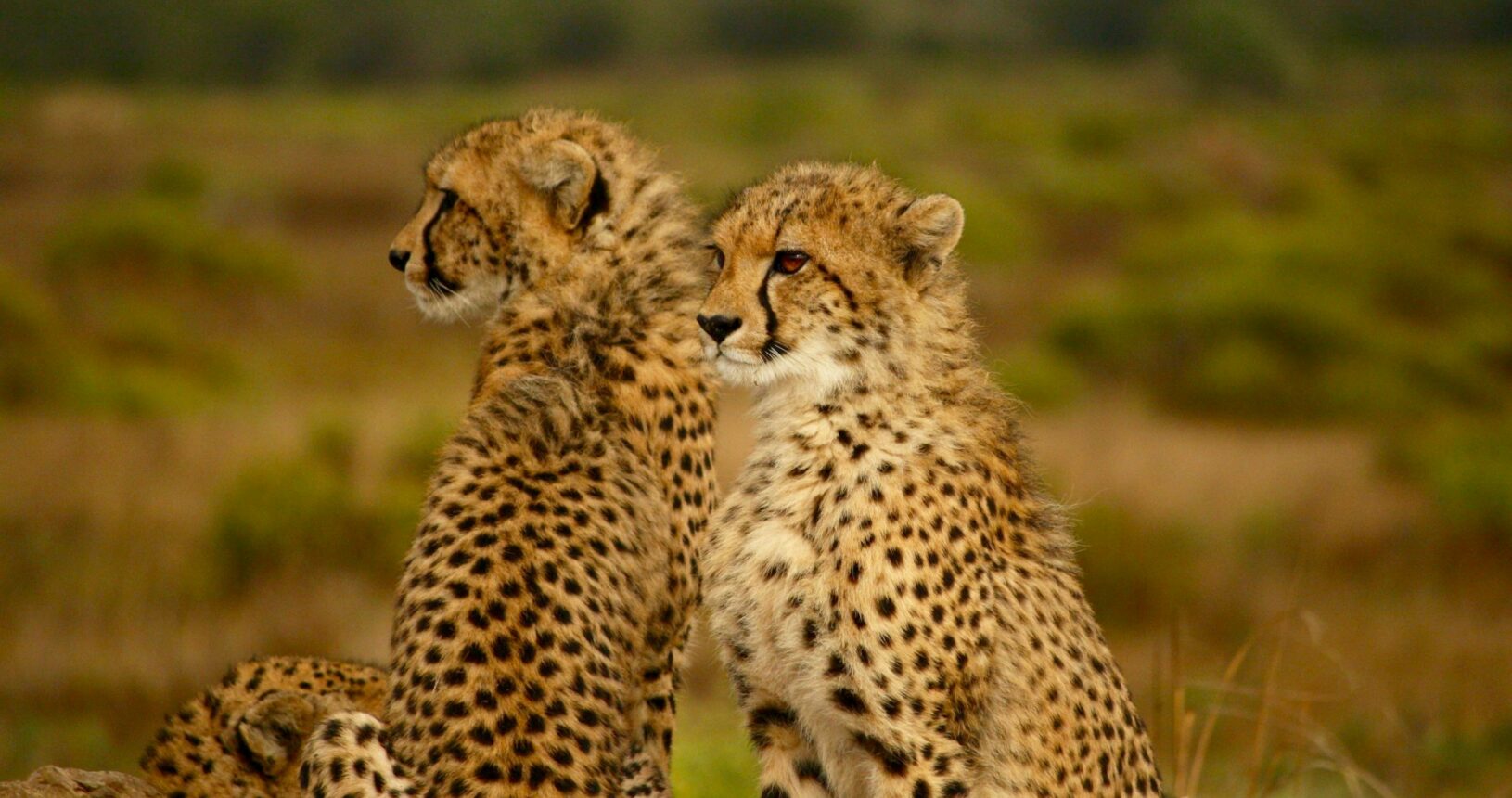
Predators are also well represented, including lions, leopards, cheetahs, and African wild dogs. Laikipia is particularly important for the conservation of endangered species such as Grevy’s zebra and black rhino.
The presence of diverse habitats and effective conservation management has helped maintain strong wildlife populations across the region.
Conservancies and Private Reserves
One of the defining characteristics of Laikipia is its network of private conservancies. These areas are managed through partnerships between landowners, conservation organizations, and local communities.
Conservancies regulate tourism activities and limit visitor numbers, creating a more exclusive safari experience compared to busier national parks. This system allows for flexible activities such as night drives, walking safaris, and horseback riding that are not always permitted in government-managed parks.
The conservancy model has become an important example of how tourism can support both wildlife protection and local livelihoods.
Safari Activities in Laikipia
Safari activities in Laikipia extend far beyond traditional game drives. Visitors can explore the landscape through guided bush walks, horseback safaris, and mountain biking adventures across open plains and rolling hills.
Night drives offer opportunities to observe nocturnal animals such as aardwolves, genets, and bush babies. Camel safaris, a unique feature of northern Kenya, allow travelers to move through the landscape in a traditional way once used by local communities.
These varied activities make Laikipia one of the most adventurous safari destinations in East Africa.
Conservation and Community Partnerships
Laikipia is widely recognized for its innovative conservation approach that integrates wildlife protection with community development. Many conservancies provide employment opportunities, education programs, and healthcare initiatives for local communities.
Revenue from tourism helps fund anti-poaching efforts and wildlife monitoring programs that protect endangered species. The region has become particularly important for rhino conservation, with several protected sanctuaries supporting growing populations.
These partnerships demonstrate how sustainable tourism can support both ecological preservation and community well-being.
Birdlife and Biodiversity
In addition to its large mammals, Laikipia is home to a rich diversity of bird species due to its varied habitats. Raptors such as martial eagles and African fish eagles are frequently seen soaring above the plains, while smaller birds inhabit woodland and riverine environments.
The region’s mixture of grassland, forest, and wetland ecosystems supports hundreds of bird species, making Laikipia a rewarding destination for birdwatchers as well as wildlife enthusiasts.
Biodiversity across the plateau continues to attract conservation attention and research initiatives.
Best Time to Visit
Laikipia can be visited throughout the year, though the dry seasons between June and October and January to March generally offer the best wildlife viewing conditions. During these periods animals concentrate around water sources and vegetation becomes thinner, improving visibility.
The green seasons bring lush landscapes, dramatic skies, and increased bird activity, creating appealing conditions for photography and nature exploration.
Seasonal changes add variety to the safari experience in the region.
Accommodation in Laikipia
Laikipia offers a range of accommodation options, primarily in the form of luxury lodges and exclusive tented camps located within private conservancies. These properties are typically small and designed to blend with the surrounding environment.
Many lodges emphasize personalized service, scenic views, and direct access to wildlife habitats. The exclusivity of these properties contributes to the region’s reputation as one of Kenya’s premier high-end safari destinations.
Accommodation experiences often include outdoor dining, infinity pools, and guided activities tailored to guest interests.
Overall Safari Experience
The Laikipia Plateau represents a different style of safari experience compared to Kenya’s more famous national parks. Its combination of private conservancies, innovative conservation programs, and diverse safari activities creates a destination that feels both adventurous and exclusive.
For travelers seeking a quieter, conservation-focused safari with varied landscapes and strong wildlife encounters, Laikipia offers one of the most rewarding wilderness experiences in Kenya.
In Africa’s national parks, every sunrise paints a masterpiece — where the wild’s call echoes across endless horizons. Visiting these parks is to witness nature in its purest form, a timeless dance that stirs the soul.
Steps to Book Your Southern Africa Tour
Choose Your Adventure
Confirm Your Booking
Begin Your Journey
Ready to plan your tailor-made safari?