
Tsodilo Hills
February 1, 2026
Botswana Big Five
February 1, 2026
Tuli Block
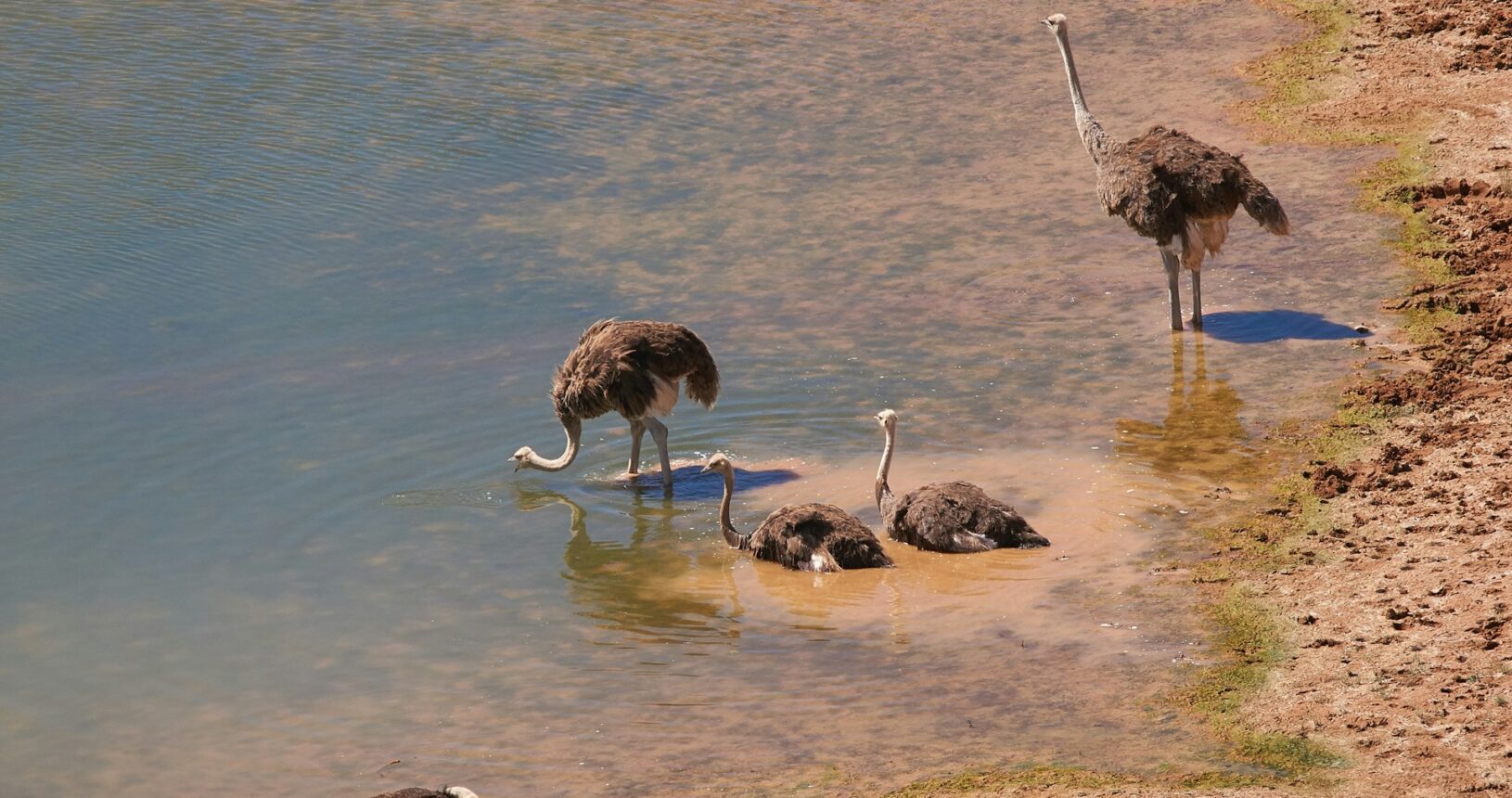
South Africa offers a wide range of water-based adventures thanks to its long coastline, warm oceans, scenic lakes, and powerful rivers. Travellers enjoy activities such as boat cruises, whale watching, shark cage diving, kayaking, snorkeling, surfing, and river rafting. These experiences showcase the country’s marine life, dramatic coastlines, and diverse aquatic ecosystems.
Popular coastal regions like Cape Town, Durban, and the Garden Route offer world-class surfing, seal encounters, and ocean tours. Inland, areas such as the Orange River and various dam systems provide calm waters for canoeing, fishing, and gentle paddling. Marine-rich destinations reveal dolphins, seals, sharks, penguins, and seasonal whales.
Water activities suit adventure seekers, families, photographers, and nature lovers. With warm weather, clear waters, and stunning scenery, South Africa offers unforgettable experiences both along the coast and inland waterways.
Why Book This Destination
Explore More about Tuli block
Landscape and Scenery
The Tuli Block stands out for its dramatic terrain. Rocky outcrops rise above open plains, while sandstone ridges and river valleys shape the landscape. Giant baobab trees appear across the region, adding character and visual contrast to the dry environment.
The Limpopo River acts as the lifeline of the area. During the dry season, wildlife concentrates near the river and surrounding vegetation. The combination of rocky hills, woodland, and riverine habitat creates a varied ecosystem that supports different species.
Light plays a major role in the experience. Early mornings and late afternoons transform the landscape with changing colors and long shadows, making the region particularly rewarding for photography.
Wildlife in the Tuli Block
Wildlife in the Tuli Block moves through a landscape that requires adaptation and mobility. Elephants remain one of the most visible species, often traveling along river corridors and through woodland areas.
Predators such as lions, leopards, and hyenas inhabit the region, though sightings can feel more unpredictable than in higher-density parks. This unpredictability adds to the sense of authenticity and exploration.
Antelope species, giraffes, zebras, and smaller mammals also thrive in the area. Birdlife remains strong, especially near river systems where water attracts a variety of species.
The safari here focuses on quality over quantity. Encounters feel natural and often unfold without crowds or multiple vehicles.
Safari Experience in the Tuli Block
Safaris in the Tuli Block combine game drives with broader landscape exploration. Guides move through varied terrain, following wildlife while also interpreting geology, vegetation, and the region’s history.
The rugged environment creates a more adventurous feel compared to flatter safari areas. Drives may include river crossings, rocky tracks, and elevated viewpoints that reveal the scale of the wilderness.
Walking safaris add another dimension to the experience. Guests explore sections of the bush on foot, focusing on tracks, plants, and smaller ecological details. The slower pace allows deeper engagement with the landscape.
Horseback safaris also feature strongly in some areas of the Tuli Block. Riding through open terrain creates a different connection to wildlife and allows access to areas vehicles may not easily reach.
Cultural and Historical Importance
The Tuli Block holds archaeological and cultural significance linked to ancient trade and migration routes. Stone ruins, historical settlements, and evidence of early human activity appear across the region.
The area also connects to local communities whose traditions and history remain tied to the landscape. Guides often include these cultural aspects within the safari experience, adding depth beyond wildlife viewing.
This combination of nature and history creates a more layered understanding of the region.
Accommodation in the Tuli Block
Accommodation in the Tuli Block focuses on intimate safari lodges and tented camps. Most properties remain small and privately operated, which helps preserve the quiet atmosphere of the region.
Lodges often position themselves near river systems or elevated viewpoints. Designs use natural materials and open layouts that connect guests to the environment. Rooms frequently include outdoor decks where wildlife may pass nearby.
The service style feels personal and relaxed rather than formal. Many properties emphasize guided experiences and flexible activities tailored to guest interests.
Best Time to Visit the Tuli Block
The dry season, from May to October, offers the best wildlife viewing conditions. Animals gather near the Limpopo River and remaining water sources, which increases visibility.
Temperatures remain cooler during these months, making outdoor activities more comfortable. The landscape also becomes more open as vegetation thins.
The green season, from November to April, transforms the environment with fresh vegetation and dramatic skies. Birdlife increases, and the scenery becomes more vibrant, though wildlife spreads out more widely.
Accessibility and Getting There
The Tuli Block can be reached by road or light aircraft. Travelers often access the region from Botswana, South Africa, or Zimbabwe due to its border location.
Road transfers from Johannesburg remain common, while charter flights provide faster access to remote lodges. The area works well as part of a broader Southern Africa itinerary.
Who Should Visit the Tuli Block
The Tuli Block suits travelers who value landscapes, exclusivity, and a quieter safari experience. It appeals to photographers, repeat safari visitors, and those seeking something less commercial.
The region works well for travelers who enjoy walking safaris, horseback safaris, and exploration-focused journeys. It may feel less suitable for visitors seeking guaranteed high-density wildlife sightings every day.
Planning Your Tuli Block Safari
A stay of three to four nights allows enough time to experience the landscape, wildlife, and activities fully. Many itineraries combine the Tuli Block with northern Botswana destinations or nearby areas in South Africa and Zimbabwe.
Advance planning helps secure smaller lodges, especially during peak dry season months.
Conclusion
The Tuli Block offers a safari experience built around rugged beauty, exploration, and quiet wilderness. Its rocky terrain, ancient baobabs, and remote atmosphere create a setting that feels distinct from Botswana’s more famous safari regions.
Travelers who visit the Tuli Block experience more than wildlife alone. They move through a landscape shaped by history, geology, and natural movement, which makes the region one of Southern Africa’s most unique safari destinations.
In Africa’s national parks, every sunrise paints a masterpiece — where the wild’s call echoes across endless horizons. Visiting these parks is to witness nature in its purest form, a timeless dance that stirs the soul.
Steps to Book Your Southern Africa Tour
Choose Your Adventure
Confirm Your Booking
Begin Your Journey
Ready to plan your tailor-made safari?