Moremi Game Reserve
February 1, 2026
Okavango Delta
February 1, 2026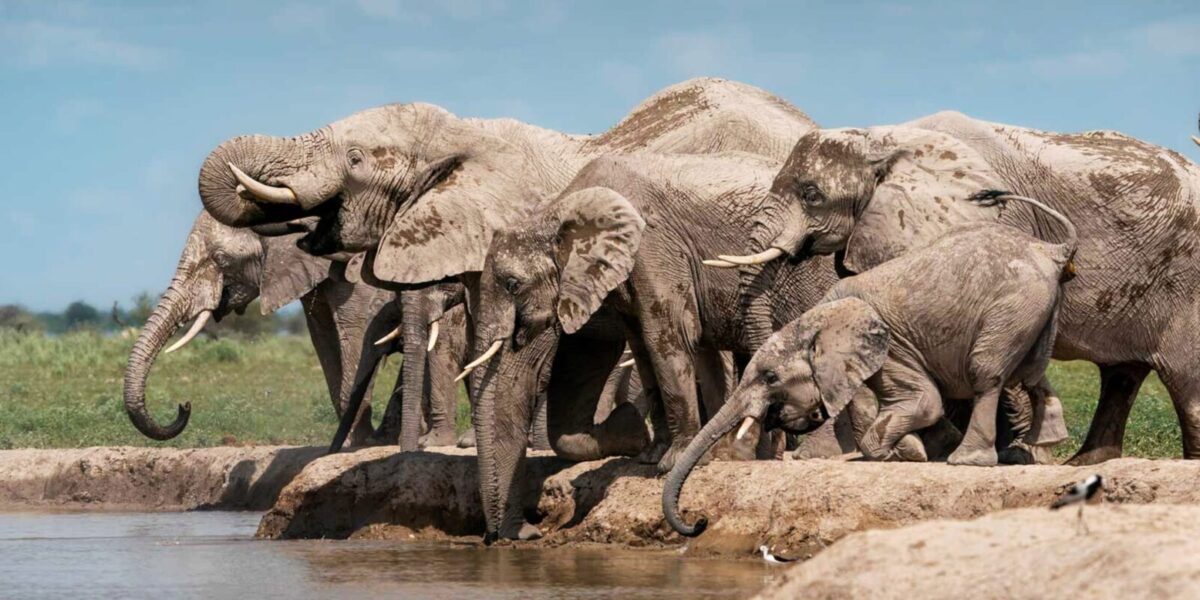
Nxai Pan National Park
Nxai Pan National Park sits in northeastern Botswana, not far from Maun, and forms part of one of the largest salt pan systems in the world. The park protects Nxai Pan itself, along with surrounding grasslands and patches of acacia woodland. The environment feels open and uncluttered, with long sightlines that allow you to see across the landscape without obstruction.
Tourism remains limited, which keeps the park quiet and uncrowded. This low visitor presence allows for a more private safari experience, where time in the field feels uninterrupted. The focus here shifts away from busy game viewing and toward understanding how wildlife survives in a changing and sometimes harsh environment.
Why Book This Destination
Explore More about Nxai Pan National Park
Landscape and Seasonal Change
Nxai Pan’s landscape creates the foundation of the safari. During the dry season, the pan appears flat, white, and cracked, with almost no vegetation. The surface reflects light and creates a stark, almost surreal environment. Movement stands out clearly against this background, which makes wildlife easy to spot even at a distance.
When the rains arrive, the transformation begins. Grass grows quickly across the pan, and shallow water collects in natural depressions. This change attracts grazing animals in large numbers, turning the once-empty space into an active feeding ground.
Surrounding the pan, acacia woodland and small vegetated islands provide shelter and browsing areas. These zones support species that need cover, creating a contrast between open and shaded habitats. Wildlife moves between these areas depending on the season, which adds variation to each game drive.
Wildlife in Nxai Pan National Park
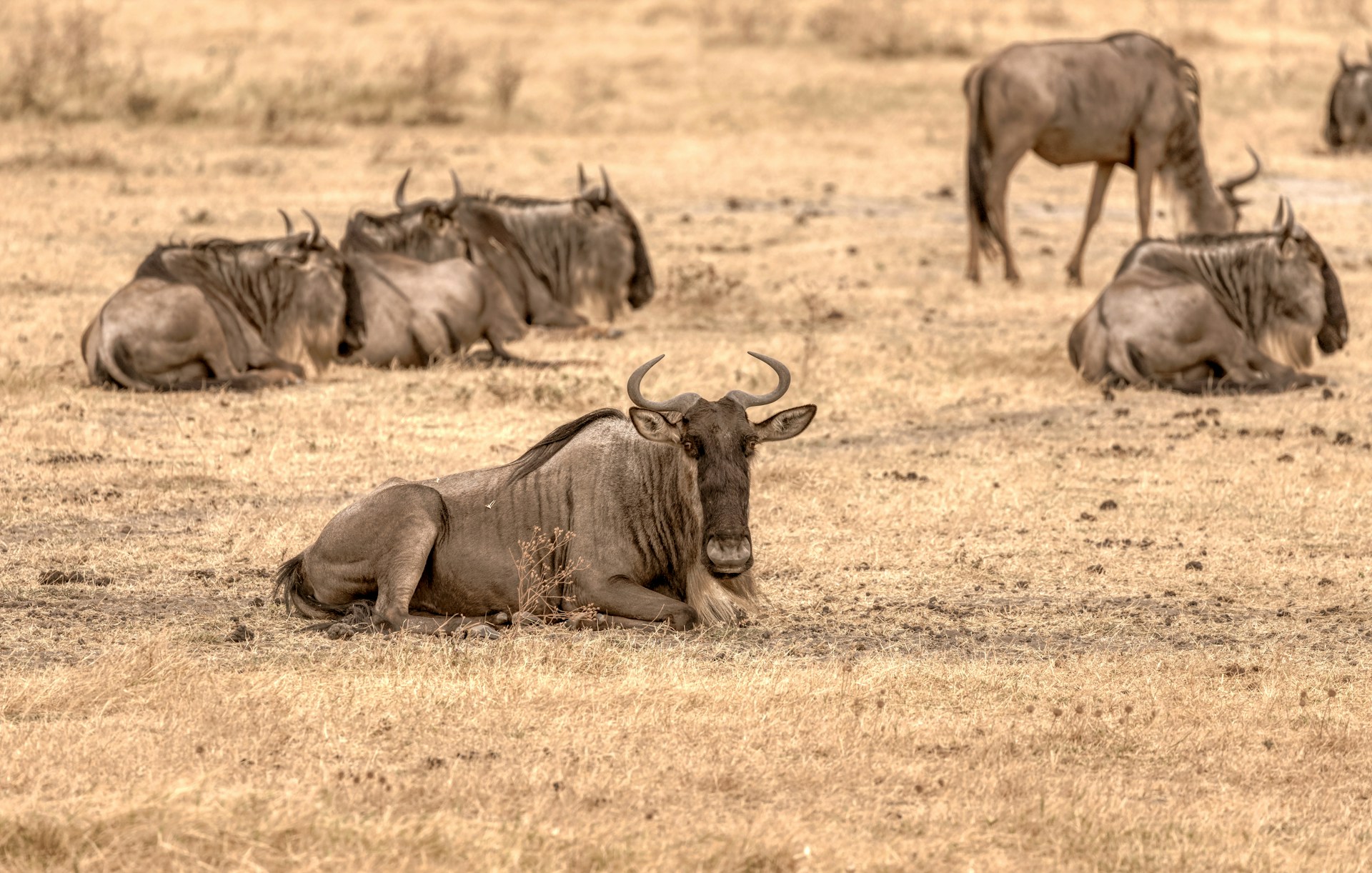
Wildlife in Nxai Pan follows a clear seasonal pattern. During the wet season, large herds of zebra and wildebeest arrive to feed on fresh grass. This movement forms part of one of Africa’s lesser-known migrations and creates a dramatic increase in animal numbers.
Predators follow these herds. Lions in this region adapt to hunting in open terrain, where they rely more on strategy and timing than cover. These conditions often make predator-prey interactions easier to observe.
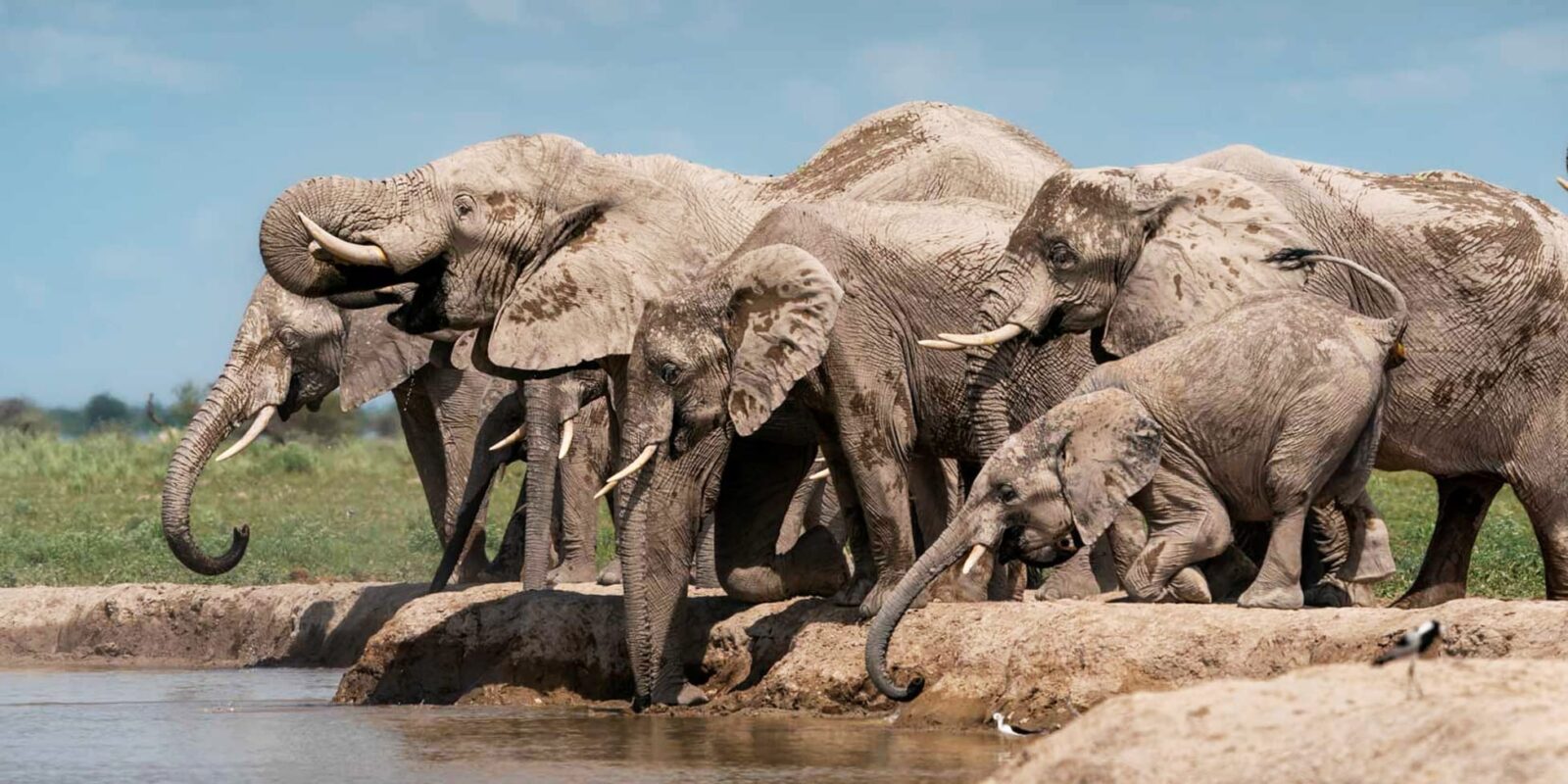
In the dry season, grazing animals move away as food becomes scarce. Wildlife then concentrates around water sources and nearby woodland. Elephants, giraffes, and various antelope species remain present, though in smaller numbers.
The safari here focuses on understanding patterns rather than expecting constant sightings. Each encounter reflects how animals respond to the environment.
Baines’ Baobabs
Baines’ Baobabs provide one of the most iconic scenes in Botswana. These ancient trees stand near Kudiakam Pan and rise dramatically from the flat landscape. Their size, shape, and isolation create a powerful visual contrast against the open horizon.
The baobabs hold historical value, linked to explorer Thomas Baines, who painted them in the 19th century. Today, they remain a highlight for visitors and photographers.
Light changes throughout the day transform the scene. Early morning and late afternoon offer the most striking views, when shadows stretch across the pan and the sky adds color to the landscape.
Safari Experience in Nxai Pan
Safaris in Nxai Pan feel different from those in more densely populated parks. Game drives move across open terrain, where guides track wildlife based on recent movement and seasonal patterns. The wide landscape allows you to observe animals from a distance and follow behavior over time.
The pace remains steady and unhurried. Instead of moving quickly between sightings, guides focus on reading the environment and understanding where wildlife is likely to appear.
During the wet season, drives often follow migrating herds and predator activity. During the dry season, attention shifts to waterholes and woodland edges, where animals gather.
The park also allows self-drive safaris, though guided drives provide deeper insight into wildlife behavior and navigation through the terrain.
Accommodation in Nxai Pan
Accommodation in Nxai Pan remains limited, which helps maintain its remote and natural character. Small lodges and camps operate within the park, offering direct access to key areas.
Lodges provide simple yet comfortable facilities, often positioned near wildlife routes or scenic viewpoints. The design focuses on blending with the environment rather than dominating it.
Campsites attract travelers who prefer a more independent experience. These sites allow close contact with the landscape, though they require preparation and suitable equipment.
The low number of accommodation options ensures that the park never feels crowded, even during peak travel periods.
Best Time to Visit Nxai Pan
The wet season, from November to April, offers the most active wildlife experience. Fresh grass attracts migrating herds, and predator activity increases as a result. The landscape also becomes greener and more visually dynamic.
The dry season, from May to October, creates a completely different setting. The pan returns to its stark appearance, with fewer animals but clearer visibility and dramatic scenery.
Choosing the best time depends on what you want to experience. The wet season focuses on wildlife movement, while the dry season highlights landscape and atmosphere.
Accessibility and Getting There
Nxai Pan National Park lies about a two to three-hour drive from Maun. Access requires a 4x4 vehicle, as roads remain sandy and conditions can change with the seasons.
Charter flights can reach nearby airstrips, though most travelers visit as part of a broader Botswana safari that includes other destinations.
Travel here requires planning, but the effort adds to the sense of remoteness and exclusivity.
Who Should Visit Nxai Pan National Park
Nxai Pan suits travelers who value unique landscapes and quieter safari environments. It appeals to photographers, nature enthusiasts, and those who want to see a different side of Botswana.
The park works best for visitors who understand that wildlife viewing depends on timing and seasonal movement. It adds depth to a safari itinerary rather than serving as a standalone high-density destination.
Travelers who combine Nxai Pan with areas such as Moremi or Chobe gain a more balanced safari experience.
Planning Your Nxai Pan Safari
A stay of two to three nights allows enough time to explore the park and experience its changing landscape. Many itineraries combine Nxai Pan with the Okavango Delta, Moremi Game Reserve, or Chobe National Park.
Planning should consider seasonal conditions, as they influence both wildlife movement and accessibility. Booking in advance helps secure limited accommodation options.
Conclusion
Nxai Pan National Park offers a safari shaped by contrast, movement, and natural rhythm. Its vast salt pans, seasonal migration, and iconic baobabs create an experience that feels raw and visually powerful.
This is not a destination built around constant sightings. It offers something deeper—a chance to understand how wildlife adapts to changing conditions and how landscapes transform over time. For travelers seeking a different perspective on safari, Nxai Pan provides a meaningful and memorable addition to Southern Africa.
In Africa’s national parks, every sunrise paints a masterpiece — where the wild’s call echoes across endless horizons. Visiting these parks is to witness nature in its purest form, a timeless dance that stirs the soul.
Steps to Book Your Southern Africa Tour
Choose Your Adventure
Confirm Your Booking
Begin Your Journey
Ready to plan your tailor-made safari?