African Photo Safaris
November 18, 2025
Horseback Safaris
November 18, 2025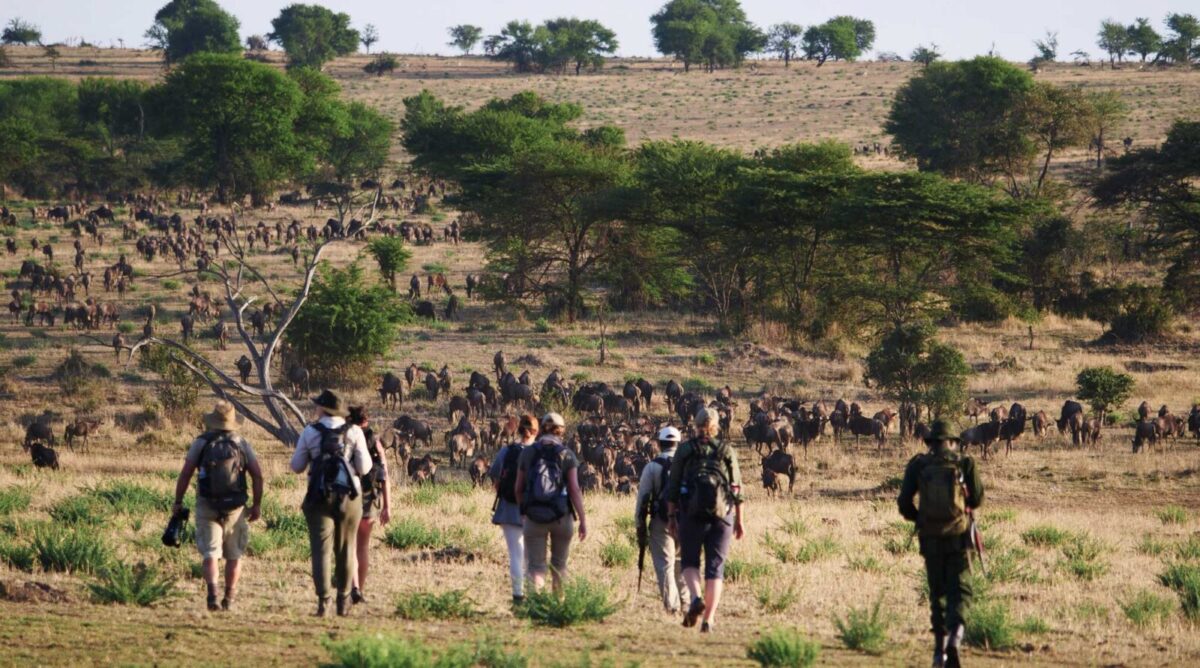
Home / Experiences /
Walking Safaris in Africa
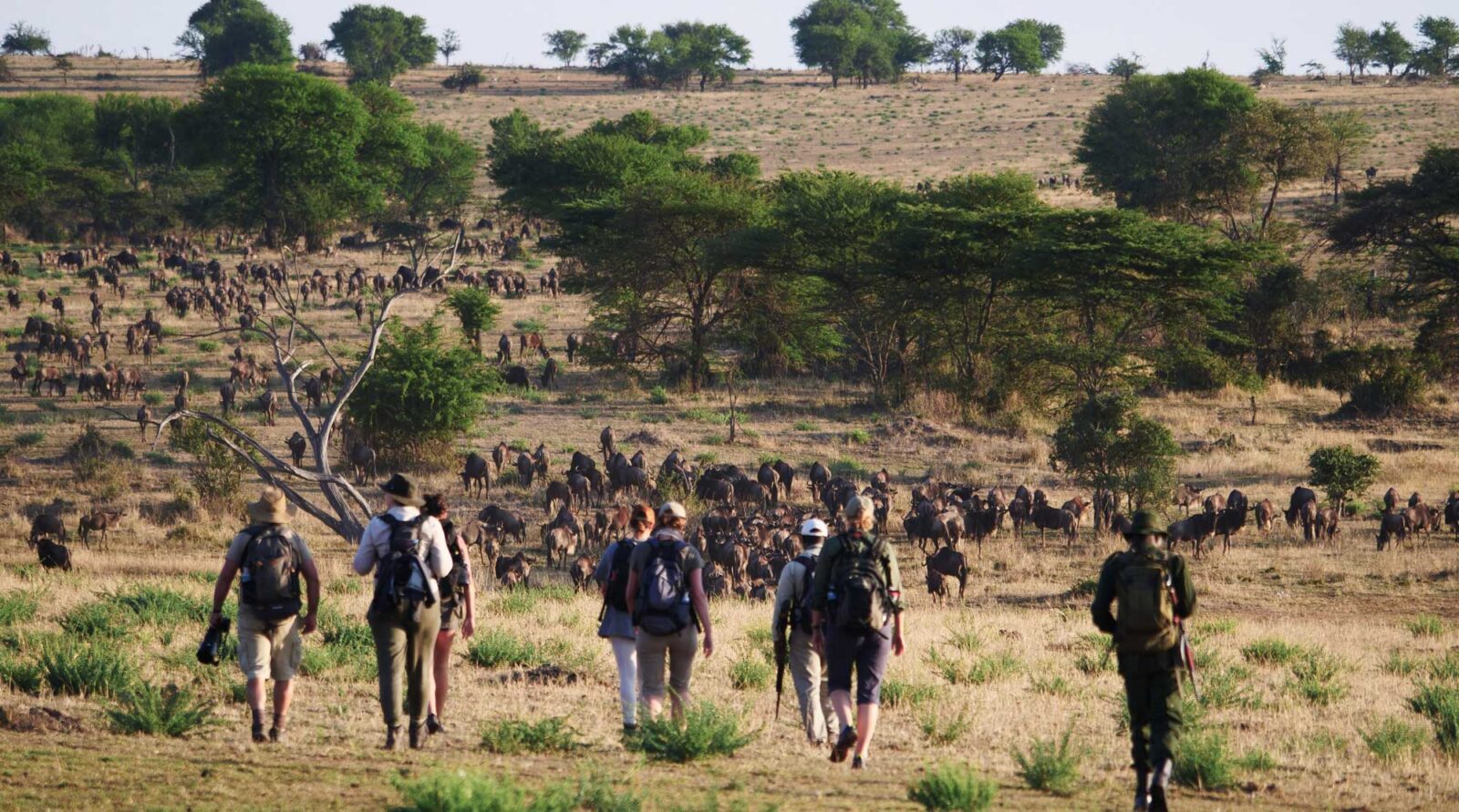
Walking safaris in Africa offer one of the most immersive ways to experience the wilderness. Instead of viewing wildlife from a vehicle, you step into the environment and move through it on foot. This shift changes everything. You notice tracks, sounds, scents, and subtle movements that often go unseen on game drives. The experience feels immediate and real, guided by awareness and connection rather than distance.
Walking safaris do not focus only on large animals. They reveal the full ecosystem, from insects and plants to birds and mammals. Each step builds a deeper understanding of how the bush functions.
Why Book This Destination
Explore More about Walking Safaris in Africa
What Defines a Walking Safari
Ground-Level Perspective
A walking safari places you at eye level with the landscape. You move at a steady pace and observe details that vehicles pass quickly. The environment feels larger and more complex because you engage with it directly.
This perspective changes your relationship with wildlife. You do not approach animals as a spectator. You share the same space, guided by knowledge and respect.
Guided and Controlled Experience
Professional guides lead all walking safaris. They read animal behavior, track movement, and assess conditions constantly. This level of awareness ensures safety while allowing close and meaningful encounters.
Guides explain what you see in real time. They interpret tracks, identify plants, and describe how species interact within the ecosystem.
Top Walking Safari Destinations
Zambia
South Luangwa National Park
South Luangwa stands as the birthplace of the walking safari. The park offers a strong guiding tradition and diverse habitats that support wildlife year-round. Walking here feels natural and well-established, with routes that follow riverbanks and woodlands
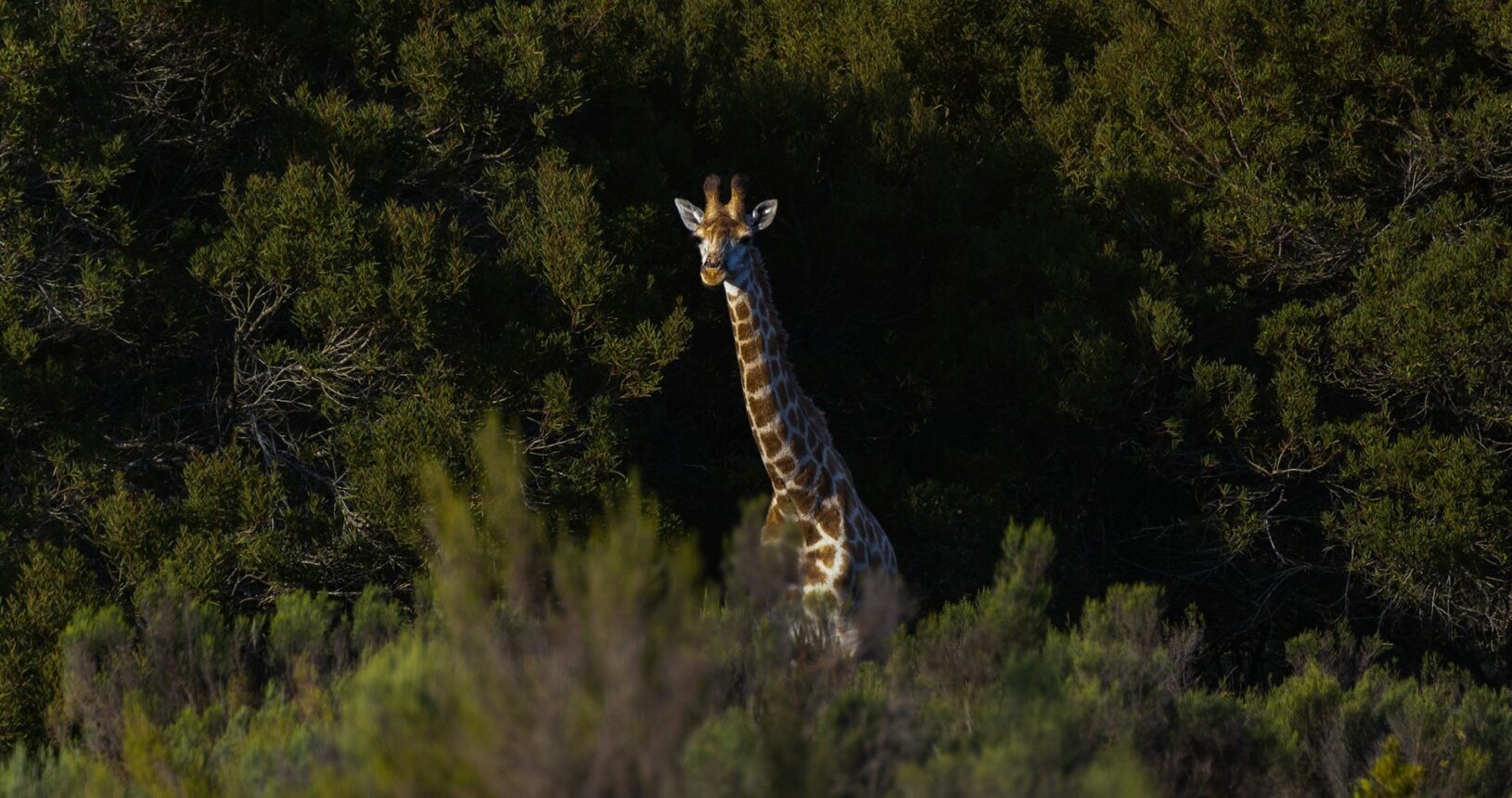
You may encounter elephants, giraffes, and antelope while focusing on tracks and smaller details. The experience balances wildlife viewing with ecological understanding.
Zimbabwe
Mana Pools National Park
Mana Pools offers one of the most iconic walking safari environments in Africa. The open floodplains along the Zambezi River provide clear visibility, which allows safe and close observation of wildlife.
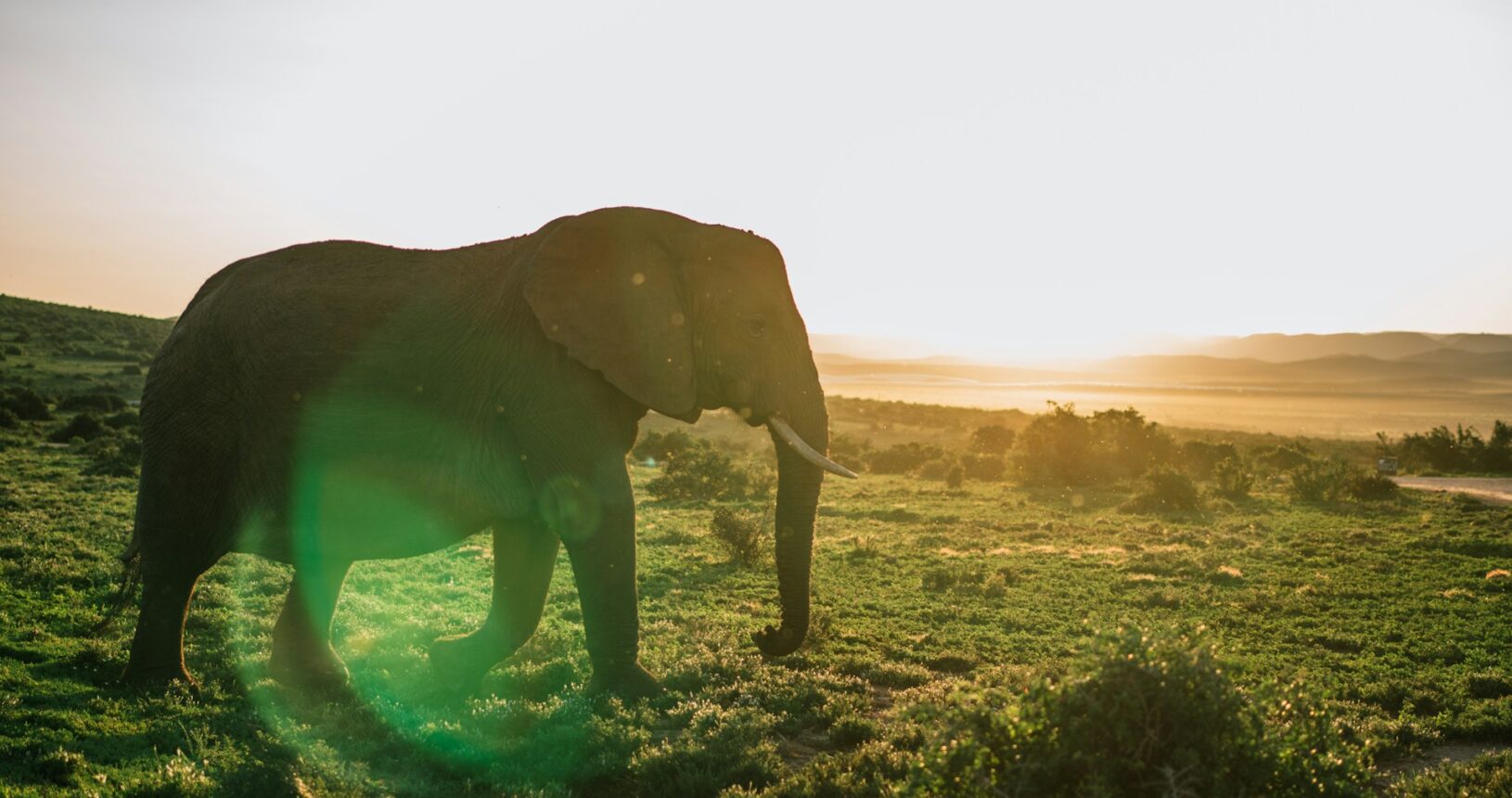
Elephants, often seen feeding or moving through the wild, create memorable encounters. The sense of space and freedom defines the experience.
Hwange National Park
Hwange supports walking safaris in specific areas and private concessions. The terrain includes woodland and open plains, which creates varied conditions. Walking here often complements game drives, adding depth to the safari.
Botswana
Okavango Delta
The Okavango Delta offers walking safaris on islands and floodplains. Seasonal water levels shape the experience, with routes changing throughout the year. The environment feels quiet and remote, with strong birdlife and smaller species.
Walking here focuses on immersion rather than large predator encounters.
Tanzania and Kenya
Private Conservancies
In East Africa, walking safaris take place mainly in private conservancies. These areas allow more flexibility compared to national parks. Walking experiences focus on landscapes, culture, and smaller wildlife rather than large predators.
What to Expect on a Walking Safari
Pace and Duration
Walking safaris move at a steady and relaxed pace. You stop frequently to observe and learn, rather than covering long distances. Walks may last a few hours or extend into multi-day experiences.
This pace allows you to absorb the environment fully without fatigue.
Wildlife Encounters
Encounters with wildlife occur naturally. You may observe animals feeding, resting, or moving through the landscape. Guides maintain safe distances and position the group carefully.
The experience feels more intense than a vehicle safari because of the proximity and shared space.
Safety and Preparation
Professional Guidance
Guides carry the necessary equipment and maintain constant awareness of surroundings. They assess wind direction, terrain, and animal behavior before making decisions. Their training ensures that each walk remains controlled and safe.
Physical Requirements
Walking safaris require a moderate level of fitness. Terrain varies from flat plains to uneven ground. Comfortable walking shoes, neutral clothing, and sun protection improve the experience.
Types of Walking Safaris
Short Guided Walks
Short walks take place near lodges or within controlled areas. These experiences suit travelers who want to try walking safaris without committing to longer treks.
Multi-Day Walking Safaris
Multi-day safaris involve walking between camps or exploring larger areas over several days. These journeys create a stronger sense of immersion and continuity.
Accommodation may include mobile camps or simple lodges along the route.
Best Time for Walking Safaris
Dry Season Conditions
The dry season offers the best conditions for walking. Vegetation becomes thinner, which improves visibility. Wildlife gathers around water sources, increasing the chances of encounters.
Cooler mornings and evenings make walking more comfortable.
Green Season Experience
The green season introduces lush landscapes and vibrant scenery. Walking remains possible, but thicker vegetation reduces visibility. This period suits travelers who value scenery and quieter conditions.
Combining Walking Safaris with Other Experiences
Game Drives and River Activities
Walking safaris often form part of a broader itinerary. Combining them with game drives allows you to cover larger areas and see more wildlife. River activities such as canoeing add another dimension.
Cultural and Scenic Elements
Adding cultural visits or scenic destinations creates a balanced journey. This combination ensures variety and keeps the experience engaging.
A Deeper Connection to the Wild
Walking safaris create a deeper and more personal connection to Africa’s wilderness. You move through the environment with awareness and purpose, guided by knowledge and respect. The experience goes beyond seeing wildlife and becomes a process of understanding how nature works.
This approach makes walking safaris one of the most rewarding and memorable ways to explore Africa.
In Africa’s national parks, every sunrise paints a masterpiece — where the wild’s call echoes across endless horizons. Visiting these parks is to witness nature in its purest form, a timeless dance that stirs the soul.
Steps to Book Your Southern Africa Tour
Choose Your Adventure
Confirm Your Booking
Begin Your Journey
Ready to plan your tailor-made safari?