Walking Safaris
November 18, 2025
Mobile Camping Safaris
November 18, 2025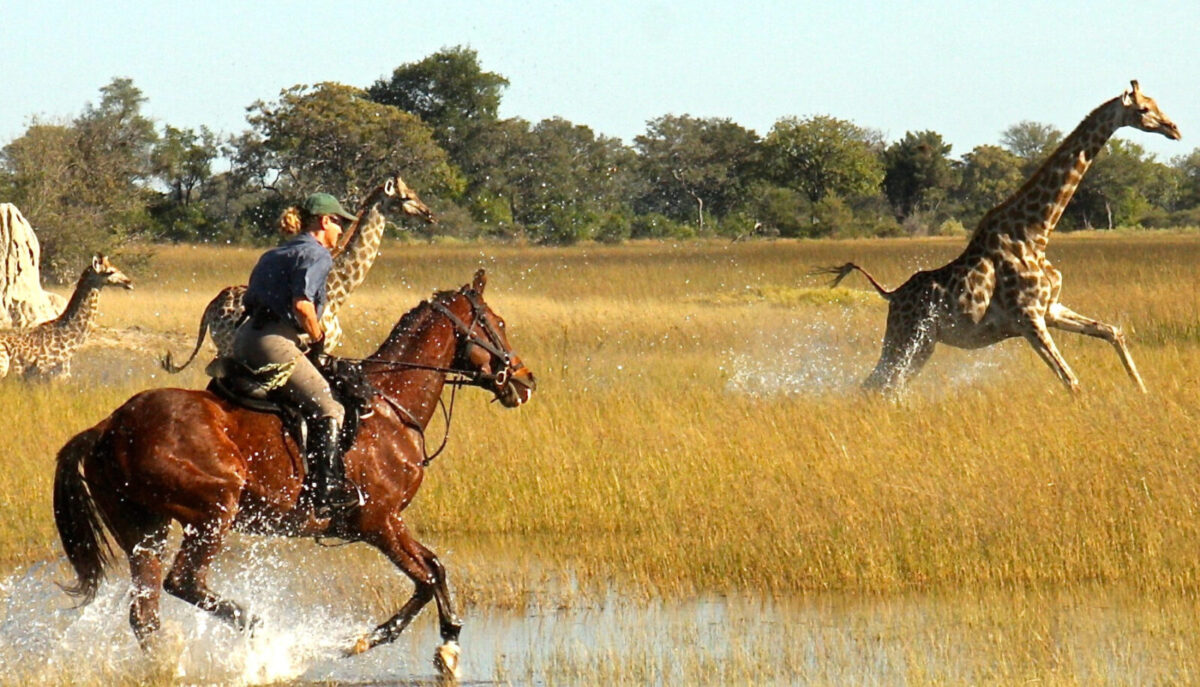
Home / Experiences /
Horseback Safaris in Africa
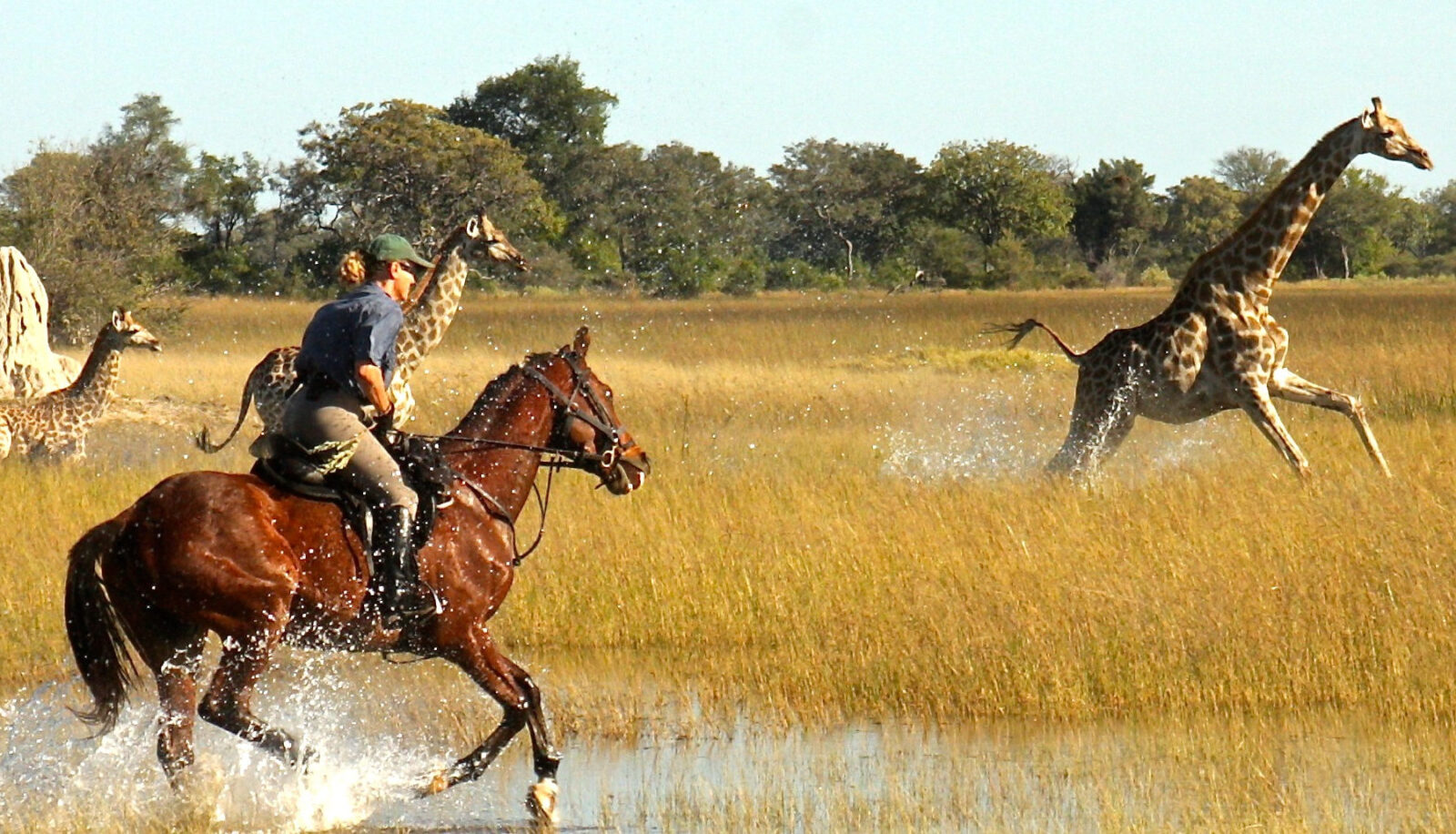
Horseback safaris offer one of the most immersive and quietly thrilling ways to explore Africa’s wilderness. Riding through open plains or along riverbanks places you at eye level with wildlife, which creates a natural and unobtrusive presence in the environment. Animals often respond differently to horses than to vehicles, which allows closer and more fluid encounters. This style of safari combines adventure, skill, and connection, delivering an experience that feels both active and deeply engaging.
Why Book This Destination
Explore More about Horseback Safaris
Why Choose a Horseback Safari
A Natural Way to Approach Wildlife
Horses move through the landscape with a rhythm that blends into the environment. Wildlife tends to accept their presence more easily than vehicles, especially in areas where animals encounter horses regularly. This allows riders to approach herds of antelope, zebra, or even elephants at a respectful distance without causing disruption.
The experience feels calm and fluid. Instead of stopping and starting as in a vehicle, you move continuously, which creates a stronger sense of immersion.
Active and Engaging Exploration
Horseback safaris require participation. You guide your horse, respond to terrain, and stay aware of your surroundings. This level of involvement keeps you fully present and engaged throughout the experience.
The activity combines physical movement with mental focus. It suits travelers who want more than observation and prefer a hands-on connection to the environment.
Top Destinations for Horseback Safaris
Botswana
Botswana offers some of the most renowned horseback safari experiences in Africa. The Okavango Delta provides a unique setting where riders move through shallow water channels and open floodplains. The landscape supports a wide range of wildlife, including giraffe, zebra, and antelope.
The open terrain allows long rides with clear visibility, which enhances both safety and enjoyment. Seasonal water levels add variation to the experience.
South Africa
South Africa provides well-structured horseback safaris in both private reserves and coastal areas. Some reserves allow riding among plains game in controlled environments, which suits riders with different skill levels.
Coastal rides along beaches and dunes add a scenic element, combining ocean views with wildlife encounters in certain regions.
Namibia
Namibia offers horseback safaris in desert landscapes, which creates a completely different experience. Riders move across open plains, dry riverbeds, and rugged terrain. The environment feels vast and quiet, with fewer animals but striking scenery.
This destination suits experienced riders who appreciate long-distance riding and remote environments.
Zimbabwe and Zambia
Zimbabwe and Zambia provide horseback safaris in more traditional bush settings. Areas near Hwange or private conservancies allow riding among wildlife with experienced guides. The focus remains on safety, awareness, and controlled interaction.
These destinations often combine horseback riding with other safari activities, which creates a balanced itinerary.
Types of Horseback Safari Experiences
Short Riding Safaris
Short rides take place over a few hours and suit travelers who want to add horseback riding to a broader safari itinerary. These rides focus on accessible terrain and controlled conditions, which makes them suitable for intermediate riders.
Multi-Day Riding Safaris
Multi-day safaris offer a deeper experience, where riders move between camps or explore large areas over several days. These journeys include longer riding hours, varied terrain, and a stronger sense of progression.
Accommodation ranges from mobile camps to established lodges, depending on the location.
Specialist Riding Expeditions
Some operators offer specialist safaris designed for experienced riders. These expeditions involve longer distances, faster paces, and more challenging conditions. Riders must feel confident in the saddle and capable of handling varied terrain.
Wildlife Encounters on Horseback
Plains Game and Herd Animals
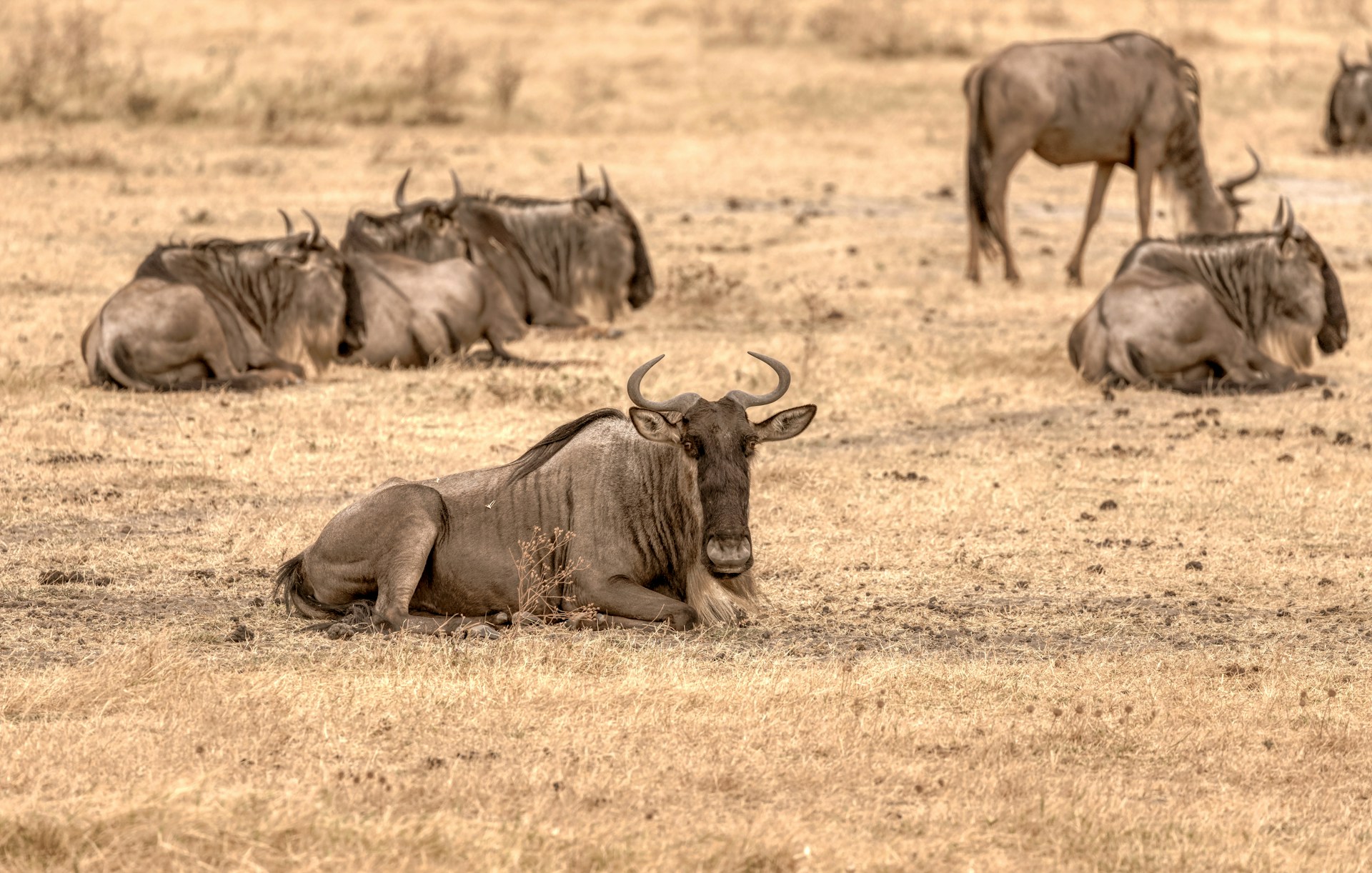
Horseback safaris often focus on plains game such as zebra, wildebeest, and antelope. These animals move in herds, which creates dynamic scenes as riders approach. The interaction feels natural, with animals continuing their behavior rather than reacting strongly.
Larger Wildlife
Encounters with larger animals such as elephants occur under strict guidance. Guides maintain safe distances and read animal behavior carefully. These moments feel intense and memorable, as you share the same ground level as the wildlife.
Predator encounters remain less common and require careful management. Guides prioritize safety at all times.
Safety and Skill Requirements
Riding Experience
Most horseback safaris require at least an intermediate level of riding ability. Riders should feel comfortable controlling a horse at walk, trot, and canter. Balance and confidence remain essential, especially in open environments.
Beginner options exist in some locations, but they usually take place in controlled settings with limited wildlife interaction.
Professional Guidance
Guides lead every horseback safari and manage both horses and wildlife encounters. They assess terrain, monitor animal behavior, and ensure that each ride remains safe. Briefings before each ride prepare participants for conditions and expectations.
Best Time for Horseback Safaris
Dry Season Conditions
The dry season offers firm ground and easier riding conditions. Wildlife gathers around water sources, which increases the chances of encounters. Visibility improves as vegetation becomes sparse.
Green Season Variation
The green season introduces softer ground and more vegetation. Riding becomes more challenging in some areas, but the landscape turns vibrant and scenic. This period suits riders who enjoy varied conditions and fewer visitors.
Planning a Horseback Safari
Choosing the Right Destination
The choice of destination depends on riding ability and preferred environment. Botswana suits those seeking water-based riding, Namibia offers desert exploration, and South Africa provides structured and accessible options.
Matching Experience Level
Selecting a safari that matches your riding ability ensures both safety and enjoyment. Operators provide clear guidelines on skill requirements, which helps in making the right choice.
Combining with Other Safari Activities
Horseback safaris often form part of a broader itinerary. Combining riding with game drives, walking safaris, or cultural experiences creates a more complete journey.
A Unique Way to Experience Africa
Horseback safaris offer a perspective that few other safari styles can match. The connection between rider, horse, and environment creates a sense of freedom and immersion. Wildlife encounters feel more immediate, and the landscape becomes something you move through rather than observe from a distance.
This experience suits travelers who seek adventure, connection, and a deeper engagement with Africa’s wilderness.
In Africa’s national parks, every sunrise paints a masterpiece — where the wild’s call echoes across endless horizons. Visiting these parks is to witness nature in its purest form, a timeless dance that stirs the soul.
Steps to Book Your Southern Africa Tour
Choose Your Adventure
Confirm Your Booking
Begin Your Journey
Ready to plan your tailor-made safari?