Mokoro at Dawn
November 5, 2026
Waking Up to Lions Roaring Outside Your Tent.
November 5, 2026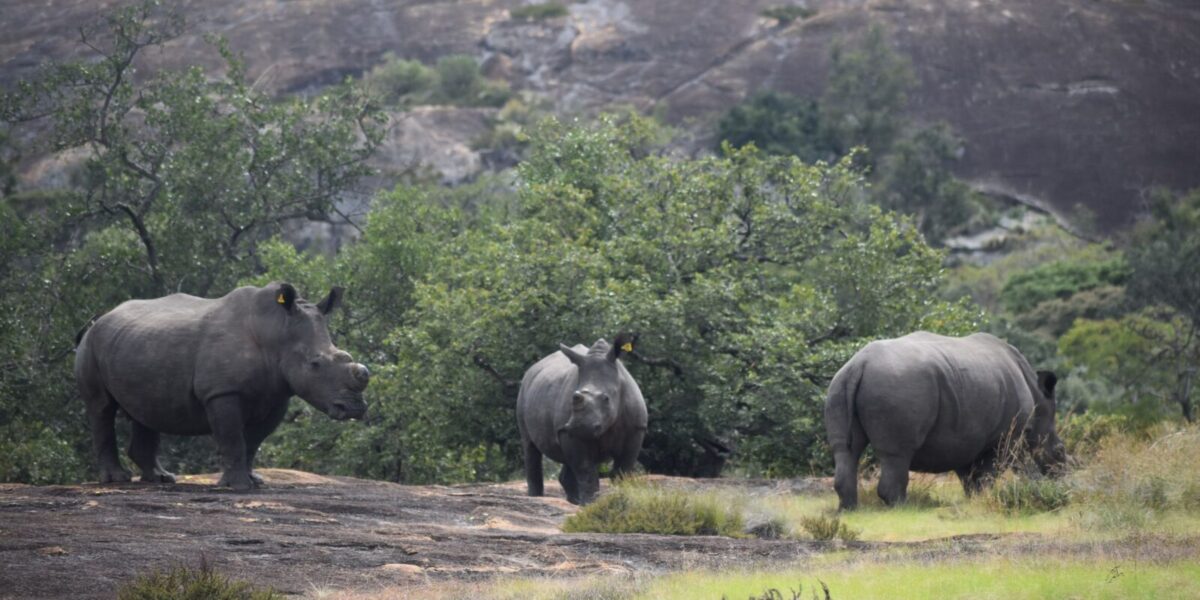
Tracking Rhino on Foot in Zimbabwe: Heart-Pounding Encounter
Tracking a rhinoceros on foot in Zimbabwe offers a very different wildlife experience from observing animals through the window of a safari vehicle. The activity places travellers within the landscape, where footprints, broken vegetation, animal sounds, and the direction of the wind become important clues. Every movement requires attention, and the presence of a large wild animal demands considerable respect.
A tracking rhino foot Zimbabwe safari experience combines professional guiding, wildlife education, and the excitement of exploring suitable habitats at ground level. Rather than pursuing animals aggressively, experienced guides interpret signs and assess whether conditions allow safe observation. The experience depends on patience, careful movement, and responsible decisions.
Zimbabwe supports important rhinoceros conservation initiatives, including populations in protected areas and privately managed conservation landscapes. Guided tracking can help visitors understand the challenges these animals face while contributing to awareness of their protection. However, rhino tracking involves inherent risks, and visitors should participate only through authorised, professionally managed activities.
Understanding Rhino Tracking on Foot
Rhino tracking involves searching for signs of rhinoceros activity and following suitable evidence through natural habitat. Guides may examine footprints, dung, feeding marks, and movement routes. These clues help them understand where animals have travelled.
The objective is not to chase or corner a rhino. Responsible tracking allows guides to interpret behaviour and decide whether a safe viewing opportunity exists. Sometimes conditions require the group to stop or withdraw without seeing an animal.
Walking through rhino habitat creates an immersive experience because visitors become more aware of the environment. Sounds, scents, vegetation, and terrain all contribute to the activity. The process of tracking can be rewarding even without a close sighting.
Why Zimbabwe Is an Important Rhino Destination
Zimbabwe contains protected landscapes that support black and white rhinos through conservation and management programmes. The country’s rhino populations have faced serious historical pressures, including poaching. Continued protection remains essential.
Matobo National Park is particularly associated with rhino conservation and guided wildlife experiences. Its granite hills, woodland, and distinctive scenery create an unusual setting for exploring natural habitats. Other conservation areas also support rhinos under different management arrangements.
The availability of walking activities depends on park rules, wildlife conditions, and operator permissions. Travellers should confirm current programmes rather than assuming that every rhino reserve permits tracking on foot.
Black Rhinos and White Rhinos in Zimbabwe
Zimbabwe supports both African rhinoceros species, although their distribution and population conditions vary. Black rhinos primarily browse on shrubs and woody vegetation, while white rhinos generally graze on grasses. Their different feeding strategies influence where guides search for signs.
Black rhinos possess pointed upper lips adapted to grasp vegetation. White rhinos have broad mouths suited to cropping grass. Their body proportions and typical feeding postures also differ.
Both species can respond dangerously when surprised or threatened. Their behaviour depends on individual circumstances, terrain, and the presence of calves. Guides must assess these factors throughout a tracking activity.
Preparing for a Rhino Tracking Experience
A guided rhino tracking excursion usually begins with a briefing about safety and expectations. The guide explains how participants should move, communicate, and respond to instructions. Travellers should listen carefully because walking in large-mammal habitat requires discipline.
Preparation also involves suitable clothing and footwear. Neutral colours, comfortable walking shoes, and lightweight layers generally work well. A hat, drinking water, and sun protection contribute to comfort.
Participants should disclose relevant mobility limitations or medical concerns before the activity. Walking distances and terrain can vary considerably. The operator can then assess whether the experience is appropriate.
The Importance of Professional Guides
Professional guides bring essential knowledge of rhino behaviour, local terrain, and wildlife safety. They understand how to interpret tracks and identify environmental conditions that may influence animal movement. Their training helps them make decisions that visitors cannot safely make independently.
Guides may work alongside conservation personnel or authorised trackers, depending on the location. Their knowledge of individual animals and habitat use can improve interpretation. However, they cannot guarantee sightings.
Responsible guiding includes knowing when not to approach. If an animal appears agitated or the terrain creates excessive risk, the guide may withdraw. This judgment protects both visitors and wildlife.
Following Rhino Footprints
Rhino footprints provide valuable information about recent movement. Their broad shape and distinctive toe impressions can help guides identify the species and direction of travel. Soil conditions influence how clearly tracks appear.
Fresh tracks may be easier to recognise in damp earth or soft sand. Hard or rocky ground can make tracking more difficult. Guides therefore examine several signs rather than relying on a single footprint.
Following tracks requires patience and careful observation. The animal may have travelled a considerable distance or changed direction. Tracking remains an interpretive process rather than a guaranteed route to a sighting.
Reading Feeding Signs in the Bush
Rhinos leave evidence of their feeding activity on vegetation. Black rhinos may browse shrubs and small trees, while white rhinos crop grasses. Guides can use these differences to identify suitable habitat.
Freshly disturbed branches or grazed patches may suggest recent activity, but other herbivores can create similar signs. Experienced trackers consider the surrounding evidence before drawing conclusions. This careful interpretation improves accuracy.
Learning to recognise feeding signs helps travellers understand how rhinos influence vegetation. Their ecological role extends beyond their impressive appearance. They contribute to the structure and functioning of natural habitats.
Why Wind Direction Matters
Wind direction can influence whether wildlife detects people approaching through its habitat. Rhinos possess a strong sense of smell, which helps them identify unfamiliar scents. Guides therefore consider wind conditions when selecting a route.
However, wind direction alone does not determine safety. Visibility, terrain, animal behaviour, and escape options also matter. A responsible guide evaluates several factors together.
Travellers should follow the guide’s instructions about movement and positioning. Attempting to approach independently can create unnecessary risks. Professional judgment remains essential.
The First Signs That a Rhino May Be Nearby
A tracking group may encounter fresh dung, recently disturbed vegetation, or clear footprints. These signs can suggest that a rhino has passed through the area. However, they do not establish its exact location.
Guides may pause frequently to listen and scan the surroundings. Birds and other animals sometimes respond to nearby large mammals, although their behaviour can have many explanations. Interpreting these signs requires experience.
The anticipation can become intense as the group moves carefully through suitable habitat. Every sound seems more noticeable. This heightened awareness contributes to the distinctive atmosphere of walking safaris.
The Moment of Seeing a Rhino on Foot
A natural rhino sighting from ground level can feel extraordinary because the animal’s size and strength become immediately apparent. A large body moving through grass or woodland creates a powerful impression. The experience differs considerably from viewing through a vehicle.
The guide determines whether the group can observe safely and where participants should remain. Travellers should stay together, avoid sudden movements, and follow instructions. Photography must never interfere with safety.
A successful encounter does not require close proximity. Observing a rhino calmly from a suitable distance can provide an exceptional experience. Respectful viewing allows the animal to continue its natural behaviour.
Understanding Rhino Body Language
Rhinos communicate through posture, movement, scent marking, and vocalisations. Their reactions vary according to species and individual circumstances. Guides assess these signals to understand whether an animal appears comfortable or disturbed.
A rhino may raise its head, change direction, or investigate an unfamiliar scent. These actions do not always indicate aggression, but they require careful interpretation. Visitors should avoid making assumptions.
The guide may decide to move away when an animal’s behaviour changes. This decision should not be viewed as a failed experience. Responsible wildlife observation places safety and animal welfare first.
Why Rhino Tracking Can Feel Intense
Walking in the presence of large wildlife creates a strong sense of vulnerability and awareness. Travellers cannot rely on a vehicle as a physical barrier. They become more attentive to the landscape and the guide’s instructions.
The experience can produce excitement, nervousness, and fascination simultaneously. These feelings often reflect the unfamiliarity of encountering powerful wildlife at ground level. A calm guide helps participants understand the situation.
The intensity should never become the purpose of the activity. Professional tracking does not involve provoking charges or encouraging dangerous encounters. Its value lies in learning, observation, and respect.
Rhino Tracking Safety Rules
Participants must follow the instructions of their authorised guide throughout the activity. They should remain with the group and avoid independent movement. Sudden actions or unnecessary noise can complicate wildlife encounters.
Guides establish suitable viewing distances and decide when to stop or retreat. Visitors should not approach rhinos for photographs or attempt to attract their attention. Wildlife safety depends on maintaining control of the situation.
Walking safaris involve inherent risks that cannot be eliminated completely. Choosing reputable operators with appropriate training, permissions, and procedures is essential. Travellers should discuss safety arrangements before booking.
Why Rhinos Sometimes Charge
Rhinos may charge when they perceive threats, become startled, or respond defensively to nearby activity. Dense vegetation can increase the possibility of surprise encounters. Individual temperament and environmental conditions also influence responses.
A charge can create serious danger because rhinos possess substantial body mass and strength. Travellers should never attempt to test an animal’s reaction. Professional guides work to avoid situations that might provoke defensive behaviour.
Understanding these risks encourages respect rather than fear. Rhinos do not exist to provide dramatic confrontations for tourists. Responsible tracking seeks observation without unnecessary disturbance.
Rhino Tracking in Matobo National Park
Matobo National Park is known for its distinctive granite formations, cultural heritage, and rhino conservation significance. The landscape combines rocky hills, woodland, and open areas that create varied wildlife habitats. Authorised guided activities can introduce visitors to this environment.
The park’s scenery adds considerable value to a tracking excursion. Travellers may learn about vegetation, smaller wildlife, and the region’s conservation history. Rhino observation becomes part of a broader natural experience.
Activity availability and procedures should be confirmed with the relevant operator and park authorities. Not every route or area permits the same activities. Planning ensures that visitors follow current requirements.
The Conservation Importance of Zimbabwe’s Rhinos
Rhinos face serious threats from illegal wildlife trade and habitat pressures. Demand for their horns has contributed to poaching across parts of Africa. Conservation programmes work to protect remaining populations through monitoring, security, and habitat management.
Zimbabwe’s conservation efforts involve wildlife authorities, private organisations, and local communities. Their approaches vary according to location and management needs. Long-term success depends on sustained protection.
Responsible tourism can support conservation awareness and economic activity linked to protected landscapes. However, visitor experiences should never compromise security or animal welfare. Conservation remains the primary objective.
How Rhino Monitoring Supports Protection
Conservation teams may monitor individual rhinos to assess movement, health, and population changes. Identification records help researchers understand survival and reproduction. Such information supports management decisions.
Monitoring methods vary between protected areas. Some programmes use direct observation, camera traps, or other appropriate technologies. Sensitive information about rhino locations may remain confidential for security reasons.
Safari travellers can learn about these efforts without requesting restricted details. Understanding conservation work adds meaning to wildlife encounters. It also highlights the resources required to protect threatened species.
Community Involvement in Rhino Conservation
Communities living near protected areas play important roles in long-term conservation. Wildlife protection can create employment opportunities through guiding, hospitality, and related services. Effective partnerships also help address conflict over land and resources.
Community benefits depend on fair participation and transparent management. Conservation initiatives should recognise local priorities and encourage meaningful involvement. Sustainable tourism can contribute when it supports these principles.
Travellers can choose operators that demonstrate responsible community engagement. Their spending may help support local employment and conservation-linked livelihoods. Ethical tourism strengthens the connection between wildlife protection and economic opportunity.
The Best Time for Rhino Tracking in Zimbabwe
Zimbabwe’s dry season often provides favourable conditions for walking activities because vegetation may become less dense and rainfall generally decreases. Cooler mornings can also improve walking comfort. However, conditions vary by location and month.
During warmer periods, guides may arrange early departures to avoid excessive heat. Wildlife movements depend on water availability and feeding resources. Seasonal changes influence tracking conditions.
The ideal travel period also depends on broader itinerary interests. Travellers may wish to combine rhino tracking with game drives, cultural attractions, or Victoria Falls. A knowledgeable operator can recommend suitable dates.
Photographing Rhinos During a Walking Safari
Rhino photography on foot requires careful attention to safety and distance. A telephoto lens can help capture images without approaching closely. Travellers should keep equipment manageable while walking.
Photographers must follow the guide’s positioning instructions. Moving independently to improve an angle can create dangerous situations. The animal’s welfare remains more important than obtaining a particular image.
Natural behaviour often produces the most meaningful photographs. A rhino grazing or browsing within its habitat can tell a powerful conservation story. Responsible photography respects the animal’s space.
Combining Rhino Tracking with Victoria Falls
Zimbabwe offers opportunities to combine wildlife experiences with a visit to Victoria Falls. Travellers can explore the waterfall and surrounding attractions before or after visiting suitable rhino conservation areas. The combination creates a varied itinerary.
Travel distances depend on the chosen parks and accommodation. Matobo lies near Bulawayo, while Victoria Falls occupies the country’s northwestern region. A well-planned route should allow realistic travel time.
Additional activities may include game drives, birdwatching, and cultural excursions. Combining experiences creates a broader understanding of Zimbabwe. Southern Africa Tours can help organise suitable connections.
What Makes Rhino Tracking Different from a Game Drive?
A game drive allows visitors to explore wildlife habitats from a vehicle, often covering greater distances. Rhino tracking on foot focuses on slower movement and interpreting signs within a smaller area. The experience encourages close attention to the environment.
Walking also reveals details that vehicles may overlook, including insects, plants, tracks, and soil conditions. Guides can explain these ecological relationships. The educational value extends beyond finding a rhino.
Both activities offer important advantages. Travellers can combine them to gain different perspectives on wildlife. The choice depends on physical ability, safety requirements, and personal interests.
Who Should Consider Rhino Tracking?
Rhino tracking may appeal to travellers interested in conservation, wildlife behaviour, and guided walking experiences. Participants should feel comfortable following instructions and walking over natural terrain. Physical requirements vary by operator.
The activity may not suit every traveller, particularly those with significant mobility limitations or concerns about walking near large wildlife. Age restrictions can also apply. Operators should explain requirements before confirming bookings.
Travellers who prefer vehicle-based observation can still enjoy rewarding rhino encounters. A safari should match individual comfort and ability. Responsible planning provides suitable alternatives.
Plan Your Safari
Tracking rhinos on foot in Zimbabwe offers an immersive opportunity to understand these powerful animals and the landscapes they inhabit. The experience combines tracking skills, conservation knowledge, and responsible wildlife observation. Professional guidance remains essential because encounters with large wild animals involve inherent risks.
Southern Africa Tours can arrange Zimbabwe safaris that include authorised rhino tracking experiences where available, alongside game drives, cultural visits, and Victoria Falls excursions. Our itineraries prioritise experienced guides, appropriate safety procedures, and responsible conservation practices. Contact Southern Africa Tours to plan a memorable Zimbabwe wildlife adventure.