Swimming in the Okavango
November 5, 2026
Tracking Rhino on Foot in Zimbabwe
November 5, 2026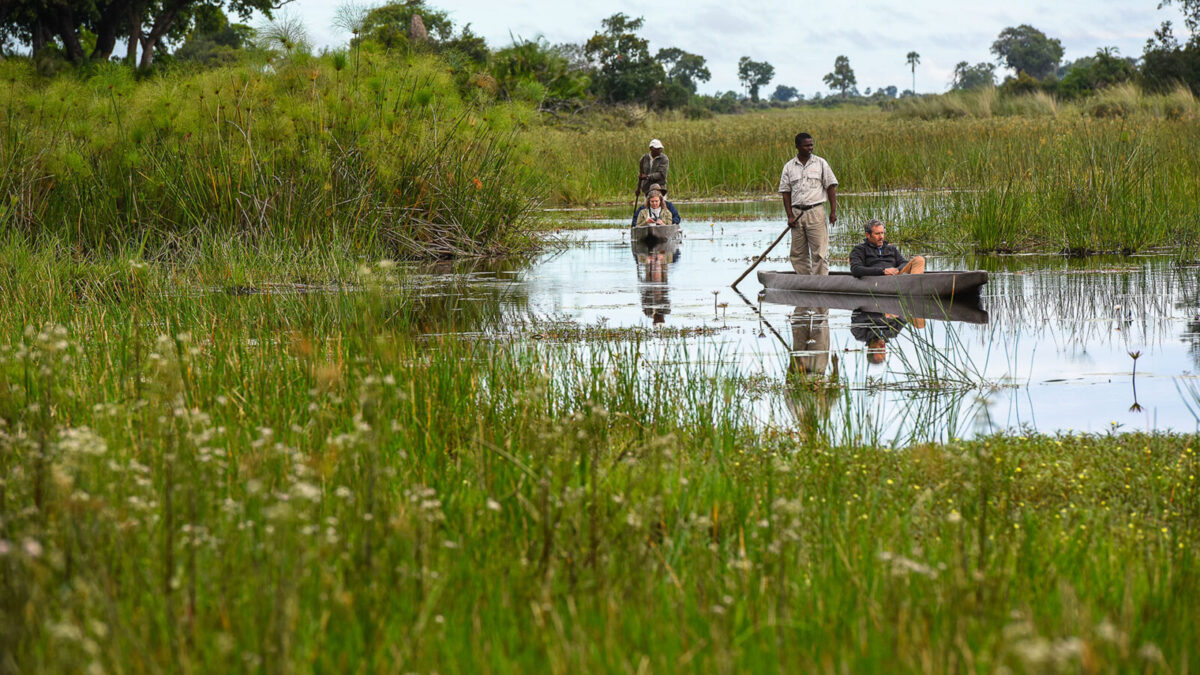
Mokoro at Dawn: The Most Peaceful Moment on the Okavango
The Okavango Delta offers some of Africa’s most remarkable wilderness experiences, but few activities capture its quiet beauty as effectively as a mokoro excursion at dawn. As the first sunlight reaches the waterways, travellers glide through narrow channels surrounded by reeds, water lilies, and the sounds of awakening wildlife. The slow movement creates an intimate connection with the landscape that differs considerably from a traditional vehicle safari.
A mokoro dawn Okavango Delta experience allows visitors to appreciate the intricate relationship between water, vegetation, and wildlife. Instead of relying on engines, a trained poler guides the craft through suitable shallow channels using a long pole. The resulting journey encourages observation of smaller details that travellers might overlook during faster activities.
For visitors seeking tranquillity, the experience provides an opportunity to appreciate Botswana’s natural heritage without rushing between wildlife sightings. The gentle movement, changing morning colours, and knowledge of local guides combine to create an unforgettable safari activity.
Understanding the Okavango Delta
The Okavango Delta lies in northern Botswana and forms one of the world’s most remarkable inland wetland systems. Water flows into the region from the Angolan highlands, spreading across channels, floodplains, and islands rather than reaching the ocean. This unusual hydrological system supports diverse wildlife habitats.
The delta changes considerably throughout the year as rainfall and floodwaters influence water levels. Seasonal flooding creates new channels and alters access to different areas. These conditions shape wildlife movements and determine which activities operators can offer.
The region supports elephants, buffalo, antelope, predators, birds, and numerous aquatic species. Its combination of permanent water and seasonal floodplains creates exceptional biodiversity. A mokoro excursion introduces travellers to this environment from a particularly peaceful perspective.
What Is a Mokoro?
A mokoro is a traditional narrow watercraft associated with the waterways of the Okavango Delta. Historically, local communities used mokoro craft for transport, fishing, and movement through shallow channels. The design allows a skilled poler to navigate areas that larger boats cannot easily access.
Traditional mokoro craft were often carved from suitable tree trunks. Many modern safari operations now use fibreglass versions to reduce pressure on trees and improve durability. Both types reflect the region’s longstanding relationship with water-based travel.
A mokoro typically carries a small number of passengers, while the poler stands at the rear and controls movement with a long pole. The experience differs from motorboat excursions because it emphasises quiet movement and close observation.
Why Dawn Is Special in the Okavango
Dawn brings a distinctive atmosphere to the delta as temperatures remain cool and the landscape gradually becomes visible. Birds begin calling from reeds and trees, while early sunlight reflects across the water. The soft light creates excellent conditions for photography and quiet observation.
Some wildlife species become active during the cooler morning hours. Antelope may feed along island edges, while birds search for food around shallow channels. However, sightings depend on natural movement and local conditions.
The peaceful setting often becomes the main attraction. Travellers hear the gentle movement of water and the sounds of wildlife without the constant noise of an engine. These details create a strong sense of immersion in the environment.
Preparing for an Early Morning Mokoro Excursion
A dawn mokoro activity usually begins with an early departure from the lodge or camp. Guests may enjoy tea or coffee before travelling to the launching area. The exact arrangements depend on accommodation location, water levels, and the operator’s programme.
Guides explain safety procedures before passengers board. They may discuss seating positions, movement restrictions, and how to protect personal belongings. Following these instructions helps maintain balance and comfort.
Morning temperatures can feel cool, especially during Botswana’s winter months. Travellers should bring suitable layers, a hat, sunscreen, and drinking water. A small waterproof bag can protect cameras and other essentials.
The First Moments on the Water
The experience begins as the poler gently pushes the mokoro away from the launching point. The craft moves slowly through the water, allowing passengers to settle into the rhythm. Surrounding vegetation often creates the impression of entering a secluded natural corridor.
Without engine noise, smaller sounds become more noticeable. Water moves against the hull, insects call from nearby reeds, and birds announce the beginning of the day. These details establish the atmosphere.
The poler carefully selects a route through suitable channels. Water depth, vegetation, and local conditions influence the journey. Passengers can relax while the guide manages navigation.
How Mokoro Polers Navigate the Delta
Experienced mokoro polers possess detailed knowledge of local waterways and seasonal conditions. They use long poles to propel and steer the craft through shallow channels. Their movements require balance, coordination, and an understanding of the environment.
Navigation can become challenging when water levels change or vegetation restricts access. Polers assess the depth and direction of channels before proceeding. Their knowledge helps avoid unsuitable areas.
Many guides also understand the ecology and cultural history of the delta. They may explain how local communities have traditionally used waterways for transport and daily activities. This knowledge adds cultural depth to the experience.
Wildlife You May See from a Mokoro
Mokoro excursions often provide opportunities to observe birds, frogs, insects, and smaller aquatic wildlife. Kingfishers may perch above channels, while herons search for food in shallow water. Water lilies and other plants contribute to the scenery.
Larger mammals may occasionally appear along island edges or distant floodplains. However, mokoro activities do not guarantee close encounters with elephants, buffalo, or predators. Responsible guides maintain appropriate distances from potentially dangerous animals.
The experience rewards attention to subtle ecological details. Travellers may notice animal tracks along muddy banks or unusual bird behaviour. These observations provide insight into the delta’s biodiversity.
Birdwatching During a Mokoro Safari
The Okavango Delta supports a remarkable diversity of birdlife. Wetland species exploit channels, lagoons, reedbeds, and floodplain habitats. A quiet mokoro allows travellers to observe some birds without the disturbance associated with motorised movement.
African jacanas may walk across floating vegetation, while kingfishers watch for fish from suitable perches. Herons, egrets, and other waterbirds search for food along shallow margins. The exact species depend on location and season.
Birdwatchers benefit from carrying binoculars and allowing time for observation. Guides can identify calls and explain feeding behaviour. Even travellers without specialist birdwatching interests often find these encounters rewarding.
Water Lilies and the Delta’s Aquatic Plants
Water lilies are among the most recognisable plants associated with the Okavango’s channels and lagoons. Their floating leaves and flowers create attractive patterns across calm water. Different species contribute to the wetland’s ecological diversity.
Aquatic plants provide shelter and feeding opportunities for insects, fish, and other organisms. Their presence influences the structure of shallow-water habitats. They also contribute to the distinctive scenery of mokoro excursions.
Guides may explain the traditional uses or ecological importance of selected plants. Visitors should avoid removing flowers or disturbing vegetation unnecessarily. Responsible observation helps protect the habitat.
The Role of Local Communities in Mokoro Tourism
Mokoro travel reflects the knowledge and traditions of communities that have lived around the delta for generations. Local guides possess valuable understanding of water conditions, wildlife behaviour, and landscape changes. Their expertise supports safe and meaningful tourism.
Community-based tourism initiatives can create employment and income through guiding, transport, and hospitality. These benefits depend on fair participation and responsible management. Travellers can support such initiatives by choosing reputable operators.
Cultural knowledge adds depth to the experience. A mokoro excursion becomes more than a scenic ride when guides explain how people have interacted with the wetland over time. Respectful engagement strengthens the connection between tourism and local heritage.
Is a Mokoro Safari Safe?
Mokoro activities involve travel through natural waterways, so operators must assess conditions carefully. Trained polers select suitable routes and follow local safety procedures. Guests should listen to instructions and avoid sudden movements.
The Okavango supports potentially dangerous wildlife, including hippos, crocodiles, and elephants. Professional guides maintain appropriate distances and avoid areas where encounters could create unnecessary risks. Wildlife movements remain unpredictable.
Visitors should never attempt an unguided mokoro excursion in unfamiliar waterways. Choosing experienced operators and following instructions significantly improves safety. Responsible tourism places welfare above the pursuit of dramatic encounters.
Understanding Hippos and Crocodiles in the Delta
Hippos and crocodiles form important parts of the Okavango’s aquatic ecosystems. Hippos use suitable waterways for resting and cooling, while crocodiles occupy rivers, lagoons, and other wetland habitats. Their presence requires careful navigation.
Mokoro guides understand the importance of avoiding close approaches to these animals. Hippos can react defensively when disturbed, particularly in confined waterways. Crocodiles also require appropriate caution.
Travellers should not expect guides to approach dangerous animals for photographs. Safe observation from suitable distances protects both visitors and wildlife. The peaceful character of a mokoro excursion depends on responsible decisions.
Mokoro Safari vs Motorboat Safari
Mokoro and motorboat excursions provide different perspectives on the Okavango Delta. The Mokoro craft move slowly through suitable shallow channels, allowing close observation of vegetation and smaller wildlife. Their quiet operation creates a tranquil atmosphere.
Motorboats can cover greater distances and access deeper waterways where conditions permit. They may provide opportunities to explore larger channels and lagoons. However, their routes depend on water levels and local regulations.
Neither activity is universally superior. Travellers interested in quiet immersion may prefer mokoro excursions, while those seeking broader exploration may enjoy motorboat safaris. Combining both can provide a more complete understanding of the delta.
Mokoro Safari vs Traditional Game Drive
A traditional game drive allows travellers to explore terrestrial habitats and search for larger mammals. Vehicles can cover considerable distances and follow established tracks. This approach often provides opportunities to observe predators and large herbivores.
A mokoro excursion emphasises waterways, vegetation, birdlife, and the atmosphere of the wetland. Its slower pace encourages attention to details that may remain unnoticed from a vehicle. Large-mammal sightings are generally less predictable.
Combining activities creates a balanced safari experience. Guests can explore both aquatic and terrestrial environments. This variety highlights the ecological complexity of the Okavango Delta.
The Best Time of Year for a Mokoro Safari
Mokoro availability depends strongly on water levels. The Okavango’s annual floodwaters generally arrive after rainfall in the Angolan highlands, creating seasonal changes that differ from local rainfall patterns. Some areas support water activities for longer periods than others.
The dry-season months often provide attractive wildlife-viewing conditions in Botswana. However, suitable mokoro routes depend on the particular concession and local hydrology. Travellers should confirm activity availability before booking.
Rainy-season conditions create greener landscapes and different wildlife opportunities. Some channels may remain navigable, while others become unsuitable. A knowledgeable operator can recommend appropriate travel dates.
Photography During a Dawn Mokoro Excursion
Dawn provides excellent opportunities for landscape photography because the light changes gradually across the water. Reflections, reeds, and water lilies can create compelling compositions. The low position of the camera adds an unusual perspective.
Photographers should protect equipment from splashes and accidental immersion. Waterproof bags and secure straps are useful. Large or unstable equipment setups may be unsuitable for narrow craft.
Wildlife photography requires patience because the mokoro moves gently and animals may remain concealed. A compact camera or manageable telephoto lens can be practical. Respecting the guide’s instructions remains essential.
Why a Mokoro Safari Feels So Peaceful
The tranquillity of a mokoro excursion comes from its slow movement and close relationship with the environment. Passengers do not need to search constantly for dramatic wildlife encounters. The surrounding sounds and scenery become central to the experience.
The absence of engine noise allows travellers to notice small changes in the landscape. A bird landing on a reed or sunlight moving across water can become memorable. These moments encourage a different form of wildlife appreciation.
The experience also provides a contrast to busy travel schedules. Time seems to move more slowly as the craft follows natural channels. Many visitors remember this atmosphere long after returning home.
Choosing the Right Okavango Safari Camp
Not every Okavango safari camp offers mokoro excursions throughout the year. Activity availability depends on location, water levels, concession rules, and operating arrangements. Travellers should confirm details before selecting accommodation.
Some camps specialise in water-based activities, while others focus primarily on game drives. Properties in mixed habitats may provide both. The appropriate choice depends on wildlife interests and travel season.
Comfort, guiding quality, and environmental responsibility should also influence decisions. A well-positioned camp with experienced local guides can create an exceptional experience. Southern Africa Tours can help match accommodation to preferred activities.
Conservation of the Okavango Delta
The Okavango Delta supports important freshwater habitats and wildlife populations. Its ecological health depends on natural water flows, functioning wetlands, and responsible land management. Changes in upstream water use or local environmental conditions can affect the system.
Conservation initiatives work to protect habitats while supporting communities that depend on the delta. Responsible tourism can contribute to employment and conservation funding. Sustainable practices help maintain the region’s ecological value.
Mokoro activities can support low-impact exploration when operators follow appropriate guidelines. Protecting waterways and wildlife ensures that future travellers can enjoy similar experiences. Conservation remains central to the delta’s long-term appeal.
Plan Your Safari
A mokoro excursion at dawn offers a peaceful introduction to the extraordinary waterways of Botswana’s Okavango Delta. The gentle movement, changing morning light, and sounds of wildlife create an experience that differs from conventional game drives. Skilled local guides add ecological knowledge and cultural context to the journey.
Southern Africa Tours can arrange Okavango Delta safaris that combine mokoro excursions, game drives, comfortable accommodation, and other suitable activities. Our itineraries reflect seasonal water conditions and individual travel interests. Contact Southern Africa Tours to plan a Botswana safari that includes the tranquillity of a dawn mokoro experience.