
What Is a Pangolin?
November 5, 2026
Termite Mounds in Africa
November 5, 2026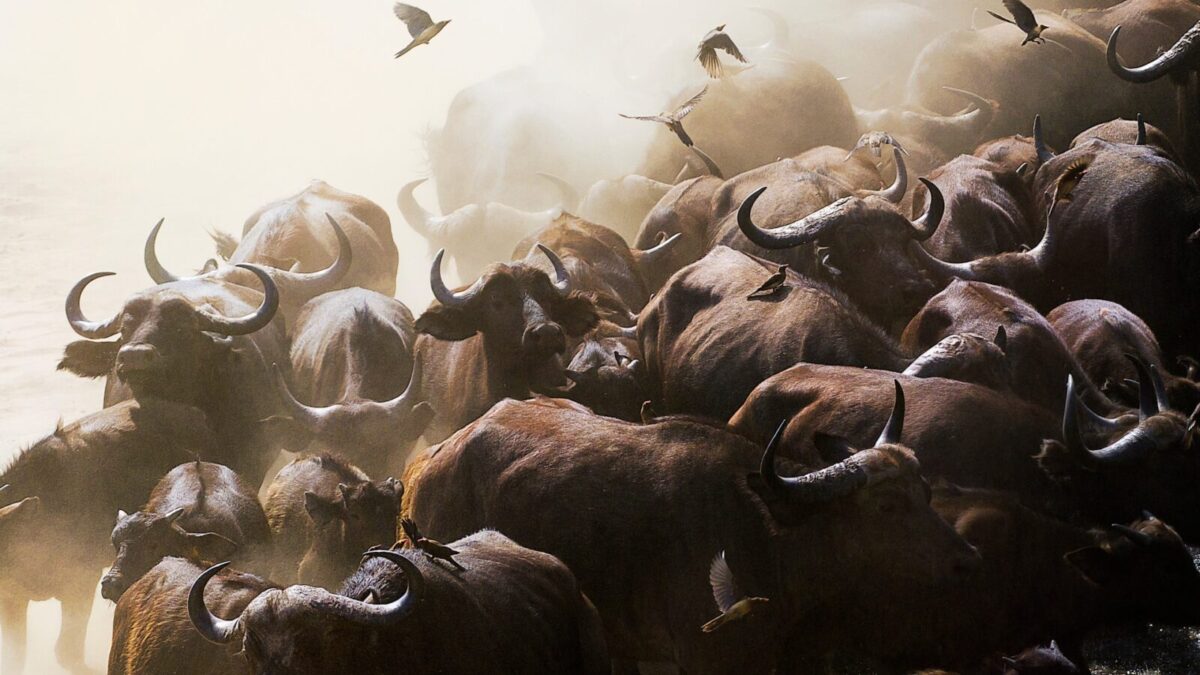
Cape Buffalo Herd Behaviour: Why They’re the Most Dangerous Big Five
The African buffalo is one of the most formidable animals encountered on safari, recognised for its powerful body, heavy horns, and complex social behaviour. Often called the Cape buffalo in southern and eastern African safari contexts, this large bovine belongs to Africa’s famous Big Five. Its reputation for unpredictability has made it a subject of fascination among travellers, but understanding Cape buffalo herd behaviour safari experiences requires moving beyond dramatic descriptions.
Buffalo live in social groups that may contain hundreds of animals, although herd sizes vary according to habitat, season, and population conditions. Their relationships influence feeding, movement, vigilance, and responses to predators. Large herds can provide protection, but buffalo also face considerable challenges from lions, drought, disease, and competition for resources.
For safari travellers, observing buffalo behaviour provides insight into the social organisation of African herbivores. A herd moving towards water, resting in grassland, or responding to predators demonstrates the importance of cooperation and communication. Experienced guides can interpret these interactions while maintaining appropriate safety distances.
Understanding the African Cape Buffalo
The African buffalo belongs to the species Syncerus caffer, which includes several recognised forms across the continent. The Cape buffalo is particularly associated with eastern and southern African savannah habitats. Its substantial body, dark coat, and curved horns distinguish it from many other grazing mammals.
Adult males can develop prominent horn structures, including a thickened base known as the boss. Females also possess horns, although their shape and size generally differ. These features contribute to defence and social interactions.
Buffalo occupy grasslands, savannahs, woodland, and areas near suitable water sources. Their distribution depends on grazing resources and environmental conditions. They form important components of African herbivore communities.
Why Cape Buffalo Are Considered Dangerous
Cape buffalo possess exceptional strength and can respond aggressively when threatened or injured. Their horns and substantial body mass create serious risks during close encounters. However, the popular description of buffalo as the most dangerous Big Five animal lacks a universal scientific ranking.
Danger depends on the circumstances, including animal behaviour, distance, terrain, and human actions. A buffalo that feels cornered may react differently from one grazing calmly within a large herd. Individuals with injuries or calves may also behave defensively.
Safari guides treat buffalo with considerable respect because of their strength and unpredictable responses under pressure. Responsible viewing involves maintaining suitable distances and avoiding situations that block escape routes. Understanding behaviour is more useful than relying on sensational reputations.
How Cape Buffalo Herds Are Organised
Buffalo herds often contain adult females, young animals, and males of different ages. Group composition changes according to season, reproduction, and environmental conditions. Large mixed herds can provide opportunities for shared vigilance and social interaction.
Adult males may also form smaller bachelor groups or spend periods alone. Older bulls sometimes separate from large herds and occupy suitable grazing areas. These arrangements reflect differences in age, reproductive status, and individual circumstances.
Herd organisation is flexible rather than permanently fixed. Animals may join or leave groups as conditions change. Researchers study these movements to understand social relationships and population dynamics.
Why Buffalo Form Large Herds
Large herds can reduce individual vulnerability to predators by increasing the number of animals watching for danger. Collective movement may also make it difficult for predators to isolate particular individuals. These advantages contribute to the success of group living.
However, large groups also create competition for grazing resources and water. Buffalo must balance the benefits of social protection against the costs of sharing limited food. Seasonal conditions influence this balance.
During favourable periods, herds may spread across productive grasslands. In drier conditions, animals sometimes concentrate near reliable water sources. Their group behaviour reflects the availability of resources.
Communication Within Buffalo Herds
Buffalo communicate through vocalisations, body movements, scent, and physical interactions. These signals help individuals maintain contact and respond to changing circumstances. Their communication becomes particularly important when herds move through dense vegetation.
Vocalisations may accompany movement, social interactions, or responses to threats. Body posture can indicate attention or agitation. Experienced guides interpret several signals together rather than relying on a single movement.
Communication also contributes to coordination when herds change direction or approach water. Individuals respond to nearby animals and environmental cues. These interactions demonstrate the complexity of large herbivore societies.
How Buffalo Respond to Lions
Lions are among the most important natural predators of African buffalo. Their hunting strategies may involve cooperation, particularly when targeting large adults. Buffalo respond through vigilance, movement, and defensive behaviour.
Herd members sometimes gather around vulnerable individuals or confront approaching predators. Adult buffalo can use their horns and body mass to discourage attacks. However, successful defence depends on the number and condition of animals involved.
Lions may target calves, weakened individuals, or adults under favourable circumstances. Buffalo hunting remains dangerous because prey can inflict serious injuries. These encounters reveal the balance between predator cooperation and herbivore defence.
Do Buffalo Protect Injured Herd Members?
Buffalo sometimes display collective defensive behaviour when predators threaten members of a group. Individuals may approach a confrontation or attempt to drive predators away. Such actions can create the impression of organised rescue.
However, researchers interpret these behaviours cautiously because individual motivations are difficult to establish. Defensive responses may reflect group protection, social relationships, or reactions to nearby threats. Not every herd responds in the same way.
Safari visitors may observe buffalo confronting lions or gathering around vulnerable animals. These encounters demonstrate the potential advantages of group living. They should not be interpreted as evidence that buffalo always rescue injured companions.
The Role of Dominant Bulls
Adult male buffalo can compete for reproductive opportunities through displays and physical confrontations. Their substantial horns and body mass influence these interactions. However, herd organisation does not always involve one permanent dominant male controlling every animal.
Male relationships change according to age, physical condition, and reproductive circumstances. Some bulls spend considerable time within mixed herds, while others form smaller associations. Their movements can influence breeding opportunities.
Researchers study male behaviour to understand reproductive strategies and social competition. These findings demonstrate that buffalo societies are more flexible than simple dominance descriptions suggest. Guides can explain these patterns during sightings.
Buffalo Mothers and Calf Protection
Female buffalo provide nourishment and protection to their calves during early development. Young animals remain close to adults while learning to move with the herd. Their survival depends partly on maternal care and the protection offered by group living.
Calves are vulnerable to predators because they lack the size and strength of mature buffalo. Mothers may respond defensively when threats approach. Other herd members can also influence the outcome of predator encounters.
Young buffalo gradually develop grazing abilities and social awareness. They learn to respond to movement and warning signals within the group. These experiences prepare them for adult life.
Why Buffalo Need Water
Buffalo depend on regular access to water, particularly in hot environments. Their substantial bodies and grazing diets create significant hydration requirements. Rivers, pools, and waterholes therefore influence their distribution.
During the dry season, herds may travel between grazing areas and reliable water sources. These movements can create predictable wildlife-viewing opportunities in some protected areas. However, routes vary according to local conditions.
Water scarcity can increase competition and affect body condition. Protecting access to freshwater habitats remains important for buffalo conservation. Healthy river systems also support numerous other wildlife species.
Buffalo Grazing Behaviour
Cape buffalo primarily graze on grasses, using their broad mouths to consume substantial quantities of vegetation. Their feeding preferences vary according to grass availability and nutritional quality. Seasonal rainfall influences where herds concentrate.
Buffalo grazing can affect vegetation structure and create opportunities for other herbivores. Their movement across landscapes also contributes to nutrient redistribution. These processes make them important participants in savannah ecosystems.
Large herds require extensive grazing resources. Habitat fragmentation can restrict movement between suitable feeding areas. Conservation management must therefore consider the spatial needs of buffalo populations.
Why Old Buffalo Bulls Become Solitary
Older male buffalo sometimes separate from large mixed herds and spend time alone or in small bachelor groups. These animals may occupy areas near water and suitable grazing resources. Their behaviour reflects changes in social and reproductive circumstances.
Solitary bulls have developed a reputation for being particularly dangerous. However, individual behaviour varies, and not every older bull responds aggressively to people. Their size and potential defensive reactions nevertheless require caution.
Safari guides maintain appropriate distances from solitary buffalo and avoid surprising animals in dense vegetation. Visitors should never approach on foot without authorised professional supervision. Safety depends on respecting individual behaviour.
Buffalo and Their Natural Predators
Lions represent a major predator of adult buffalo, but calves may also face threats from other carnivores. Predator pressure varies according to habitat and population conditions. Large buffalo can be difficult and dangerous prey.
Spotted hyenas may exploit vulnerable buffalo or available carcasses. Crocodiles can also pose risks in certain aquatic environments. These interactions contribute to the broader food web.
Predation influences buffalo movement and vigilance. However, buffalo populations also respond to food availability, disease, and environmental conditions. Their ecology cannot be explained by predators alone.
Buffalo Behaviour During the Dry Season
Dry-season conditions can reduce grazing quality and concentrate animals around remaining water sources. Herds may travel greater distances to locate suitable resources. Their movement patterns reflect changing environmental conditions.
Competition can increase when large numbers of buffalo share limited grazing areas. Weakened animals may become more vulnerable to predators. Drought can also influence reproduction and calf survival.
Protected areas with reliable water often provide opportunities to observe large buffalo gatherings. However, seasonal patterns vary between ecosystems. Travellers should consider local rainfall conditions when planning safaris.
Disease and Buffalo Population Health
Buffalo populations can experience diseases that influence individual health and herd dynamics. Some infections also create management challenges where wildlife and livestock share landscapes. Veterinary monitoring contributes to understanding these relationships.
Disease impacts depend on the pathogen, population condition, and environmental circumstances. Not every infection produces visible symptoms during a safari encounter. Researchers use surveillance and ecological studies to assess risks.
Conservation planning may include measures that reduce disease transmission while maintaining wildlife movement. These decisions require cooperation between wildlife authorities, veterinarians, and communities. Healthy ecosystems depend on balanced management.
Where to See Cape Buffalo in Africa
South Africa’s Kruger National Park supports substantial buffalo populations across suitable habitats. Travellers may observe large herds moving through grasslands or gathering near water. The Greater Kruger region also offers opportunities for guided wildlife encounters.
Botswana’s Chobe National Park and Okavango Delta provide further buffalo-viewing opportunities. Zambia’s South Luangwa and Lower Zambezi regions support herds within riverine and savannah environments. Tanzania and Kenya also contain important populations.
The best destination depends on travel season, habitat, and broader safari interests. Buffalo sightings often form part of Big Five itineraries. Experienced guides help interpret herd behaviour while maintaining safe viewing conditions.
Safety During Buffalo Encounters
Buffalo can respond rapidly when they perceive threats, making safe observation essential. Visitors should remain inside safari vehicles unless an authorised guide provides clear instructions. Approaching animals for photographs creates unnecessary danger.
Walking safaris require experienced armed guides where regulations permit such activities. Guides assess wind direction, vegetation, animal behaviour, and escape routes. Their decisions prioritise the safety of both visitors and wildlife.
Travellers should avoid sudden movements or loud noises during close encounters. Respectful observation allows buffalo to continue their natural activities. Safety practices contribute to more rewarding safari experiences.
Photographing Buffalo Herds
Buffalo provide compelling photographic subjects because of their powerful appearance and social behaviour. Large herds can create impressive compositions against open savannah landscapes. Close-up images may reveal horn structures, facial expressions, and individual differences.
Morning and late-afternoon light often provides attractive conditions. Photographers can also document interactions between adults and calves or movement towards water. Patience helps capture natural behaviour.
Vehicles should never block herd movement or separate individuals. Ethical photography avoids provoking defensive responses. The most meaningful images reflect genuine wildlife encounters.
Why Buffalo Matter to African Ecosystems
Buffalo influence vegetation through grazing and contribute nutrients to the soil through their movements and waste. Their presence supports predators and scavengers. Large herds therefore play important roles within savannah food webs.
Their grazing patterns can affect grassland structure and interactions with other herbivores. Seasonal movements connect different habitats. Protecting these processes supports broader biodiversity.
Conservation programmes must maintain suitable grazing areas, water resources, and movement corridors. Buffalo populations benefit from healthy landscapes. Responsible tourism can contribute to the protection of these ecosystems.
Plan Your Safari
Cape buffalo herd behaviour reveals the remarkable complexity of African herbivore societies. Their cooperation, vigilance, communication, and defensive responses help them survive in landscapes shared with powerful predators. Although buffalo can be dangerous during close encounters, understanding their behaviour provides a more accurate perspective than sensational descriptions.
Southern Africa Tours can arrange Big Five safaris in South Africa, Botswana, Zambia, and other destinations where Cape buffalo occur. Our itineraries combine knowledgeable guides, carefully selected accommodation, and responsible wildlife-viewing experiences. Contact Southern Africa Tours to plan a safari that explores the fascinating social lives of Africa’s buffalo.