Cape Cross Seal Colony Namibia
November 3, 2026
Kolmanskop Ghost Town Namibia
November 3, 2026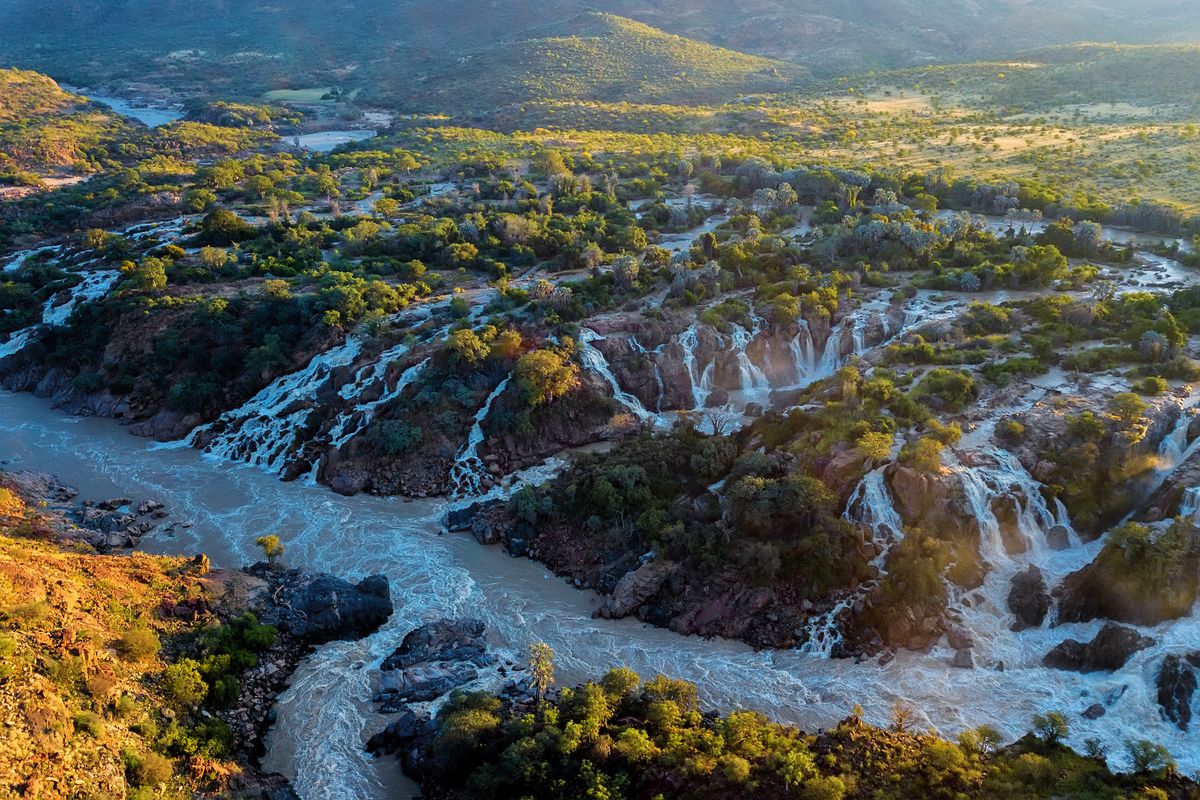
Epupa Falls Namibia: The Hidden Waterfall in Kaokoveld
Epupa Falls is one of Namibia’s most beautiful and remote natural attractions, where the Kunene River flows across a series of rocky drops along the border with Angola. Surrounded by rugged hills, palm trees, and the dry landscapes of northwestern Namibia, the falls create an extraordinary contrast between flowing water and arid terrain. Travellers who reach this isolated destination experience a side of Namibia that differs from its famous desert dunes and wildlife parks.
The falls lie within the wider Kaokoveld region, an area known for dramatic scenery and the cultural heritage of the Himba communities. Reaching Epupa requires careful travel planning, but the journey rewards visitors with striking landscapes and opportunities for responsible cultural encounters. Its relative isolation also creates a peaceful atmosphere that appeals to travellers seeking less conventional destinations.
Where Are Epupa Falls Located?
Epupa Falls lies on the Kunene River in northwestern Namibia, close to the country’s border with Angola. The river forms part of the international boundary and flows through a landscape of rocky hills and dry valleys. Its permanent water supports vegetation that contrasts sharply with the surrounding arid environment.
The falls are relatively remote from Namibia’s major tourism centres. Travellers generally approach the area through Opuwo and continue north along roads that require careful planning. Road conditions vary, and some sections may become difficult after heavy rainfall.
The journey to Epupa forms an important part of the experience. Visitors pass through expansive landscapes, small settlements, and areas that reveal the region’s distinctive character. Allowing sufficient time for the drive makes the trip more enjoyable and reduces unnecessary pressure.
The Natural Beauty of Epupa Falls
Epupa Falls consists of a series of waterfalls and cascades where the Kunene River descends across rocky terrain. The river divides around islands and rock formations before flowing into lower channels. This creates multiple viewpoints and an attractive mixture of water, vegetation, and exposed stone.
The surrounding palms and riverine plants provide a striking contrast to the dry hills beyond the river. Visitors can appreciate the landscape from suitable observation areas while listening to the sound of flowing water. The atmosphere changes according to river levels and seasonal conditions.
Epupa’s beauty lies partly in its remote setting. Unlike major waterfall destinations surrounded by extensive tourism infrastructure, the area retains a quieter character. Travellers should respect local communities and the natural environment to help preserve this appeal.
The Kunene River and Its Importance
The Kunene River plays a major role in the ecology and human geography of northwestern Namibia. Its waters support vegetation, wildlife, and communities living within an otherwise dry region. The river also forms an important natural boundary between Namibia and Angola.
Seasonal changes in rainfall across the wider catchment influence river flow. Water levels may rise or fall depending on conditions far upstream, even when the immediate area receives little rain. These changes affect the appearance of the falls and the safety of riverside activities.
The river also supports aquatic wildlife, including crocodiles in suitable habitats. Visitors should never assume that calm-looking water is safe for swimming. Local guidance remains essential around riverbanks and channels.
Visiting the Best Viewpoints
Epupa Falls offers several opportunities to appreciate the river from elevated or riverside viewpoints. Different positions reveal the cascades, surrounding palms, and rocky terrain from changing perspectives. Visitors may enjoy both broad landscape views and closer observations of individual waterfalls.
Walking conditions vary because the surrounding terrain includes uneven rocks and exposed surfaces. Travellers should wear suitable shoes and avoid approaching slippery edges. A local guide can help identify appropriate routes and explain the landscape.
Sunrise and sunset may provide attractive photographic light, depending on the viewpoint and weather. The colours of the surrounding hills can change considerably as the sun moves across the landscape. Allowing time for more than one viewpoint creates a fuller appreciation of the falls.
Exploring Himba Culture Responsibly
The Kaokoveld region is closely associated with Himba communities, whose cultural traditions attract interest from visitors. Some communities maintain distinctive practices involving dress, livestock, social relationships, and the use of natural materials. However, Himba people are diverse individuals whose lives and choices continue to evolve.
Cultural visits should take place through respectful arrangements that involve the communities themselves. Travellers should seek permission before entering homes or taking photographs. A knowledgeable local guide can help explain customs and ensure that interactions follow community expectations.
Responsible tourism recognises that local people are not attractions. Visits should provide fair benefits and allow residents to decide how they share their culture. Meaningful conversations and respectful engagement create a more valuable experience than staged encounters.
Wildlife Around Epupa Falls
The Kunene River supports wildlife associated with riverine and dryland habitats. Birds are particularly noticeable around the water and surrounding vegetation. Visitors may encounter kingfishers, herons, and other species depending on season and habitat conditions.
The surrounding arid landscapes support animals adapted to limited water and sparse vegetation. However, Epupa is not a conventional large-mammal safari destination. Travellers should approach the area primarily for its scenery, culture, and river environment.
Wildlife observation requires patience and respect. Visitors should avoid approaching animals too closely or disturbing nesting birds. Guided nature excursions can provide useful explanations about the region’s ecology.
Birdwatching Along the Kunene River
The Kunene River creates an important habitat corridor through northwestern Namibia. Its vegetation attracts birds that may be less common in the surrounding dry landscapes. This contrast makes the river appealing to birdwatchers exploring remote parts of the country.
Early mornings can provide rewarding conditions for observing bird activity. Cooler temperatures and softer light make walking more comfortable, while birds may remain active near feeding areas. Binoculars and a field guide help visitors identify unfamiliar species.
Birdwatching also encourages a slower appreciation of the river environment. Rather than focusing only on the waterfalls, travellers can observe how vegetation and wildlife depend on the water. These relationships demonstrate the ecological importance of the Kunene.
Photography at Epupa Falls
Epupa Falls offers excellent opportunities for landscape photography. The combination of flowing water, palms, rocky slopes, and open skies creates distinctive compositions. Changing river levels also influence the appearance of individual cascades.
Photographers may prefer early morning or late afternoon when light becomes softer. Long exposures can create different effects when capturing moving water, although equipment must remain secure near rocky edges. A tripod may be useful where conditions permit safe placement.
Cultural photography requires additional sensitivity. Visitors should always request permission before photographing people or private spaces. Respectful interaction remains more important than obtaining a particular image.
Best Time to Visit Epupa Falls
Epupa Falls can be visited during different seasons, but river levels and road conditions influence the experience. The falls may appear more powerful during periods of higher flow, while lower water levels can reveal additional rock formations. Seasonal changes also affect the surrounding vegetation.
The cooler dry-season months generally provide more comfortable conditions for road travel and outdoor exploration. However, daytime temperatures can still become high in the northern region. Visitors should carry drinking water and plan walks around the hottest hours.
Rainfall can affect access roads, especially in remote areas. Travellers should confirm current conditions before departing from Opuwo or other regional centres. Flexibility is important when visiting destinations with limited infrastructure.
Where to Stay Near Epupa Falls
Accommodation around Epupa includes lodges, camps, and other small-scale properties that cater to travellers exploring the Kunene region. Facilities vary according to location and operating arrangements. Some properties provide river views, guided excursions, and opportunities to experience the surrounding landscape.
Visitors should confirm meal arrangements, electricity availability, and transport requirements before booking. Remote accommodation may offer fewer services than properties in Namibia’s larger towns. Planning ahead helps travellers prepare appropriately.
Spending at least two nights near Epupa can provide a more relaxed experience. This allows time to explore the falls, enjoy nature activities, and arrange respectful cultural visits. A longer stay also reduces the pressure created by substantial road transfers.
How to Get to Epupa Falls
Most travellers reach Epupa Falls by road through Opuwo, an important regional centre in northwestern Namibia. The onward journey crosses remote landscapes and may involve gravel or uneven road sections. Vehicle suitability should be assessed according to current conditions.
A four-wheel-drive vehicle may be advisable for some routes or seasons, particularly when roads deteriorate after rainfall. Travellers should carry sufficient fuel, water, and essential supplies. Mobile communication may also be unreliable in remote areas.
Guided tours provide an alternative for visitors who prefer not to drive independently. Experienced drivers understand regional conditions and can coordinate accommodation and cultural experiences. This approach can make the journey more comfortable for first-time visitors.
Combining Epupa Falls with a Northern Namibia Safari
Epupa Falls can form part of a longer itinerary through northern Namibia. Travellers may combine the region with Etosha National Park, Damaraland, and selected destinations in Kaokoveld. These areas provide contrasting landscapes and experiences.
Etosha offers wildlife viewing around waterholes and across open savannah environments. Damaraland introduces visitors to rugged scenery, geological attractions, and desert-adapted wildlife. Epupa adds flowing water, cultural heritage, and remote river landscapes.
A carefully planned itinerary should account for long driving distances. Travellers should avoid trying to visit too many remote destinations within a short period. Allowing adequate time creates a safer and more rewarding journey.
Plan Your Safari
Epupa Falls offers one of Namibia’s most memorable combinations of river scenery, remote landscapes, and cultural heritage. Its cascades, palm-lined banks, and dramatic surroundings reveal a different side of the country’s natural beauty. Travellers who make the journey can enjoy a peaceful destination that remains outside many conventional safari routes.